

Understanding Smoke Points for Safe Frying
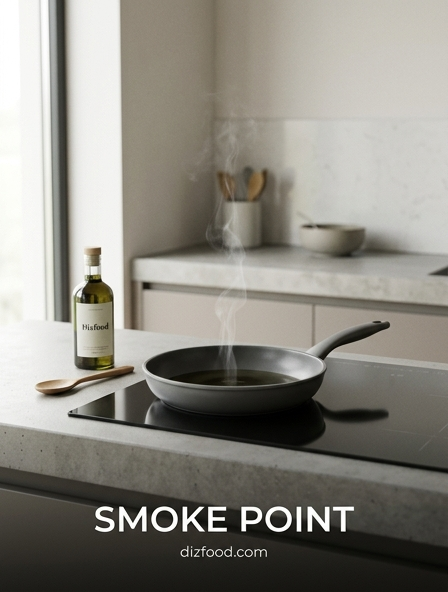
The smoke point of a cooking oil is the temperature at which it begins to break down, releasing visible smoke and harmful compounds like acrolein. For high-heat culinary techniques such as deep frying or searing, selecting an oil with a high smoke point is essential for both flavor preservation and kitchen safety. Rice bran oil is a standout choice in this category, boasting a smoke point of approximately 232°C (450°F). This stability is largely attributed to its unique chemical composition, including the presence of oryzanol, which helps protect the oil from rapid thermal degradation.
When an oil exceeds its smoke point, the fatty acids oxidize, creating free radicals and a bitter aftertaste. While soybean oil also offers a respectable smoke point of around 230°C, the structural integrity of rice bran oil under prolonged heat makes it superior for commercial and domestic frying. Consider the following factors when evaluating smoke points:
- Refinement Level: Highly refined oils generally have higher smoke points than cold-pressed varieties.
- Impurity Content: Presence of food particles can lower the effective smoke point during reuse.
- Oryzanol Protection: This antioxidant specifically mitigates oxidative stress during high-temperature cycles.
- Acidity: Lower free fatty acid content results in a more stable frying medium.
Fatty Acid Profiles and Heart Wellness
The nutritional value of a cooking oil is fundamentally defined by its fatty acid profile, which dictates its impact on cardiovascular health. A balanced intake of Saturated Fatty Acids (SFA), Monounsaturated Fatty Acids (MUFA), and Polyunsaturated Fatty Acids (PUFA) is recommended by global health organizations to maintain healthy lipid levels. Rice bran oil is often cited as one of the most balanced oils, closely adhering to the World Health Organization's suggestions for fatty acid ratios. The presence of oryzanol adds a functional layer to this profile, working synergistically with unsaturated fats to improve metabolic health.
| Oil Type | Saturated Fat (%) | Monounsaturated (%) | Polyunsaturated (%) |
|---|---|---|---|
| Rice Bran Oil | 20% | 42% | 38% |
| Soybean Oil | 15% | 23% | 58% |
| Olive Oil | 14% | 73% | 11% |
Oryzanol acts as a protective agent for these delicate fats, preventing the rancidity that often plagues oils high in PUFAs. By maintaining the integrity of these fats, the oil ensures that the heart-healthy properties are delivered effectively to the body during consumption.
Rice Bran Oil and Oryzanol Benefits
Gamma-oryzanol is a naturally occurring mixture of ferulic acid esters of sterols and triterpene alcohols, exclusively found in significant quantities in rice bran oil. This compound is extracted from the hard outer brown layer of rice, known as the chaff or bran. Beyond its role as a stabilizer, oryzanol is celebrated for its potent bio-active properties. It has been shown to assist in lowering plasma cholesterol by reducing the absorption of dietary cholesterol in the gut and increasing its excretion. This makes rice bran oil a functional food rather than just a cooking medium.
- Cholesterol Regulation: Inhibits the HMG-CoA reductase enzyme, a key player in cholesterol synthesis.
- Menopausal Relief: Studies suggest oryzanol may help reduce the frequency of hot flashes.
- Muscle Growth: It is frequently used in supplements to support physical strength and recovery.
- Skin Health: Its antioxidant nature protects the skin from UV-induced damage when included in the diet.
Incorporating oryzanol into a daily diet via rice bran oil provides a seamless way to bolster internal defenses. Unlike many synthetic supplements, the oryzanol in rice bran oil is highly bioavailable, meaning the body can easily absorb and utilize the compound for various physiological benefits.
Soybean Oil Omega Content for Cardiovascular Health
Soybean oil is a staple in many kitchens due to its affordability and high polyunsaturated fat content, particularly Omega-3 and Omega-6 fatty acids. Specifically, it contains Alpha-Linolenic Acid (ALA), an essential Omega-3 fatty acid that the body cannot produce on its own. These fats are vital for maintaining the elasticity of blood vessels and reducing systemic inflammation. However, the high PUFA content makes soybean oil more susceptible to oxidation when compared to oryzanol-rich oils. For optimal cardiovascular health, the balance between these omega fats is crucial.
- Omega-6 (Linoleic Acid): Essential for cell membrane integrity but requires balance to prevent inflammation.
- Omega-3 (ALA): Supports heart rhythm and helps lower triglyceride levels significantly.
- Vitamin K: Soybean oil is a significant source, aiding in bone health and proper blood clotting.
- Cardiovascular Shielding: Regular consumption of ALA-rich oils is linked to a reduced risk of heart disease.
While soybean oil excels in providing essential omegas, it lacks the unique oryzanol component found in rice bran oil. Consequently, many health-conscious consumers choose to blend these oils or alternate between them to capture a wider spectrum of antioxidants and essential fatty acids for long-term heart protection.
Antioxidant Properties in High Heat Cooking
High-heat cooking environments are inherently oxidative, leading to the rapid breakdown of nutrients. The presence of antioxidants is what differentiates a healthy cooking oil from one that becomes toxic under heat. Oryzanol is particularly effective because it remains stable at temperatures where other antioxidants, like some forms of Vitamin E, might begin to degrade. This stability ensures that the oil does not produce harmful polymers or polar compounds during deep frying, maintaining the nutritional quality of the food being cooked.
The antioxidant mechanism of oryzanol involves scavenging free radicals and inhibiting lipid peroxidation. This is especially important in the kitchen, where oils are often heated and cooled repeatedly. Research indicates that rice bran oil retains a significant portion of its antioxidant activity even after several hours of continuous frying. Common antioxidants found in these oils include:
- Tocopherols: Traditional Vitamin E that protects against oxidative stress.
- Tocotrienols: A more potent form of Vitamin E found abundantly in rice bran.
- Squalene: A compound that helps in skin hydration and exhibits antioxidant effects.
- Phytosterols: Plant compounds that compete with cholesterol for absorption.
Impact on Cholesterol Levels and Arteries
Maintaining clear and flexible arteries is a cornerstone of heart longevity. The impact of cooking oils on cholesterol-specifically the ratio of Low-Density Lipoprotein (LDL) to High-Density Lipoprotein (HDL)-is a primary concern for medical professionals. Oryzanol has been clinically proven to lower "bad" LDL cholesterol while maintaining or even slightly increasing "good" HDL cholesterol. It achieves this by interfering with the absorption of cholesterol in the digestive tract and promoting the conversion of cholesterol into bile acids, which are then excreted from the system.
| Benefit | Mechanism of Action | Outcome |
|---|---|---|
| LDL Reduction | Inhibition of intestinal absorption | Lowered arterial plaque risk |
| HDL Maintenance | Improved lipid metabolism | Enhanced cholesterol transport |
| Arterial Health | Reduction in oxidative stress | Improved vascular elasticity |
By preventing the oxidation of LDL cholesterol, oryzanol also reduces the likelihood of plaque formation on the arterial walls, a condition known as atherosclerosis. This dual action of lowering total cholesterol and protecting the arteries from inflammation makes oryzanol-rich oils a powerful dietary tool for managing cardiovascular risks over time.
Vitamin E Concentrations Compared
Vitamin E is not a single compound but a group of eight fat-soluble antioxidants: four tocopherols and four tocotrienols. While most vegetable oils like soybean and sunflower are rich in tocopherols, rice bran oil is unique because it contains high concentrations of both tocopherols and tocotrienols. Tocotrienols are often referred to as "Super Vitamin E" because they have been found to be significantly more potent than tocopherols in scavenging free radicals and providing neuroprotective benefits. The synergy between Vitamin E and oryzanol creates a robust defensive shield for the oil and the consumer.
- Alpha-Tocopherol: The most common form of Vitamin E used by the human body.
- Gamma-Tocotrienol: Specifically linked to the reduction of tumor growth and cholesterol lowering.
- Oxidative Stability: This complex vitamin matrix prevents the oil from turning rancid on the shelf.
- Bioavailability: Naturally occurring Vitamin E in oil is better absorbed than synthetic versions.
In a kitchen context, this high concentration means that the oil contributes to the daily nutritional requirement while simultaneously performing its functional role as a heat-stable cooking medium. For those looking to maximize their antioxidant intake through whole foods, the Vitamin E profile of rice bran oil is difficult to surpass.
Stability During Deep Frying Processes
Deep frying is a demanding process that subjects oil to moisture, oxygen, and intense heat. These conditions typically trigger polymerization, where oil molecules link together to form a thick, sticky sludge that ruins both the food and the equipment. Oils rich in oryzanol exhibit exceptional resistance to this process. Because oryzanol acts as a thermal stabilizer, the oil maintains a lower viscosity for a longer duration, resulting in less oil absorption into the food. This makes fried items crispier and significantly less greasy compared to those cooked in less stable oils.
- Lower Oil Uptake: Foods fried in rice bran oil typically absorb 15-20% less oil.
- Foaming Resistance: Reduced breakdown of fatty acids prevents excessive foaming during frying.
- Color Retention: The oil darkens more slowly, allowing for more consistent food presentation.
- Flavor Neutrality: Maintains a clean taste without the "beany" or "fishy" odors associated with some PUFA-heavy oils.
For high-volume kitchens, this stability translates to cost savings and improved nutritional profiles for the final product. Even for the home cook, using a stable oil ensures that the frying process is cleaner and the results are healthier, with fewer calories from absorbed fats.
Saturated vs Unsaturated Fat Ratios
The debate between saturated and unsaturated fats has evolved into a focus on balance rather than elimination. While saturated fats are highly stable, they can raise cholesterol if consumed in excess. Conversely, unsaturated fats are heart-healthy but often unstable. The ideal oil provides a "balanced" ratio. Rice bran oil sits at a favorable midpoint, offering enough saturated fat for heat stability while providing a high percentage of monounsaturated and polyunsaturated fats for heart health. This balance is critical for maintaining cellular membrane fluidity and hormonal health.
| Fat Category | Role in Body | Presence in Oryzanol-Rich Oil |
|---|---|---|
| Saturated | Structural integrity | Moderate (~20%) |
| Monounsaturated | LDL reduction | High (~42%) |
| Polyunsaturated | Essential functions | High (~38%) |
Oryzanol further enhances the efficacy of this ratio by ensuring the unsaturated fats do not oxidize before they can be utilized by the body. This protective effect allows the consumer to reap the cardiovascular benefits of the unsaturated fats without the risks associated with lipid peroxide consumption, making it a superior choice for long-term dietary management.
Selecting the Best Oil for Heart Longevity
Choosing the right oil for heart longevity requires a holistic view of smoke points, antioxidant content, and fatty acid balance. For those prioritizing cardiovascular protection, an oil rich in oryzanol and tocotrienols provides a distinct advantage. When shopping, consumers should look for physically refined rice bran oil, as this process retains higher levels of oryzanol compared to chemical refining. It is a versatile choice that performs equally well in cold salad dressings as it does in high-heat stir-fries or deep-frying applications.
- Check the Label: Ensure "Oryzanol" is explicitly mentioned, with higher ppm (parts per million) being better.
- Storage Matters: Keep oils in a cool, dark place to preserve the delicate antioxidants.
- Refining Process: Physical refining is generally preferred over chemical solvent extraction.
- Versatility: Choose an oil that can handle all kitchen tasks to ensure consistent intake of beneficial compounds.
Ultimately, the inclusion of oryzanol in the diet through a stable cooking medium represents a simple yet effective lifestyle change. By reducing "bad" cholesterol and providing a stable source of healthy fats, these oils support a longer, healthier life while maintaining the high culinary standards expected in the modern kitchen.




Comments