
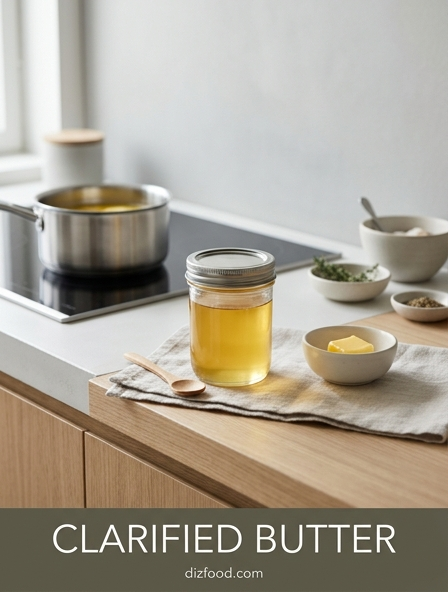
Understanding the Clarification Process
The clarification process is a fundamental culinary technique designed to isolate pure butterfat from the other components of whole butter. In its natural state, butter is an emulsion consisting of approximately 80% fat, 15% water, and 5% milk solids. By applying gentle, consistent heat, the emulsion is broken down, allowing the water to evaporate and the milk solids to separate. This transformation is essential for chefs who require a stable cooking medium that retains the rich, decadent aroma of dairy without the volatile elements that cause premature burning.
- Melting: Butter is slowly heated until it liquefies and begins to simmer.
- Separation: The water content evaporates while the milk solids rise to the surface as foam or sink to the bottom.
- Decanting: The clear, golden liquid fat is carefully skimmed or poured off, leaving the particulates behind.
- Filtration: The final fat is often passed through cheesecloth to ensure absolute clarity.
Once the process is complete, the resulting product is a translucent, shelf-stable lipid. This pure fat is the cornerstone of professional saucier work and high-temperature preparations, providing a versatile foundation for a wide array of classic and modern dishes.
Elevated Smoke Points for Searing
One of the primary advantages of clarified butter in a professional kitchen is its significantly higher smoke point compared to whole butter. The smoke point of a fat is the temperature at which it begins to break down, releasing acrid smoke and off-flavors. While whole butter begins to smoke at roughly 350°F (175°C) due to the presence of milk solids, clarified butter can withstand temperatures up to 450°F (232°C). This elevation allows for intense searing of proteins without the risk of carbonization.
| Fat Type | Approximate Smoke Point | Primary Culinary Use |
|---|---|---|
| Whole Butter | 350°F (177°C) | Baking, finishing sauces |
| Clarified Butter | 450°F (232°C) | Searing, sautéing, frying |
| Extra Virgin Olive Oil | 375°F (190°C) | Dressing, low-heat cooking |
By removing the sugars and proteins that burn at low temperatures, the chef gains a wider margin of safety. This makes clarified butter an ideal choice for high-heat techniques where the flavor of butter is desired but the technical limitations of dairy solids would otherwise lead to a bitter, scorched result on the plate.
Removing Milk Solids for Purity
The purity of clarified butter is achieved through the systematic removal of milk solids, specifically whey proteins and casein. These solids are responsible for the characteristic browning and nutty aroma of "beurre noisette," but they also limit the butter's utility in high-heat applications. In the clarification process, these solids are treated as impurities that must be discarded to achieve a refined cooking medium. The removal involves a meticulous three-step settling phase that ensures only the lipid remains.
- Evaporation: Heating the butter drives off the water content, which manifests as vigorous bubbling.
- Skimming: The whey proteins that rise to the top as a white, frothy foam are removed with a spoon.
- Sedimentation: The casein solids sink to the bottom of the vessel, forming a milky layer that is bypassed during decanting.
Removing these solids also contributes to the longevity of the fat. Because the components that promote rancidity and bacterial growth are absent, clarified butter can be stored at room temperature for much longer than whole butter. This purity results in a product that is lactose-free and casein-free, making it suitable for certain dietary restrictions while maintaining its luxurious mouthfeel and fat-soluble nutrient density.
Clean Flavor Profiles in Cooking
Clarified butter offers a distinct advantage in the kitchen by providing a clean, focused flavor profile that enhances rather than overwhelms a dish. Unlike whole butter, which can sometimes introduce a "cheesy" or "heavy" note due to its lactic acid and protein content, clarified butter delivers a pure essence of dairy. This neutrality makes it an exceptional medium for "blooming" spices or infusing aromatics like garlic, thyme, and peppercorns. The fat acts as a solvent, efficiently extracting fat-soluble flavor compounds from herbs and spices.
In delicate preparations, such as a traditional hollandaise or béarnaise sauce, the use of clarified butter ensures a silky, stable emulsion. The lack of water in the fat prevents the sauce from becoming overly thin, while the absence of solids ensures the texture remains perfectly smooth. Furthermore, because it does not burn easily, the flavor remains consistent throughout the cooking process, avoiding the bitter undertones often associated with overheated fats. It provides a rich, velvety coating to vegetables and starches, allowing the natural sweetness of the ingredients to shine through while adding a subtle, buttery depth that is both refined and satisfying.
Gourmet Sautéing Heat Management
Mastering heat management during gourmet sautéing requires a cooking medium that is both stable and responsive. Clarified butter excels in this role because it allows the chef to maintain a high pan temperature without the fear of the fat breaking down. When sautéing delicate items like scallops, veal medallions, or fresh garden vegetables, the goal is to achieve rapid heat transfer to the surface of the food. The high thermal stability of clarified butter facilitates this transfer, ensuring that the food cooks quickly and evenly.
- Thermal Stability: Maintains integrity at high temperatures for consistent browning.
- Moisture Control: The absence of water prevents "steaming" in the pan, ensuring a crisp texture.
- Viscosity: Provides a thin, even coating that helps prevent sticking.
- Flavor Carry: Efficiently distributes heat and seasoned flavors across the ingredient surfaces.
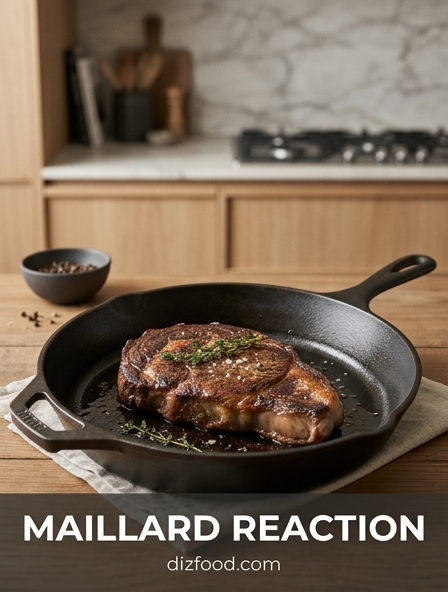
By using clarified butter, a chef can achieve the "Maillard reaction" more effectively. This chemical reaction between amino acids and reducing sugars creates the savory flavors and browned colors that define high-quality sautéing. Because clarified butter does not contain the sugars found in milk solids, the browning comes strictly from the food itself, allowing for a more precise and controlled culinary outcome.
Achieving the Perfect Golden Crust
The hallmark of professional protein preparation is the achievement of a uniform, golden-brown crust. Whether it is a piece of pan-seared halibut or a classic schnitzel, the crust provides essential texture and visual appeal. Clarified butter is the preferred medium for this task because it provides the richness of butter with the performance of a high-heat oil. The fat allows the surface of the ingredient to reach the high temperatures necessary for crisping without the interference of burning milk particulates which can leave black specks on the food.
When food is placed in a pan with hot clarified butter, the lack of water in the fat ensures that the initial contact is dry and intense. This prevents the "boiling" effect that can occur with whole butter, which contains enough water to lower the surface temperature of the pan. The result is a faster set on the crust, locking in juices and creating a barrier that prevents the food from absorbing excess grease. This technique is particularly effective for breaded items, where the clarified butter permeates the breadcrumbs to create a shattering, golden exterior that remains light and flavorful rather than heavy or oily.
Comparing Butterfat to Cooking Oils
Choosing between butterfat and refined cooking oils involves balancing flavor, health considerations, and technical performance. While vegetable oils like canola or grapeseed are often chosen for their high smoke points and neutral taste, they lack the complex flavor profile and mouthfeel that pure butterfat provides. Clarified butter bridges this gap by offering a high smoke point similar to refined oils while retaining the luxurious sensory qualities of dairy. Unlike many seed oils, clarified butter is primarily composed of saturated fats, which are more resistant to oxidation at high temperatures.
| Feature | Clarified Butter | Vegetable Oil |
|---|---|---|
| Flavor | Rich, buttery, savory | Neutral to flat |
| Smoke Point | High (450°F) | Varies (400°F-450°F) |
| Saturated Fat | High (Stable) | Low (Prone to oxidation) |
| Vitamin Content | Vitamins A, D, E, K | Minimal |
Furthermore, clarified butter contains short-chain and medium-chain fatty acids, which are metabolized differently than the long-chain fats found in many vegetable oils. For the chef, the choice often comes down to the desired final character of the dish; if the goal is a premium, restaurant-quality finish with a traditional French or Indian influence, clarified butter is the superior choice over standard industrial oils.
Enhancing Delicate Ingredient Notes
While clarified butter is robust enough for high-heat frying, it is equally valued for its ability to enhance delicate ingredient notes in fine dining. In seafood cookery, particularly with white fish like sole or turbot, the fat provides a gentle richness that does not mask the subtle sweetness of the ocean. When used as a poaching medium-a technique known as butter poaching-clarified butter surrounds the ingredient in a temperature-controlled bath, resulting in a texture that is incredibly tender and succulent. Because the fat is pure, the natural colors of the ingredients remain vibrant.
The application extends to the world of vegetables and fungi as well. Chantarelles or morels sautéed in clarified butter retain their earthy nuances while benefiting from the fat's ability to conduct heat into their porous structures. Additionally, in the preparation of warm emulsified sauces, the purity of the butterfat allows for a more stable suspension of lemon juice or vinegar. This creates a bright, acidic lift that cuts through the richness, highlighting the complexity of the dish's primary components. It is this balance of strength and subtlety that makes clarified butter an indispensable tool for highlighting the finest seasonal produce and proteins.
The Culinary Benefits of Pure Butterfat
The culinary benefits of pure butterfat extend beyond heat tolerance into the realms of texture and preservation. In the absence of water and proteins, the fat behaves as a concentrated flavor carrier. This concentration means that less product is required to achieve a desired level of richness, making it a surprisingly efficient ingredient. In pastry applications, clarified butter can be used to create exceptionally flaky textures in doughs like phyllo or puff pastry, as the lack of water prevents the premature development of gluten, which can lead to toughness.
- Extended Shelf Life: Can be stored for months without refrigeration if kept in a cool, dark place.
- Lactose-Free: Safe for most individuals with dairy sensitivities as the sugars are removed.
- Crisping Power: Ideal for creating "croutons" or "rostis" that are perfectly crisp throughout.
- Silky Finish: Adds a professional "sheen" to sauces and soups just before serving.
Moreover, the pure lipid structure allows for better integration with other fats and oils, enabling chefs to create custom blends for specific cooking needs. Whether used for a simple pan-fry or as the base for a complex infusion, the purity of the fat ensures that the final dish is free from the muddy flavors or greasy textures that can result from lower-quality fats or whole butter misuse.
Mastering High Heat Frying Techniques
Mastering high-heat frying with clarified butter opens up a world of culinary possibilities, from shallow frying to deep-fat applications. Because the fat is stable, it can be used repeatedly if filtered correctly, making it a premium choice for traditional dishes like Wiener Schnitzel or deep-fried sage leaves. The key to success lies in the fat's ability to maintain a constant temperature, which creates an immediate steam barrier when the food hits the pan. This steam barrier prevents the fat from soaking into the food, ensuring the interior remains moist while the exterior becomes crispy.
- Preheating: Slowly bring the clarified butter to the target temperature (usually 350°F to 375°F).
- Gradual Addition: Add ingredients in small batches to prevent the temperature from dropping significantly.
- Monitoring: Use a thermometer to ensure the heat stays below the 450°F smoke point.
- Drainage: Remove items and drain on a wire rack to maintain the integrity of the crust.
This technique results in fried foods that have a superior flavor profile compared to those cooked in neutral oils. The subtle dairy notes permeate the crust, providing a sophisticated depth that is characteristic of high-end bistro cooking. By understanding the thermodynamics of clarified butter, a cook can achieve professional frying results that are light, aromatic, and perfectly textured.

Comments