
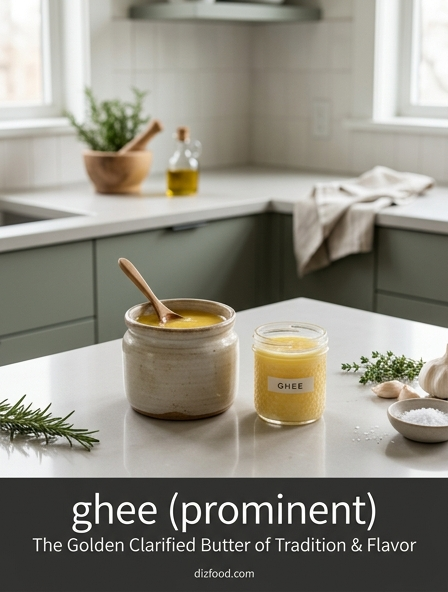
If you're looking to elevate your culinary game, ghee is the ultimate game-changer for high-heat cooking. Unlike standard butter, ghee has its milk solids removed, giving it an impressive smoke point of nearly 485°F. This exceptional stability makes it the perfect choice for searing succulent steaks or deep-frying to a golden crisp without the worry of burning or developing bitter flavors. Beyond its heat resistance, ghee adds a rich, nutty depth that elevates every dish to a gourmet level. To truly refine your kitchen skills, it's helpful to dive into the nuances of Clarified Butter Vs. Ghee For Frying.
High Smoke Point Advantage
Ghee stands out in the culinary world primarily due to its exceptionally high smoke point, which typically hovers around 485°F (250°C). This is significantly higher than standard butter, which begins to smoke and burn at approximately 350°F. The primary reason for this advantage is the clarification process, which involves simmering butter to evaporate water and skimming off the milk solids. Without these sugars and proteins, which are prone to burning, the remaining pure butterfat can withstand intense heat without breaking down or releasing acrid smoke into the kitchen environment.
Using a fat with a high smoke point is essential for professional-grade cooking. When fats reach their smoke point, they undergo a chemical breakdown that produces toxic fumes and free radicals. Ghee's resilience makes it a reliable medium for demanding kitchen tasks. Below are common oils compared to ghee:
- Butter: 350°F - Best for low heat and baking.
- Extra Virgin Olive Oil: 375°F - Suitable for light sautéing.
- Coconut Oil: 350°F - Ideal for medium heat.
- Ghee: 485°F - Perfect for high-heat searing and frying.
By choosing ghee, chefs can achieve the rich, buttery flavor they desire without the risk of the fat scorching or imparting a bitter, burnt taste to the food.
Superior Thermal Stability
Thermal stability refers to the ability of a cooking fat to maintain its chemical structure under high temperatures. Ghee is composed almost entirely of saturated fats, which are much more stable than the polyunsaturated fats found in many vegetable oils. Because saturated fats do not have the double bonds that characterize unsaturated fats, they are far less reactive to heat and oxygen. This means that even when subjected to prolonged heating, ghee does not easily polymerize or turn into a sticky, varnish-like substance on your cookware.
This stability ensures that the nutritional profile and flavor of the fat remain consistent throughout the cooking process. In a professional kitchen, this reliability is crucial for consistency. Whether you are slow-roasting root vegetables or quickly stir-frying at high heat, ghee provides a consistent medium that behaves predictably. Furthermore, the lack of moisture in ghee prevents the splattering that occurs when water-heavy fats like butter or margarine hit a hot pan. This makes the cooking process safer and cleaner, allowing the chef to focus on the precision of the dish rather than managing volatile oil reactions.
Enhanced Maillard Reaction
The Maillard reaction is the chemical process responsible for the browning and complex flavor development in cooked foods. While many people believe butter is the best fat for browning, its low smoke point often results in the milk solids burning before the food itself can properly brown. Ghee solves this dilemma by providing the fat content needed to facilitate the reaction without the interference of burning proteins. This leads to a deeper, more uniform golden color on everything from scallops to steaks.
- Preheat the pan until it is hot enough to shimmer the ghee.
- Pat the protein dry to ensure moisture does not interfere with the reaction.
- Place the food in the ghee and allow it to sit undisturbed.
- Observe the edges turning golden as the amino acids and sugars interact.
Because ghee can reach higher temperatures than butter, it accelerates the Maillard reaction, allowing for a quicker sear. This is particularly beneficial for thin cuts of meat or delicate seafood where you want a crisp exterior without overcooking the center. The result is a more professional finish characterized by savory, toasted aromas and a visually appealing crust.
Nutty Flavor Profile
The flavor of ghee is often described as a concentrated, toasted version of butter. During the clarification process, the milk solids are allowed to brown slightly before being strained out. This caramelization imparts a distinct nuttiness and a deep, rich aroma that is unique to ghee. Unlike neutral vegetable oils, ghee acts as a flavor enhancer, adding a layer of culinary complexity to both simple and sophisticated dishes. It carries spices exceptionally well, which is why it has been a staple in South Asian and Middle Eastern cuisines for centuries.
In the kitchen, this nutty profile can be used to elevate mild ingredients. For example, tossing steamed vegetables in a small amount of ghee can transform them from a bland side dish into a fragrant, savory component of the meal. It also pairs beautifully with grains like rice and quinoa, where the fat coats each grain and provides a silky mouthfeel. Because the flavor is so potent, a little goes a long way, making it a cost-effective way to add premium taste to everyday cooking. The aroma alone, released as soon as the ghee hits a warm pan, signals a high-quality culinary experience.
Comparing Ghee to Vegetable Oils
When choosing a cooking fat, many home cooks reach for vegetable oils like canola or soybean oil because they are liquid at room temperature and relatively inexpensive. However, ghee offers several advantages over these processed oils, particularly regarding health and performance. Vegetable oils are often high in omega-6 fatty acids and can be prone to oxidation during storage and cooking. Ghee, on the other hand, is a stable, natural fat that does not require heavy industrial processing or chemical solvents for extraction.
| Feature | Ghee | Vegetable Oil |
|---|---|---|
| Smoke Point | ~485°F | ~400°F - 450°F |
| Fat Type | Saturated | Polyunsaturated |
| Flavor | Nutty/Rich | Neutral |
| Stability | Very High | Moderate to Low |
While neutral oils are sometimes preferred for baking where no flavor is desired, ghee is superior for almost all stovetop applications. It provides a better crust, a more pleasant aroma, and a healthier fatty acid profile for those looking to avoid highly refined seed oils that may contribute to inflammation when consumed in excess.
Lactose Free High Heat Cooking
For individuals with dairy sensitivities, specifically lactose intolerance or casein allergies, ghee is a revolutionary kitchen staple. While it is derived from dairy, the process of clarification removes the water and the troublesome milk solids. The result is a pure fat that is virtually free of lactose and casein. This allows people who usually avoid butter to enjoy its rich flavor and functional benefits without the digestive discomfort or allergic reactions associated with dairy proteins.
This purity is especially important during high-heat cooking. In standard butter, it is the lactose and casein that burn and create smoke. Because ghee lacks these components, it remains clear and stable at temperatures that would cause butter to blacken and smell foul. It provides a safe, allergen-friendly alternative for pan-searing, deep frying, and roasting. For those following specific dietary protocols like Paleo or Whole30, ghee is often the preferred fat because it bridges the gap between the culinary utility of animal fats and the health requirements of a dairy-free lifestyle. It offers the luxurious mouthfeel of butter while remaining accessible to a wider range of dietary needs.
Oxidation Resistance at Peak Temperatures
One of the most dangerous aspects of cooking with unstable fats is oxidation. When an oil oxidizes, it reacts with oxygen to form hydroperoxides and other harmful compounds that can lead to inflammation and cellular damage in the body. Ghee's high concentration of saturated fats makes it naturally resistant to this process. Unlike polyunsaturated vegetable oils, which have multiple vulnerable carbon bonds, the single bonds in ghee's saturated fats are much harder to break, even when exposed to air and high heat.
This resistance to oxidation is a key reason why ghee is preferred for deep frying and long-duration sautéing. Some benefits of this resistance include:
- Longer shelf life at room temperature without turning rancid.
- Reduced production of acrylamides during the frying process.
- Retention of fat-soluble vitamins even after heating.
- A cleaner taste that doesn't develop "off" flavors during cooking.
By using ghee, you are essentially protecting the integrity of your food. It ensures that the heat is used only to cook the ingredients, rather than to degrade the cooking medium itself into unhealthy byproducts.
Perfect Texture for Deep Frying
Achieving the perfect crunch in deep-fried foods requires a fat that can maintain a high, steady temperature without breaking down. Ghee is an ideal candidate for this because its high smoke point allows for frying at 375°F or higher, which is necessary to instantly seal the surface of the food. This rapid sealing prevents the fat from soaking into the interior, resulting in a dish that is crispy on the outside and moist on the inside, rather than greasy and heavy.
Additionally, the absence of water in ghee means there is significantly less bubbling and "boiling" when food is submerged. This leads to a more controlled frying environment. The natural richness of ghee also imparts a beautiful golden hue to fried items, such as fritters, chicken, or potatoes, which cannot be replicated by colorless vegetable oils. Because it is so stable, ghee can also be filtered and reused more times than many other oils, provided it hasn't been overheated. This efficiency, combined with the superior texture it produces, makes ghee a favorite for chefs who prioritize the tactile experience of fried foods.
Ghee Nutritional Benefits in Searing
Searing meat or vegetables at high heat often destroys the delicate nutrients found in cold-pressed oils. However, ghee contains heat-stable nutrients that can survive the intense environment of a hot skillet. It is naturally rich in fat-soluble vitamins such as Vitamin A, E, and K. Furthermore, ghee is a significant source of Butyrate, a short-chain fatty acid that supports gut health, and Conjugated Linoleic Acid (CLA), which has been studied for its potential anti-inflammatory properties.
The nutritional profile of ghee includes:
- Vitamin A: Essential for vision and immune function.
- Vitamin K2: Important for bone health and calcium metabolism.
- Butyric Acid: Supports the health of the intestinal lining.
- Omega-3 Fatty Acids: Present in higher amounts if the ghee is grass-fed.
When you sear a steak in ghee, you are not just adding fat; you are adding a nutrient-dense medium that complements the protein. Because these vitamins are fat-soluble, the ghee actually aids in their absorption into the body. This makes ghee more than just a tool for heat management; it is a functional ingredient that enhances the overall nutritional value of the meal.
Mastering the Golden Crust Technique
The hallmark of a great chef is the ability to create a perfect golden crust on proteins and vegetables. To master this using ghee, one must understand the relationship between heat and time. Because ghee allows for higher temperatures, the window for achieving the perfect crust is shorter, requiring precision and attention. The result is a savory, caramelized exterior that locks in juices and provides a satisfying contrast in texture.
- Choose a heavy-bottomed pan, such as cast iron, to ensure even heat distribution.
- Add enough ghee to generously coat the bottom of the pan and wait for it to shimmer.
- Carefully place your seasoned meat or vegetable in the pan, moving it as little as possible.
- Wait for the "release"-the food will naturally stop sticking to the pan once a sufficient crust has formed.
- Flip and repeat on the other side, basting with the hot ghee to add flavor.
This technique, known as butter-basting but performed more effectively with ghee, ensures that the food is infused with a nutty aroma while achieving a level of crispness that is difficult to reach with other fats. It is the ultimate secret to restaurant-quality results at home.



Comments