

Defining the Oil Smoke Point
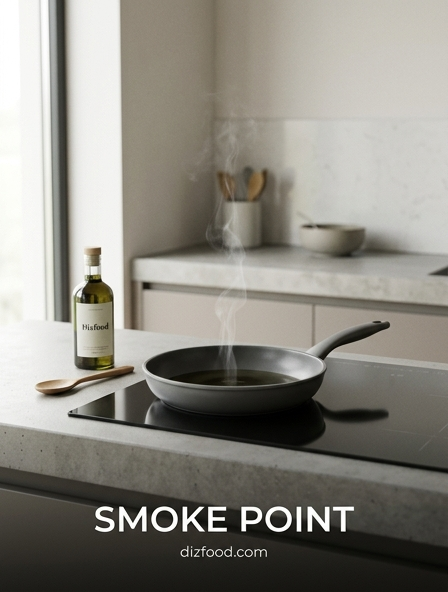
The smoke point of a culinary oil is the specific temperature threshold at which the fat begins to break down and produce a continuous bluish stream of smoke. This phenomenon occurs when the volatile compounds within the oil, including free fatty acids and various impurities, reach a state of thermal instability. Unlike the boiling point of water, the smoke point is not a fixed physical constant for every bottle of the same variety; it is heavily influenced by the degree of refining, the age of the oil, and the presence of organic matter. When a fat reaches this limit, it is no longer shimmering or transferring heat efficiently to the food. Instead, it undergoes a chemical transformation that signals the end of its structural integrity. Understanding this limit is vital for professional chefs and home cooks alike, as it dictates which fats are appropriate for various cooking methods. For instance, unrefined oils typically possess much lower smoke points than their refined counterparts because they contain more minerals and enzymes that react quickly to heat, leading to premature degradation during the cooking process.
Chemical Breakdown and Free Radicals
When an oil is heated beyond its designated smoke point, a series of complex chemical reactions begins, primarily involving the breakdown of triacylglycerols. This process releases glycerol, which further decomposes into acrolein, the specific chemical responsible for the acrid smell and eye-stinging vapor associated with burnt fat. Beyond the physical smoke, the molecular structure of the oil undergoes oxidation and polymerization. This degradation facilitates the formation of free radicals-unstable molecules that can damage cellular structures when ingested. As the carbon bonds within the fatty acids snap and reform, the oil's chemistry shifts from a healthy lipid source to a source of oxidative stress. The presence of these reactive oxygen species not only ruins the nutritional profile of the fat but also introduces toxic byproducts into the cooked food. The rate of this breakdown accelerates significantly once the smoke point is breached, turning a stable medium into a chaotic environment of molecular fragments. Maintaining heat levels below this threshold is essential to prevent the accumulation of these harmful chemical constituents in daily meals.
Impact on Flavor and Aroma
The culinary consequences of reaching an oil's smoke point are immediate and often irreversible, primarily affecting the sensory profile of the dish. As the oil decomposes, it develops a sharp, bitter, and burnt flavor that can permeate even the most delicate ingredients. The nuanced notes of a high-quality olive oil or the nutty undertones of sesame oil are replaced by a harsh metallic or charcoal-like aftertaste. This occurs because the volatile aromatics that provide flavor are destroyed by excessive heat, while the newly formed acrolein and other degradation products introduce unpleasant bitterness. Furthermore, the aroma of the kitchen environment is heavily impacted; the smoke produced is not the pleasant smell of browning food, but rather a pungent, suffocating scent that lingers on surfaces and fabrics. Even if the food itself is not physically charred, the oil acting as the heat transfer medium will transfer these off-flavors directly into the fibers of the meat or vegetables. Consequently, the balance of a dish is destroyed, as the subtle interactions between seasonings and ingredients are overwhelmed by the pervasive taste of scorched lipids.
The Relationship Heat and Stability
Thermal stability is the ability of a fat to resist breaking down under high temperatures, and it is closely linked to the saturation level of the fatty acids. Saturated fats and monounsaturated fats generally exhibit higher stability than polyunsaturated fats, which contain multiple double bonds that are easily broken by thermal energy. Refining processes also play a crucial role in enhancing stability by removing proteins, carbohydrates, and free fatty acids that would otherwise burn at lower temperatures. The table below illustrates the variation in smoke points based on the type of oil and its processing method:
| Oil Type | Processing | Approximate Smoke Point |
|---|---|---|
| Avocado Oil | Refined | 520°F (270°C) |
| Extra Virgin Olive Oil | Unrefined | 375°F (190°C) |
| Butter | Raw | 302°F (150°C) |
| Ghee (Clarified Butter) | Refined | 482°F (250°C) |
Selecting an oil with a stability profile that matches the intended cooking temperature ensures the fat remains intact throughout the duration of the heat application.
Health Risks of Overheated Oils
Consistently consuming oils that have been heated past their smoke point poses several long-term health risks due to the ingestion of toxic compounds. One of the primary concerns is the formation of polycyclic aromatic hydrocarbons (PAHs) and heterocyclic amines (HCAs), both of which have been linked to increased carcinogenic activity in the body. Additionally, the oxidation of cholesterol and fatty acids can contribute to systemic inflammation and cardiovascular issues. When oils degrade, they lose their antioxidant properties, such as Vitamin E and polyphenols, which are supposed to protect the body from oxidative damage. Instead, the degraded oil introduces polar compounds that can irritate the digestive lining and interfere with metabolic processes. Research suggests that inhaling the fumes from overheated oils is equally hazardous, as the dispersed acrolein can cause respiratory irritation and long-term lung damage. By ignoring the smoke point, the cook transforms a foundational nutrient into a delivery vehicle for pro-inflammatory agents, making the understanding of temperature limits a fundamental aspect of preventative health in the kitchen environment.
Best Oils for High Temperature Searing
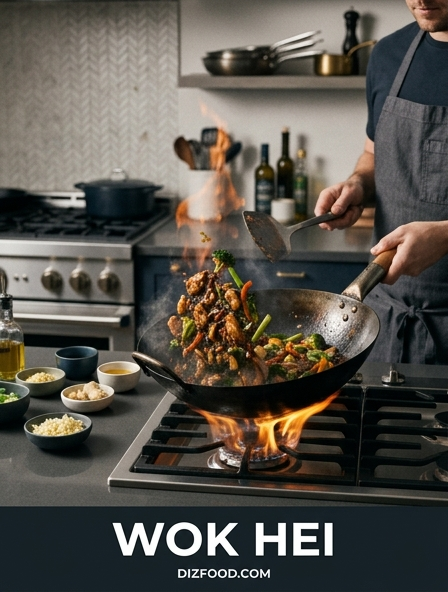
Searing meat or stir-frying vegetables requires temperatures often exceeding 400°F, necessitating the use of oils with exceptionally high smoke points to maintain the integrity of the food. Using the wrong oil for these techniques results in a charred exterior with a bitter taste rather than a savory crust. To achieve the best results, one should select fats that have undergone extensive refining to remove volatile impurities. The following oils are highly recommended for high-heat applications:
- Refined Avocado Oil: Boasting one of the highest smoke points available, it is ideal for intense searing and grilling.
- Safflower Oil: A neutral-flavored oil that remains stable at very high temperatures.
- Rice Bran Oil: Popular in professional kitchens for its high heat tolerance and mild profile.
- Ghee: By removing milk solids from butter, ghee achieves a much higher smoke point while retaining a rich, buttery flavor.
- Refined Peanut Oil: A classic choice for deep-frying and high-heat wok cooking due to its durability.
Choosing these options ensures that the oil facilitates the Maillard reaction without breaking down into harmful or foul-tasting sub-components during the process.
Avoiding Kitchen Fires and Excess Smoke
Reaching the smoke point is the final warning before an oil reaches its flash point, the temperature at which it can ignite into a self-sustaining flame. Managing heat is therefore a critical safety protocol to prevent kitchen fires. Excessive smoke is not only a sign of chemical degradation but also a precursor to a dangerous flare-up. To maintain a safe environment, cooks should utilize high-quality infrared thermometers to monitor surface temperatures and ensure they stay below the oil's threshold. Proper ventilation is also essential; using a high-powered range hood helps dissipate any incidental smoke that occurs if the temperature spikes momentarily. It is important to never leave a pan of oil unattended, as the transition from the smoke point to the flash point can happen in seconds. If smoke becomes thick or dark, the immediate action should be to remove the pan from the heat source and allow it to cool down naturally. Understanding these thermal limits serves as a primary defense against domestic accidents, ensuring that the cooking process remains controlled, predictable, and free from the hazards of uncontrolled combustion.
Nutrient Preservation During Frying
The nutritional value of a meal is heavily dependent on how heat affects the cooking medium and the ingredients within it. When an oil stays below its smoke point, it acts as a protective barrier, sealing in moisture and preserving the fat-soluble vitamins-such as A, D, E, and K-found in many vegetables and proteins. However, once the oil begins to smoke, these beneficial nutrients are rapidly destroyed. The heat-induced oxidation not only ruins the vitamins within the oil itself but also creates an environment where the nutrients in the food are compromised through contact with free radicals. Maintaining a stable temperature allows for the efficient transfer of heat without initiating the thermal degradation of delicate phytonutrients and antioxidants. This is particularly important when using oils like virgin olive oil or cold-pressed seed oils, which are prized for their high polyphenol content. To maximize the health benefits of fried foods, the cooking time should be minimized and the temperature strictly controlled, ensuring that the oil remains a source of healthy lipids rather than a catalyst for nutrient loss and chemical spoilage.
Achieving the Perfect Golden Texture
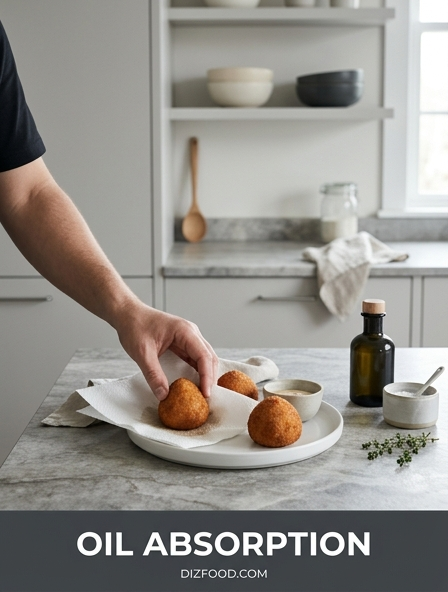
The "perfect golden texture" in frying is a result of the Maillard reaction, a chemical interaction between amino acids and reducing sugars that occurs optimally between 285°F and 330°F. If the oil's smoke point is too low, the oil will burn before the food can achieve this desired color and crispness. To reach that ideal crunch without a greasy or burnt finish, the oil must be hot enough to instantly vaporize surface moisture, creating a steam barrier that prevents the oil from soaking into the food. However, if the temperature exceeds the smoke point, the surface of the food will char and blacken, leaving the interior raw and the exterior tasting of carbon. Achieving this balance requires choosing an oil with a smoke point at least 50 degrees higher than the target cooking temperature. This "safety buffer" allows for fluctuations in heat as cold food is added to the pan. When the temperature is managed correctly, the oil facilitates a rapid, even heat transfer that produces a light, crispy, and aesthetically pleasing crust that enhances the overall mouthfeel of the dish.
Essential Guidelines for Safe Frying
Successful and safe frying requires adherence to specific protocols that prioritize both the quality of the food and the safety of the cook. By following a structured approach to oil management, one can avoid the pitfalls of degradation and fire hazards. The following guidelines represent the core best practices for handling oils in a high-heat kitchen environment:
- Match the Oil to the Method: Only use refined oils with high smoke points for frying and searing; save unrefined oils for dressings and low-heat finishing.
- Monitor Temperature Constantly: Use a kitchen thermometer to ensure the oil stays within the 325°F to 375°F range for most frying tasks.
- Avoid Overcrowding: Adding too much food at once drops the temperature, leading to grease absorption, followed by a heat spike that may hit the smoke point.
- Keep Oil Clean: Filter out food particles between batches, as debris has a lower smoke point and will burn, accelerating the degradation of the clean oil.
- Know Your Limits: If an oil begins to produce heavy smoke, discard it immediately after cooling, as its chemical structure has been permanently compromised.

Comments