
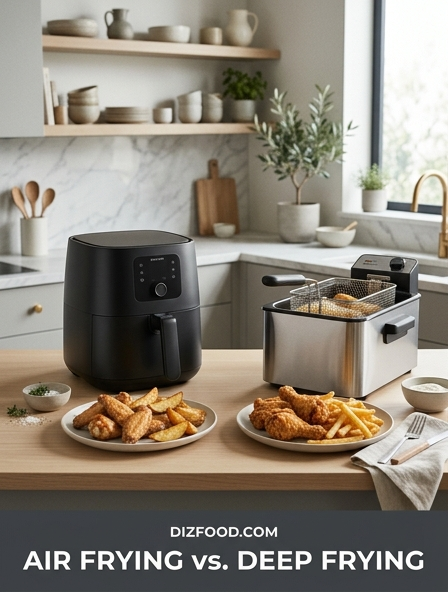
Ever wondered how to get that perfect, golden-brown shatter without the greasy cleanup? In the battle of Air Frying vs. Deep Frying, the secret to achieving the ultimate crispy crunch lies in how heat interacts with surface moisture. While deep frying submerges food in boiling oil for an instant, decadent seal, air frying utilizes high-powered convection fans to circulate superheated air, mimicking the Maillard reaction with a fraction of the fat. Whether you're chasing the nostalgic indulgence of a traditional chip shop or the guilt-free snap of modern convection technology, understanding these heat transfer methods is the key to mastering your kitchen's crunch factor while balancing health and flavor.
| Feature | Deep Frying | Air Frying |
|---|---|---|
| Cooking Method | Total oil submersion (conduction) | Rapid hot air circulation (convection) |
| Oil Usage | 2-4 liters per batch | 0-1 tablespoon per batch |
| Calorie Content | High (significant oil absorption) | Up to 70-80% fewer calories |
| Texture Profile | Rich, moist interior; heavy crunch | Dry, light snap; airy texture |
| Avg. Cook Time | 3-5 mins (after long preheat) | 10-20 mins (instant start) |
| Safety & Cleanup | High splatter risk; oil disposal needed | Enclosed unit; dishwasher-safe parts |
The Health Impact: Comparing Fat and Calorie Content
The primary driver behind the surge in air fryer popularity is the significant reduction in dietary fat and caloric intake compared to traditional deep frying. When food is submerged in a vat of hot oil, it acts like a sponge, absorbing significant quantities of lipids. This process can increase the calorie density of a single serving by hundreds of percent. Air frying, conversely, utilizes a fine mist of oil or no oil at all, relying on high-velocity air to trigger the Maillard reaction. This results in a finished product that typically contains 70% to 80% less fat than its deep-fried counterparts.
Beyond simple calorie counting, the health impact extends to chemical compositions formed during high-heat cooking. Deep frying at sustained high temperatures can lead to the formation of acrylamide, a compound classified as a probable carcinogen. Because air fryers use less oil and often cook at slightly lower temperatures or for shorter durations, the concentration of these harmful compounds is often significantly lower. The comparative health benefits are summarized below:
- Fat Reduction: Air frying requires only a tablespoon of oil compared to liters for deep frying.
- Caloric Density: Deep-fried foods are significantly more calorie-dense due to oil retention in the breading.
- Heart Health: Lower intake of saturated and trans fats found in reused frying oils reduces cardiovascular strain.
- Chemical Safety: Reduced risk of acrylamide formation during the cooking process.
How It Works: Convection vs Immersion Cooking
Understanding the mechanical differences between these two methods requires a look at thermal transfer. Deep frying relies on immersion cooking, where hot oil acts as the medium for heat. Because liquid is much more efficient at conducting heat than air, the oil surrounds the food entirely, delivering an immediate and intense thermal shock. This causes the moisture on the surface of the food to evaporate instantly, creating a steam barrier that prevents the oil from penetrating too deeply while simultaneously hardening the exterior into a crust. This constant, high-energy contact ensures a very fast and even cook across all submerged surfaces.
Air frying is a misnomer; it is essentially highly concentrated convection baking. These machines contain a heating element and a powerful fan that circulates hot air at high speeds within a small, enclosed chamber. This "wind" strips away the cool moisture envelope that typically surrounds food, allowing the heat to penetrate and crisp the exterior through radiant heat and convection. While it mimics the results of frying, the heat transfer is less efficient than liquid immersion, meaning the "crunch" is achieved through dehydration of the surface rather than rapid oil-induced searing. The result is a lighter, dryer texture that lacks the heavy mouthfeel associated with oil-saturated cooking.
Achieving the Perfect Crunch: Texture and Flavor Profiles
The culinary debate often centers on the sensory experience of the "crunch." Deep frying produces a specific textural profile characterized by a shatteringly crisp exterior and a succulent, moisture-rich interior. The oil contributes a distinct richness and mouthfeel that air simply cannot replicate. Because the oil penetrates the crevices of breading, it creates a complex flavor profile where the fats interact with the sugars and proteins in the food, resulting in the savory "fried" taste that is globally coveted.
Air frying produces a different kind of crispness-one that is often described as "toasted" rather than "fried." The texture is lighter and more brittle. While highly effective for frozen pre-fried foods, which already contain a baseline level of oil, fresh foods cooked in an air fryer may sometimes feel dry if not monitored closely. However, many users prefer this cleaner flavor profile, as it allows the natural taste of the ingredients, such as potatoes or chicken, to shine through without being masked by the heavy flavor of frying oil. To optimize results in an air fryer, many chefs recommend the following:
- Light Coating: Using an oil sprayer to ensure an even, thin layer of fat.
- Agitation: Shaking the basket frequently to ensure air reaches all surfaces.
- Dry Surfaces: Patting food dry before cooking to accelerate the crisping process.
Safety First: Fire Risks and Kitchen Hazards
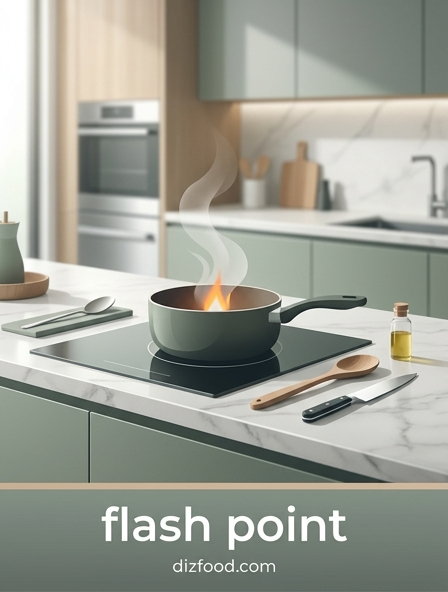
Safety is a critical differentiator between these two kitchen methods. Deep frying is widely considered one of the most hazardous activities in a home kitchen. The presence of a large volume of oil heated to 350°F or higher poses a significant fire risk. If the oil reaches its flash point, it can spontaneously ignite, and attempting to extinguish an oil fire with water leads to explosive grease fires. Furthermore, the risk of severe burns from splashing or spilling hot oil is a constant concern, especially in households with children or pets.
Air fryers provide a much safer alternative due to their enclosed design. The heating elements are shielded, and the cooking process takes place within a contained basket that minimizes the risk of external burns. Most modern air fryers include auto-shutoff timers and overheat protection sensors, which significantly reduce the likelihood of a kitchen fire. While they do produce significant heat and require proper ventilation to prevent damage to countertops, they eliminate the most dangerous variables associated with traditional frying. There is no boiling liquid to spill, no open flame required for heating, and no risk of a "boil-over" when adding frozen foods with high moisture content into the cooking chamber.
Cooking Speed and Energy Efficiency Breakdown
When analyzing kitchen efficiency, the air fryer generally wins in terms of total time and energy consumption for small to medium batches. A deep fryer requires a significant amount of time to bring several liters of oil up to the necessary temperature, often taking 15 to 20 minutes before cooking can even begin. Once the cooking is finished, the oil retains heat for a long time, which can increase the ambient temperature of the kitchen and require careful handling. Air fryers, due to their small internal volume and powerful fans, typically preheat in less than three minutes, and many models do not require preheating at all.
| Metric | Air Fryer | Deep Fryer |
|---|---|---|
| Preheat Time | 2-5 Minutes | 15-20 Minutes |
| Energy Usage | Lower (1.5 kWh avg) | Higher (2.5+ kWh avg) |
| Cooking Speed | Fast for small items | Instant once submerged |
| Heat Dissipation | Rapid cooldown | Very slow cooldown |
While the actual "submerged" cooking time in a deep fryer is often faster than the "air-circulated" time, the total turnaround time from start to finish is almost always shorter with an air fryer. This makes it the superior choice for quick weeknight meals or rapid snacks.
Essential Equipment: Space and Maintenance Requirements
The footprint of these appliances can vary wildly, but both require dedicated counter or storage space. Air fryers have become increasingly "multicooker" in nature, with many models offering roasting, dehydrating, and baking functions, which can justify their presence on a countertop. They are generally self-contained and vertical, making them easier to store in standard cabinetry. Maintenance is relatively straightforward, involving the cleaning of a non-stick basket and an occasional wipe-down of the heating element.
Deep fryers are often more cumbersome and single-purpose. They require space not just for the unit itself, but for the storage of large quantities of oil. Maintenance is significantly more labor-intensive; the oil must be filtered after use to remove food debris, and the entire vat must be scrubbed to remove the sticky, polymerized grease that accumulates over time. Additionally, the heating elements in deep fryers can be difficult to clean if they are not removable. For the average home cook, the versatility of the air fryer outweighs the specialized utility of the deep fryer, which is often relegated to occasional use for specific recipes or parties.
The Best Foods for Air Frying vs Deep Frying
Not all foods are created equal when it comes to these two methods. Air fryers excel at cooking items that are already breaded, frozen, or naturally contain some fat. They are also excellent for roasting vegetables, which gain a charred, caramelized exterior that is difficult to achieve in a standard oven. However, air fryers struggle with "wet" batters. If you dip a piece of fish in beer batter and place it in an air fryer, the batter will drip through the basket before it has a chance to set, resulting in a sticky mess and a naked piece of protein.
Deep frying is the king of wet batters and tempura. The instant heat of the oil sets the batter immediately, puffing it up into a light, crispy shell. It is also the superior choice for high-volume cooking, such as frying a whole turkey or large batches of donuts. For those looking to decide which method to use, consider these food categories:
- Best for Air Frying: Frozen fries, chicken wings, Brussels sprouts, chickpeas, and reheated pizza.
- Best for Deep Frying: Beer-battered fish, homemade donuts, mozzarella sticks with fresh breading, and funnel cakes.
- Universal: Bone-in chicken pieces and thick-cut potatoes (though the results will differ in texture).
Cost Comparison: Oil Expenses and Long Term Savings
The financial aspect of frying is often overlooked. Deep frying is a surprisingly expensive habit due to the cost of oil. A standard home deep fryer can require 2 to 4 liters of oil per fill. Depending on the type of oil used-such as peanut, canola, or grapeseed-this can cost anywhere from $5 to $15 per session. While oil can be reused a few times if filtered properly, it eventually breaks down and must be replaced. Over a year of weekly use, a deep fryer can cost a household hundreds of dollars in oil alone.
| Expense Item | Air Fryer | Deep Fryer |
|---|---|---|
| Initial Purchase | $60 - $200 | $40 - $150 |
| Oil Usage | Negligible | High (Liters per use) |
| Electricity | Moderate | High (Heating large mass) |
| Waste Disposal | None | Costs for containers/disposal |
Air fryers, by comparison, have a higher upfront cost for premium models but virtually zero operating costs beyond electricity. A single bottle of oil can last an air fryer user a year or more. When calculating the total cost of ownership, the air fryer pays for itself within the first few months of regular use simply by eliminating the need for bulk oil purchases.
Cleaning and Disposal: Managing Mess and Kitchen Waste
The aftermath of cooking is where the two methods diverge most sharply. Deep frying creates a significant management problem: what to do with the used oil. It cannot be poured down the sink, as it will clog pipes and damage municipal sewage systems. Users must wait for the oil to cool, filter it into a container, and eventually find a way to dispose of it or recycle it at a grease collection center. Furthermore, the act of deep frying often leaves a fine film of grease on kitchen surfaces, walls, and curtains due to the vaporized oil particles.
Air fryers are designed for easy cleanup. Most baskets are coated with non-stick material and are dishwasher safe. Because there is no large volume of oil, there is no disposal struggle. The primary waste is simply a small amount of rendered fat from the food itself, which can be wiped away with a paper towel. To keep an air fryer in top condition, users should follow these steps:
- Allow the basket to cool for ten minutes after cooking.
- Remove the grate and soak both parts in warm, soapy water.
- Use a soft sponge to avoid scratching the non-stick coating.
- Wipe the interior of the unit to prevent grease buildup on the fan.
The Final Verdict: Choosing the Best Method for Your Lifestyle
The choice between air frying and deep frying ultimately depends on your priorities: health and convenience versus tradition and uncompromising texture. For the vast majority of home cooks, the air fryer is the clear winner for daily use. It offers a "good enough" crunch with a fraction of the calories, far less mess, and significantly higher safety margins. It is the ideal tool for busy families, health-conscious individuals, and those living in small apartments where oil odors and storage space are major concerns.
However, the deep fryer remains an essential tool for the culinary purist. There are certain dishes, particularly those involving wet batters or traditional pastries, that simply cannot be replicated by blowing hot air. If you host large gatherings or have a passion for authentic fried delicacies, the deep fryer is a worthy occasional-use appliance. Most modern kitchens benefit from having an air fryer as a staple workhorse, while reserving deep frying for special occasions where the indulgent flavor of oil-submerged cooking is the star of the show. Your lifestyle, your health goals, and your patience for cleanup will dictate which machine earns a permanent spot on your counter.

Comments