
The Chemistry of Frying Heat
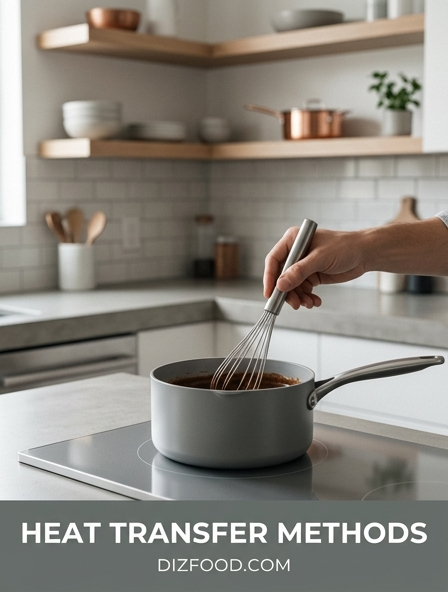
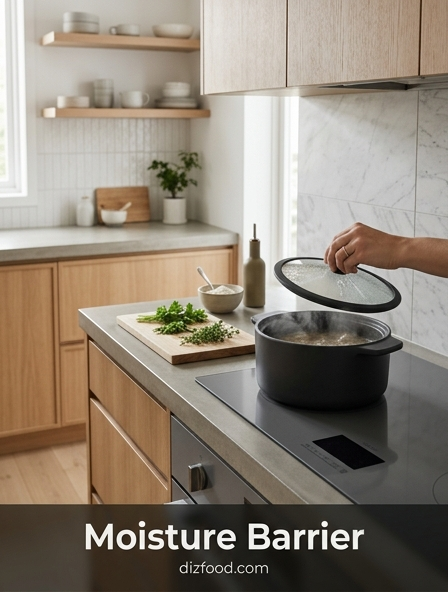
Frying is a high-intensity dry-heat cooking method that utilizes fat as a medium for energy transfer. Unlike boiling, which is capped at 212°F, frying typically occurs between 325°F and 375°F. This process involves simultaneous heat and mass transfer; heat moves from the oil into the food via convection and conduction, while moisture within the food migrates outward as steam. As the surface temperature rises, the water vaporizes rapidly, creating a "steam barrier" that prevents the oil from immediately saturating the interior.
The chemical transformation of the oil itself is a critical component of this process. Continuous heating causes triglycerides to break down into free fatty acids, glycerol, and polar compounds. These breakdown products eventually alter the surface tension of the oil, affecting how it interacts with the food surface. Proper heat management ensures that the food cooks thoroughly without the oil degrading into harmful volatile compounds.
- Convection: The movement of hot oil circulating around the food.
- Conduction: Direct contact between the hot oil and the food's surface.
- Evaporation: The exit of moisture which facilitates crust formation.
Optimizing Oil Smoke Points
The smoke point of a culinary fat is the specific temperature at which it begins to decompose, releasing visible smoke and acrolein, a pungent compound. Reaching this threshold signals the degradation of the oil's flavor and nutritional profile, as well as the potential formation of free radicals. Selecting an oil with a smoke point at least 50°F higher than the intended cooking temperature provides a necessary safety margin for thermal stability.
| Oil Type | Smoke Point (°F) | Best Use Case |
|---|---|---|
| Extra Virgin Olive Oil | 325°F - 375°F | Sautéing and drizzling |
| Canola Oil | 400°F | General frying and baking |
| Grapeseed Oil | 420°F | High-heat searing |
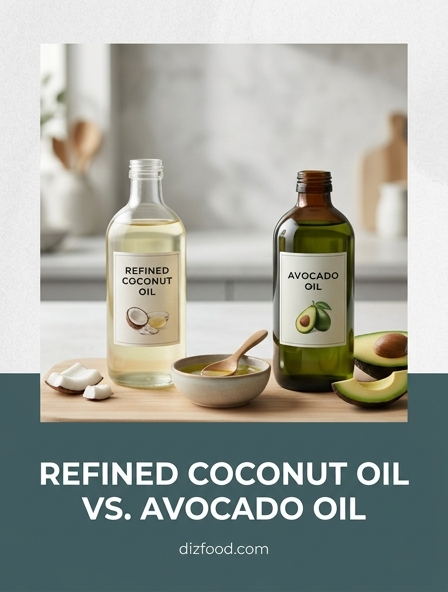
| Avocado Oil (Refined) | 520°F | Very high-heat applications |
Refined oils generally possess higher smoke points than unrefined versions because the refining process removes impurities, minerals, and free fatty acids that would otherwise burn at lower temperatures. Understanding these limits is essential for maintaining the structural integrity of the lipids during high-heat transfer.
Maillard Reaction Flavor Dynamics
The Maillard reaction is a non-enzymatic browning process that occurs when reducing sugars and amino acids are exposed to heat. This complex chemical dance begins around 285°F and is responsible for the savory, "meaty" flavors and golden-brown colors found in fried and seared foods. In a kitchen context, managing the rate of this reaction is key to balancing flavor development against the risk of carbonization or bitterness.
- Condensation: The carbonyl group of a sugar reacts with the amino group of an amino acid.
- Rearrangement: The resulting molecules undergo Amadori rearrangements to form various intermediate compounds.
- Polymerization: These intermediates react further to produce melanoidins, the brown pigments that provide color.
Factors such as pH level and moisture significantly influence the Maillard reaction. An alkaline environment accelerates the process, which is why baking soda is sometimes added to onions to speed up caramelization. Conversely, excess moisture inhibits the reaction by keeping temperatures capped at the boiling point of water, highlighting the importance of drying food surfaces before frying.
Managing Moisture for Crispness
Crispness in fried food is the result of creating a porous, dehydrated crust. When food hits hot oil, the internal water turns to steam and escapes through microscopic channels. This exit of steam prevents the oil from entering the food while simultaneously drying out the exterior cells. To achieve maximum crispness, the rate of evaporation at the surface must exceed the rate of moisture migration from the interior of the food.
- Surface Area: Increasing the surface area through batters or breading provides more sites for evaporation.
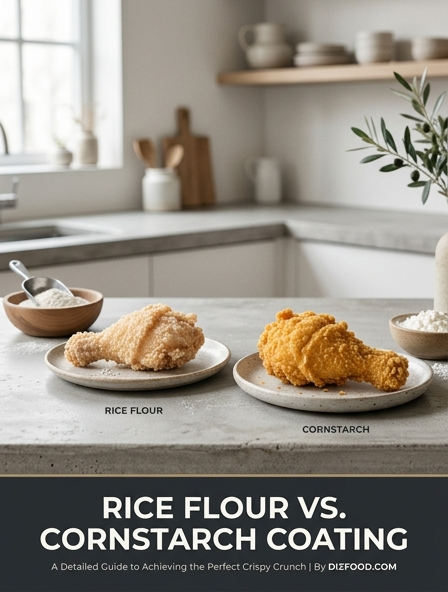
- Starch Selection: High-amylose starches, like cornstarch, create a more rigid and brittle structure than flour alone.
- Initial Temperature: Starting with cold or frozen food can sometimes lead to oil temperature drops, resulting in a soggy texture.
If the oil temperature is too low, the steam pressure is insufficient to keep the oil out, leading to heavy, greasy results. Proper moisture management often involves a "double-fry" technique: the first pass cooks the interior, while the second high-heat pass flash-evaporates remaining surface moisture for a durable crunch.
Nutrient Retention During Frying
While often viewed as unhealthy, frying can be an effective method for preserving certain nutrients compared to boiling or steaming. Because frying is a rapid process, the exposure time to heat is minimized. Furthermore, since frying uses fat rather than water, water-soluble vitamins such as Vitamin C and B-complex vitamins are less likely to leach out into the cooking medium. However, the high temperatures can degrade heat-sensitive antioxidants and phytonutrients if not carefully monitored.
The type of food and the fat used play a significant role in the nutritional outcome. For example, frying vegetables in healthy fats can actually increase the bioavailability of fat-soluble vitamins (A, D, E, and K) and carotenoids. To optimize nutrient retention, cooks should focus on the following:
- Using fresh, stable oils to prevent the transfer of oxidized lipids to the food.
- Maintaining an optimal temperature to reduce the duration of heat exposure.
- Minimizing the surface-to-volume ratio of the food items to protect the interior.
Reducing Acrylamides in Cooking
Acrylamide is a chemical compound that can form in starchy foods during high-temperature cooking processes like frying, roasting, and baking. It is a byproduct of the Maillard reaction, specifically involving the amino acid asparagine and reducing sugars like glucose or fructose. Because acrylamide is considered a potential carcinogen, reducing its formation is a priority in food science and kitchen management. The most effective strategies involve controlling the temperature and the duration of the "browning" phase.
- Soaking: Immersing sliced potatoes in water for 30 minutes reduces the surface starch and sugars available for the reaction.
- Blanching: Pre-cooking in water leaches out asparagine before the high-heat frying stage begins.
- Color Monitoring: Aiming for a golden-yellow color rather than a dark brown significantly lowers acrylamide levels.
Storage also matters; storing potatoes in the refrigerator can increase their reducing sugar content through "cold-induced sweetening," which subsequently leads to higher acrylamide formation during frying. Keeping potatoes in a cool, dark pantry is preferred for safety.
Selecting Healthy Frying Fats
The health impact of fried food is largely dictated by the fatty acid profile and oxidative stability of the oil used. A healthy frying fat must resist oxidation and polymerization under high heat. While polyunsaturated fats (found in many vegetable oils) are often touted as healthy for heart health, they are chemically unstable and prone to breaking down into toxic aldehydes when heated repeatedly. Saturated and monounsaturated fats are generally more robust due to their chemical structure.
| Fat Category | Stability | Examples |
|---|---|---|
| Saturated | Very High | Coconut Oil, Ghee, Tallow |
| Monounsaturated | High | Olive Oil, Avocado Oil |
| Polyunsaturated | Low | Corn Oil, Soybean Oil |
For home kitchens, refined avocado oil or extra light olive oil are often considered the gold standard for high-heat frying due to their high smoke points and high monounsaturated fat content. These oils provide a balance between heart-healthy lipids and the thermal endurance required for searing and deep frying.
Heat Transfer and Searing
Searing is a technique used to develop flavor and texture through intense conduction. When a protein hits a preheated heavy pan, the high thermal mass of the pan transfers energy rapidly into the food's surface. A common culinary myth suggests that searing "locks in juices" by creating a seal; however, scientific observation shows that seared meat actually loses slightly more moisture than non-seared meat. The true value of searing lies in the flavor complexity generated by the Maillard reaction.
To achieve a perfect sear, the following steps are vital:
- Dry the Surface: Use paper towels to remove all surface moisture so energy goes toward browning rather than evaporating water.
- Preheat the Vessel: Ensure the pan has reached a temperature where the oil shimmers or just begins to smoke.
- Avoid Overcrowding: Placing too much food in the pan drops the temperature, causing the food to steam in its own juices rather than sear.
The result is a contrast in textures: a crisp, flavorful exterior and a tender, succulent interior.
Balancing Acidity and Salt
In the context of heat transfer and frying, acidity and salt are not just seasonings; they are functional ingredients that alter the chemistry of the food. Salt affects the protein structure, specifically the myosin in meat, allowing it to hold onto more moisture during the aggressive heat of frying. It also draws out surface moisture via osmosis, which must be dried off to ensure a proper crust. Acidity, on the other hand, provides a necessary sensory counterbalance to the richness of the fats absorbed during the frying process.
- Tenderization: Acidic marinades can break down connective tissues before heat is applied.
- Flavor Brightening: A splash of lemon juice or vinegar after frying cuts through the heavy lipid coating.
- Texture Modification: Adding acid to a batter can inhibit gluten development, leading to a more tender, flaky crust.
The strategic application of these two elements ensures that fried foods are neither bland nor overwhelmingly greasy, creating a balanced profile that highlights the results of the heat transfer.
Controlling Oil Absorption Science
Oil absorption primarily occurs not during the frying process itself, but during the cooling phase. While the food is in the hot oil, the internal pressure of escaping steam acts as a shield, keeping the oil at the surface. As soon as the food is removed from the heat, the internal temperature drops and the remaining steam condenses. This creates a vacuum effect that pulls the surface oil into the porous crust of the food.
- Vigorous Shaking: Removing excess oil immediately upon lifting the food from the fryer.
- Absorbent Materials: Placing fried items on wire racks or paper towels to allow surface oil to drain before the vacuum effect takes hold.
- Temperature Maintenance: Ensuring the oil stays at the target temperature so the steam barrier remains strong until the very end.
By understanding this "cooling suction" phenomenon, cooks can significantly reduce the total fat content of their dishes. Keeping the food hot until it is properly drained is the most effective way to ensure a light, crisp texture rather than a saturated, oily one.

Comments