
Choosing between a pasta bowl and a rimmed plate often comes down to the balance between elegant presentation and practical comfort. While the classic rimmed plate offers a sophisticated canvas for structured entrees and decorative garnishes, the rising popularity of the "blate"-or pasta bowl-has redefined modern dining. Pasta bowls feature high, curved sides that expertly contain sauces and maintain food temperature, making them the ultimate choice for cozy grain bowls, saucy noodles, or stews. In contrast, rimmed plates excel in formal settings where knife-and-fork precision is required for cutting proteins. Ultimately, the best addition to your dinner table depends on whether you prefer the functional, scoop-friendly depth of a bowl or the traditional, expansive layout of a formal plate.
| Feature | Pasta Bowl (Blate) | Rimmed Plate |
|---|---|---|
| Primary Shape | Shallow base with high, sloping walls. | Flat surface with a wide, raised outer edge. |
| Best For | Pasta, risottos, stews, and grain bowls. | Steaks, roasts, and deconstructed entrees. |
| Sauce Management | Excellent; prevents spills and overflow. | Limited; best for reductions and oils. |
| Heat Retention | High; compact shape keeps food warm longer. | Lower; flat surface allows faster cooling. |
| Utensil Usage | Optimized for spoons and forks. | Optimized for knife-and-fork cutting. |
| Dining Vibe | Casual, trendy, and comfort-focused. | Traditional, formal, and structured. |
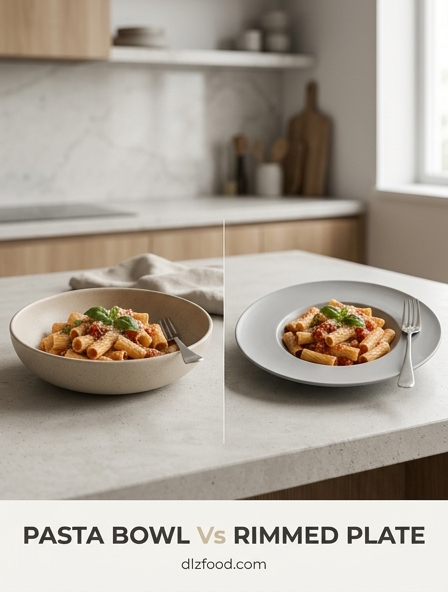
The Core Differences Between Pasta Bowls and Rimmed Plates
At first glance, the distinction between a pasta bowl and a rimmed plate might seem academic, but the geometry of these vessels fundamentally alters the dining experience. A standard rimmed plate is designed with a flat central surface and a wide, elevated edge. This architecture is intended to separate food components and provide a clear frame for the culinary presentation. In contrast, a pasta bowl-often referred to as a soup plate or a shallow bowl-features a curved basin that transitions smoothly from the center to the sides, typically lacking the distinct, flat outer rim of a traditional plate.
The primary structural differences can be categorized as follows:
| Feature | Pasta Bowl | Rimmed Plate |
|---|---|---|
| Depth | Deep, sloping sides (1.5-2.5 inches) | Shallow, flat surface (0.5-1 inch) |
| Surface Area | Concentrated at the base | Expansive across the diameter |
| Liquid Capacity | High; designed for emulsions | Low; prone to overflow |
While plates rely on surface area to display ingredients horizontally, pasta bowls utilize verticality. This depth allows for the tossing of noodles with sauces, ensuring that every strand is coated. The rimmed plate, however, offers more resistance to utensils when cutting proteins, as the flat surface provides a stable backdrop for knives and forks that the curved wall of a bowl cannot replicate.
Functional Benefits of Deep Pasta Bowls for Saucy Dishes
For dishes that lean heavily on liquids, such as Pappardelle bolognese or a creamy Carbonara, the deep pasta bowl is functionally superior. The sloping walls serve a dual purpose: they contain the sauce to prevent splashing and provide a physical barrier that aids in the "twirling" technique used for long pasta. Without the high walls of a bowl, a thin sauce would migrate to the edges of a flat plate, cooling rapidly and potentially spilling over during transport from the kitchen to the table.
Key functional advantages of the deep bowl include:
- Sauce Concentration: Liquids pool at the bottom, keeping the pasta submerged and preventing the dish from drying out.
- Easier Twirling: The curve of the bowl allows a fork to gain leverage against the side, making it easier to capture long noodles like spaghetti.
- Versatile Containment: These vessels easily accommodate "messy" ingredients like clams, mussels, or extra-large chunks of ragù without risk of displacement.
Beyond Italian cuisine, the deep pasta bowl functions effectively for stews, grain bowls, and salads with heavy dressings. The depth ensures that any residual liquid is held in the center, allowing the diner to incorporate it back into each bite. This containment is especially useful for casual dining environments, such as eating on a sofa or at a small bistro table, where the risk of spills is higher and stability is paramount.
Why Professional Chefs Prefer Rimmed Plates for Plating
In fine dining, the rimmed plate is often the preferred canvas for a chef's culinary art. This preference stems from the concept of "negative space." The wide, flat rim acts as a frame, drawing the eye toward the center of the dish and highlighting the precision of the placement. On a rimmed plate, a chef can deconstruct a dish, placing a protein next to a puree rather than on top of it, which allows the diner to experience distinct flavors and textures individually.
Chefs utilize the rimmed plate for several specific techniques:
- Precision Garnish: Micro-greens, edible flowers, and herb oils can be placed with surgical precision on a flat surface.
- Sauce Swooshes: A flat plate allows for the use of a spoon or offset spatula to create aesthetic "swooshes" or dots of sauce that would simply pool at the bottom of a bowl.
- Structural Height: On a flat surface, chefs can stack ingredients to create vertical interest without the walls of a bowl obscuring the view.
Furthermore, rimmed plates provide a clean area for servers to grip the dish without touching the food. The rim remains cool to the touch and free of debris, maintaining a high standard of hygiene and presentation. For a complex dish where the interplay of textures-crunchy, creamy, and soft-is vital, the separation afforded by a rimmed plate prevents ingredients from becoming a singular, homogenized mass, which is a common risk when serving on a deep bowl.
The Rise of the Blate as a Versatile Dining Essential
The "blate"-a portmanteau of "bowl" and "plate"-has recently taken the culinary world by storm, effectively bridging the gap between the two traditional forms. Also known as a coupe pasta bowl or a rimless soup plate, the blate features a wide, flat bottom like a plate but has curved sides that rise just enough to contain sauces. This hybrid design has become a staple in modern households because it accommodates the way people eat today: often a mix of grains, greens, and proteins in a single "power bowl" style.
The popularity of the blate is driven by its incredible versatility. It is large enough to serve as a dinner plate for a steak or a roasted chicken breast, yet deep enough to handle a hearty serving of risotto or a large salad. For many, the blate has rendered the traditional dinner plate obsolete because it offers the security of a bowl with the cutting surface of a plate. It is the ultimate "one-dish" vessel that minimizes the need for multiple types of dinnerware.
From an aesthetic perspective, the blate fits perfectly into the "modern organic" trend. Its lack of a formal rim gives it a minimalist, sleek look that complements contemporary kitchen designs. Whether you are serving a formal multi-course meal or a quick weeknight stir-fry, the blate provides a relaxed yet sophisticated backdrop. It is particularly favored by food photographers and influencers because it offers a wide view of the food while providing just enough depth to create shadows and dimension in the shot.
Portion Control and Surface Area Comparison
The choice between a pasta bowl and a rimmed plate can significantly influence how much we eat, thanks to a psychological phenomenon known as the Delboeuf illusion. This illusion suggests that the perceived size of a portion is relative to the size of the vessel it is served in. On a large, wide-rimmed plate, a standard serving of pasta might look small, leading the diner to add more to fill the "empty" space. Conversely, the same amount of pasta in a deep bowl may appear more substantial because it fills the container to the brim.
Consider the following surface area and volume dynamics:
- Plates: Distribute food horizontally, making the portion look thinner and more spread out. This can lead to faster cooling and a perceived lack of abundance.
- Bowls: Consolidate food vertically, creating a dense "peak" of food that looks hearty and filling.
- The Rim Factor: Wide rims on plates create a visual boundary that subtracts from the usable food area, often tricking the eye into thinking the plate is smaller than it actually is.
If the goal is portion control, the pasta bowl is often the better choice. By containing the food in a smaller circumference, the bowl provides a sense of "wholeness" to the meal. However, for those looking to practice mindful eating, the rimmed plate allows for a clearer view of everything being consumed. You can see each component of the meal laid out, which can help in balancing macronutrients like proteins, fats, and carbohydrates visually before the first bite is taken.
Best Pasta Shapes for Each Type of Dinnerware
The marriage of pasta shape and dinnerware is a tradition deeply rooted in Italian culinary logic. The goal is to ensure the pasta remains at the ideal temperature and the sauce is distributed efficiently. Using the wrong vessel can result in a pool of sauce at the bottom or, conversely, a dry and clumpy mess. Understanding which shape belongs where can elevate a home-cooked meal to a professional standard.
When to use a Pasta Bowl:
- Short, Tubular Shapes: Penne, Rigatoni, and Ziti thrive in bowls where they can be tossed with chunky sauces.
- Small Shapes: Orzo, Farfalle, and Fusilli benefit from the depth of a bowl, which keeps the small pieces gathered together.
- Filled Pastas: Tortellini and Ravioli served in broth (en brodo) require the volume of a bowl to hold the liquid.
When to use a Rimmed Plate:
- Long, Thin Strands: Spaghetti, Linguine, and Capellini are traditionally served on plates to allow the long noodles to be spread out slightly, preventing them from becoming a tangled, gummy mass.
- Wide Ribbons: Pappardelle or wide Fettuccine can be elegantly swirled into "nests" on a flat plate, showcasing the texture of the pasta.
- Sheet Pasta: Lasagna or Cannelloni must be served on a flat plate to maintain their structural integrity and allow for easy cutting with the side of a fork.
Heat Retention and Temperature Control Differences
Thermodynamics play a significant role in the choice between a bowl and a plate. The rate at which food loses heat is directly proportional to its exposed surface area. A rimmed plate, by design, spreads food out over a wide area. This increases the contact with the air, leading to rapid cooling. While this might be desirable for a dish meant to be eaten at room temperature or for children who need their food to cool quickly, it is often a disadvantage for hot pasta dishes.
Pasta bowls excel at heat retention for several reasons:
- Volume-to-Surface Area Ratio: By stacking the food vertically, only the top layer is exposed to the air, while the interior layers stay insulated by the surrounding food and the warm ceramic walls.
- Wall Thickness: Pasta bowls generally have more mass than the center of a plate, and when pre-heated, they can radiate warmth back into the food for a longer duration.
- Steam Trapping: The curved sides of a bowl help trap a small pocket of steam directly above the food, further slowing the cooling process.
For dishes like Risotto, which is notoriously sensitive to temperature changes, the bowl is the essential choice. In a flat plate, the starches in the risotto can "set" too quickly as they cool, losing the desirable creamy, flowing consistency. In a bowl, the risotto stays "all'onda" (wavy) for the duration of the meal. Conversely, a rimmed plate is superior for seared items like scallops or steak where you want to prevent residual steam from softening the crisp exterior.
Stackability and Kitchen Storage Solutions
When choosing dinnerware, one must consider the practicalities of the kitchen cabinet. Rimmed plates are the undisputed kings of stackability. Because they are relatively flat, you can stack twelve or more plates in a very small vertical footprint. Their uniform shape and low profile mean they fit easily into standard dishwasher tines and don't require much clearance between shelves. For those with limited kitchen space, a set of rimmed plates is the most efficient choice.
Pasta bowls, however, present a unique storage challenge. Due to their depth and sloping sides, they do not nest as tightly as plates. A stack of six pasta bowls can often take up the same vertical space as twelve plates. Furthermore, if the bowls have a "foot" or a specific base design, they may wobble when stacked too high, risking chips or breakage. When purchasing pasta bowls, it is vital to check if they are designed to "nest" specifically, as some artisanal or handmade versions may have irregular shapes that make stacking nearly impossible.
To optimize storage for both, consider the following:
- Plate Racks: Use vertical dividers to store rimmed plates on their sides, freeing up shelf height.
- Nesting Sets: Look for bowls that are described as "nesting" to ensure they fit snugly into one another.
- Mixed Stacking: Some modern dinnerware sets are designed so that the pasta bowl can sit perfectly on top of the dinner plate, allowing you to store them as units.
Durability and Material Considerations for Everyday Use
The durability of your dinnerware depends more on the material than the shape, but the shape can influence where chips are most likely to occur. Rimmed plates are particularly vulnerable at the edges. Because the rim is the thinnest part of the plate and sticks out the furthest, it is the most likely to strike the side of a sink or a dishwasher rack. In contrast, pasta bowls often have reinforced, rounded edges that are more resilient to peripheral impact.
Common materials include:
| Material | Pros | Cons |
|---|---|---|
| Porcelain | Non-porous, very hard, classic look. | Can be brittle; prone to snapping. |
| Stoneware | Heavy, durable, excellent heat retention. | Can be bulky; prone to "crazing" or tiny cracks. |
| Bone China | Lightweight but incredibly strong. | Usually more expensive; often requires hand washing. |
| Melamine | Virtually unbreakable; great for outdoors. | Not microwave-safe; can feel "cheap." |
For everyday use, vitrified porcelain is often the best balance of price and performance for both plates and bowls. If you frequently use your pasta bowls for heavy, rustic stews, stoneware provides a comforting weight and superior durability. However, if you prefer the elegance of a rimmed plate for formal dinners, bone china offers a delicate translucency that belies its surprising strength. Always ensure that the "well" of your pasta bowl is glazed smoothly, as rough surfaces can cause "fork screech" and make cleaning dried sauce difficult.
Choosing the Right Dinnerware for Your Entertaining Style
Ultimately, the choice between a pasta bowl and a rimmed plate should reflect your personal style and the atmosphere you wish to create. If your entertaining style is casual, communal, and focused on "comfort food," a set of high-quality pasta bowls (or blates) is indispensable. They invite guests to dig in, allow for easy movement around the room, and feel less "stuffy" than a traditional multi-piece place setting. They are perfect for the modern "family style" dinner where large platters are passed around and everyone helps themselves.
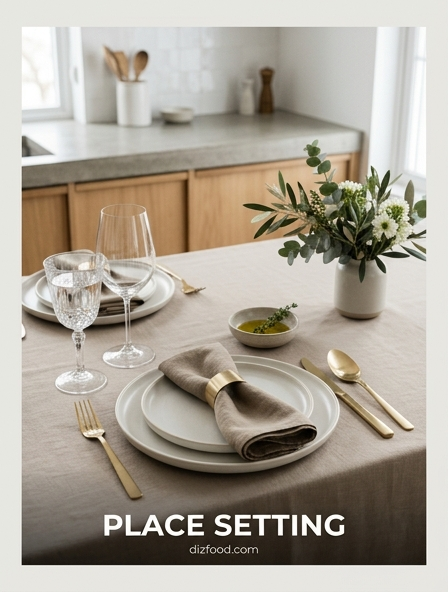
On the other hand, if you enjoy hosting formal dinner parties, celebratory holiday meals, or multi-course tasting menus, the rimmed plate is essential. It provides a level of ceremony and structure that a bowl cannot. The presence of a rimmed plate signals a "sit-down" affair where the presentation of the food is just as important as the taste. Using a rimmed plate also allows you to layer your table setting with chargers, salad plates, and bread plates, creating a visually rich "tablescape" that defines traditional elegance.
To decide which is right for you, ask yourself these three questions:
- How do I eat? If you eat at a table every night, plates are great. If you often eat on the couch or at a kitchen island, bowls are safer.
- What do I cook? If your repertoire is 80% stir-fry, pasta, and salads, prioritize bowls. If you cook a lot of roasts and grilled meats, prioritize plates.
- What is my storage capacity? If space is at a premium, a versatile set of blates might be the only dinnerware you actually need.

Comments