
The Evolution of Hybrid Dinnerware
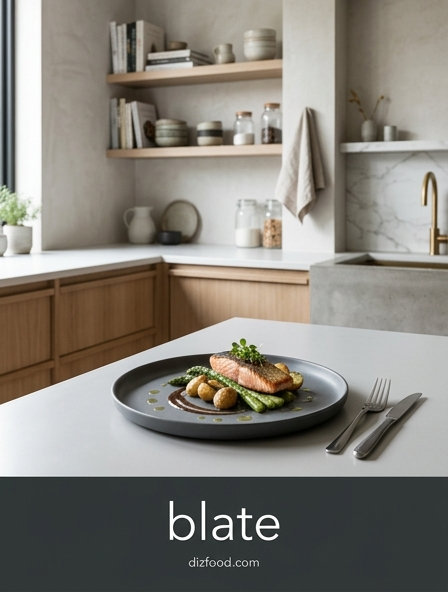
The culinary landscape has witnessed a significant shift in how we perceive the tools of consumption. Historically, dinnerware was strictly divided between the flat expanse of the plate and the deep, narrow confines of the bowl. However, as global dining habits became more fluid and diverse, the "blate" emerged as a necessary innovation. This hybrid vessel combines the wide surface area of a plate with the raised, protective edges of a bowl, filling a functional gap that traditional sets often ignored. Its evolution reflects a move toward minimalism and practicality in the modern kitchen.
- Origin: Adapted from classic pasta bowls used in Mediterranean cultures.
- Development: Refined with flatter bases to allow for knife usage.
- Adoption: Popularized by professional chefs looking for "frame-like" plating.
- Mainstream Success: Now a staple in modern households for its "one-dish-fits-all" utility.
This evolution was driven by the desire for a single piece of stoneware that could handle a wide variety of textures. By merging two distinct silhouettes, the blate has redefined the standard place setting, proving that specialized dinnerware can indeed be versatile enough for every meal of the day.
Mastering the Art of Sauce Containment
One of the primary frustrations of traditional flat plates is the inevitable migration of sauces, jus, and gravies toward the table or the user's clothing. The blate addresses this issue through calculated geometry. By providing a shallow basin, it ensures that liquids remain centered, allowing the protein or starch to stay submerged in flavor without the risk of overflow. This is particularly crucial for dishes that utilize thin emulsions or heavy cream bases that tend to spread rapidly across a flat surface.
| Feature | Traditional Plate | Blate Hybrid |
|---|---|---|
| Edge Height | 0.5 inches or less | 1.5 to 2.5 inches |
| Sauce Capacity | Low (Spills easily) | High (Contained) |
| Texture Separation | High (Dry foods only) | High (Saucy foods) |
The containment factor also preserves the temperature of the dish. Because the sauce is pooled rather than spread thin, it retains heat for longer periods, ensuring that the last bite is as warm as the first. This functional design choice elevates the eating experience from a cautious effort to a relaxed enjoyment of the meal's complex flavors.
Why Flat Plates Fail Modern Meals
Standard flat plates were designed for a era of "meat and three veg" dining, where components were meant to remain isolated. Modern culinary trends, however, favor bowls of grains, vibrant salads, and layered pasta dishes. On a flat plate, these components often feel unmoored and difficult to manage. The lack of a vertical wall makes it nearly impossible to scoop small items like peas, rice, or quinoa without pushing them off the edge of the dish.
- Structural Instability: Loose grains and small vegetables easily roll off the flat perimeter.
- Temperature Loss: Increased surface area exposure leads to rapid cooling of hot foods.
- Incompatibility: Difficult to use for "bowl food" trends like Buddha bowls or Poke.
- Inconvenience: Requires more effort to "chase" food around the plate with a fork.
Furthermore, flat plates are notoriously difficult to use while sitting on a sofa or standing at a social gathering. They require a stable, level surface at all times to prevent spills. This rigidity fails the contemporary eater who values flexibility and comfort during mealtime. As our dining environments move away from the formal table, the limitations of the flat plate become increasingly apparent.
The Ergonomic Benefits of High Edges
Ergonomics in the kitchen often focuses on tools like knives and pans, but the ergonomic design of the vessel itself is equally vital. High edges on a blate serve as a natural backstop, allowing for effortless one-handed eating. This design is particularly beneficial for children, the elderly, or anyone multitasking during a meal. The wall of the dish provides the necessary resistance to load a fork or spoon, reducing the fine motor coordination required to secure food. This leads to a more intuitive and less stressful dining experience.
Beyond the ease of scooping, the raised rim provides a secure grip for transport. Unlike a flat plate, which requires balance and steady hands to avoid spills, the blate offers a deep center of gravity. Whether you are carrying a meal from the kitchen to the patio or holding it while nestled in a chair, the structure provides a sense of security. The high edges also act as a heat shield for the hands, as the bulk of the thermal energy is concentrated in the base, away from where the fingers typically rest on the rim. This thoughtful design prioritizes the physical comfort of the user over traditional aesthetic norms.
Elevating Culinary Presentation and Plating
In the world of professional gastronomy, the plate is the canvas. The blate offers a unique visual framing that traditional dinnerware lacks. Its deep, wide structure draws the eye toward the center of the dish, creating a focal point that highlights the textures and colors of the food. The vertical walls provide a "frame" that adds a sense of depth and dimension to the presentation. This is especially effective for colorful salads, vibrant curries, or intricately layered pastas where the height of the food can be mirrored by the height of the dish.
- Verticality: Encourages building food upward rather than outward.
- Negative Space: The sloping sides create a clean border around the meal.
- Color Contrast: Often produced in matte finishes that make ingredients "pop."
- Uniformity: Provides a consistent look for varied menu items.
Chefs often prefer the blate because it masks imperfections in portioning. A smaller serving that might look lost on a massive flat plate feels substantial and nestled within the confines of a hybrid vessel. This psychological effect enhances the perceived value of the meal, making even a simple midweek dinner feel like a curated culinary event.
Versatility Across Global Cuisines
The blate is perhaps the most culturally inclusive piece of dinnerware available today. Its design seamlessly accommodates the specific requirements of various global cuisines, from the heavy broths of East Asia to the thick stews of North Africa. Because it functions as both a plate and a bowl, it eliminates the need for specialized sets for different types of meals. Whether serving a dry risotto or a wet curry, the blate provides the perfect environment for the food to be enjoyed as intended.
| Cuisine Type | Common Dish | Blate Advantage |
|---|---|---|
| Italian | Pappardelle | Keeps noodles coiled and warm. |
| Indian | Butter Chicken | Contains gravy while allowing for naan dipping. |
| American | Steak & Mash | Prevents juices from soaking into the starch. |
| Mexican | Chilaquiles | Maintains chip crunch while holding salsa. |
This cross-functional utility makes it the ultimate tool for the modern, adventurous cook. It bridges the gap between different eating styles, ensuring that no matter the origin of the recipe, the serving vessel is never a hindrance to the flavor or the experience.
The Science of Mess Free Dining
The "mess-free" nature of the blate is not just a marketing claim; it is a result of fluid dynamics and physics. When a person eats from a flat surface, any lateral force applied to the food can result in it sliding off the edge. In a blate, the curved or angled walls redirect that force upward, keeping the food contained within the diameter of the dish. This is essential when dealing with slippery items like noodles or cherry tomatoes, which are prone to escaping the confines of traditional plates.
- Centripetal Containment: Gravity and wall resistance keep liquids centered.
- Splatter Reduction: High walls catch small splatters during cutting or mixing.
- Surface Tension: Prevents oil and water-based sauces from breaking the "edge barrier."
Furthermore, the blate minimizes the "drip" factor. When moving a fork from the dish to the mouth, the shorter distance and the protective wall reduce the likelihood of sauce dripping onto the table. This makes for a cleaner dining environment and less cleanup after the meal. By understanding how food moves under the pressure of utensils, the blate provides a scientifically superior solution for daily dining.
Blending Bowl Depth with Plate Surface
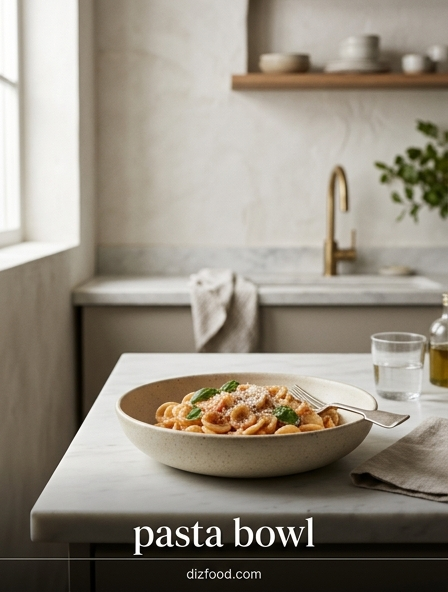
The magic of the blate lies in its specific proportions. Unlike a traditional bowl, which has a small base and high, steep sides, the blate features a wide, flat bottom. This flat surface is critical because it allows for the use of a knife and fork without the food collapsing into a pile in the center. You can cut a chicken breast or a steak just as easily as you would on a flat plate. However, once the cutting is done, the depth comes into play, offering the comforting embrace of a bowl.
This architectural blend means that the blate can hold a substantial volume of food without looking overcrowded. It maximizes the usable surface area while maintaining a compact footprint in the cabinet. Designers often experiment with the "slope" of the walls-some preferring a sharp, modern angle and others a gentle, organic curve. This variety allows users to choose a style that matches their specific dining preferences, whether they prioritize maximum volume or a sleek, low-profile look. It is the perfect compromise for those who find bowls too restrictive and plates too exposed.
Sustainable Style for the Modern Kitchen
Sustainability in the kitchen is often associated with the food we eat, but the longevity and utility of our dinnerware are equally important. The blate promotes a minimalist lifestyle by reducing the total number of items needed in a kitchen. Instead of owning sets of salad plates, dinner plates, and pasta bowls, a household can rely on a single, high-quality set of blates. This "less is more" approach reduces waste and the energy required for manufacturing and shipping multiple dinnerware lines.
- Durability: Typically made from high-fired stoneware or porcelain for longevity.
- Efficiency: Occupies less vertical space in dishwashers and cupboards.
- Timelessness: Simple designs avoid the trend-cycles of seasonal dinnerware.
- Multi-use: Transitions from prep-bowl to serving-dish to dinner-plate.
By investing in versatile pieces that serve multiple functions, consumers can curate a kitchen that is both stylish and environmentally conscious. The blate represents a shift away from disposable or overly specialized goods toward durable, multi-functional tools that stand the test of time. It is a stylish solution for the modern home that values both form and ecological footprint.
Revolutionizing the Daily Eating Experience
Ultimately, the blate is more than just a piece of ceramic; it is a lifestyle upgrade. It acknowledges that the way we eat has changed. We are more likely to eat while catching up on the news, sitting on the patio, or enjoying a casual bowl of pasta on the sofa than we are to host formal six-course dinners. The blate is the dinnerware for this reality. It provides the freedom to eat anywhere without compromising on the quality of the presentation or the cleanliness of the environment.
As we continue to blur the lines between different meal types and dining locations, the hybrid nature of the blate becomes even more relevant. It encourages a more relaxed, sensory-focused approach to food. When you don't have to worry about your sauce spilling or your peas rolling away, you can focus entirely on the flavors and the company. The blate has successfully revolutionized the daily eating experience by proving that sometimes, the best solution is found right in the middle of two extremes. It is the definitive vessel for the modern culinary age.

Comments