
Setting the perfect table often leads to a common question: should you opt for durable flatware or invest in the timeless elegance of silverware? While "flatware" serves as an inclusive term for modern eating utensils-typically crafted from resilient stainless steel-true "silverware" refers specifically to pieces made from at least 92.5% sterling silver, offering a distinct luster and heirloom quality. Choosing the better option for your dining room involves balancing your daily lifestyle and budget against a desire for long-term investment; while flatware excels in convenience and dishwasher safety, silverware provides a sophisticated weight and appreciative value that can last generations. Ultimately, your choice hinges on whether you prioritize the "set it and forget it" ease of contemporary alloys or the classic, hand-polished charm of precious metals.
| Feature | Flatware (Stainless Steel) | Silverware (Sterling) |
|---|---|---|
| Material | Chrome-Nickel Alloys (18/10, 18/0) | 92.5% Pure Silver + 7.5% Copper |
| Price Point | Budget-friendly ($20-$200 per set) | Premium Investment ($500-$5,000+) |
| Durability | High; rust and corrosion resistant | Soft metal; prone to scratches/dents |
| Maintenance | Dishwasher safe; zero polishing | Hand wash only; requires regular polishing |
| Resale Value | Low (Utility value only) | High (Intrinsic precious metal value) |
| Best For | Daily meals and busy households | Formal occasions and family heirlooms |
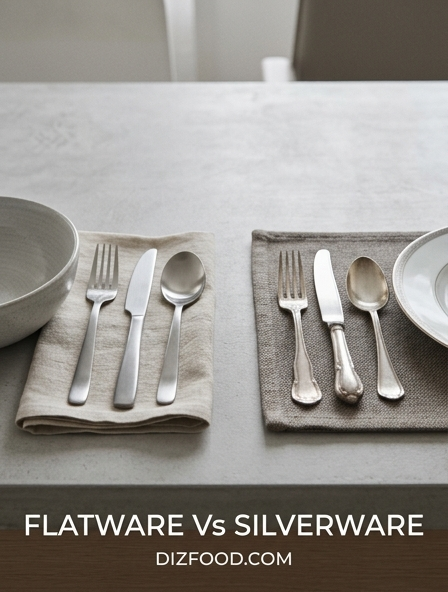
Understanding the Core Differences Between Flatware and Silverware
In the world of culinary terminology, the words flatware and silverware are often used interchangeably, yet they carry distinct meanings that reflect both material composition and social history. Flatware is an umbrella term that refers to any utensil used for eating or serving food at a table, including spoons, forks, and knives. The name originates from the relatively "flat" shape of these tools compared to hollowware, such as bowls, pitchers, or teapots. While flatware can be made from a variety of materials, including wood, plastic, or various metals, it serves as the general classification for these essential dining implements.
Silverware, conversely, is a specific subset of flatware. Historically and technically, the term refers to utensils made from sterling silver or silver-plated metals. Because silver was the standard for high-quality dining for centuries, the word became synonymous with the tools themselves, leading many people to call their stainless steel utensils "silverware" out of habit. However, from a collector's or jeweler's perspective, calling a chrome-plated fork silverware is a misnomer. Understanding this distinction is crucial when purchasing sets, as the label "silverware" often implies a higher price point and a specific set of maintenance requirements that general flatware does not possess.
- Flatware: General term for spoons, forks, and knives regardless of material.
- Silverware: Utensils specifically crafted from or coated in silver.
- Hollowware: Table items with volume, like creamers and sugar bowls.
Materials and Composition Stainless Steel vs Sterling Silver
The primary difference between modern flatware and traditional silverware lies in the metallurgical composition. Most contemporary households utilize stainless steel flatware due to its durability and resistance to corrosion. Stainless steel is an alloy of iron, carbon, and chromium, often with added nickel to enhance luster and prevent rust. In contrast, sterling silver is a precious metal alloy consisting of 92.5% pure silver and 7.5% other metals, typically copper, to provide structural strength. While pure silver is too soft for daily use, sterling silver offers a heavy, luxurious feel that develops a unique patina over time.
When shopping for stainless steel, you will often see numbers like 18/10 or 18/0. These ratios represent the percentage of chromium and nickel, respectively. A higher nickel content generally equates to a higher quality product that retains its shine and resists pitting. Sterling silver does not use this numbering system; instead, it is identified by hallmarks. Silver-plated items occupy a middle ground, featuring a base metal like brass or copper that has been electroplated with a thin layer of pure silver, offering the appearance of silver at a fraction of the cost.
| Material Type | Composition | Key Benefit |
|---|---|---|
| Stainless Steel 18/10 | 18% Chrome, 10% Nickel | High luster and rust resistance |
| Stainless Steel 18/0 | 18% Chrome, 0% Nickel | Affordability and magnetic properties |
| Sterling Silver | 92.5% Silver, 7.5% Copper | Heirloom quality and investment value |
| Silver-Plated | Base metal with silver coating | Affordable elegance |
The Historical Evolution of Dining Utensils
The tools we use at the dinner table today have evolved significantly over thousands of years, transitioning from primitive survival tools to symbols of status and refinement. The knife is the oldest of the three main utensils, originally used as both a weapon and a tool for hunting. For centuries, diners used their own personal knives to cut meat, often eating with their hands. Spoons followed shortly after, inspired by natural shapes like seashells or hollowed-out pieces of wood. By the Roman era, spoons were being crafted from metals like bronze and silver for the elite, though the general population continued to use organic materials.
The fork is the relative newcomer to the Western table. While used in the Byzantine Empire as early as the 4th century, it was initially mocked in Europe as being unnecessarily decadent or "effeminate." It wasn't until the Renaissance in Italy that the fork gained widespread acceptance, eventually traveling to France and England. The Industrial Revolution marked the most significant shift in dining history, as it allowed for the mass production of flatware. This era saw the rise of electroplating and later the invention of stainless steel in the early 20th century, which democratized dining sets and moved silver from a daily necessity for the rich to a specialty item for formal occasions.
- Prehistoric Era: Knives emerge as multi-purpose tools.
- Ancient Rome: Metal spoons become common among the wealthy.
- Renaissance: The fork is introduced to Western European dining.
- 19th Century: Electroplating makes "silver" accessible to the middle class.
- 1913: Stainless steel is invented, revolutionizing household flatware.
Price Point Breakdown Value vs Initial Investment
The financial commitment required for a set of table utensils varies wildly depending on whether you choose flatware or true silverware. Stainless steel flatware is generally viewed as a functional purchase with high value. A high-quality 18/10 stainless steel set for twelve can range from $100 to $500. This is considered a "one-time" purchase for many, as the material does not degrade easily. Because these sets are mass-produced through industrial stamping or forging, the labor cost is relatively low, making them accessible to almost every budget.
Sterling silver, however, is an investment in a precious metal. A single five-piece place setting of sterling silver can cost more than an entire 60-piece set of stainless steel. The price of silverware is tied to the fluctuating market value of silver, as well as the craftsmanship involved in hand-finishing the intricate patterns. While the initial cost is significantly higher-often reaching thousands of dollars for a full service-sterling silver retains intrinsic value. It can be sold for its metal weight or passed down as a family heirloom. Silver-plated sets offer a compromise, usually costing between $200 and $800, providing the look of luxury without the full investment of solid precious metal.
Essential Care Tips for Polished Silver and Daily Flatware
Maintenance is the area where flatware and silverware differ most dramatically. Stainless steel flatware is designed for the modern lifestyle; it is almost universally dishwasher safe. To keep it looking its best, users should avoid using detergents with lemon or acidic additives, which can occasionally cause pitting. It is also recommended to dry the utensils immediately after the wash cycle to prevent water spots. If a stainless steel knife develops small rust spots, these can usually be removed with a non-abrasive metal cleaner or a paste of baking soda and water.
Silverware requires a much more hands-on approach. Silver naturally tarnishes when exposed to sulfur in the air, resulting in a dark, dull film. To prevent this, silver should be stored in tarnish-resistant cloths or chests. While some modern silver-plated items claim to be dishwasher safe, the heat and harsh chemicals can quickly strip the silver layer or cause the metal to become brittle. Hand washing with a mild, phosphate-free soap is the gold standard for silver. Regular polishing with a specialized silver cream is necessary to maintain its brilliant white shine. Interestingly, using your silver frequently is one of the best ways to prevent heavy tarnish buildup, as the constant handling and washing keep the surface clean.
- Avoid soaking stainless steel for long periods to prevent corrosion.
- Use a soft microfiber cloth for drying silver to avoid scratches.
- Never use steel wool or abrasive pads on either material.
- Store silver in a cool, dry place away from direct sunlight.
Formal Dining Etiquette Silverware vs Everyday Flatware
Etiquette rules regarding utensils have traditionally been dictated by the material and the complexity of the meal. In formal dining, true silverware is the standard. The weight and balance of sterling silver are thought to enhance the dining experience, providing a tactile sense of occasion. According to traditional rules, the placement of utensils follows the order of use: from the outside in. The forks are placed to the left of the plate, while knives and spoons are placed to the right. If silverware is being used, it is expected that the host will ensure every piece is polished to a mirror finish, as tarnish is considered a sign of poor hospitality.
For everyday dining, flatware etiquette is more relaxed, yet the basic structural rules still apply. Stainless steel is appropriate for casual gatherings, outdoor dining, and daily family meals. While you might not use a specialized fish fork or marrow spoon in an everyday setting, the quality of the flatware still matters. A well-balanced stainless steel fork should feel substantial in the hand, not flimsy or sharp-edged. Regardless of the material, proper etiquette dictates that once a utensil is used, it should never touch the tablecloth again; instead, it should rest on the edge of the plate or in the "finished" position to signal to the server that the course is complete.
Pros and Cons of Stainless Steel Flatware for Families
For the vast majority of modern families, stainless steel flatware is the most logical choice for the kitchen. The primary advantage is durability. Families with children need utensils that can survive being dropped on tile floors, left soaking in the sink, or accidentally tossed in the trash. Stainless steel is incredibly resilient; it does not bend easily, and it does not react with acidic foods like tomatoes or vinegar. Furthermore, the sheer variety of designs available-from ultra-modern matte black finishes to traditional hammered textures-allows families to match their kitchen aesthetics without spending a fortune.
However, there are a few drawbacks to consider. Lower-grade stainless steel (like 18/0) can eventually develop rust spots if not cared for properly, and it lacks the "warmth" and prestige of real silver. Additionally, because it is mass-produced, if you lose a fork from a specific set five years later, it may be difficult to find an exact replacement if the pattern has been discontinued. Unlike silverware, which can be polished back to a brand-new state, deeply scratched stainless steel is difficult to repair. Despite these minor issues, the convenience of being able to throw an entire day's worth of cutlery into the dishwasher usually outweighs the aesthetic benefits of more delicate materials.
- Pro: Dishwasher safe and extremely low maintenance.
- Pro: Highly affordable for large sets.
- Con: Can develop water spots and surface scratches over time.
- Con: No resale or "melt" value compared to precious metals.
Is Your Silverware Real How to Identify Sterling Silver
Many people inherit "silver" sets from relatives and wonder if they are sitting on a valuable treasure or a simple plated set. Identifying real sterling silver requires a keen eye for hallmarks. In the United States, genuine sterling silver must be stamped with the word "Sterling" or the number "925," which signifies the 92.5% silver content. In the United Kingdom, you might see a "Lion Passant" symbol (a walking lion). If a piece is marked with "EPNS," it stands for Electroplated Nickel Silver, which means it is a base metal covered in a thin silver layer and holds significantly less value.
Beyond stamps, there are physical tests you can perform. Silver is non-magnetic; if a strong magnet sticks to your fork, it is likely made of a steel base and is not sterling. Another test is the "ice test." Silver is one of the best thermal conductors in the world. If you place an ice cube on a sterling silver spoon, the ice will begin to melt almost instantly, as if it were on a hot surface, because the silver is rapidly conducting heat toward the ice. Finally, silver has a distinct "ring" when gently tapped. If you hang a fork from a string and tap it with a coin, sterling silver will produce a long, bell-like chime, whereas plated metal will produce a dull thud.
The Longevity and Durability of Modern Tableware
When discussing longevity, it is important to distinguish between structural durability and aesthetic longevity. Modern 18/10 stainless steel is virtually indestructible in a domestic setting. It is engineered to withstand high temperatures and harsh detergents without losing its structural integrity. The nickel content provides a "self-healing" property where the chromium oxide layer reforms if the surface is scratched, preventing deep corrosion. This makes it the champion of durability for high-traffic kitchens where utensils are used multiple times a day.
Sterling silver offers a different kind of longevity. While it is softer and prone to bending or scratching if mishandled, it is an heirloom material. A silver spoon from the 1800s can look just as beautiful today as it did then if it has been polished regularly. Unlike stainless steel, which can look "dated" or lose its finish, silver develops a patina-a microscopic web of scratches that gives the metal a soft, glowing luster. In the long run, silver is more sustainable because it is never thrown away; it is either repaired, polished, or recycled for its metal content. Modern PVD (Physical Vapor Deposition) coatings are also becoming popular for flatware, adding layers of titanium to create gold, rose gold, or black finishes that are much harder than traditional plating, bridging the gap between style and extreme durability.
Choosing the Best Set for Your Lifestyle and Budget
Selecting the right utensils involves balancing your aesthetic preferences with the reality of your daily routine. If you are a busy professional or have a large family, a high-quality 18/10 stainless steel flatware set is the most practical investment. Look for "forged" rather than "stamped" pieces; forged utensils are made from a thick bar of metal and are stronger and better balanced than those stamped out of a flat sheet. Pay attention to the weight-a fork that feels too light often feels "cheap" to guests, regardless of its actual price.
If you host formal dinner parties or wish to start a family tradition, consider beginning a collection of sterling silver or high-end silver plate. You do not have to buy a 100-piece set all at once; many people collect one place setting at a time. For those who want the look of silver without the maintenance, "easy-care" silver-plated options exist, though they will never have the same resale value as sterling. Ultimately, the best set is one that you feel comfortable using. If you own beautiful silverware but are too afraid of tarnish to ever take it out of the box, it isn't serving its purpose. Choose a set that elevates your dining experience while fitting seamlessly into your cleaning habits and storage capacity.
| Lifestyle | Recommended Choice | Reasoning |
|---|---|---|
| Busy Family | 18/10 Stainless Steel | Durability and dishwasher safety |
| First Apartment | 18/0 Stainless Steel | Low cost and functional |
| Fine Dining Enthusiast | Sterling Silver | Aesthetic beauty and tradition |
| Frequent Entertainer | Silver-Plated or PVD Steel | High style with manageable care |

Comments