
Mastering the Art of the Framed Canvas
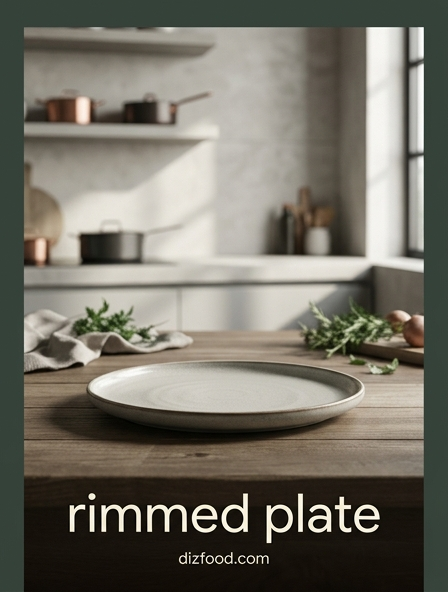
The rimmed plate serves as the ultimate framed canvas in the culinary world, providing a definitive boundary that separates the meal from the rest of the table environment. This architectural feature is not merely decorative; it functions as a visual transition zone that prepares the diner's eye for the presentation within. By utilizing the structured border of a wide-rimmed plate, chefs can create a sense of scale and importance for even the smallest portions. The rim acts as a psychological barrier, ensuring that the focus remains strictly on the composition at the center, much like a matte provides depth to a framed photograph.
Furthermore, the physical structure of the rim provides a clean "white space" that enhances the colors and textures of the ingredients. When a dish is framed correctly, the vibrant greens of a puree or the deep seared browns of a protein appear more vivid against the neutral background of the porcelain edge. This mastery of framing allows for a more controlled dining experience, where the dish is presented as a singular, cohesive piece of art rather than a disorganized collection of ingredients. The rimmed plate remains a fundamental tool for those looking to elevate the aesthetic value of their kitchen service.
Defining Negative Space on the Wide Rim
Negative space is a critical component of professional plating, and the rimmed plate is the primary vehicle for achieving this balance. The "well" of the plate holds the food, while the wide rim provides the necessary void that prevents the presentation from feeling cluttered or overwhelming. Properly utilizing this negative space allows the eye to rest and then refocus on the intricate details of the culinary work. Without the clear definition provided by a rim, food can often appear to float aimlessly on a flat surface, losing its impact and structural integrity.
- Creates a visual buffer between the table linen and the food.
- Directs the diner's gaze toward the center of the plate.
- Allows for cleaner wiping of the plate edges before service.
- Provides a sense of luxury and portion control.
In high-end gastronomy, the ratio of food to negative space is carefully calculated. A wide rim provides the chef with more room to experiment with minimalism. By leaving the rim entirely bare, the chef emphasizes the cleanliness and precision of the kitchen. This intentional use of emptiness communicates a level of sophistication and confidence in the quality of the ingredients being served, ensuring that nothing distracts from the primary flavors.
Precision Placement for Culinary Focal Points
The geometry of a rimmed plate naturally dictates a central focal point, making it the ideal choice for dishes that require high precision. Because the well of the plate is clearly defined by the inner edge of the rim, there is an inherent guide for the chef to follow. Placing the main component of a dish slightly off-center can create a dynamic sense of movement, but the traditional approach involves grounding the focal point within the circular boundaries of the well. This ensures that the most important elements of the meal are positioned exactly where the diner expects them to be, facilitating a natural flow for the tasting experience.
Precision placement also involves the layering of components. On a rimmed plate, the height of the dish becomes more apparent because it is measured against the horizontal plane of the rim. Chefs often use this verticality to build complex structures that would otherwise look unstable on a flat coupe plate. The rim provides a sense of security and enclosure, allowing for more adventurous stacking of ingredients. Whether it is a perfectly seared scallop or a delicate tower of microgreens, the structured environment of the rimmed dish ensures that every element serves a specific visual and functional purpose within the frame.
The Functional Elegance of Sauce Control
Beyond its aesthetic appeal, the rimmed plate is a masterpiece of functional design, particularly when it comes to the management of liquids and sauces. The distinct transition from the flat rim to the recessed well creates a physical barrier that prevents sauces from migrating toward the edge of the dish. This is especially vital for dishes involving emulsions, jus, or purees that may have a thinner consistency. By containing these liquids within the center, the plate maintains a clean and organized appearance throughout the entirety of the meal, preventing unsightly spills or smears on the table.
| Sauce Type | Rim Benefit | Visual Impact |
|---|---|---|
| Thin Jus | Prevents runoff | Maintains clear borders |
| Thick Puree | Provides a backdrop | Enhances color contrast |
| Oil Droplets | Keeps centered | Creates artistic patterns |
The control offered by the rim also allows for more creative sauce applications. Chefs can utilize the "inner wall" of the rim to pool sauces deeply or to create a base layer that coats only the bottom of the well. This containment ensures that the sauce remains an accompaniment to the food rather than a distraction that reaches the diner's fingers when they touch the plate edge. The functional elegance of the rimmed plate thus bridges the gap between high-concept art and practical dining utility.
Ergonomics and Service Etiquette of Rimmed Dishes
In a professional kitchen and dining room, the ergonomics of the plate are just as important as its appearance. Rimmed plates are designed with the server in mind, providing a dedicated "landing zone" for fingers that does not interfere with the food itself. This design is crucial for maintaining hygiene and ensuring that the presentation remains pristine from the pass to the table. When a server carries a rimmed plate, their thumbs naturally rest on the wide edge, keeping them away from the hot well and the delicate ingredients within.
- Servers can grip the plate firmly without touching the food.
- The wide rim acts as a heat buffer for the hands.
- Diners can use the rim to stabilize the plate while cutting.
- Clearing the table is more efficient with a consistent grip area.
From the diner's perspective, the rim provides a comfortable place to rest utensils between bites without them sliding into the center of the dish. This contributes to proper table etiquette and a more relaxed dining pace. The physical distance created by the rim also protects the diner from heat, as the outer edges of the plate tend to remain cooler than the center where the hot food is placed. This thoughtful consideration of human interaction makes the rimmed plate a staple of formal service.
Balancing Symmetry in Formal Table Settings
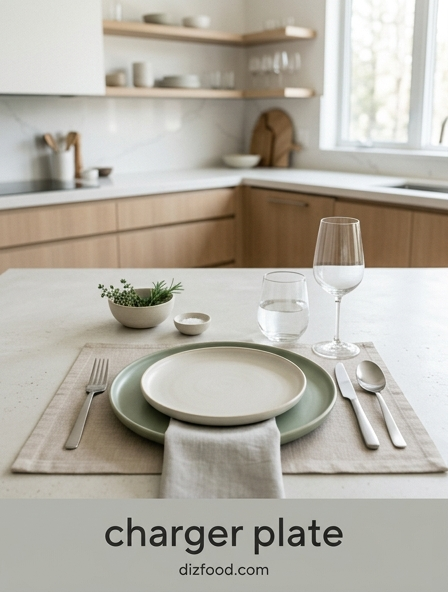
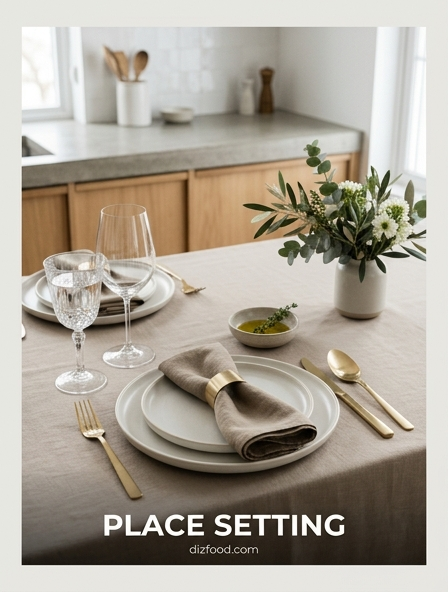
In formal dining settings, the rimmed plate is the cornerstone of a balanced table arrangement. Because the rim provides a consistent circular or oval silhouette, it allows for perfect alignment with other tabletop elements such as silverware, glassware, and chargers. Symmetry is a hallmark of fine dining, and the geometric regularity of rimmed dishes facilitates a sense of order and calm. When multiple plates are laid out for a large banquet, the uniformity of the rims creates a rhythmic visual pattern that enhances the overall decor of the room.
Achieving balance also involves the interaction between the plate's diameter and the size of the table. A wide rim can make a standard portion size look more substantial, which is useful in multi-course tasting menus where smaller portions are the norm. The rim fills the visual gap between the diner and the food, ensuring that the table never feels empty or sparse. By aligning the "12 o'clock" position of the plate with the center of the chair, staff can ensure a perfectly symmetrical experience for every guest, reinforcing the professionalism of the establishment and the precision of the kitchen's execution.
Highlighting Texture Through Structural Contrast
The contrast between the smooth, polished surface of a porcelain rim and the organic, varied textures of food is a powerful tool for any chef. Rimmed plates provide a neutral, structured environment that highlights the tactile qualities of the ingredients. For example, the crisp skin of a piece of fish or the crumbly texture of a dehydrated soil stands out more prominently when set against the flat, unmoving plane of a wide rim. This structural contrast adds a layer of sensory complexity to the dish, encouraging the diner to appreciate the physical characteristics of what they are eating.
- Smooth glaze vs. crunchy garnishes.
- Flat borders vs. three-dimensional food heights.
- Glossy finishes vs. matte sauce textures.
- Standard circular rims vs. irregular artisanal ingredients.
Modern plating often plays with these contrasts by using textured or patterned rims to complement the food. A rim with a subtle embossment can mimic the patterns found in nature, such as ripples in water or the veins of a leaf, further connecting the plate design to the culinary theme. By choosing a plate with the right structural qualities, a chef can amplify the perceived freshness and craftsmanship of the dish, making the textures feel more intentional and refined.
Classic Porcelain Standards for Professional Plating
The material of a rimmed plate is just as vital as its shape. Professional-grade porcelain is the industry standard for several reasons, including its durability, heat retention, and color neutrality. In a high-volume kitchen, rimmed plates must withstand the rigors of constant washing, stacking, and rapid temperature changes. The rim itself adds a level of structural integrity to the plate, making it less prone to chipping compared to thinner, rimless designs. This durability ensures that the plates remain in service for longer, providing a better return on investment for the restaurant.
| Property | Benefit for Kitchens |
|---|---|
| High Alumina Content | Extreme chip resistance |
| Vitrified Surface | Non-porous and hygienic |
| Thermal Shock Resistance | Safe for oven-to-table use |
| Consistent Glaze | Scratch-resistant from cutlery |
Furthermore, the classic white porcelain rimmed plate remains the preferred choice for many chefs because it does not compete with the food's natural colors. The bright, reflective quality of the glaze bounces light onto the ingredients, making them appear more appetizing. While colored or textured ceramics have their place in modern bistros, the white rimmed plate remains the "gold standard" for professional plating, offering a timeless aesthetic that suits any culinary style from classic French to modern molecular gastronomy.
The Geometry of Fine Dining Presentation
Fine dining is often a study in geometry, and the rimmed plate is the fundamental unit of this mathematical approach to beauty. The concentric circles created by the outer rim and the inner well provide a natural framework for radial symmetry. Chefs often use these invisible lines to guide the placement of garnishes, creating patterns that radiate outward from the center or follow the curve of the inner rim. This geometric precision creates a sense of harmony and balance that is inherently pleasing to the human eye, suggesting that the meal has been prepared with the utmost care and attention to detail.
Beyond circles, rimmed plates also come in square and rectangular shapes, offering different geometric possibilities. A square rimmed plate provides sharp corners that can be used to contrast with round food items, creating a modern and architectural look. Regardless of the shape, the presence of the rim establishes a set of "rules" for the presentation. It defines the boundaries of the playable space, forcing the chef to think critically about how the shapes of the food interact with the lines of the plate. This rigorous focus on geometry is what elevates a standard meal into a world-class dining experience.
Elevating Minimalist Aesthetics with Structured Borders
Minimalism in the kitchen relies on the idea that "less is more," and a structured rimmed plate is the perfect tool to execute this philosophy. When there are only a few elements on the plate, those elements must be presented with absolute clarity. The wide rim provides a sense of abundance and luxury even when the portion size is small, as the border fills the visual field and frames the food as something precious. This structured border prevents a minimalist dish from looking unfinished or meager, giving it a sense of purpose and presence on the table.
- Focus on a single, high-quality protein or vegetable.
- Use the rim to contain a single, perfect sweep of sauce.
- Keep the rim entirely clear of any crumbs or spills.
- Rely on the plate's own shadow and light to add depth.
By using a rimmed plate, a chef can achieve a high-end look with minimal effort, provided the execution is flawless. The structured border acts as a final touch that polishes the presentation, ensuring that the minimalist aesthetic feels intentional rather than accidental. In a world of cluttered and over-complicated dishes, the clean lines and clear boundaries of a rimmed plate offer a refreshing return to simplicity, elegance, and focused culinary storytelling.



Comments