
Best Materials for Durable Serving Bowls
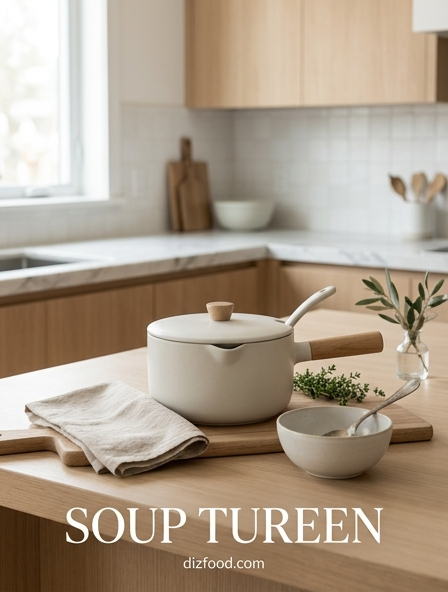
Selecting the right material for serving bowls and soup tureens is essential for ensuring longevity and maintaining the desired temperature of your culinary creations. For formal occasions, high-fired porcelain remains the gold standard. It is remarkably dense, non-porous, and resistant to chipping, making it an ideal choice for a sophisticated soup tureen that must withstand frequent use. Stoneware offers a more rustic appeal, known for its incredible heat retention and artisanal textures, which are perfect for hearty stews and family-style side dishes.
- Porcelain: Known for its delicate appearance but surprising strength and stain resistance.
- Stoneware: Provides a heavy, durable feel with excellent thermal properties for oven-to-table serving.
- Stainless Steel: Offers a contemporary look and is virtually indestructible, ideal for outdoor hosting.
- Tempered Glass: A versatile option that allows guests to see the vibrant layers of salads or trifles.
If durability is your primary concern, particularly in high-traffic kitchens or homes with children, melamine is a practical alternative. While it lacks the heat-safe properties of ceramic, it is nearly shatterproof and comes in a variety of patterns that mimic traditional materials.
Choosing the Right Size for Every Dish
The functionality of a serving vessel is largely determined by its capacity and dimensions. Using a bowl that is too small can lead to messy spills, while a vessel that is too large can make a portion look unappealingly sparse. When selecting a soup tureen, a three-to-four-quart capacity is generally sufficient for a standard dinner party of six to eight people. For larger gatherings or holiday feasts, opting for a five-quart model ensures that every guest can receive a generous serving without constant trips back to the kitchen.
| Vessel Type | Standard Capacity | Recommended Usage |
|---|---|---|
| Individual Soup Bowl | 12-16 ounces | Personal portions of broth or bisque. |
| Small Serving Bowl | 1-1.5 quarts | Side vegetables, dips, or condiments. |
| Medium Tureen | 2.5-3.5 quarts | Family dinners and casual stews. |
| Large Punch/Salad Bowl | 5+ quarts | Entertaining large groups or leafy greens. |
Consider the depth of the bowl as well. Shallow bowls are better for pastas and grains, whereas deep, lidded tureens are essential for keeping liquids hot through multiple courses.
Elevating Your Table Setting Presentation
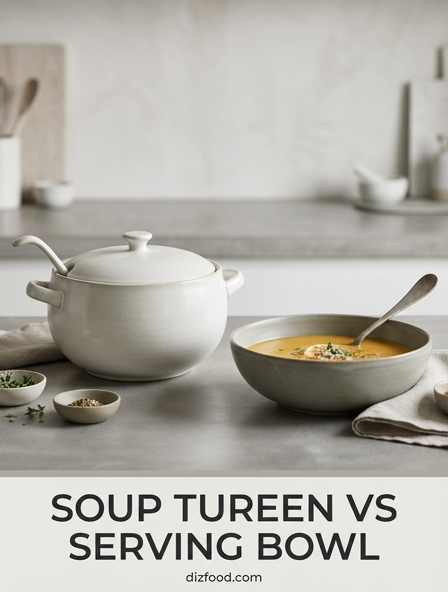
A well-chosen soup tureen acts as the centerpiece of a dining table, commanding attention and setting the tone for the entire meal. Beyond its practical use, the tureen symbolizes a sense of community and shared abundance. To elevate your presentation, consider the height and silhouette of your serving pieces. Using tiered stands or varying the heights of your bowls creates visual interest and makes the spread look more professional and curated. Adding a ladle that complements the metal accents of your dinnerware can further unify the aesthetic.
- The Focal Point: Place the largest tureen in the center or at the head of the table to anchor the design.
- Textural Contrast: Pair smooth ceramic bowls with linen napkins and wooden chargers for a layered look.
- Lid Etiquette: Keep the tureen covered until guests are seated to create a "reveal" moment and preserve heat.
- Garnishing: Use the wide rim of serving bowls to display fresh herbs or edible flowers that match the dish.
By coordinating the colors of your serving vessels with the seasonal theme of your home, you transform a simple dinner into a memorable event. Even a minimalist white tureen can look spectacular when surrounded by candles and seasonal greenery.
Top Serving Bowls for Large Salads
When serving large salads, the architecture of the bowl is just as important as the ingredients. A wide, shallow bowl is often superior to a deep, narrow one because it prevents the heavier ingredients, like nuts and dressing, from sinking to the bottom and disappearing. This shape also allows for more efficient tossing without bruising delicate greens. Wooden bowls, particularly those made from acacia or olive wood, are highly favored for salads because they add a warm, organic element to the table and are naturally lightweight.
- Acacia Wood: Naturally water-resistant and features a beautiful, varied grain.
- Bamboo: An eco-friendly, lightweight option that is easy to pass around a large table.
- Hammered Metal: Provides a reflective surface that makes colorful vegetables pop.
- Ceramic Rimmed: Ideal for "composed" salads where ingredients are arranged in rows rather than tossed.
To maintain the freshness of your greens, some modern serving bowls come with integrated cooling bases or double-walled insulation. This is especially useful for outdoor summer gatherings where maintaining a crisp temperature is a challenge. Always ensure your salad servers are long enough to rest against the side of the bowl without sliding in.
Stylish Ceramic Bowls for Modern Dining
Modern dining aesthetics favor clean lines, organic shapes, and a departure from overly ornate patterns. Contemporary ceramic serving bowls often feature matte finishes or reactive glazes that make each piece feel unique. These bowls bridge the gap between traditional craftsmanship and minimalist design, making them versatile enough for both a casual breakfast and a sophisticated evening dinner. A matte black or slate grey soup tureen, for instance, provides a dramatic backdrop for a vibrant orange carrot ginger soup or a creamy white chowder.
The "wabi-sabi" trend has also influenced modern kitchenware, where slight imperfections and asymmetrical edges are celebrated. These features add a human touch to the table setting, moving away from the coldness of mass-produced items. When selecting modern ceramics, look for "rimless" designs that maximize the interior surface area, giving the food more room to breathe. These pieces often stack more efficiently in cabinets, which is a significant advantage for those with limited kitchen space. Whether finished in a soft pastel or a bold, saturated hue, stylish ceramic bowls serve as functional art pieces that reflect the personality of the host.
Functional Decorative Bowls for Home Hosting
Hosting at home requires a balance between aesthetic charm and functional utility. Decorative bowls serve a dual purpose: they can house fruit or decorative baubles when not in use and transition seamlessly into serving vessels during a party. A silver-plated or copper-clad tureen, for example, looks stunning on a sideboard even when empty, reflecting light and adding a touch of luxury to the room's decor. When it is time to serve, these pieces become the stars of the buffet line.
- Multi-use Utility: A decorative bowl can hold rolls, chips, or even ice for chilling beverages.
- Seasonal Decor: Switch between heavy stoneware for winter and light, patterned porcelain for spring.
- Entryway Accents: Large serving bowls can double as "catch-all" spaces for keys and mail in the foyer.
- Tiered Options: Use decorative bowls of different sizes to create a vertical display of appetizers.
The key to successful hosting is versatility. By investing in decorative bowls that are food-safe, you reduce the need for excessive storage and ensure that every piece in your kitchen serves a meaningful purpose. Choosing designs with interesting textures, such as hobnail or fluted edges, ensures that the bowls remain visually engaging even without food.
Selecting Versatile Pasta and Noodle Bowls
Pasta and noodle dishes require a specific type of vessel that combines the depth of a bowl with the surface area of a plate. Often referred to as "blates," these versatile pieces are essential for modern kitchens. A good pasta bowl should have a wide rim to allow for easy twirling of spaghetti and a slightly concave center to hold sauces and broths without them spilling over the edge. For noodle soups like ramen or pho, a much deeper, steeper-sided bowl is required to keep the broth hot and accommodate large toppings.
- Wide-Rimmed Bowls: Perfect for pasta carbonara or risotto, providing space for garnishes.
- Deep Conical Bowls: Essential for Asian noodle soups, helping to concentrate heat.
- Coupe Shapes: Rimless designs that offer a modern, clean look for any grain-based dish.
- Insulated Ceramic: Keeps pasta warm for longer, which is vital for cream-based sauces.
When choosing these bowls, consider the "hand-feel." Since pasta and noodles are often eaten casually on a sofa or in a relaxed setting, the bowl should be comfortable to hold and not too heavy. High-quality stoneware is particularly effective here as it retains heat while remaining durable enough for daily use.
Heat Resistant Serving Bowls for Hot Sides
Keeping side dishes warm during a multi-course meal is a common challenge for hosts. Heat-resistant serving bowls, particularly those designed to go from oven to table, are the solution. Materials like borosilicate glass and heavy-gauge stoneware are engineered to withstand high temperatures without cracking or leaching chemicals. A lidded soup tureen is perhaps the most effective heat-resistant vessel, as the lid creates a vacuum-like seal that traps steam and moisture, ensuring the contents remain piping hot for second helpings.
| Material | Max Temp | Best For |
|---|---|---|
| Borosilicate Glass | 450°F | Casseroles and roasted vegetables. |
| Enameled Cast Iron | 500°F | Thick stews, chilis, and gratins. |
| Vitrified Ceramic | 400°F | Mashed potatoes and hot dips. |
| Insulated Steel | N/A (Passive) | Buffet-style serving without external heat. |
To further enhance heat retention, many hosts pre-warm their bowls in a low-temperature oven or by rinsing them with hot water before adding the food. This simple step prevents the cold ceramic from drawing heat away from the dish, ensuring a better dining experience.
Coordinating Serving Bowls with Dinnerware
Creating a cohesive table setting does not necessarily mean that everything must match perfectly. In fact, mixing and matching serving bowls with your primary dinnerware can result in a more dynamic and personalized look. The soup tureen, often being the largest item, can serve as the "bridge" between different styles. For example, if you have plain white plates, a tureen with a subtle blue pattern can introduce a color palette that you then echo with blue glassware or napkins.
- Color Families: Stick to a single hue but vary the shades and saturations across your bowls.
- Texture Mapping: Pair glossy dinner plates with matte-finished serving bowls for a tactile contrast.
- Thematic Unity: Use a common element, like a gold rim, to tie together disparate shapes and sizes.
- Neutral Bases: Keep your main tureen neutral to allow for vibrant, seasonal side bowls.
When coordinating, pay attention to the "visual weight" of the pieces. A heavy, dark stoneware bowl might overwhelm a set of delicate bone china plates. Aim for a balance where the serving pieces enhance the dinnerware rather than competing with it for attention. Ultimately, coordination is about creating a sense of intentionality in your table design.
Proper Maintenance for Long Lasting Bowls
To ensure your soup tureens and serving bowls remain in pristine condition for years, proper care and maintenance are vital. Even the most durable materials can be compromised by harsh chemicals or improper storage. Hand-washing is generally recommended for oversized items like tureens, as they can easily clatter against other dishes in a crowded dishwasher, leading to chips or hairline fractures. If you must use a dishwasher, ensure the pieces are securely positioned and not touching other hard surfaces.
- Avoid Thermal Shock: Never move a ceramic bowl directly from the refrigerator to a hot oven.
- Soft Cleaning: Use non-abrasive sponges to preserve the glaze and prevent scratching.
- Smart Storage: Use felt or paper plate dividers when stacking bowls to prevent bottom-rim scratches.
- Stain Removal: For stubborn food stains, a paste of baking soda and water is effective and gentle.
For wooden bowls, periodic seasoning with food-grade mineral oil is necessary to prevent the wood from drying out and cracking. For metallic or silver-plated tureens, occasional polishing with a specialized cloth will prevent tarnish and maintain that signature luster. By treating your serving collection with respect, you preserve its beauty and functionality for future generations.

Comments