
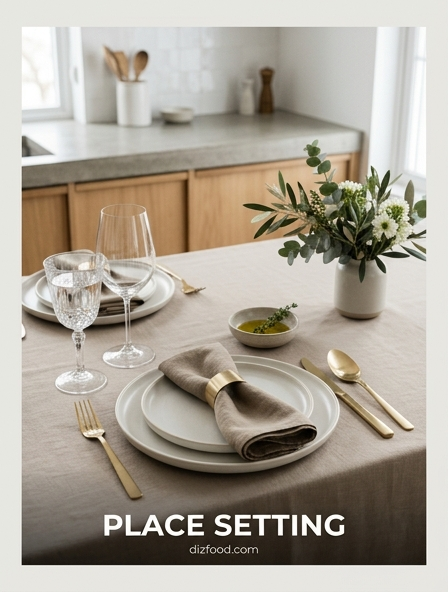
Essential Foundation of Premium Table Linens
The foundation of any sophisticated place setting begins with the selection of high-quality table linens. These textiles serve as the canvas for your culinary presentation, muffling the sound of flatware and providing a tactile sense of luxury. For formal occasions, a crisp white damask or a heavy-weight Belgian linen tablecloth is standard, ensuring the fabric hangs at least ten to twelve inches over the edge of the table. If the tabletop itself is a design feature, a structural table runner can define the central axis without concealing the wood or stone grain.
- Material Selection: Opt for natural fibers like flax linen or Egyptian cotton for superior breathability and drape.
- Padding: Utilize a "silencer" or heat-resistant table pad beneath the cloth to protect the surface and provide a cushioned feel.
- Ironing: Ensure all linens are pressed while slightly damp to achieve a flawless, wrinkle-free finish before guests arrive.
Beyond the primary cloth, matching or complementary placemats can add a layer of texture. In modern settings, mixing a rough-hewn linen runner with smooth cotton napkins creates a compelling sensory contrast that grounds the overall aesthetic.
Artful Layering of Fine China and Dinnerware
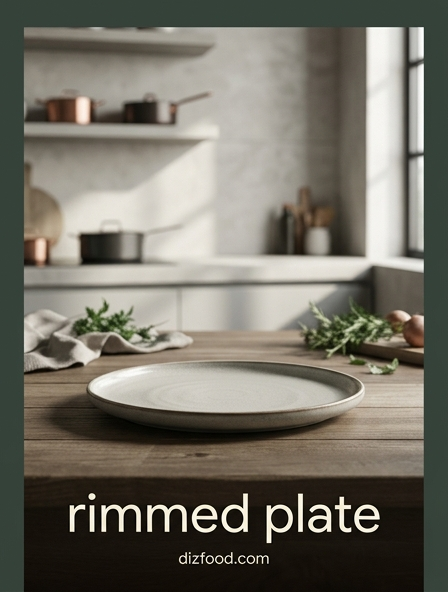
Layering dinnerware is a visual technique that builds anticipation for the meal while establishing a clear structure for the courses to come. The process begins with the charger, or service plate, which acts as a decorative anchor and remains on the table until the entree is served. Above the charger, plates are stacked in the order they will be used, typically beginning with the dinner plate, followed by the salad plate, and topped with a soup bowl if necessary.
| Layer Order | Plate Type | Function |
|---|---|---|
| Bottom | Charger Plate | Decorative base; protects the table. |
| Middle | Dinner Plate | The main course vessel. |
| Top | Salad/Appetizer | First or second course presentation. |
When selecting your china, consider the interplay of shapes and rim designs. Combining a square charger with circular inner plates can introduce a contemporary architectural element. Ensure that the patterns do not clash; if using a heavily patterned dinner plate, keep the soup bowl and charger in a solid, coordinating tone to maintain visual balance and prevent the table from feeling cluttered.
Strategic Placement of Formal Flatware
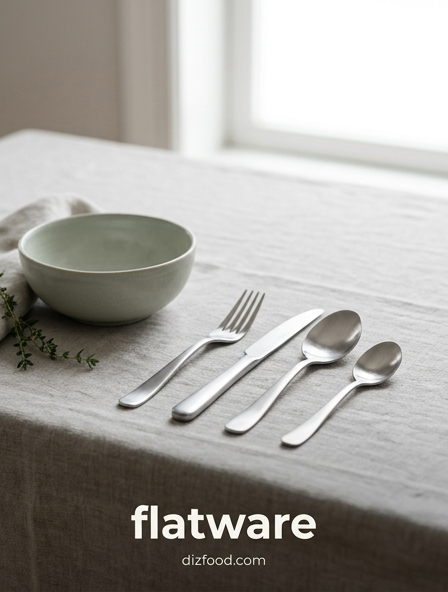
The arrangement of flatware is governed by the logic of the menu, with utensils placed in the order they will be utilized from the outside in. This traditional "outside-in" rule ensures guests never have to question which tool to use for a specific course. Forks are positioned to the left of the plate, while knives and spoons are placed to the right. The blade of the knife should always face the plate, a historical gesture of safety and hospitality.
- Salad Fork: Placed at the outermost left position for the opening course.
- Dinner Fork: Situated immediately to the left of the dinner plate.
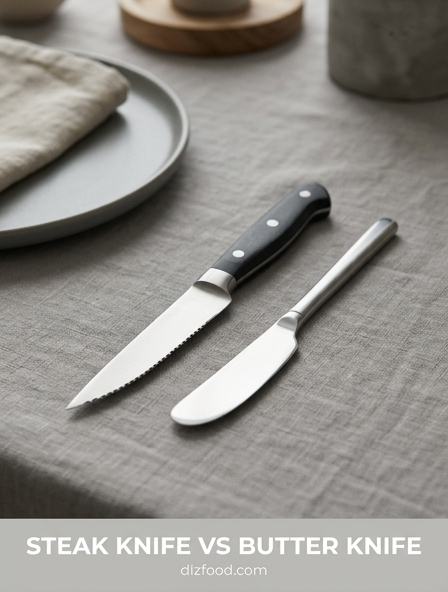
- Dinner Knife: Positioned to the immediate right of the plate.
- Soup Spoon: Located to the far right, outside the knives.
- Dessert Utensils: Placed horizontally above the plate, with the fork handle pointing left and the spoon handle pointing right.
Precision is key in formal hosting; every piece of silver should be aligned approximately one inch from the edge of the table. Polishing each piece with a microfiber cloth and a drop of vinegar will remove fingerprints and ensure a brilliant shine under ambient dining light.
Selecting Elegant Glassware for Every Course
Glassware adds height and transparency to the place setting, creating a sense of vertical movement. The placement of glasses follows a diagonal line or a tight grouping to the upper right of the dinner plate, just above the knives. This positioning allows the guest to reach their beverage easily without interfering with the flatware. A standard formal setting includes a water goblet, a red wine glass, and a white wine glass, each shaped specifically to enhance the aeration and aroma of the liquid.
- Water Goblet: The largest glass, positioned directly above the dinner knife.
- Red Wine Glass: Features a wider bowl to allow complex reds to breathe; placed to the right of the water glass.
- White Wine Glass: Smaller and more tapered to maintain a cool temperature; placed furthest to the right.
- Champagne Flute: Positioned behind the wine glasses for the initial toast or dessert course.
Crystal is preferred for its clarity and the resonant "ring" it produces. When setting the table, ensure all stems are perfectly vertical and the rims are free of any water spots or streaks, reflecting the care put into the beverage selection.
Creative Napkin Folds and Textile Accents
The napkin is the most versatile textile element in a kitchen place setting, offering an opportunity to introduce color, pattern, and sculptural form. While a simple rectangular fold placed to the left of the forks is the classic approach, more elaborate folds can serve as a focal point. The napkin should be of a substantial weight-ideally linen or a high-thread-count cotton-to hold its shape through the evening. Whether draped elegantly through a decorative ring or folded into a "Bishop's Hat," the presentation should feel intentional.
Consider these popular placement options:
- Centered: Folded vertically and placed directly on the top plate to draw the eye to the center of the setting.
- Under the Forks: A neat rectangle placed beneath the flatware for a streamlined, modern look.
- Napkin Rings: Utilizing materials like brushed brass, polished marble, or natural wood to add a "jewelry" element to the table.
The choice of napkin color can either harmonize with the tablecloth for a monochromatic look or provide a bold pop of contrast that ties into the floral arrangements or centerpiece colors.
Designing Low Profile Sophisticated Centerpieces
A successful centerpiece should enhance the dining experience without obstructing the guests' view or hindering conversation. The "low profile" rule is essential; arrangements should ideally remain below eye level, generally under twelve inches in height. This allows for clear sightlines across the table, fostering a communal atmosphere. Instead of one massive bouquet, consider a series of smaller, rhythmic arrangements that run the length of the table, creating a sense of continuity and abundance.
| Element | Recommended Material | Style Impact |
|---|---|---|
| Floral | Ranunculus or Peonies | Soft, romantic, and lush. |
| Greenery | Eucalyptus or Seeded Eucalyptus | Organic, fragrant, and modern. |
| Structural | River stones or Moss mounds | Earthly, minimalist, and grounded. |
Incorporate seasonal elements to ground the setting in the current moment. For example, scattered pomegranates in the autumn or polished seashells in the summer can add thematic depth. Avoid highly scented flowers, as they can interfere with the aroma of the food and wine being served.
Personalizing the Experience with Custom Place Cards
Place cards are more than just organizational tools; they are a gesture of welcome that signals to guests they were specifically considered during the planning process. In a formal kitchen or dining room setting, the place card should be positioned either on the napkin, above the dessert spoon, or leaning against the stem of the water goblet. The style of the card should reflect the overall formality of the event, ranging from hand-calligraphed heavy cardstock to engraved acrylic or natural slate.
To elevate the personalization, consider these creative approaches:
- Nature-Inspired: Writing names on magnolia leaves or smooth pebbles for an organic touch.
- Minimalist: Small, high-quality paper cards tucked into a silver or brass holder.
- Edible: A small, beautifully wrapped chocolate or a sprig of rosemary with a name tag attached.
Using place cards also allows the host to strategically seat guests to encourage dynamic conversation, pairing individuals with shared interests or contrasting personalities to ensure the evening remains engaging and lively for everyone at the table.
Harmonizing Color Palettes and Material Textures
The visual success of a place setting depends on the balance between color and texture. A harmonious palette doesn't necessarily mean matching colors; rather, it involves selecting tones that complement one another within the kitchen's existing architecture. For instance, a cool-toned marble countertop pairs beautifully with slate blues, silver flatware, and crisp white porcelain. Conversely, a warm wooden table benefits from gold accents, cream linens, and earthy ceramic plates.
Texture adds a layer of sophistication that color alone cannot achieve. Mixing different finishes creates a dynamic sensory experience:
- Matte vs. Gloss: Pair matte ceramic plates with high-shine polished silverware.
- Soft vs. Hard: Contrast a velvet runner with smooth glass and rigid metal napkin rings.
- Organic vs. Industrial: Combine raw-edged wooden chargers with sleek, modern glassware.
When working with bold colors, use them sparingly as accents-perhaps in the napkins or the glassware-to prevent the setting from feeling overwhelmed. A cohesive theme, such as "modern monochromatic" or "rustic harvest," helps guide these choices and ensures every element feels like part of a unified whole.
Enhancing Ambiance with Refined Table Lighting
Lighting is the final touch that transforms a functional place setting into an atmospheric experience. The goal is to create a warm, inviting glow that illuminates the food and the guests' faces without the harshness of overhead kitchen lights. Layered lighting is most effective, combining the soft flicker of candles with dimmed peripheral lights. Candlelight is essential for a formal table, as it adds movement and a flattering, amber hue to the environment.
- Taper Candles: Use tall tapers in elegant holders to add height and a classic formal feel.
- Votives: Scatter small tea lights in frosted or colored glass holders to create a low-level shimmer across the table.
- Dimmers: If possible, lower the main kitchen lights to about 30% to allow the candlelight to take center stage.
Ensure that candle flames are not at eye level, which can be distracting and uncomfortable. Unscented candles are a must, as the fragrance of burning wax should never compete with the culinary aromas. For a modern twist, consider cordless, rechargeable LED table lamps that offer a clean look and adjustable brightness levels.
Formal Etiquette Standards for Modern Hosting
Modern hosting blends traditional etiquette with a relaxed, contemporary sensibility. The hallmark of a great host is the ability to maintain the flow of the meal without appearing stressed. Service should generally follow a specific rhythm: dishes are presented from the guest's left and cleared from the right. This prevents any awkward reaching across the guest. For a seamless experience, water glasses should be topped off throughout the meal, and wine should be offered before each new course is served.
Key etiquette points for the modern table include:
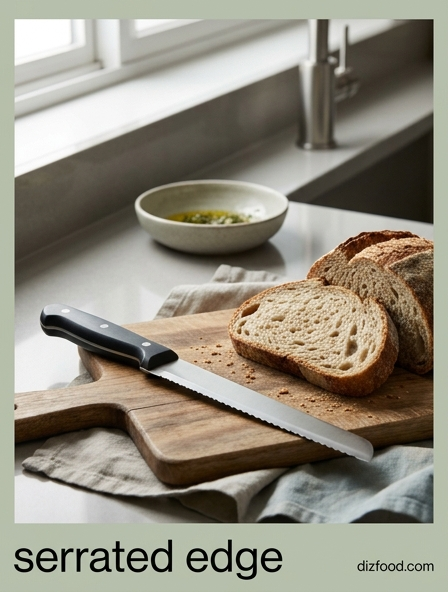
- Bread Service: Bread should be broken with the fingers, not cut with a knife, and buttered one bite-sized piece at a time.
- Post-Course Clearing: Remove all used flatware and plates from a course before bringing the next, including the salt and pepper shakers before the dessert is served.
- Guest Comfort: The host should always be the last to sit and the first to lead the transition between courses.
The ultimate goal of these standards is to make guests feel cared for. By adhering to these structures, the mechanics of dining become invisible, allowing the focus to remain on the food and the quality of the conversation.

Comments