
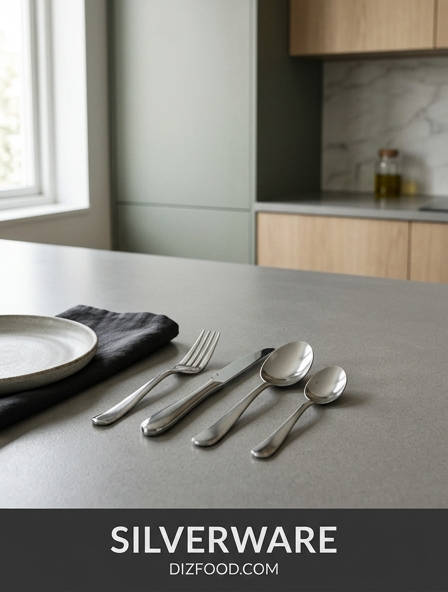
The Lasting Durability of Premium Flatware
The endurance of kitchen silverware is primarily dictated by the quality of the alloys used during manufacturing. Premium flatware is typically crafted from 18/10 stainless steel, a composition that includes 18% chromium for rust resistance and 10% nickel for a silver-like luster. Unlike cheaper alternatives that may bend or corrode after repeated cycles in a dishwasher, high-end flatware maintains its structural integrity and finish for decades. This resilience makes it an essential component of a functional kitchen, capable of withstanding the rigors of daily use without losing its aesthetic appeal.
| Material Grade | Chromium Content | Nickel Content | Durability Rating |
|---|---|---|---|
| 18/10 Stainless | 18% | 10% | Excellent |
| 18/8 Stainless | 18% | 8% | Very Good |
| 18/0 Stainless | 18% | 0% | Moderate |
Investing in heavy-gauge pieces ensures that the tines of forks do not warp and the blades of knives remain sharp. The physical density of premium silverware provides a tactile sense of quality, indicating that the pieces are solid rather than hollow or stamped from thin sheets. This durability is not just a matter of longevity; it is a commitment to consistent performance at every meal.
Elevating Every Meal Through Refined Design
The design of silverware serves as the bridge between culinary art and the physical act of eating. Refined flatware is characterized by its ergonomic balance and visual harmony, which can elevate even the simplest Tuesday night dinner into a more intentional experience. Designers meticulously consider the curvature of the handle, the depth of the spoon bowl, and the tapering of the fork neck to ensure comfort and grace. Whether a set features a minimalist modern silhouette or intricate traditional patterns, the design speaks to the personality of the household.
- Symmetry: Perfectly balanced proportions that feel natural in the hand.
- Finish: Options ranging from high-mirror polish to contemporary matte or brushed textures.
- Bolster Strength: Reinforced joints between the handle and the head for better leverage.
Beyond aesthetics, refined design considers the weight distribution of each piece. A well-designed knife should feel substantial but not cumbersome, allowing for precise cutting without excessive pressure. When every element of the table setting aligns with a cohesive design philosophy, the atmosphere of the dining room is instantly transformed, fostering an environment where guests feel valued and the food is presented with the respect it deserves.
Why Silverware is a Generational Investment
Unlike many modern kitchen gadgets that become obsolete within a few years, high-quality silverware is designed to last a lifetime and beyond. It is one of the few household items that can be classified as a true heirloom. When families invest in sterling silver or top-tier stainless steel, they are purchasing a legacy. These pieces often carry stories of holiday gatherings, birthday celebrations, and quiet family dinners, absorbing the history of the home as they are passed down from parents to children.
- Value Retention: Precious metals like silver often appreciate or maintain value over time.
- Timeless Style: Classic patterns rarely go out of fashion, ensuring relevance across decades.
- Repairability: High-quality metals can be professionally buffed and restored to their original glory.
The transition of a silverware set through generations creates a sense of continuity. While the décor of a kitchen may change and technology may evolve, the weight of a grandmother's silver fork remains a grounding presence. This longevity makes the initial cost of premium silverware much lower when calculated over the span of fifty or sixty years of service. It represents a rejection of the "throwaway culture" in favor of items built with permanence and integrity.
Transforming Dining into a Sensory Experience
The act of dining involves all the senses, and the silverware used is the primary tactile point of contact. The sensation of a cool, heavy spoon against the hand or the smooth texture of polished steel against the lips significantly impacts the perception of a meal. High-quality flatware is polished to a degree that removes all microscopic burrs, ensuring a fluid movement from plate to mouth. This physical comfort allows the diner to focus entirely on the flavors and aromas of the cuisine.
Visual appeal also plays a critical role in the sensory experience. The way light reflects off a polished knife or the contrast of a gold-toned fork against a dark ceramic plate sets a specific mood. A heavy, well-balanced piece of cutlery provides a psychological cue that the meal is special, encouraging slower eating and better digestion. By engaging the sense of touch and sight, premium silverware completes the holistic experience of a well-prepared meal, turning basic sustenance into a sophisticated ritual that delights the palate and the mind simultaneously.
The Sustainable Choice for Modern Kitchens
In an era where environmental consciousness is paramount, the choice of silverware is a significant step toward a zero-waste lifestyle. Disposable plastic utensils contribute millions of tons of waste to landfills annually, whereas a single set of metal flatware can eliminate the need for thousands of single-use items over its lifespan. Stainless steel and sterling silver are also among the most recycled materials on the planet, meaning that even at the very end of their long lives, they can be repurposed without losing their inherent properties.
- Waste Reduction: Elimination of single-use plastics in daily dining and hosting.
- Recyclability: Metal components can be melted down and reused indefinitely.
- Longevity: Fewer replacements mean a smaller carbon footprint from manufacturing and shipping.
Choosing high-quality silverware is an investment in "slow living." It encourages the maintenance and care of existing belongings rather than the constant cycle of buying and discarding. For the modern eco-conscious kitchen, flatware represents a marriage of utility and ethics. By selecting durable, high-grade materials, homeowners reduce their environmental impact while enjoying the superior performance and beauty that only permanent kitchenware can provide.
Blending Functionality with Artistic Craftsmanship
The production of fine silverware is an intricate blend of industrial engineering and artistic expression. Each piece begins as a concept that must account for weight, balance, and volume. Forged flatware, in particular, involves heating the metal and shaping it with immense pressure, resulting in a piece that is thicker where strength is needed and tapered where elegance is desired. This craftsmanship ensures that a spoon isn't just a tool for scooping, but a balanced instrument that rests perfectly in the hand.
| Feature | Forged Silverware | Stamped Silverware |
|---|---|---|
| Construction | Heated and shaped from a rod | Cut from a flat sheet |
| Weight | Heavier and balanced | Lighter and uniform |
| Longevity | Exceptional | Moderate |
Artistry is found in the details, such as the hand-polishing of the tines or the delicate engraving of a handle's pattern. Master silversmiths and designers work to ensure that the functional requirements of the kitchen-such as being easy to clean and stack-do not compromise the beauty of the set. When functionality and art are successfully blended, the result is silverware that performs flawlessly while serving as a centerpiece of kitchen décor.
Impressing Guests with Sophisticated Table Settings
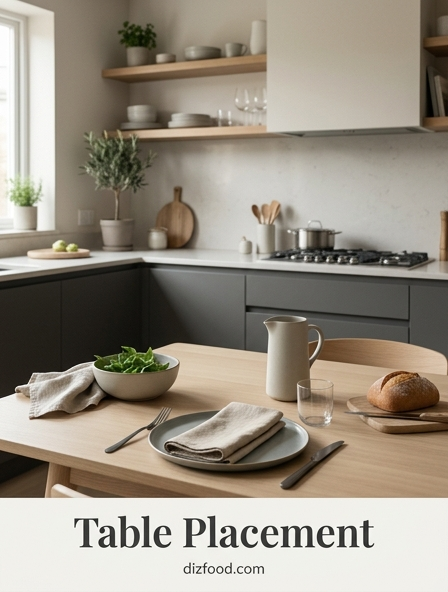
The arrangement of silverware is often the first thing a guest notices upon sitting at a dining table. A complete and high-quality set of flatware signals a level of hospitality and attention to detail that sets the tone for the entire evening. Using specialized pieces, such as butter knives, soup spoons, or salad forks, demonstrates a commitment to the culinary experience and an understanding of traditional dining etiquette. It creates a sense of occasion that makes guests feel honored and comfortable.
- Formal Alignment: Placing utensils in the order of use from the outside in.
- Thematic Consistency: Matching the silverware style to the dinnerware and linens.
- Polished Presentation: Ensuring every piece is free of spots or fingerprints.
A sophisticated table setting acts as a conversation starter, often drawing compliments on the weight or the unique pattern of the cutlery. It bridges the gap between the kitchen and the dining room, showing that the effort put into the meal extends to the presentation. For those who enjoy hosting, the right silverware is an indispensable tool for creating a memorable and refined atmosphere that lingers in the minds of guests long after the meal has ended.
How Quality Cutlery Enhances Food Flavors
The material composition of silverware can subtly influence the taste profile of various foods. Low-quality metals may impart a metallic or tinny flavor, especially when they come into contact with acidic foods like citrus, tomatoes, or vinegars. High-grade 18/10 stainless steel and sterling silver are chemically stable and non-reactive, ensuring that the only flavors reaching the tongue are those intended by the cook. This purity of taste is essential for appreciating the nuances of fine dining and complex recipes.
Furthermore, the physical design of the cutlery aids in the enjoyment of textures. A sharp, high-quality steak knife with a clean edge prevents the tearing of meat fibers, which preserves the juices and enhances the mouthfeel of the protein. Similarly, a well-proportioned spoon allows for the perfect ratio of broth to solids in a soup. When the tool used to deliver food is expertly crafted, it disappears into the background, allowing the ingredients to shine. Quality cutlery serves as a neutral conduit that respects the integrity of the food, ensuring that every bite is as delicious as possible.
The Resale Value of Fine Sterling Silver
While stainless steel is prized for its utility, sterling silver flatware holds a unique position as a financial asset. Because sterling silver consists of 92.5% pure silver, it possesses an inherent "melt value" based on current precious metal market prices. Beyond the raw material, vintage and antique silverware from renowned makers such as Tiffany & Co., Georg Jensen, or Christofle often command high prices in the secondary market due to their brand prestige and historical significance.
- Market Liquidity: Silverware can be sold to collectors, antique dealers, or metal refiners.
- Collectibility: Rare patterns or discontinued lines often appreciate in value over time.
- Authentication: Hallmarks stamped on the back of the pieces provide proof of origin and purity.
For many, purchasing a sterling silver set is a way to diversify household wealth into a tangible, usable form. Unlike other luxury goods that depreciate immediately after purchase, fine silver remains a commodity. This resale potential provides a level of financial security, knowing that the beautiful objects used in the kitchen every day also represent a significant store of value that can be liquidated if necessary or sold to fund new acquisitions.
Maintaining Your Collection for Lifelong Brilliance
To ensure that silverware remains a stunning fixture in the kitchen, proper maintenance is essential. While high-quality stainless steel is generally dishwasher safe, certain precautions can prevent "pitting" and water spots. For sterling silver, regular use is actually beneficial, as it prevents the buildup of heavy tarnish. Understanding the specific needs of the metal ensures that the finish remains bright and the surface remains smooth for decades to come.
- Immediate Rinsing: Removing acidic or salty food residues quickly to prevent corrosion.
- Proper Storage: Using lined chests or soft cloth wraps to prevent scratches and oxidation.
- Gentle Polishing: Using non-abrasive creams specifically formulated for the metal type.
Avoid using detergents that contain lemon or bleach, as these can cause chemical reactions that dull the surface of the metal. If hand-washing, use a soft cloth and dry each piece immediately to prevent mineral deposits from hard water. By following a consistent care routine, the silverware will not only maintain its functional integrity but will also continue to reflect light beautifully, serving as a testament to the quality and care invested in the home's kitchen essentials.


Comments