
The Rise of the Blate
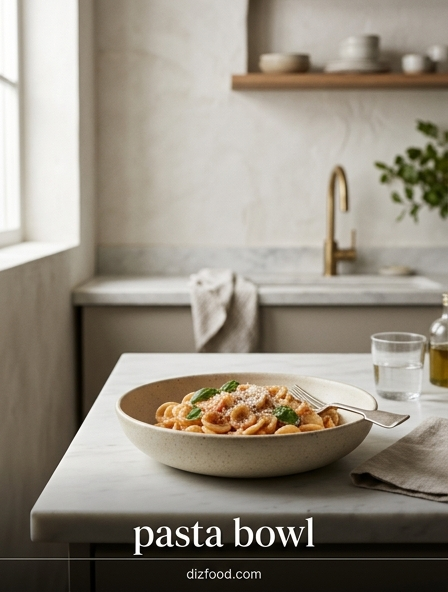
The culinary world has witnessed a significant shift in dinnerware preferences, leading to the emergence of the "blate"-a sophisticated hybrid between a bowl and a plate. This vessel has rapidly become a staple in modern kitchens, bridging the gap between the flat surface of a traditional dinner plate and the deep containment of a standard soup bowl. Its rise in popularity is largely attributed to the changing ways people consume food, moving away from formal dining room settings toward more flexible, casual environments.
The design of the blate typically features a wide, flat bottom similar to a plate, paired with curved, raised edges that provide the security of a bowl. This structural innovation accommodates a vast array of modern recipes that involve sauces, oils, or broths without the risk of spillage. As home cooks and professional chefs alike prioritize both aesthetics and functionality, the blate has established itself as the ultimate utilitarian piece for any contemporary dinnerware collection.
- Combines the surface area of a plate with the depth of a bowl.
- Minimizes spills for saucy or liquid-heavy dishes.
- Reflects the trend toward casual, one-dish meals.
- Easily stackable for efficient kitchen storage.
Versatility Beyond Traditional Pasta
While the name suggests a specific use, the pasta bowl is perhaps the most versatile item in the kitchen cupboard. Its unique geometry makes it suitable for much more than just fettuccine or rigatoni. Modern food culture emphasizes diverse, layered meals-such as vibrant grain bowls, poke, and hearty salads-all of which benefit from the wide diameter and shallow depth of this vessel. It allows ingredients to be spread out and displayed rather than buried at the bottom of a deep bowl.
Beyond main courses, these bowls serve excellently for breakfast and shared appetizers. A wide pasta bowl can hold a generous serving of yogurt with fruit and granola, or act as a serving platter for roasted vegetables and dips during a social gathering. The adaptability of the pasta bowl reduces the need for specialized dinnerware, making it an essential tool for those practicing minimalist or high-efficiency kitchen management.
| Meal Type | Application |
|---|---|
| Breakfast | Smoothie bowls, shakshuka, or loaded avocado toast. |
| Lunch | Large kale salads, quinoa power bowls, or flatbreads. |
| Dinner | Risotto, deconstructed tacos, or braised short ribs. |
Ergonomic Design for Modern Comfort
Ergonomics play a crucial role in the design of the contemporary pasta bowl. Unlike flat plates that can be difficult to carry or deep bowls that require a steep angle for utensil entry, the pasta bowl is engineered for comfort. The gently sloping sides provide a natural "stop" for spoons and forks, making it easier to scoop up food with one hand. This is particularly beneficial for meals that involve a combination of textures, where the diner needs to gather different elements onto a single forkful.
Furthermore, the physical weight and balance of a well-made pasta bowl contribute to a sense of stability. Most high-quality versions are designed with a low center of gravity to prevent tipping. The width of the base ensures that the heat from the food is distributed evenly, while the raised edges offer a convenient place to grip the dish without coming into direct contact with high-temperature contents. This thoughtful design caters to the physical experience of eating, enhancing comfort throughout the meal.
Perfecting the Art of Food Plating
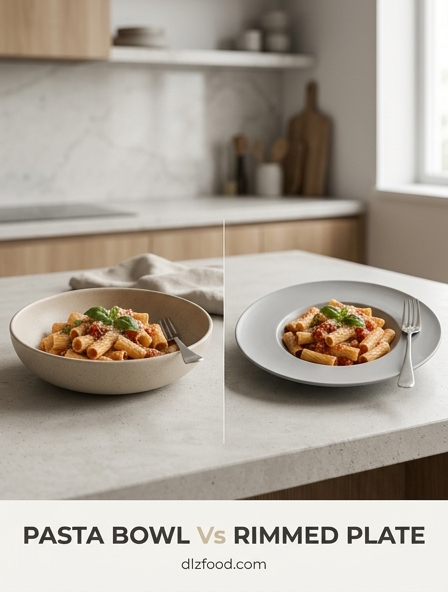
The pasta bowl serves as an exceptional canvas for food presentation, allowing home cooks to achieve a restaurant-quality look with minimal effort. The wide surface area provides ample room to arrange proteins, vegetables, and starches side-by-side or in stacked layers. Because the sides are raised, sauces and dressings naturally pool toward the center or cling to the ingredients rather than running off the edge of the plate, which maintains the visual integrity of the dish until the last bite.
In professional plating, the "frame" of the dish is vital. The rim of a pasta bowl creates a natural boundary that draws the eye toward the colors and textures of the food. Whether it is a vibrant beet salad or a classic spaghetti carbonara, the bowl's architecture enhances the perceived value of the meal. By containing the components within a defined space, the dish looks fuller and more organized, proving that the right vessel is just as important as the recipe itself.
- Use the wide base to spread out vibrant ingredients.
- Layer textures vertically to take advantage of the side walls.
- Drizzle sauces freely, knowing the edges will contain them.
- Garnish the center to create a focal point within the circular frame.
Practicality of High Edges and Wide Bases
The functional physics of a pasta bowl are what truly set it apart from other dinnerware. The high edges serve a protective purpose, preventing "food flight" during the process of cutting or scooping. For dishes like stews or pasta with long noodles, these edges act as a backstop, allowing the diner to use the side of the bowl to assist in twirling or loading their utensil. This significantly reduces the mess often associated with eating complex dishes on a flat plate.
The wide base is equally important for heat management. A broad, flat bottom allows for a greater surface area of the food to be in contact with the vessel, which helps in maintaining a consistent temperature. Unlike deep bowls where the bottom layer can become soggy or overcooked by the weight and heat of the top layer, the pasta bowl allows for a thinner spread of food. This ensures that every bite remains at the desired consistency and temperature, improving the overall sensory experience of the meal.
Seamless Transition from Kitchen to Couch
Modern dining habits have shifted away from the table, with many individuals enjoying meals while seated on a sofa or in a lounge chair. The pasta bowl is the ideal companion for this lifestyle. Its design is inherently more stable than a flat plate when balanced on one's lap. The raised sides provide a safety margin against spills if the bowl shifts, and the concentrated weight distribution makes it feel secure. This "couch-friendly" nature has made it the preferred choice for casual weeknight dinners.
Additionally, the bowl's shape makes it easy to hold with one hand while using a single utensil with the other. This is perfect for "one-bowl meals" where all ingredients are pre-cut and tossed together. Whether watching a film or catching up on work, the pasta bowl facilitates a seamless transition between various living spaces. It acknowledges that the modern home is multi-functional and that dinnerware should be adaptable enough to follow the diner wherever they feel most comfortable.
Optimizing Portion Sizes for Healthy Eating
The geometry of the pasta bowl can subtly influence eating habits and portion control. Because of its wide diameter, a moderate amount of food can appear more substantial as it spreads across the surface. This visual cue is a psychological trick that can lead to greater satiation with smaller portions. Unlike traditional oversized dinner plates that often look empty unless piled high with food, the pasta bowl frames a healthy serving size in a way that feels abundant and satisfying.
This vessel also encourages the "bowl meal" trend, which typically emphasizes a balanced mix of greens, proteins, and healthy fats. By providing a deep enough space for voluminous ingredients like spinach or arugula, but enough width for heavy toppings, it supports a more diverse nutritional profile. Many people find that eating from a bowl encourages mindful consumption, as the tactile experience of holding the meal brings more awareness to the act of eating, potentially preventing overconsumption.
- Creates a visual illusion of fullness with less food.
- Encourages the inclusion of more vegetables and grains.
- Ideal for pre-measured, balanced nutritional bowls.
- Supports mindful eating through improved tactile feedback.
Durability and Material Trends in Dinnerware
The construction of pasta bowls has evolved alongside their design, with a focus on materials that offer both beauty and longevity. Currently, stoneware and porcelain are the most popular choices. Stoneware provides a rustic, artisanal feel with high durability, making it perfect for everyday use. It is often finished with reactive glazes that give each piece a unique look. Porcelain, on the other hand, offers a more refined, delicate appearance while remaining surprisingly strong and resistant to chipping.
Modern material trends also emphasize convenience. Most contemporary pasta bowls are designed to be microwave and dishwasher safe, catering to the fast-paced nature of modern life. Matte finishes have become particularly trendy, providing a sophisticated, non-reflective surface that looks excellent under kitchen lighting. These materials are chosen not just for their aesthetic appeal, but for their ability to withstand the rigors of frequent heating, cooling, and washing without losing their structural integrity or color vibrancy.
Elevating the Everyday Dining Experience
Using a pasta bowl can transform a routine meal into a more intentional dining experience. There is a psychological comfort associated with eating from a vessel that feels substantial and well-crafted. Even a simple dish of leftovers can feel like a curated meal when presented in a stylish, wide-rimmed bowl. This elevation of the everyday is a core component of the modern "slow living" movement, which encourages finding joy and beauty in daily rituals such as preparing and consuming food.
The aesthetic appeal of these bowls often encourages people to take more care in their food preparation. When you have a beautiful piece of dinnerware, you are more likely to garnish your meal or arrange ingredients thoughtfully. This ritualistic approach to dining fosters a better relationship with food and provides a moment of calm in a busy day. Ultimately, the pasta bowl represents a shift toward quality over quantity, where a single, versatile piece of dinnerware improves the quality of life through better design and functionality.
Why the Pasta Bowl Defines Contemporary Style
The pasta bowl has become the definitive symbol of 21st-century kitchen style because it rejects the rigidity of traditional dinnerware sets. In the past, households were expected to own separate sets of plates, soup bowls, and salad bowls. Today, the "all-in-one" nature of the pasta bowl aligns with the minimalist and essentialist movements. It represents a move toward fluid, multi-purpose items that do more with less, reflecting a broader cultural shift toward efficiency and understated elegance.
Contemporary style is often defined by the intersection of form and function, and the pasta bowl sits perfectly at this junction. Its silhouette is clean and modern, yet its utility is unmatched. As kitchens become smaller and lives become more mobile, the demand for dinnerware that can handle everything from a formal dinner party to a solo meal on the couch will only continue to grow. The pasta bowl is not just a trend; it is a fundamental redesign of the dining experience for the modern era.

Comments