
Choosing the perfect dinnerware is a balance between your aesthetic vision and the practical realities of your daily routine. While both fine china and stoneware bring distinct beauty to the table, they cater to very different lifestyles. Fine china, crafted from refined kaolin clay or bone ash, offers a translucent, sophisticated silhouette that is surprisingly durable despite its delicate appearance, making it the premier choice for formal gatherings and timeless elegance. On the other hand, stoneware is the ultimate kitchen workhorse; fired at high temperatures with added stone or flint, it produces a dense, opaque finish that excels in heat retention and withstands the heavy-duty demands of family meals. Whether you prioritize the lightweight grace of porcelain or the rustic, chip-resistant reliability of stoneware, understanding these material signatures ensures your table setting remains both functional and fashionable.
| Feature | Fine China | Stoneware |
|---|---|---|
| Composition | Refined kaolin clay; often contains bone ash. | Non-refined clay mixed with flint or stone. |
| Appearance | Translucent, thin-walled, and elegant. | Opaque, thick-walled, and rustic. |
| Durability | High chip resistance; feels delicate but strong. | High impact resistance; sturdy and heavy. |
| Maintenance | Hand-wash recommended (if metallic-rimmed). | Dishwasher, microwave, and oven safe. |
| Heat Retention | Moderate; cools down relatively quickly. | Excellent; keeps food warm for long periods. |
| Best Lifestyle Fit | Formal entertaining and special occasions. | Daily family use and casual dining. |
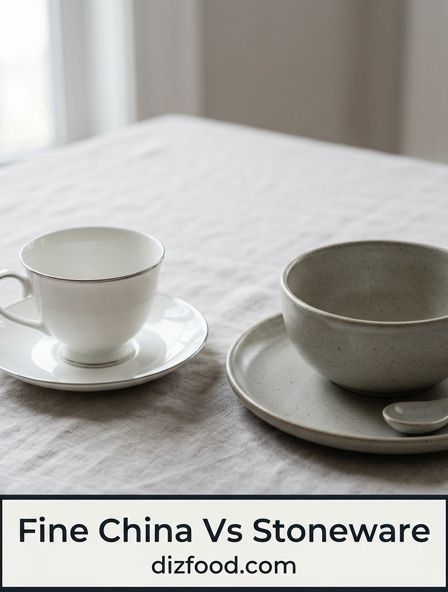
Fine China vs Stoneware Key Differences
The primary distinction between fine china and stoneware lies in their fundamental purpose and physical characteristics. Fine china, often referred to as porcelain, represents the pinnacle of refined ceramic craftsmanship. It is characterized by its thin walls, delicate appearance, and a unique translucency that allows light to pass through when held up to a lamp. In contrast, stoneware is celebrated for its rugged, earthy appeal and substantial weight. While fine china is frequently reserved for special occasions and formal gatherings, stoneware is the "workhorse" of the modern kitchen, designed for the rigors of daily breakfast, lunch, and dinner.
These two materials cater to different lifestyle needs and aesthetic preferences. Fine china typically features intricate patterns, often accented with precious metals like gold or platinum, making it a centerpiece for holiday meals. Stoneware, however, focuses on texture and organic glazes, offering a handcrafted look that complements rustic or contemporary casual dining. The choice between them often comes down to the balance between elegance and endurance.
- Fine China: Elegant, translucent, lightweight, and traditionally used for formal events.
- Stoneware: Durable, heavy, opaque, and ideal for frequent, everyday family use.
- Firing: Both are fired at high temperatures, but their mineral structures result in different density levels.
- Aesthetics: China offers a polished, smooth finish; stoneware provides a matte or variegated, textured surface.
Material Composition and Firing Temperatures
The structural integrity of both ceramics is determined by the specific ingredients used in their clay bodies and the extreme heat of the kiln. Fine china is composed of a refined mixture of kaolin clay, feldspar, and quartz. When bone ash is added to this mixture, it becomes "bone china," which is even stronger and more translucent. These materials are fired at incredibly high temperatures, often exceeding 2,300 degrees Fahrenheit. This process vitrifies the clay, turning it into a glass-like substance that is non-porous and extremely hard, despite its dainty appearance.
Stoneware is crafted from unrefined clay that contains more impurities than the clay used for fine china. This gives the material its characteristic "stony" look and variegated color palette. It is also fired at high temperatures, usually between 2,100 and 2,300 degrees Fahrenheit. This temperature range ensures that the stoneware becomes durable and liquid-resistant, though it remains thicker and more opaque than its porcelain counterpart. Because the clay is less refined, stoneware retains a sense of weight and grit that feels substantial in the hand, contrasting sharply with the airy lightness of vitrified china.
| Feature | Fine China | Stoneware |
|---|---|---|
| Primary Clay | Kaolin (Refined) | Non-refined Stone Clay |
| Firing Temp | 2,300°F+ | 2,100°F - 2,300°F |
| Porosity | Non-porous | Non-porous (if glazed) |
| Transparency | Translucent | Opaque |
Durability and Chipping Resistance Comparison
There is a common misconception that fine china is fragile simply because it is thin. In reality, the high firing temperatures and the addition of bone ash or specific minerals make fine china surprisingly resilient. It is actually the strongest ceramic material used in dinnerware. Because it is so dense and vitrified, it is highly resistant to scratching from cutlery. However, its thin edges make it more susceptible to "clinking" damage; a sharp impact against a granite countertop or another plate in the sink can lead to cracks or clean breaks rather than small chips.
Stoneware is much thicker and feels "tougher" for daily handling. It can withstand the hustle and bustle of a busy family kitchen, where plates are often stacked haphazardly or moved quickly. However, because the material is less dense than fine china, it is actually more prone to chipping along the rims over time. If you drop a stoneware mug, it might survive with a small chip, whereas a fine china cup might shatter completely. Stoneware's durability is found in its bulk, while fine china's durability is found in its molecular hardness. For long-term use without any visible wear, fine china often holds its "new" look longer, provided it is handled with care to avoid catastrophic drops.
Visual Aesthetics and Design Versatility
The visual language of fine china is one of precision and sophistication. Most fine china is characterized by a bright white or creamy ivory base color, which provides a high-contrast canvas for elaborate decorations. Design styles range from classic floral patterns and Victorian filigree to modern, minimalist platinum bands. The glass-like finish reflects light beautifully, adding a shimmer to a candlelit dinner table. Its ability to be molded into very thin, sharp shapes allows for elegant teacup handles and perfectly uniform plates that stack with mathematical precision.
Stoneware occupies the opposite end of the aesthetic spectrum, leaning into the "perfectly imperfect" philosophy. It often features reactive glazes, where chemicals in the kiln react to heat to create unique, swirling patterns and color gradients that vary from piece to piece. You will find stoneware in deep blues, forest greens, and earthy charcoals, often with a matte or satin finish. The designs are usually more organic and chunky, celebrating the tactile nature of the clay. This versatility makes stoneware ideal for modern farmhouse, bohemian, or industrial kitchen styles. While china commands attention through its perfection, stoneware invites comfort through its rustic and approachable charm, making every meal feel like a home-cooked experience.
Everyday Practicality and Microwave Safety
When it comes to everyday practicality, stoneware is usually the clear winner for the modern household. Most stoneware is designed to be microwave, dishwasher, and even oven safe. This makes it incredibly convenient for reheating leftovers or warming up a bowl of soup. The thick walls of stoneware also mean it can handle the temperature fluctuations of a microwave without becoming dangerously hot to the touch instantly, though it does retain heat for a long time once warmed. Its rugged nature means you don't have to worry as much about using it for a quick Tuesday night dinner.
Fine china requires a more cautious approach to practicality. While most modern, plain fine china is dishwasher safe, any pieces featuring metallic accents-such as gold or platinum rims-cannot be placed in the microwave. The metal will spark and potentially damage both the dish and the appliance. Furthermore, the delicate nature of fine china makes many owners hesitant to use it for messy or casual meals. However, for those who appreciate a touch of luxury in their daily routine, high-quality porcelain without metal trim is perfectly functional for daily use. The key practical difference is the "mental load" of using the dishes; stoneware encourages a relaxed attitude, while china often demands a bit more mindfulness during preparation and cleanup.
Weight and Thickness Differences Explained
The sensory experience of holding fine china versus stoneware is perhaps the most immediate difference noticed by a user. Fine china is celebrated for its incredible lightness. A full dinner plate of bone china can feel weightless compared to a standard ceramic dish. This lightness is a result of the material's inherent strength, which allows manufacturers to cast the clay into extremely thin profiles without sacrificing structural integrity. This makes it easier to carry large stacks of plates or serve multiple courses without fatigue. The thinness also contributes to the "ring" of the china-when tapped, high-quality china produces a clear, bell-like tone.
Stoneware is intentionally heavy and thick. This weight provides a sense of sturdiness and permanence that many people find comforting. A stoneware mug, for instance, feels substantial in the hand and provides a thick rim that many prefer for drinking coffee or hot cocoa. The thickness is a functional requirement of the material; if stoneware were cast as thin as fine china, it would be too brittle and prone to breaking. This bulk also acts as a physical barrier against heat, meaning the exterior of a thick stoneware bowl stays cooler while the contents remain warm. In a kitchen setting, weight often equates to "casual comfort," whereas lightness equates to "formal elegance."
Formal Dining vs Casual Table Settings
The setting dictates the choice between these two ceramics. Formal dining is the traditional domain of fine china. Its refined appearance sets a tone of respect and celebration, making it the standard choice for weddings, anniversaries, and holiday feasts. When paired with crystal glassware and silver cutlery, fine china creates a cohesive, high-end look. The uniformity of the pieces ensures that every place setting looks identical, contributing to a polished and professional aesthetic that is expected in fine dining environments.
Stoneware is the king of the casual table. Its organic shapes and varied colors are perfect for creating a relaxed, "lived-in" atmosphere. It pairs beautifully with wooden serving boards, linen napkins, and stainless steel flatware. Because stoneware pieces often have slight variations in glaze, they lend a handcrafted, artisanal feel to the meal. This makes it the preferred choice for family-style service, brunch, or outdoor dining. While you can certainly use stoneware for a dinner party, it will always lean toward a cozy, intimate vibe rather than the stiff formality of a porcelain setting. The versatility of stoneware allows it to bridge the gap between a morning bowl of cereal and a celebratory dinner with friends in a way that fine china rarely can.
Heat Retention and Oven Compatibility
Stoneware excels in thermal performance, particularly regarding heat retention. Because the material is thick and dense, it acts as a thermal reservoir. Once a stoneware plate or bowl is warmed, it keeps the food inside at an optimal temperature for a significant amount of time. This is why stoneware is so popular for items like lasagna bakers, pie dishes, and large serving platters. Furthermore, most stoneware is oven-safe up to 400 or 500 degrees Fahrenheit, allowing you to cook and serve in the same dish. This "oven-to-table" capability is a major advantage for practical kitchen management.
Fine china, while capable of withstanding high firing temperatures during manufacturing, is much more sensitive to "thermal shock." Thermal shock occurs when a dish experiences a rapid change in temperature, such as moving a cold plate into a hot oven, which can cause the porcelain to crack or shatter. While you can put food on a pre-warmed china plate, you should generally avoid using fine china for actual cooking or baking in the oven. Additionally, because the walls of fine china are so thin, they do not retain heat well; food will cool down much faster on a porcelain plate than on a stoneware one. If serving a multi-course meal where timing is essential, the quick cooling of china is a factor that professional chefs and hosts must take into careful consideration.
Price Point and Long Term Value
The investment required for these two types of dinnerware varies significantly. Fine china is generally more expensive due to the cost of raw materials-like bone ash-and the precision required in the manufacturing process. A single 5-piece place setting of high-end bone china can cost as much as a full 16-piece set of stoneware. However, fine china is often viewed as a long-term investment or an heirloom. Because it is highly resistant to scratches and fading, a well-maintained set of china can last for decades, often being passed down through generations. Its value is tied to its brand, craftsmanship, and timelessness.
Stoneware is much more budget-friendly and accessible. It is widely available at various price points, from affordable mass-market sets to expensive artisanal pieces. While it may need to be replaced more frequently due to chipping or glaze wear, the lower cost makes it easier to update your kitchen's look as trends change. The long-term value of stoneware lies in its utility; it earns its keep through daily use and versatility. For most households, stoneware offers the best "cost-per-use" ratio, whereas fine china offers "prestige value" and durability that spans lifetimes rather than just years of daily breakfasts.
- Budget: Stoneware is ideal for those looking for affordability and immediate utility.
- Investment: Fine china is a better choice for those looking to build a permanent collection.
- Replacement: Stoneware is cheaper to replace if a single piece is broken.
- Resale: Designer fine china often holds its value better in the secondary or antique market.
Cleaning and Maintenance Requirements
Maintenance is a crucial factor in choosing between these two materials. Stoneware is generally "low maintenance." Its sturdy glaze protects it from the high-pressure water and harsh detergents found in modern dishwashers. It is also less likely to be damaged by metal utensils during the washing process. However, some matte-finish stoneware can develop "metal marking," where flatware leaves grey streaks on the surface. These are not scratches but deposits of metal that can usually be removed with a specialized ceramic cleaner or baking soda paste.
Fine china requires more deliberate care, particularly if it is an older or more decorative set. While many contemporary porcelain sets are labeled dishwasher safe, the heat and abrasive detergents can dull the glaze or wear away gold and platinum leaf over hundreds of cycles. Handwashing is often recommended to preserve the intricate artwork and delicate edges. Additionally, because fine china is so thin, it should be stored with felt or paper dividers between plates to prevent the bottom of one plate from scratching the surface of the one beneath it. While it may seem like more work, the effort put into maintaining fine china ensures that its brilliant white finish and detailed patterns remain as vivid fifty years from now as they were on the day of purchase.


Comments