
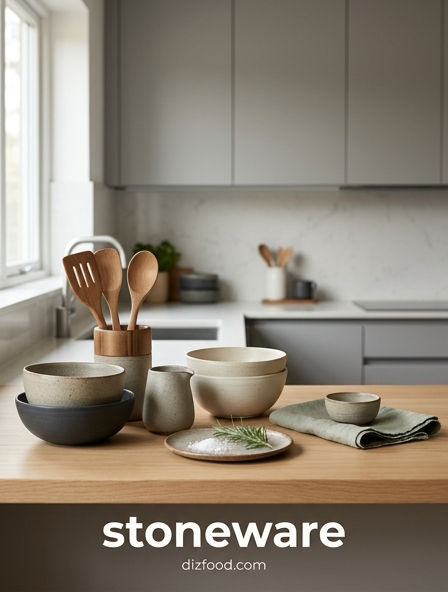
Exceptional Heat Retention for Consistent Cooking
Stoneware is renowned in professional and home kitchens alike for its dense composition and high thermal mass. This material is fired at temperatures exceeding 2,000 degrees Fahrenheit, which creates a vitrified surface capable of holding heat for extended periods. When you place a stoneware baker in the oven, it absorbs energy and radiates it back into the food with incredible consistency. This prevents the fluctuating temperatures often seen with thin aluminum or stainless steel pans. Such stability is vital for recipes that require slow, gentle cooking, such as gratins, braises, or casseroles.
Furthermore, the residual heat ensures that the dish remains hot throughout a multi-course meal, allowing guests to enjoy second helpings at the same temperature as the first. This thermal efficiency also means that once the vessel is hot, the oven does not have to work as hard to maintain the internal environment, potentially reducing energy consumption over time. The result is a more predictable cooking experience that yields perfectly tender interiors, well-developed flavors, and a professional finish that is difficult to replicate with lighter materials.
Unmatched Durability and Chip Resistance
The structural integrity of stoneware is a direct result of the high-firing process, which transforms raw clay into a rock-like, vitrified substance. This makes the material exceptionally hard and dense, providing a level of durability that far surpasses earthenware or standard ceramic. One of the most significant advantages is its inherent resistance to chipping and scratching. While metal utensils can easily mar the surface of non-stick coatings or softer metals, stoneware remains largely unaffected by daily wear and tear.
- High-density clay prevents liquid absorption and subsequent surface cracking.
- Resistant to the abrasive action of scrubbing pads and metal scrapers.
- Fired at extreme temperatures to ensure a non-porous, glassy finish.
- Structural stability that prevents warping under high heat conditions.
Even with frequent use, high-quality stoneware maintains its shape and aesthetic appeal without the pitting or denting common in metallic cookware. This robustness is particularly beneficial in a busy kitchen where items are frequently moved between the sink, the countertop, and storage cabinets, making it a reliable choice for cooks who demand equipment that can withstand rigors.
Seamless Transition from Oven to Table
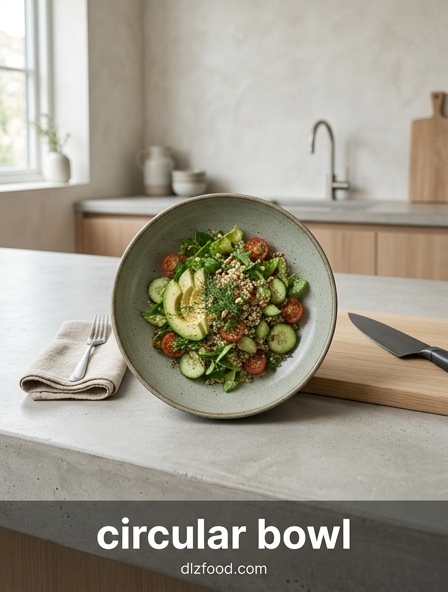
One of the most practical benefits of stoneware is its aesthetic elegance, which allows it to function as both a high-performance cooking vessel and a sophisticated serving dish. This "oven-to-table" capability eliminates the need to transfer food into a separate tureen or platter, which often leads to unnecessary heat loss and a messy presentation. Because stoneware retains heat so efficiently, serving directly from the dish ensures that the meal stays at an ideal temperature for everyone at the table.
This seamless transition saves significant time during the cleanup phase, as there are fewer bulky items to wash after dinner. Many designers focus on creating stoneware with sophisticated glazes and ergonomic handles that look just as at home on a formal linen tablecloth as they do inside a rustic oven. The transition is not just about looks; it is about functional utility that simplifies the workflow of a dinner party or a busy family meal. By reducing the number of dishes used, you also reduce the clutter in your kitchen workspace and the volume of water required for washing up.
Natural Non-Stick Performance and Easy Cleanup
Stoneware provides a natural alternative to synthetic non-stick coatings. While it may not be perfectly slick upon the very first use, high-quality stoneware develops a seasoned patina over time. As oils and fats from your cooking are absorbed into the microscopic pores of the material, it creates a smooth, darkened surface that releases food with ease. This natural progression means that the more you use your stoneware, the better it performs. Unlike PTFE pans that lose their properties as the coating wears away, stoneware improves with age.
| Feature | Stoneware Benefit |
|---|---|
| Surface Type | Non-porous and naturally seasoned. |
| Longevity | Non-stick properties increase with use. |
| Maintenance | Simple warm water rinse is often sufficient. |
Cleaning is typically straightforward because the vitrified surface prevents food from bonding deeply. For most messes, a gentle soak and a soft brush are all that is required to restore the piece to its clean state without harsh chemicals.
Chemical Free and Non-Toxic Food Safety
Food safety is a paramount concern for modern consumers, and stoneware excels by being naturally free of harmful chemicals. Unlike many modern non-stick pans, which may release toxic fumes like PFOA or PTFE when overheated, stoneware is made from natural clay and minerals. It does not off-gas or leach metallic flavors into your food, even when subjected to high temperatures for several hours. This makes it an ideal choice for health-conscious individuals who want to avoid synthetic additives in their cooking environment.
Most high-quality stoneware brands are strictly tested to be lead and cadmium-free, ensuring that every meal prepared is as pure as the ingredients themselves. Furthermore, because the surface is non-reactive, it will not interact with acidic foods like tomatoes, vinegars, or citrus, which can sometimes cause a metallic aftertaste in cast iron or reactive aluminum pans. Choosing stoneware means choosing a material that respects the biological integrity of your food while providing a safe, inert cooking surface that has been trusted for centuries across various global culinary cultures.
Superior Resistance to Thermal Shock
Thermal shock occurs when a material undergoes a rapid change in temperature, which can cause inferior ceramics to crack or shatter instantly. High-quality stoneware is specifically engineered to handle significant temperature gradients. While it is always recommended to avoid extreme shifts-such as moving a dish directly from a deep freezer into a 500-degree oven-modern stoneware is significantly more resilient than its counterparts. This resistance is due to the specific blend of clay and the high-firing temperatures used during manufacturing.
- Allows for refrigeration of leftovers directly in the baking dish.
- Withstands the heat of a preheated oven without immediate fracturing.
- Handles the transition from oven to a room-temperature trivet safely.
- Maintains structural integrity during the cooling process.
This reliability provides peace of mind for the home cook, knowing that the vessel can handle the standard shifts in temperature that occur during a normal cooking cycle. It ensures that your investment remains intact through years of varied kitchen tasks, from chilling desserts to roasting hearty winter vegetables.
Aesthetic Versatility for Any Dining Decor
The visual appeal of stoneware is one of its most defining characteristics, offering a wide range of finishes from rustic, matte earth tones to vibrant, high-gloss glazes. This aesthetic versatility allows it to complement any kitchen or dining room decor, whether your style is ultra-modern, farmhouse, or traditional. Because the clay can be molded into various shapes and textures, manufacturers can produce pieces that are as much works of art as they are functional tools. The deep, rich colors found in stoneware glazes are often more saturated and durable than those found on painted metal.
This means the colors will not fade or peel over time, even with frequent washing in a dishwasher. Many collectors enjoy mixing and matching different colors and shapes to create a curated, eclectic look for their dinner parties. Beyond the kitchen, stoneware pieces often serve as decorative accents on open shelving or in china cabinets. Its ability to look sophisticated while remaining incredibly functional makes it a favorite for those who take pride in their home presentation and desire a cohesive dining experience for their guests.
Long Lasting Resilience for Daily Heavy Use
Stoneware is built to endure the rigors of a high-traffic kitchen where items are used daily. Its heavy-duty construction means it can be moved from the oven to the dishwasher and back into storage without the fragility associated with fine china or thin glass. For families who cook every day, the resilience of stoneware is a significant asset. It does not dent if bumped against a granite countertop, nor does it warp after hours of exposure to high heat. This structural permanence ensures that the lids still fit perfectly and the bases remain flat.
- High mechanical strength prevents accidental breakage during handling.
- Resistant to the staining of deep-pigmented foods like turmeric or beets.
- Maintains its finish despite frequent exposure to alkaline detergents.
- Sturdy weight provides stability when whisking or mixing inside the bowl.
This longevity makes it an ideal candidate for heirloom status, as well-maintained stoneware can be passed down through generations. Its ability to withstand heavy use while maintaining its original beauty is a testament to the ancient craft of stonework and modern engineering.
Even Temperature Distribution for Better Baking
Achieving a perfect bake requires more than just the right ingredients; it requires a vessel that manages heat effectively. Stoneware is superior for baking because it provides even temperature distribution across its entire surface. Metal pans often have "hot spots" where the heat is more intense, leading to uneven browning or burnt edges while the center remains undercooked. Stoneware's thick walls and bottom absorb heat uniformly and then release it steadily into the dough or batter. This is why bakers prefer stoneware for breads and pizza crusts.
| Cooking Factor | Stoneware Performance |
|---|---|
| Browning | Uniform and consistent across the base. |
| Moisture Control | Porous nature aids in crisping crusts. |
| Hot Spots | Virtually eliminated by material density. |
The material pulls moisture away from the surface of the dough, resulting in a crisp, golden-brown crust and a light, airy interior. Whether you are making delicate pastries or hearty loaves, the predictable heat of stoneware ensures professional-level results every time you bake.
Cost Effective Longevity Compared to Alternatives
While the initial purchase price of stoneware may be higher than that of thin metal or disposable pans, its cost-effectiveness over time is unmatched. Most non-stick pans have a lifespan of only two to five years before the coating begins to fail, necessitating a replacement. In contrast, a single high-quality stoneware piece can last for decades, often outliving the cook who purchased it. When you calculate the "cost per use," stoneware becomes one of the most economical investments in the kitchen. It replaces the need for several different types of bakeware due to its versatility.
Furthermore, because it retains heat so well, it can even lead to slight savings on energy bills over many years of use. By investing in a durable material that does not need to be replaced due to warping, scratching, or peeling, you reduce waste and save money in the long run. Stoneware represents a philosophy of "buy once, buy well," providing a premium cooking experience that pays for itself through its extraordinary longevity and multi-functional performance. It is a sustainable choice for the modern, budget-conscious household.

Comments