
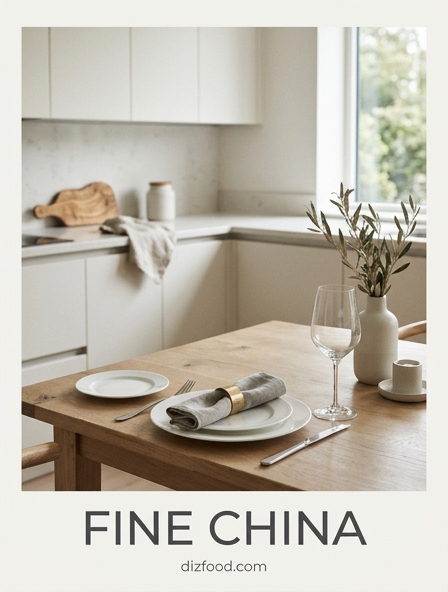
The Timeless Heritage of Fine China
The history of fine china is a narrative of global trade, artistic evolution, and the pursuit of ceramic perfection. Originating in China during the Tang Dynasty, these exquisite vessels were initially a closely guarded secret, sought after by European royalty who dubbed the material "white gold." By the 18th century, the fascination with porcelain led to the establishment of legendary manufactories across Europe, each refining the techniques required to produce thin, resonant, and translucent wares that could withstand the rigors of high-society banquets.
Today, fine china remains a symbol of cultural refinement and domestic pride. It bridges the gap between functional utility and decorative art, serving as a canvas for intricate hand-painted motifs and gilded accents. The legacy of these pieces is often intertwined with family histories, as sets are passed down through generations. The enduring appeal of fine china lies in its ability to adapt to changing aesthetics while maintaining its core identity of elegance.
- Cultural significance in formal diplomatic hosting.
- Evolution from cobalt blue patterns to minimalist modernism.
- The historical impact of the Silk Road on ceramic distribution.
- Preservation of traditional craftsmanship in the digital age.
Bone China Composition and Craftsmanship
The distinction between standard porcelain and bone china lies in the specific chemical composition and the firing temperatures used during production. Bone china is characterized by its high levels of translucency and remarkable physical strength, achieved through the inclusion of calcined animal bone ash. This ingredient creates a unique crystalline structure that allows the finished product to be thinner and lighter than traditional ceramic alternatives without sacrificing integrity.
The manufacturing process is intensive, requiring at least two separate firings at varying temperatures to achieve the desired vitrification. The first firing, known as the biscuit firing, sets the shape, while the second glaze firing creates the non-porous, glass-like finish. Mastery over the kiln environment is essential to prevent warping or cracking of the delicate forms.
| Component | Typical Percentage | Primary Function |
|---|---|---|
| Bone Ash | 30% - 50% | Translucency and strength |
| Kaolin | 25% - 30% | Plasticity and shape retention |
| Petuntse | 25% - 30% | Vitrification and hardness |
Debunking the Myth of Fragility
A common misconception regarding fine china is that its delicate appearance equates to extreme fragility. In reality, high-quality bone china and porcelain are among the strongest materials used in the kitchen. The high firing temperatures create a dense, non-porous body that is significantly more resistant to chipping and cracking than standard earthenware or stoneware. Its lightweight nature is a result of material efficiency, not a lack of structural durability.
The resilience of fine china makes it suitable for much more than just display cabinets. Because the material is vitrified, it does not absorb water or food particles, which prevents the development of internal stresses that lead to thermal shock. While it should be handled with care, it is designed to withstand the physical demands of serving multi-course meals and frequent handling. Understanding this durability allows owners to use their collections with confidence rather than fear.
- Superior chip resistance compared to ceramic alternatives.
- High tensile strength due to bone ash content.
- Resistance to surface scratching from cutlery.
- Long-term structural integrity over decades of use.
The Science Behind Porcelain Strength
The strength of porcelain is rooted in the process of vitrification, a thermochemical reaction that occurs when minerals are heated to temperatures exceeding 1,200 degrees Celsius. This process causes the raw materials to melt and fuse into a solid, glass-like substance. The resulting material is incredibly dense, leaving no room for air pockets or moisture absorption, which are the primary causes of failure in lesser ceramics.
Beyond the firing process, the geometric design of fine china contributes to its longevity. Modern engineering principles are applied to the rim thickness and base stability to ensure even heat distribution and impact resistance. The glaze itself acts as a protective armor, chemically bonding to the body to create a unified structure that is harder than many metals. This scientific approach ensures that even the thinnest teacup can support significant pressure.
- Selection of high-purity minerals for structural consistency.
- Precision shaping to eliminate stress points in the clay.
- High-temperature vitrification to reach maximum density.
- Application of lead-free glazes for a hard, protective exterior.
Elevating the Modern Dining Experience
In a contemporary world often dominated by disposable goods, fine china provides a necessary anchor to the ritual of dining. The aesthetic appeal of a well-set table influences the psychological perception of a meal, making the food appear more appetizing and the occasion more significant. The tactile sensation of holding a perfectly balanced porcelain plate or the clarity of the ring when a saucer is touched adds a sensory layer to the experience that plastic or heavy stoneware cannot replicate.
Fine china also allows for a creative expression that bridges the gap between tradition and modern design trends. Whether featuring bold geometric patterns or classic floral motifs, the tableware sets the tone for the environment. It encourages diners to slow down, appreciate the presentation, and engage more deeply with their company. By elevating the mundane act of eating into a curated event, fine china transforms the kitchen and dining room into spaces of intentionality and beauty.
- Enhanced visual presentation of culinary creations.
- Tactile satisfaction from lightweight, balanced vessels.
- Improved acoustic environment through the resonance of quality ceramic.
- Creation of a focused, intentional dining atmosphere.
Practical Benefits of Daily Use
While often reserved for special occasions, fine china offers numerous practical advantages for daily use. One of the most significant benefits is its superior heat retention; porcelain and bone china keep food and beverages warm for longer periods than glass or plastic. Additionally, the non-porous surface is naturally hygienic, as it does not harbor bacteria or retain odors and flavors from previous meals. This makes it an exceptionally clean choice for health-conscious households.
Furthermore, many modern fine china sets are designed with versatility in mind, making them more resilient to the pace of contemporary life. The smooth glaze ensures that food residues slide off easily, simplifying the cleaning process. Because high-quality sets are resistant to staining, they maintain their pristine white appearance even after years of contact with acidic or highly pigmented foods like tomato sauce or coffee. Embracing fine china for daily meals is an investment in both utility and daily enjoyment.
- Natural resistance to staining and odors.
- Excellent thermal properties for temperature regulation.
- Microwave and dishwasher safety in many modern collections.
- Reduced storage footprint due to thin, stackable designs.
Essential Care and Maintenance Tips
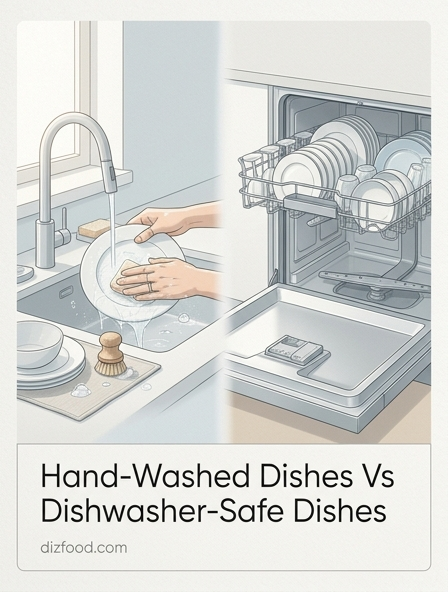
Maintaining the luster and integrity of fine china requires a combination of gentle handling and informed cleaning practices. Although many modern sets are labeled as dishwasher safe, hand washing remains the gold standard for preserving delicate hand-painted details or metallic gilding. Using a mild detergent and a soft sponge prevents the abrasive wear that can occur during high-pressure machine cycles. It is also advisable to place a rubber mat in the sink to cushion the pieces against accidental bumps.
Storage is equally important in preventing damage. When stacking plates, placing felt or paper dividers between each piece prevents the foot of one plate from scratching the glaze of the one beneath it. Avoid overcrowding shelves to minimize the risk of knocking items over. For pieces with gold or platinum accents, avoiding the microwave is critical, as the metal can spark and permanently damage both the china and the appliance. Consistent, mindful care ensures these items remain in mint condition for decades.
- Hand wash with warm water and non-citrus detergents.
- Use felt separators when stacking to prevent glaze scratches.
- Avoid sudden temperature fluctuations to prevent thermal shock.
- Inspect pieces regularly for hairline cracks or signs of wear.
Identifying Authentic High Quality Sets
Discerning the quality of fine china involves evaluating several physical characteristics that distinguish premium craftsmanship from mass-produced imitations. The most immediate test is translucency; when held up to a light source, high-quality bone china should allow a soft glow to pass through the material, and you should be able to see the shadow of your hand behind it. Additionally, the color should be a warm, creamy white rather than a stark, bluish-gray, which often indicates lower-grade clay.
The "ring test" is another reliable method for checking structural integrity and quality. When gently tapped with a fingernail or a wooden spoon, authentic fine china will produce a clear, sustained bell-like tone. A dull thud can suggest a hidden crack or inferior material composition. Finally, checking the backstamp on the underside of the piece provides vital information regarding the manufacturer, the country of origin, and the specific collection name, ensuring the item's provenance.
| Feature | High-Quality Indicator | Lower-Quality Indicator |
|---|---|---|
| Translucency | High (visible light passage) | Opaque or muddy |
| Resonance | Clear, musical ring | Short, dull thud |
| Weight | Light and balanced | Heavy and bulky |
| Surface | Smooth, pit-free glaze | Pinholes or orange-peel texture |
The Art of Sophisticated Tablescaping
Tablescaping is the creative process of arranging a table to enhance the dining theme and atmosphere. Fine china serves as the anchor for this art form, providing the primary texture and color palette. A sophisticated table often utilizes layering to create depth; this involves placing a decorative charger plate at the base, followed by a dinner plate, and topped with a salad plate or soup bowl. This vertical arrangement adds a sense of abundance and formality to the setting.
Beyond the dishes, successful tablescaping incorporates complementary elements like linens, glassware, and centerpieces. When using patterned china, it is often best to choose neutral linens to let the ceramic designs stand out. Conversely, minimalist white china can be paired with bold, textured runners and vibrant floral arrangements. The goal is to create a cohesive visual narrative that welcomes guests and sets the stage for the culinary experience, turning a simple meal into a memorable event.
- Mixing and matching patterns for a curated, eclectic look.
- Using height variations with candles and floral displays.
- Incorporating seasonal elements to reflect the time of year.
- Balancing formal etiquette with personal creative flair.
Investing in Heirloom Quality Tableware
Purchasing fine china is more than a simple acquisition of kitchenware; it is a long-term investment in functional art and family heritage. High-quality sets from reputable manufacturers often retain or even increase in value over time, especially if the patterns are discontinued and become sought after by collectors. Unlike trendy, mass-produced items that may go out of style or wear out within a few years, fine china is built to last for generations, carrying the stories of countless shared meals and celebrations.
When selecting a set for investment, it is wise to choose classic patterns that offer timeless appeal. While bold designs are striking, traditional motifs or elegant white-on-white textures tend to remain relevant across changing interior design eras. Investing in "open stock" patterns also ensures that broken pieces can be replaced easily in the future. Ultimately, the true value of heirloom tableware lies in its emotional resonance-the ability to connect the past, present, and future through the simple, beautiful act of gathering around a table.
- Research the reputation and history of the ceramic house.
- Prioritize timeless designs over passing fashion trends.
- Consider the availability of replacement pieces and accessories.
- Document the collection for insurance and genealogical purposes.

Comments