
Have you ever wondered why eco-conscious home cooks are swapping their old tools for bamboo? As the world's fastest-growing grass, bamboo is a self-regenerating powerhouse that requires zero pesticides and very little water to thrive. This makes it an incredibly resilient and sustainable choice for modern kitchenware, offering a natural antimicrobial surface that's both lightweight and remarkably durable. Unlike traditional hardwoods, bamboo reaches maturity in just a few years, providing a continuous supply of material that actively absorbs carbon dioxide while oxygenating our air. To see how these natural fibers truly compare to synthetic alternatives, consider the long-term benefits of choosing Plastic Cutlery Vs Bamboo Cutlery.
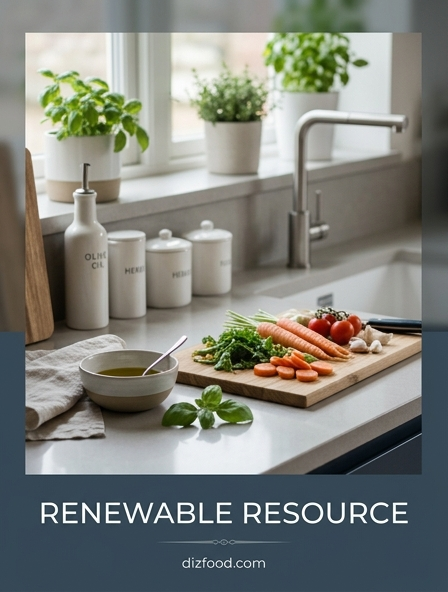
Rapid Growth and Regenerative Harvesting
Bamboo stands as one of the most prolific renewable resources available for modern kitchenware manufacturing. Unlike traditional hardwoods such as oak or maple, which require decades to reach maturity, specific bamboo species can grow up to three feet within a single twenty-four-hour period. This rapid biological development allows for a harvest cycle every three to five years, ensuring a consistent supply of raw material without depleting the source forests. The plant's unique rhizome root system is the key to its regenerative success; it remains intact after harvesting, allowing the plant to sprout new shoots naturally without the need for manual replanting or intensive agricultural intervention.
- Minimal gestation period compared to traditional timber.
- Self-sustaining root systems that prevent deforestation.
- High yield per acre, requiring less land for production.
- Reduced reliance on fossil-fuel-dependent replanting machinery.
By integrating these fast-growing grasses into the kitchen supply chain, manufacturers can meet the rising global demand for cutting boards, utensils, and storage solutions. This regenerative cycle promotes a stable ecosystem while providing a high-density material that rivals the structural integrity of much slower-growing alternatives, making it a cornerstone of sustainable interior design.
Natural Antibacterial Properties for Food Safety
In the culinary environment, hygiene is paramount, and bamboo offers a distinct biological advantage through a natural bio-agent known as "bamboo kun." This unique antimicrobial component is found within the fiber of the plant, providing a built-in defense mechanism against pests and bacteria during growth. When processed into kitchen tools like chopping blocks and serving spoons, these properties persist, helping to inhibit the proliferation of harmful microorganisms that often thrive on damp surfaces. Research indicates that bamboo surfaces are less hospitable to bacteria such as E. coli and Salmonella compared to many synthetic plastics.
- Natural resistance to fungal growth in humid kitchen environments.
- Reduction of cross-contamination risks during raw food preparation.
- Elimination of the need for harsh chemical sanitizers on the material surface.
- Long-term preservation of the material's structural integrity against rot.
Because the antibacterial effect is an intrinsic quality of the fiber rather than a temporary coating, it does not wash away over time. This makes bamboo an exceptionally safe choice for families looking to minimize chemical exposure while maintaining high standards of food safety. Utilizing these renewable resources ensures that the tools used to prepare meals are as clean as the ingredients themselves.
Unmatched Durability for Daily Kitchen Use
Despite its lightweight appearance, bamboo possesses a tensile strength that surpasses many types of steel and a compressive strength higher than concrete. In the kitchen, this translates to tools that can withstand the rigorous demands of daily chopping, stirring, and heavy-duty food preparation. Bamboo kitchenware is significantly harder than traditional wood, which prevents knives from creating deep grooves where bacteria can hide. This hardness also ensures that the items do not warp or crack easily when exposed to the fluctuating temperatures of a busy cooking environment.
| Material Type | Janka Hardness Rating | Expected Lifespan |
|---|---|---|
| Traditional Bamboo | 1,380 lbf | 10+ Years |
| Carbonized Bamboo | 1,180 lbf | 8+ Years |
| White Oak | 1,360 lbf | 15+ Years |
The structural density of bamboo fibers prevents the absorption of liquids, which is the primary cause of splitting in wooden utensils. By choosing bamboo, consumers invest in kitchen essentials that offer the longevity of premium hardwoods but with a significantly smaller environmental footprint. This durability reduces the frequency of replacements, further supporting a sustainable lifestyle by minimizing household waste over several years of use.
Carbon Sequestration and Soil Health Benefits
Bamboo plays a critical role in mitigating climate change through its superior ability to sequester carbon dioxide. During its rapid growth phase, a bamboo forest can absorb up to five times more CO2 and release 35% more oxygen into the atmosphere than an equivalent stand of trees. For the kitchenware industry, this means that every bamboo bowl or utensil produced is derived from a plant that actively cleaned the air during its lifecycle. Furthermore, the extensive root networks of bamboo help to bind the soil together, preventing erosion in regions prone to heavy rainfall.
- High carbon-to-biomass conversion rates during maturation.
- Enhanced oxygen production compared to deciduous forests.
- Prevention of nutrient leaching in tropical agricultural zones.
- Restoration of degraded land through deep-root nitrogen fixation.
The environmental impact extends beyond the kitchen shelf. By cultivating bamboo for consumer goods, producers contribute to the stabilization of riverbanks and the protection of local watersheds. This creates a holistic benefit where the purchase of a simple kitchen item supports global efforts to reduce the atmospheric carbon load and maintain the fertility of the Earth's topsoil for future generations.
Biodegradable Lifecycle and Circular Economy
One of the most significant advantages of using bamboo in the kitchen is its ability to reintegrate into the earth at the end of its functional life. Unlike plastic containers or silicone utensils that can linger in landfills for centuries, bamboo products are fully biodegradable. When a bamboo cutting board finally reaches the end of its utility, it can be composted or broken down in a natural environment. This cradle-to-grave lifecycle is the epitome of a circular economy, where waste is virtually eliminated through biological recycling.
- Decomposition occurs within months in a managed compost setting.
- Nutrients are returned to the soil, supporting new plant growth.
- Reduction of microplastic pollution in marine and terrestrial ecosystems.
- Lower energy requirements for disposal compared to incineration.
The transition toward bamboo-based kitchen solutions addresses the growing crisis of household waste. By selecting products that harmonize with natural cycles, consumers ensure that their culinary habits do not leave a permanent scar on the planet. This circular approach transforms the kitchen from a site of consumption into a participant in the global movement toward zero-waste living and responsible resource management.
Chemical Free and Non Toxic Composition
The cultivation of bamboo is inherently more eco-friendly than many other crops because it rarely requires synthetic pesticides or fertilizers to thrive. Its natural resistance to pests allows farmers to maintain organic standards without the use of toxic runoff that can contaminate local water supplies. When these fibers are converted into kitchenware, the resulting products are generally free from harmful chemicals like Bisphenol A (BPA), phthalates, and formaldehyde, which are frequently found in plastic and composite wood alternatives.
- No synthetic pesticides used during the agricultural phase.
- Naturally low VOC (Volatile Organic Compound) emissions.
- Safe for direct contact with high-temperature food items.
- Hypoallergenic properties for sensitive household members.
Choosing non-toxic bamboo utensils ensures that no chemical leaching occurs when stirring hot soups or storing acidic foods. This purity is vital for maintaining a healthy home environment, as it eliminates the subtle risks of endocrine disruption associated with long-term plastic use. Bamboo provides a clean, neutral medium that preserves the flavor of food while offering peace of mind regarding the chemical safety of the tools being utilized daily.
Superior Moisture Resistance and Warp Prevention
Kitchen environments are characterized by high humidity and frequent exposure to liquids, conditions that typically degrade wooden and metal tools. Bamboo, however, possesses a unique cellular structure that is naturally hydrophobic. This means it absorbs less water than traditional woods, which significantly reduces the likelihood of warping, swelling, or cracking. For items like steamer baskets, salad bowls, and drying racks, this moisture resistance is a critical functional benefit that ensures the product remains level and structurally sound over hundreds of wash cycles.
| Feature | Bamboo Benefit | Standard Wood Issue |
|---|---|---|
| Water Absorption | Low (High Density) | High (Porous) |
| Shape Retention | Remains Stable | Prone to Warping |
| Drying Speed | Rapid Air Dry | Slow (Retains Dampness) |
Because bamboo does not trap moisture as readily as other materials, it also resists the development of odors and stains. This makes it an ideal resource for items that come into contact with pungent ingredients like garlic or onions. The material's ability to maintain its dimensions despite steam and heat makes it a superior choice for ergonomic kitchen design, where precision and reliability are essential for culinary success.
Lightweight Strength for Ergonomic Cookware
The physical weight of kitchen tools significantly impacts the comfort and efficiency of the cook. Bamboo offers a remarkable strength-to-weight ratio, allowing for the creation of sturdy utensils that are easy to maneuver. Heavy cast iron or dense stone tools can lead to wrist fatigue during long preparation sessions, but bamboo provides a lightweight alternative that does not sacrifice durability. This makes it particularly suitable for large serving platters, long-handled stir-fry spatulas, and portable lunch boxes that need to be both robust and easy to carry.
- Reduced strain on joints during repetitive stirring and flipping.
- Excellent balance for precision tasks like whisking and folding.
- Safe for use on delicate non-stick cookware surfaces.
- Portable design for outdoor dining and sustainable picnicking.
Furthermore, bamboo's smooth texture and natural temperature insulation make it comfortable to hold, even when used with boiling liquids. Unlike metal spoons, bamboo handles do not conduct heat, preventing accidental burns. This combination of ergonomic comfort and structural resilience makes bamboo an essential material for both professional chefs and home enthusiasts who value functional efficiency in their renewable kitchen tools.
Aesthetic Versatility for Sustainable Dining
Bamboo brings a modern, organic aesthetic to the kitchen that complements a wide range of interior styles, from minimalist Scandinavian to rustic farmhouse. Its natural grain patterns are distinct and elegant, offering a warmth that synthetic materials cannot replicate. Beyond its raw form, bamboo can be processed into various textures and shades, such as "carbonized" bamboo, which features a deep amber color achieved through a steam-heating process that caramelizes the natural sugars within the fiber. This versatility allows it to be used for everything from sleek flooring to intricate tabletop accessories.
- Natural light blonde tones for a clean, bright kitchen look.
- Deep honey hues for traditional or transitional decor.
- Seamless integration with stone, glass, and stainless steel.
- Unique fiber patterns that make every piece a one-of-a-kind item.
The visual appeal of bamboo encourages a more conscious connection to the natural world. When dining sets and serving boards are crafted from renewable resources, the act of eating becomes an extension of environmental values. The timeless beauty of the material ensures that these items do not go out of style, promoting a "buy less, buy better" philosophy that is essential for a sustainable future in home design.
Reducing Plastic Consumption with Bamboo Fibers
The global push to eliminate single-use plastics has found a powerful ally in bamboo fiber technology. By pulverizing bamboo into a fine powder and mixing it with natural resins, manufacturers can create durable, reusable plates, cups, and storage containers that replace disposable plastic counterparts. This innovation significantly reduces the volume of petroleum-based products entering the waste stream. Unlike plastic, which breaks down into harmful microplastics, bamboo fiber products eventually return to the earth without leaving toxic residues, providing a clean alternative for the modern household.
- Substitution of nylon and silicone in kitchen gadgets.
- Reduction of fossil fuel extraction for plastic production.
- Lower energy footprint in the manufacturing of composite goods.
- Encouraging a shift away from a "throwaway" culture.
As consumers become more aware of the environmental costs of plastic, bamboo offers a practical and scalable solution. From coffee filters to dish brushes and storage lids, the versatility of bamboo fibers allows for a comprehensive transition to a plastic-free kitchen. By adopting these renewable alternatives, households can drastically reduce their ecological footprint while enjoying high-performance products that are designed with the health of the planet in mind.

Comments