
Designing Flow with High Tops
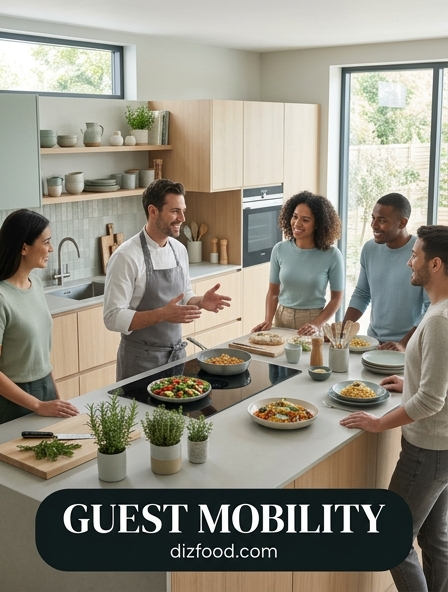
High-top tables are essential architectural elements in modern kitchen and dining environments focused on guest mobility. Unlike traditional seated arrangements, these elevated surfaces serve as temporary landing zones that facilitate brief interactions without anchoring guests to a single location. By positioning high tops in strategic clusters, designers can create a natural serpentine path that encourages guests to weave through the space. This verticality provides a clear line of sight across the room, allowing attendees to identify colleagues or friends from a distance, which inherently promotes purposeful movement.
Furthermore, the absence of chairs at these stations eliminates the physical and psychological barrier of settling in. Guests are more likely to migrate toward food stations or bars when they are already in a standing position. To optimize this layout, designers should consider the following benefits:
- Encourages frequent posture changes and active engagement.
- Maximizes floor capacity by reducing the footprint of bulky furniture.
- Facilitates quick dish clearance, as guests do not linger over finished plates.
- Enhances the energetic atmosphere by keeping guests at eye level.
Strategic Small Plate Placement
The spatial distribution of small plates is a subtle yet powerful tool for controlling guest circulation. Rather than centralizing all culinary offerings on one large buffet table, planners should distribute small plate stations across various zones of the kitchen and dining area. This strategy prevents the formation of dead zones and forces guests to navigate the entire venue to experience the full menu. By placing high-demand items in the corners furthest from the entrance, you naturally draw the crowd inward, easing congestion at the threshold.
When guests move between these stations, they are more likely to encounter different groups, fostering a more dynamic social environment. The cadence of movement is dictated by the placement of these culinary touchpoints. Consider this implementation order for maximum flow efficiency:
- Identify high-traffic corridors and keep them clear of stationary tables.
- Place lighter appetizers near the entrance to satisfy immediate hunger.
- Position signature hot dishes at the perimeter to draw guests across the floor.
- Locate dessert plates near exit paths to signal a natural progression.
Interactive Food Station Dynamics
Interactive food stations transform the kitchen from a service area into a theatrical stage, significantly impacting how guests move. When a chef is actively preparing a dish, the station becomes a visual and olfactory magnet. This engagement keeps guests moving from one experience to the next, provided the stations are spaced appropriately to manage queues. The dynamic nature of these stations requires a balance between the time spent watching preparation and the speed of service to prevent stagnant lines that block thoroughfares.
To manage these dynamics, planners must evaluate the complexity of the dish against the expected guest count. High-mobility events benefit from stations that offer quick finishing touches rather than long cooking processes.
| Station Type | Mobility Level | Wait Time |
|---|---|---|
| Carving Station | Medium | Low |
| Live Flambé | Low | High |
| Oyster Shucking | High | Instant |
| Custom Pasta | Very Low | Very High |
By selecting stations with high mobility levels, the kitchen remains a fluid environment where guests feel encouraged to explore rather than wait.
Decentralized Beverage Bars
A common pitfall in kitchen-centered events is the single bar bottleneck, where the majority of guest density congregates around one service point. Decentralizing beverage service is the most effective remedy for this issue. By breaking the bar into specialized satellites-such as a wine corner, a craft cocktail station, and a dedicated hydration point-you distribute the crowd evenly across the room. This layout ensures that guests are constantly transitioning between areas, which increases the likelihood of spontaneous networking.
This decentralization also allows for themed zones that can dictate the mood of different kitchen areas. For instance, a coffee station might be placed in a quieter nook to encourage longer conversations, while a sparkling wine bar thrives in high-energy, central locations. Key advantages include:
- Reduces wait times and improves overall guest satisfaction.
- Prevents overcrowding in high-traffic kitchen entryways.
- Encourages guests to discover underutilized spaces within the venue.
- Allows for more targeted service and specialized staff interactions.
The goal is to ensure a guest never has to walk more than a few paces to refresh their drink, maintaining a steady flow.
Bite Sized Networking Advantages
The choice of menu items directly influences the physical freedom of the guests. Bite-sized offerings are the gold standard for high-mobility kitchen events because they eliminate the need for traditional cutlery and seated dining. When a guest can consume a dish in one or two bites while holding a glass, they remain socially agile. This one-hand rule is vital; it allows the other hand to remain free for handshakes, gestures, or navigating through a crowded room without the risk of spills.
From a logistical perspective, small portions reduce the physical weight guests carry, making them more willing to stay on their feet for longer durations. Large, heavy plates often lead guests to seek out the nearest chair, which effectively ends their networking circuit. By keeping the food light and manageable, the event maintains a sense of momentum. The kitchen can continuously push out fresh, small batches, ensuring that guests are always moving toward the next hot tray. This creates a rhythm of consumption and conversation that is far more vibrant than the static nature of a formal sit-down meal.
Eliminating Seated Dining Barriers
Traditional seated dining acts as a structural barrier to guest mobility and social cross-pollination. Once a guest is seated, their sphere of interaction is typically limited to the people immediately to their left and right. In a kitchen environment designed for connection, removing the majority of chairs breaks these invisible walls. This shift forces a change in social behavior, as guests must remain upright and active to engage with the event offerings.
Without the safety net of an assigned seat, guests are pushed to navigate the space, leading to a much higher volume of unique interactions. The removal of chairs also opens up significant floor space, allowing for wider walkways and better access to the kitchen action. Consider these steps:
- Remove 70% of standard seating to promote a standing culture.
- Replace tables with perimeter ledges to provide a place for drinks.
- Use area rugs to define standing zones rather than sitting zones.
- Train staff to clear discarded items quickly to maintain a clean aesthetic.
Culinary Layout and Movement
The physical layout of the kitchen and serving areas must be meticulously planned to facilitate intuitive movement. A successful design treats the floor as a series of interconnected nodes rather than a single destination. High-traffic highways should be clearly defined, leaving ample space between the kitchen prep islands and the guest-facing serving stations. This prevents clogging when service staff are moving back and forth with fresh supplies. Visibility is a key component; if a guest can see the next station, they are more likely to migrate toward it.
| Layout Style | Movement Pattern | Guest Density |
|---|---|---|
| Perimeter Loop | Circular | Low/Dispersed |
| Central Island | Radiating | High/Centralized |
| Scatter Plot | Random | Moderate/Fluid |
| Linear Alley | One-way | Controlled/Direct |
By choosing a Scatter Plot or Perimeter Loop, planners can maximize the square footage of the kitchen, ensuring that mobility remains the primary focus. This arrangement prevents large groups from clustering in a way that blocks access to the culinary highlights.
Handheld Appetizer Logistics
Managing the logistics of handheld appetizers is critical to maintaining a clean and mobile environment. Unlike plated meals, handheld items generate a constant stream of small waste-skewers, napkins, and shot glasses. If there is no clear place to dispose of these items, guests will accumulate them, which physically anchors them to a spot. Strategically placed disposal hubs are just as important as the food stations themselves to keep guests moving freely.
Service staff also play a mobile role in this ecosystem. Instead of waiting behind a counter, servers should move through the crowd, offering items directly. This proactive approach brings the food to the guest, reducing the need for guests to commute to a central point. Strategies include:
- Provide double-layered napkins with every item to prevent messes.
- Ensure disposal bins are discreet but placed near exits and corners.
- Design snacks that do not require sauces that could drip on clothing.
- Use edible containers, like crouton cups, to minimize physical waste.
Open Kitchen Engagement Hubs
The open kitchen serves as the ultimate engagement hub, drawing guests in with the sights and sounds of culinary mastery. This transparency bridges the gap between the guest and the chef, creating a conversational starting point. When guests can see their food being prepared, it builds trust and excitement, encouraging them to linger just long enough to appreciate the craft before moving on. To maximize mobility, the open kitchen should have multiple viewing ports rather than one single window.
By spreading the kitchen activity across a wide counter, you allow more guests to observe the action without creating a bottleneck. This arrangement also allows the culinary team to interact directly with the attendees, answering questions and providing a more personalized experience. The energy of a working kitchen is infectious; it creates a natural background noise that fills the silence, making guests feel more comfortable moving around and speaking loudly. In this setup, the kitchen is no longer a hidden service area but the heartbeat of the social flow, drawing people in and then dispersing them back into the party.
Mobile Dining for Connection
The ultimate goal of focusing on guest mobility within a kitchen setting is to foster deeper human connection. Mobile dining removes the formalities of the table, creating an egalitarian environment where every guest is free to curate their own experience. By prioritizing movement, you allow for a variety of social interactions, ranging from quick walk-by greetings to more intensive conversations at a high-top station. This flexibility is the hallmark of a successful modern gathering.
As the event progresses, the fluid nature of the space allows it to evolve. What started as a tasting tour can transition into a high-energy social hour without moving furniture. To ensure success, follow these principles:
- Encourage guests to switch groups every time they visit a new station.
- Design the menu to spark conversation with unique, trending ingredients.
- Use lighting to subtly guide guests toward different areas of the room.
- Evaluate success based on the hum of the room and the frequency of movement.
In conclusion, a mobile kitchen layout ensures that the food serves as a catalyst for movement and connection, rather than an end in itself.

Comments