
Choosing between a built-in and a portable dishwasher often comes down to your kitchen's footprint and your long-term living situation. If you're a homeowner looking for a seamless, quiet aesthetic that adds property value, a built-in model tucked under your counters is the gold standard for high-capacity cleaning and integrated design. On the other hand, renters or those with limited cabinet space will find portable units to be a total lifesaver; these versatile machines roll right to the sink when needed and require zero permanent plumbing modifications. Whether you prioritize the "set it and forget it" convenience of an integrated unit or the flexible, hook-and-go nature of a mobile model, understanding how each impacts your daily workflow is the first step toward a more efficient, sparkingly clean kitchen.
| Feature | Built-In Dishwasher | Portable Dishwasher |
|---|---|---|
| Installation | Permanent; requires professional plumbing & electrical. | Plug-and-play; connects to standard kitchen faucets. |
| Capacity | Standard 24"; fits 12-16 full place settings. | Compact 18-24"; fits 8-12 place settings. |
| Space Impact | Hidden; replaces a base cabinet under the counter. | Requires floor space; top can double as a butcher block. |
| Noise Level | Ultra-quiet (38-50 dB) due to cabinet insulation. | Louder (50-60+ dB); lacks external sound dampening. |
| Avg. Price | $400 - $1,500+ (plus $150-$300 installation). | $300 - $700 (no installation fees). |
| Resale Value | High; considered a permanent home upgrade. | Low; considered a portable appliance you take with you. |
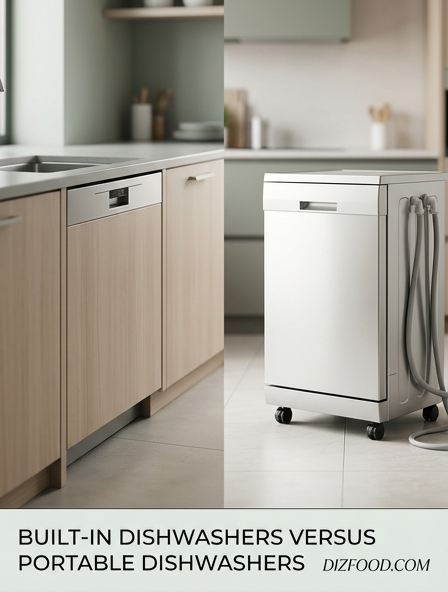
Built-In Versus Portable Dishwashers Pros and Cons
Choosing between a built-in and a portable dishwasher requires a careful evaluation of your lifestyle, kitchen architecture, and long-term housing plans. Built-in units are the industry standard for modern homes, offering a seamless integration that hides the appliance behind cabinetry or matches stainless steel finishes. These units are typically more robust, offering advanced features and specialized wash zones that cater to heavy-duty cleaning needs. However, they require a permanent location and professional installation, making them less ideal for those who anticipate moving frequently or live in older homes with restricted layouts.
Portable dishwashers, on the other hand, provide a unique level of versatility. These units sit on casters and can be rolled to the sink when needed, then stored in a corner or pantry when not in use. While they offer the convenience of no-permanent installation, they often lack the high-end aesthetic of built-in models and can be noisier during operation. Below are some of the primary advantages and disadvantages to consider:
- Built-In Pros: Permanent aesthetic appeal, higher resale value, quieter operation due to cabinetry insulation, and larger capacity.
- Built-In Cons: High upfront installation costs, requires dedicated plumbing and electrical, and cannot be moved easily.
- Portable Pros: No professional installation required, mobile for renters, additional workspace via butcher-block tops, and lower initial price.
- Portable Cons: Occupies floor space, must be manually connected to the faucet for every use, and generally has fewer cycle options.
Space Considerations and Kitchen Layout Compatibility
The layout of your kitchen often dictates which type of dishwasher is most feasible. In a standard kitchen design, a 24-inch gap is usually reserved under the countertop next to the sink for a built-in unit. This configuration optimizes workflow, allowing for easy rinsing and loading. If your kitchen lacks this specific cavity, installing a built-in model may require expensive cabinetry modifications, which can disrupt the visual flow of the room and require a significant renovation budget. Small or historic kitchens frequently face this challenge, as original cabinetry was rarely designed with modern appliances in mind.
Portable dishwashers solve the "no space" dilemma by existing outside the fixed cabinetry. Because they are freestanding, they do not require a dedicated under-counter slot. However, they do require floor space elsewhere in the kitchen or an adjacent room. When evaluating your layout, consider the "work triangle" and where a portable unit will sit during its cleaning cycle. It must be close enough to the sink for the hoses to reach the faucet, which can temporarily block access to the stove or refrigerator. The following table compares common spatial dimensions for both types:
| Feature | Built-In Dishwasher | Portable Dishwasher |
|---|---|---|
| Standard Width | 24 inches (standard) or 18 inches (slimline) | 18 to 24 inches |
| Depth Requirements | 24 inches (flush with cabinets) | Variable; requires clearance for movement |
| Height | 33-35 inches (adjustable feet) | 36 inches (standard counter height) |
| Impact on Countertop | Fits underneath existing counters | Adds additional surface area to the kitchen |
Installation Requirements and Plumbing Differences
The installation process is one of the most significant dividing lines between built-in and portable models. A built-in dishwasher is a permanent fixture that requires three distinct connections: a dedicated 120-volt electrical circuit, a hot water supply line, and a drain line connected to the kitchen sink's P-trap or a garbage disposal. Because these connections are hidden behind the unit, the installation usually requires a plumber or an experienced DIYer to ensure there are no leaks that could damage subflooring or cabinetry over time.
Portable dishwashers are designed for "plug-and-play" utility. They do not require permanent plumbing. Instead, they use a "unicouple" fitting that attaches directly to the nozzle of your existing kitchen faucet. This fitting contains both the intake hose for hot water and the discharge hose for wastewater. While this simplifies the setup, it does mean your kitchen faucet is unavailable for other uses while the dishwasher is running. To successfully set up these units, follow these general steps:
- Roll the dishwasher to a position within reach of the kitchen sink.
- Remove the aerator from your faucet and attach the specialized adapter provided with the unit.
- Snap the unicouple onto the faucet adapter and ensure it is securely locked.
- Plug the power cord into a standard grounded wall outlet.
- Turn on the hot water tap to allow the unit to fill as needed during the cycle.
- Once the cycle is complete, press the pressure release button on the unicouple before disconnecting.
Cleaning Performance and Cycle Options
When it comes to the core task of scrubbing dishes, built-in models generally have a technological edge. Because they are designed for permanent installation, manufacturers often equip them with more powerful pumps, multiple spray arms (lower, middle, and upper), and specialized filtration systems that grind up food particles. Many built-in units also include high-end features like targeted bottle jets, steam pre-wash cycles, and heated drying elements that ensure plastics come out bone-dry. These units are engineered to handle the toughest baked-on grease with specialized "heavy duty" or "pro-wash" settings that adjust water pressure and temperature dynamically.
Portable dishwashers have seen significant improvements in cleaning technology, but they are often more streamlined. Most portable units feature a single or double spray arm system. While they are highly effective for daily plates and glassware, they may struggle with extremely large pots or heavily soiled pans compared to their built-in counterparts. However, they still offer the essential cycles that most users need for daily maintenance. Common cycles found across both types include:
- Normal Wash: The standard setting for everyday soil levels.
- Heavy/Pots and Pans: Uses higher temperatures and longer durations for stuck-on food.
- Quick Wash/1-Hour Wash: Ideal for lightly soiled items when you are in a rush.
- Rinse Only: For rinsing a partial load to prevent odors until the machine is full.
- Eco-Mode: Optimizes water and energy usage for a more sustainable clean.
Capacity Comparison for Large Families vs Small Households
Capacity is measured in "place settings," which includes a dinner plate, dessert plate, bowl, cup, saucer, and cutlery for one person. Built-in dishwashers are the heavyweights in this category. A standard 24-inch built-in unit can typically hold 12 to 16 place settings, making it the preferred choice for large families or those who host frequent dinner parties. The interior racks are often highly adjustable, featuring fold-down tines and height-adjustable top racks to accommodate oversized platters or tall stockpots. For a household of four or more, a built-in unit usually means running the machine only once per day.
Portable dishwashers come in two primary sizes: the 18-inch "slimline" and the 24-inch full-size portable. The slimline models are popular in small apartments and usually hold about 8 place settings, which is sufficient for a single person or a couple. The 24-inch portables can match the capacity of built-in models, holding 12 to 14 settings. However, the external housing of a portable unit makes it feel much bulkier than a built-in one. The table below illustrates the typical capacity expectations:
| Dishwasher Type | Average Place Settings | Best Household Fit |
|---|---|---|
| 18-inch Portable | 8 - 10 | Singles, Couples, Studio Apartments |
| 24-inch Portable | 12 - 14 | Small Families, Renters in Houses |
| 18-inch Built-In | 8 - 10 | Compact Kitchens, Secondary Bars |
| 24-inch Built-In | 12 - 16 | Large Families, Frequent Entertainers |
Energy Efficiency and Long Term Utility Costs
Operating costs are a major concern for any homeowner, and dishwashers are no exception. Modern built-in dishwashers are frequently designed with Energy Star certification, meaning they meet strict federal guidelines for water and electricity consumption. Many high-end built-in models use as little as 3 gallons of water per cycle, which is significantly more efficient than hand-washing. Furthermore, because they are hardwired and integrated into the plumbing, they can leverage the home's water heating system more effectively, often featuring internal heaters to boost temperatures only when necessary to save energy.
Portable dishwashers are generally slightly less efficient than top-tier built-in models, though many still carry Energy Star ratings. One hidden cost of portable units is the potential for heat loss. Since the water travels through a hose from the faucet to the machine, it can cool down slightly, requiring the dishwasher's internal heater to work harder. Additionally, if the faucet is left running to find the right temperature before connecting, water is wasted. Over a ten-year lifespan, a highly efficient built-in model might save a household hundreds of dollars in utility bills. To maximize efficiency regardless of the type, users should consider the following:
- Only run the dishwasher when it is completely full to maximize water use.
- Use the "Air Dry" or "Energy Saver" dry setting to avoid using the heating element.
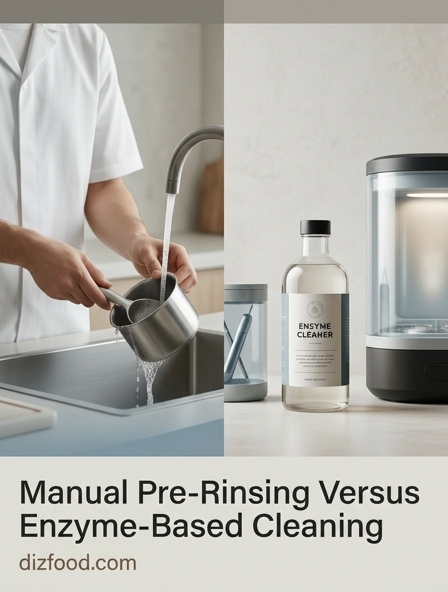
- Scrape food off plates instead of pre-rinsing them under the faucet.
- Clean the filter regularly to ensure the pump operates at maximum efficiency.
Noise Level Ratings and Sound Insulation
The acoustic impact of a dishwasher is a significant factor, especially in open-concept homes where the kitchen is adjacent to the living area. Built-in dishwashers are the clear winners in this category. They are designed to be encased by wooden cabinetry, which acts as a natural sound barrier. Furthermore, manufacturers pack these units with layers of bitumen, felt, or specialized insulation blankets to dampen the vibration of the motor and the sound of splashing water. High-end built-in units often operate at 38 to 44 decibels (dB), which is quiet enough that you might not even realize the machine is running.
Portable dishwashers are inherently louder because they are freestanding. They lack the surrounding cabinetry to muffle sound, and their exterior shells are often made of thin plastic or metal. A typical portable dishwasher operates between 50 and 60 decibels. While 60 dB is roughly the volume of a normal conversation, it can be distracting in a quiet home. If noise is a concern for a portable user, looking for models with "extra insulation" packages is a must. The following list ranks noise levels to help you gauge the impact on your environment:
- 38 - 42 dB: Virtually silent; common in premium built-in models.
- 44 - 48 dB: Quiet hum; standard for mid-range built-in units.
- 50 - 55 dB: Noticeable motor sound; typical for high-end portables or entry-level built-ins.
- 56 - 62 dB: Loud enough to require raising your voice slightly; common in older or budget portable models.
Portability and Flexibility for Renters
For individuals living in rental properties, the decision between a built-in and a portable dishwasher is often decided by the terms of the lease. Most landlords do not permit tenants to modify cabinetry or alter plumbing to install a built-in unit. In these scenarios, a portable dishwasher is an absolute game-changer. It provides the luxury of automated dishwashing without violating a rental agreement. Because the unit is on wheels, it can be easily moved into a closet or an out-of-the-way nook if the landlord visits or if the tenant needs more floor space for a gathering.
Flexibility also extends to the future. When a renter moves to a new apartment or eventually buys a home, the portable dishwasher goes with them. This makes the appliance a long-term investment rather than a home improvement that stays with the property. Some portable models are even designed to be "convertible." This means that if you move into a home that has a space for a built-in dishwasher later on, you can remove the casters and the wooden top, perform some minor plumbing adjustments, and install it permanently under the counter. This versatility makes portable units a highly strategic purchase for people in transitional phases of life, such as students, young professionals, or military families.
Resale Value and Home Improvement Impact
From a real estate perspective, a built-in dishwasher is considered a standard fixture that adds tangible value to a home. When potential buyers tour a kitchen, they expect to see a modern, integrated dishwasher. The absence of one can be a dealbreaker or a point of negotiation, as it implies the buyer will need to invest in a kitchen renovation to add the necessary plumbing and cabinetry. A high-quality, quiet built-in unit is often highlighted in real estate listings as a premium feature, contributing to the "move-in ready" appeal that drives higher closing prices.
Portable dishwashers, conversely, are viewed as personal property rather than a home improvement. Much like a microwave or a toaster, they generally do not add to the appraised value of the real estate. While they provide immediate utility to the current occupant, they don't solve the structural lack of a dishwasher space in the kitchen layout. For homeowners looking to flip a house or increase equity, installing a built-in unit is almost always the better financial move. The differences in market impact are summarized below:
| Aspect | Built-In Impact | Portable Impact |
|---|---|---|
| Appraised Value | Increases home value as a permanent fixture. | No impact; considered personal property. |
| Buyer Perception | Expected standard for modern kitchens. | Viewed as a temporary workaround. |
| Aesthetic Integration | Creates a sleek, finished look. | Can look cluttered or out of place. |
| Investment Return | High ROI during kitchen remodeling. | Low ROI; value depreciates with use. |
Making the Final Decision for Your Kitchen Needs
Ultimately, the choice between a built-in and a portable dishwasher depends on a "needs vs. constraints" analysis. If you own your home, have the existing cabinetry space, and value a quiet, integrated look, the built-in dishwasher is the superior choice. It offers the best performance, the highest capacity, and the most favorable impact on your home's resale value. It is a "set it and forget it" solution that streamlines daily chores without the hassle of manual hookups.
However, if you are a renter, a resident of a historic home with unmodifiable cabinets, or someone on a tight budget who needs an immediate solution, a portable dishwasher is an excellent alternative. It bridges the gap between hand-washing and permanent appliances, offering the freedom to take your investment with you wherever you go. To make the final call, walk through your kitchen and answer these three questions:
- Is there a 24-inch cabinet space next to my sink? If no, and you aren't ready to renovate, go portable.
- Is noise a major concern? If you have an open-concept living area, a built-in is worth the extra installation cost for the silence.
- How long do I plan to live here? For less than two years in a rental, a portable unit is much more practical and cost-effective.



Comments