
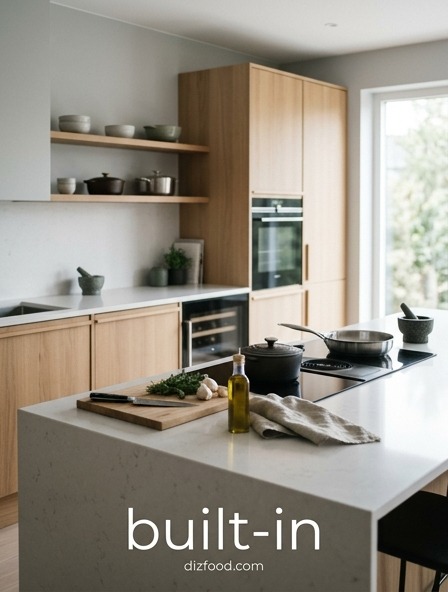
Achieving a cohesive, high-end look in a modern kitchen starts with appliances that blend into your cabinetry rather than disrupt it. A built-in dishwasher is the gold standard for seamless kitchen design because its integrated installation creates a flush, streamlined profile that eliminates visual clutter. Beyond the aesthetic appeal, these permanent fixtures offer superior sound dampening and powerful cleaning performance, making them a top choice for homeowners who value both style and efficiency. By tucking the unit beneath the counter, you maintain a polished, sophisticated finish throughout the room. To help you decide on the right installation type, consider the key differences between built-in dishwashers versus portable dishwashers.
The Evolution of Integrated Kitchen Design
The concept of the kitchen has undergone a dramatic transformation over the last century, evolving from a secluded service room into the social epicenter of the modern home. In the early 20th century, appliances were standalone, bulky units defined solely by their utility. However, as open-plan living became the standard, the visual clutter of mismatched machines began to clash with interior aesthetics. This led to the rise of integrated design, where appliances are concealed within cabinetry to create a unified look.
- Early 1950s: Introduction of wall-mounted ovens to save floor space.
- 1970s: The emergence of modular cabinetry allowing for standard appliance sizing.
- 1990s: Rise of high-end panel-ready refrigerators and dishwashers.
- Present: Seamless "invisible" kitchens utilizing touch-to-open technology and hidden vents.
Today, the evolution continues with the blending of furniture-grade materials and high-performance engineering. This shift reflects a broader desire for homes that feel cohesive and peaceful, prioritizing architectural lines over the industrial appearance of traditional kitchen tools. Integrated design is no longer just a luxury trend; it is a fundamental approach to modern spatial planning.
Defining the Built In vs Freestanding Aesthetic
Choosing between built-in and freestanding appliances fundamentally dictates the visual language and spatial logic of a kitchen. Freestanding units are often chosen for their flexibility and ease of replacement, characterized by visible gaps between the unit and the surrounding counters. In contrast, built-in appliances are installed directly into the cabinetry, sitting flush with the surrounding surfaces to eliminate awkward crevices and shadows.
| Feature | Built-In Aesthetic | Freestanding Aesthetic |
|---|---|---|
| Installation | Permanent and flush-mount | Portable and slide-in |
| Visual Gap | None; seamless transition | Standard 1/2 inch side gaps |
| Depth | Cabinet depth (24 inches) | Often protrudes 3-6 inches |
The built-in aesthetic prioritizes a streamlined profile, often utilizing custom panels to disguise the appliance entirely. While freestanding units can act as bold focal points-such as a professional-style range-built-in units excel in creating a sense of calm and order. This design choice is critical for homeowners looking to maintain a high-end, architectural feel that emphasizes the beauty of the cabinetry itself.
Maximizing Workflow with Seamless Installations
A well-designed kitchen is built around the concept of the "work triangle," but modern built-in installations allow for even greater ergonomic precision. By moving away from the constraints of standalone units, designers can place appliances at heights and locations that specifically suit the user's physical needs. This optimization reduces physical strain and streamlines the process of meal preparation and cleanup.
- Elevated Dishwashers: Installing units 6 to 12 inches off the floor to minimize bending.
- Wall-Mounted Ovens: Positioning ovens at eye level for safer handling of heavy dishes.
- Under-Counter Refrigeration: Placing cooling drawers near prep zones for immediate access to produce.
- Integrated Warming Drawers: Locating them directly below the cooktop to maintain food temperature.
Seamless installations also eliminate the physical barriers created by protruding appliances. When every surface is flush, the movement from the sink to the cooktop becomes a fluid motion. This lack of obstruction is particularly beneficial in multi-cook households where floor space is at a premium. Efficiency is heightened because the kitchen layout is dictated by human movement rather than the rigid dimensions of traditional machinery.
The Impact of Custom Panel Ready Finishes
Custom panel-ready finishes represent the pinnacle of bespoke kitchen design, allowing heavy-duty appliances to masquerade as elegant cabinetry. By applying a facade that matches the rest of the kitchen's millwork, the industrial "coldness" of stainless steel is replaced with the warmth of wood, the texture of laminate, or even the sleekness of glass. This technique is essential for achieving a furniture-like appearance, ensuring that the refrigerator or dishwasher does not disrupt the visual flow of the room.
Beyond aesthetics, panel-ready options offer a level of customization that standard finishes cannot match. Designers can experiment with unique hardware, intricate molding, or grain-matching across an entire wall of cabinetry. This level of detail transforms the kitchen from a collection of tools into a curated gallery. For many homeowners, the ability to "hide" the utility of the kitchen is the ultimate luxury, allowing the space to transition smoothly into dining or living areas without the distraction of blinking lights or metallic surfaces. It provides a cohesive canvas where the architecture of the cabinetry takes center stage.
Achieving a Minimalist and Uncluttered Look
Minimalism in the kitchen is not just about having fewer items; it is about the intentional concealment of the necessary tools. Built-in appliances are the primary drivers of this aesthetic, as they remove the visual noise associated with traditional kitchen setups. When an oven is tucked into a wall and the microwave is hidden inside a drawer, the horizontal and vertical lines of the cabinetry remain unbroken. This creates a serene environment that feels spacious and organized.
- Hidden Control Panels: Touch sensors located on the interior rim of the door.
- Recessed Handles: Eliminating hardware protrusions for a completely flat surface.
- Integrated Ventilation: Downdraft systems that disappear into the countertop when not in use.
- Flush-Mount Cooktops: Induction surfaces that sit level with the stone or quartz.
By prioritizing built-in units, the kitchen becomes a place of visual rest. The absence of gaps and the reduction of exposed metal parts mean there are fewer places for dust to collect and fewer "interruptions" for the eye. This uncluttered approach is especially effective in small homes, where a busy kitchen can quickly make the entire living space feel cramped and chaotic.
Noise Reduction and Sound Insulation Benefits
One of the most overlooked advantages of built-in kitchen installations is the significant improvement in acoustic comfort. Because built-in units are encased within custom cabinetry, the surrounding wood or MDF acts as a natural sound barrier. This is particularly beneficial for high-decibel appliances such as dishwashers and refrigerators, which can produce humming or splashing sounds that disrupt the quiet of an open-concept home. The tight seal between the appliance and the cabinet frame prevents sound waves from escaping into the room.
Furthermore, manufacturers of high-end built-in units often use superior insulation materials to account for the lack of airflow in a recessed cavity. This dual layer of protection-the appliance's internal insulation and the external cabinet structure-drastically reduces vibrations. In modern living, where the kitchen often shares space with a home office or a media room, this noise reduction is vital. It allows for a dishwasher to run during a dinner party or a refrigerator compressor to cycle at night without being heard. The result is a more tranquil domestic environment where the mechanics of the home remain seen but not heard.
Increasing Property Value Through High End Appliances
Investing in built-in, professional-grade appliances is a proven strategy for increasing a home's market value and buyer appeal. In the luxury real estate market, integrated appliances are often considered a standard requirement rather than an optional upgrade. Prospective buyers view built-in units as a sign of quality construction and thoughtful design, suggesting that no expense was spared in the home's renovation. This perception of value often leads to a higher return on investment (ROI) compared to cosmetic updates.
| Value Factor | Impact on Resale |
|---|---|
| Brand Recognition | High (Sub-Zero, Wolf, Miele) |
| Longevity | Built-ins often last 20+ years |
| Customization | Increases "Move-In Ready" appeal |
Because built-in appliances are semi-permanent fixtures, they are appraised as part of the home's infrastructure rather than personal property. This permanency justifies a premium price tag. For a seller, a kitchen featuring seamless, high-performance tech can be the deciding factor that closes a deal, as it saves the new owner the significant cost and logistical headache of a future kitchen remodel.
Smart Technology in Modern Built In Units
Modern built-in appliances are at the forefront of the "Smart Home" revolution, integrating sophisticated technology without sacrificing their hidden aesthetic. Many contemporary units now feature Wi-Fi connectivity, allowing users to control temperatures, monitor energy usage, or preheat ovens via smartphone apps. The brilliance of these smart systems lies in their subtlety; control panels are often tucked away or only illuminate when touched, maintaining the minimalist exterior.
- Remote Diagnostics: Appliances can send error codes directly to technicians for faster repairs.
- Internal Cameras: Refrigerators that allow you to see contents from the grocery store.
- Adaptive Cooking: Ovens with sensors that adjust time and heat based on food moisture.
- Voice Integration: Hands-free operation through central home hubs like Alexa or Google Home.
These features transform the kitchen into an intelligent partner in household management. Smart built-ins offer more than just novelty; they provide precision. For example, wine climate systems can notify a collector if humidity levels shift, protecting a valuable investment. By combining high-tech functionality with the "invisible" design of built-in units, manufacturers are creating kitchens that are as powerful as they are beautiful.
Space Saving Efficiency for Compact Layouts
In urban environments where square footage is limited, built-in appliances provide essential space-saving solutions. Traditional freestanding units often dictate the layout due to their size and the clearance required for doors and ventilation. Built-in units, however, can be integrated vertically or placed in non-traditional locations, such as under a kitchen island or inside a pantry. This flexibility allows homeowners to reclaim precious counter and floor space that would otherwise be lost to bulky machinery.
Vertical stacking is one of the most effective ways to maximize efficiency. By stacking a steam oven, microwave, and warming drawer in a single tall cabinet, the footprint of three appliances is reduced to the width of one. Additionally, shallow-depth built-in refrigerators do not protrude into walkways, ensuring that traffic flow remains unobstructed in narrow galley kitchens. By utilizing every inch of the cabinet carcass, built-in design ensures that even the smallest kitchen can offer full-scale culinary capabilities. The result is a highly functional workspace that feels much larger than its physical dimensions would suggest, proving that smart design beats sheer size.
Maintaining Design Continuity Across Cabinets
The ultimate goal of a built-in kitchen is to achieve a sense of design continuity that spans the entire room. This involves more than just hiding the fridge; it requires a holistic approach to materials, hardware, and proportions. When appliances are integrated correctly, they follow the same rhythmic spacing as the storage cabinets, using identical door styles and finish colors. This harmony ensures that the kitchen feels like a singular, architectural piece of furniture rather than a series of disconnected boxes.
- Consistent Toekicks: Continuous baseboards that run under both cabinets and appliances.
- Uniform Hardware: Matching handles and pulls across all doors and drawers.
- Grain Matching: Using wood veneers that flow seamlessly from one panel to the next.
- Height Alignment: Ensuring the tops of all tall units sit at the same horizontal line.
Maintaining this continuity is what separates a standard renovation from a professional design. It requires precise measurements and coordination between the appliance installer and the cabinet maker. When executed perfectly, the kitchen becomes a cohesive environment where the boundary between utility and decor disappears. This unified look not only enhances the daily experience of the user but also creates a timeless aesthetic that resists the fleeting trends of appliance styling.



Comments