
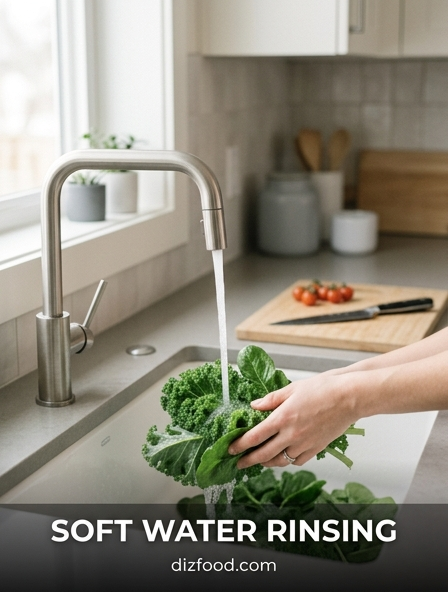
Understanding Water Hardness and Glass Clarity
Water hardness is defined by the concentration of dissolved minerals, primarily calcium and magnesium, present in your kitchen's supply. When these minerals are abundant, they react with detergents to form insoluble curds, often leaving a dull, milky film on glassware. In contrast, soft water allows for a more efficient rinse, ensuring that surfaces remain transparent and reflective. Achieving glass clarity requires a balance between mineral content and mechanical action during the wash cycle.
To better understand the levels of hardness, consider the following classifications commonly used in residential water testing:
- Soft Water: 0 to 17.1 mg/L of calcium carbonate.
- Slightly Hard: 17.1 to 60 mg/L, often requiring mild softening agents.
- Moderately Hard: 60 to 120 mg/L, where spotting becomes visually noticeable.
- Hard Water: 120 to 180 mg/L, necessitating specialized salts or softeners.
- Very Hard: Over 180 mg/L, which can lead to significant limescale buildup.
By transitioning to soft water rinsing, you eliminate the abrasive particulates that cause micro-scratches. This preservation of the glass surface not only maintains aesthetic brilliance but also extends the lifespan of your fine dining collections.
Optimizing Detergent Dosage for Maximum Results
In a soft water environment, the chemical effectiveness of dishwashing detergents is significantly amplified. Because there are fewer mineral ions to neutralize the cleaning agents, a smaller amount of soap can generate a high volume of suds. Over-dosing in soft water is a common mistake that leads to "flash foaming," which can impede the spray arms and leave a soapy residue on your dishes. Finding the "sweet spot" ensures that food particles are suspended and washed away without leaving excess chemicals behind.
Refer to the table below to adjust your dosage based on your kitchen's water profile:
| Water Type | Recommended Dose | Primary Concern |
|---|---|---|
| Soft | 1/3 of standard cup | Excessive suds/Etching |
| Medium | 1/2 of standard cup | Minor spotting |
| Hard | Full cup + booster | Limescale deposits |
Always prioritize high-quality, enzyme-based detergents. These enzymes break down proteins and starches effectively at lower concentrations, which is ideal for the high-efficiency environment of a soft water rinse system.
The Science of Rinse Aid for Spotless Drying
Even with soft water, droplets can cling to surfaces during the final rinse. Rinse aids contain surfactants that lower the surface tension of the water, preventing it from forming discrete beads. Instead, the water sheets off the glassware in a thin, even layer that evaporates quickly and uniformly. This "sheeting action" is the secret to a streak-free finish, as it prevents the concentration of any remaining particulates into visible spots during the drying phase.
To maximize the science of the drying cycle, follow these steps:
- Check the rinse aid reservoir level weekly to ensure consistent delivery.
- Adjust the dispenser dial; soft water usually requires a lower setting (1 or 2).
- Monitor for "rainbowing," which suggests the rinse aid is too concentrated for your soft water.
- Ensure the dishwasher's heating element is functional to assist the evaporation process.
The combination of soft water and a properly calibrated rinse aid creates a synergistic effect. It reduces the mechanical stress on the glass while ensuring that the final moisture removal is as efficient as possible, leaving your kitchenware hospital-clean and ready for the table.
Proper Loading Techniques for Fragile Glassware
The physical arrangement of items inside the dishwasher is just as critical as the water quality itself. Soft water is highly "hungry" for ions, and if glassware is packed too tightly, the turbulence of the water can cause items to vibrate against one another. This mechanical friction, combined with the aggressive cleaning nature of soft water, can lead to chipping or surface wear. Proper spacing allows the soft water to circulate freely, reaching every contour of the glass for a comprehensive rinse.
Follow these essential loading guidelines for the best protection:
- Secure stemware in the designated holders to prevent tipping and clashing.
- Angle cups and bowls deeply to prevent water from pooling in the bases.
- Place delicate crystal exclusively on the top rack, away from the intense bottom spray.
- Avoid overlapping items, which creates "blind spots" where debris can become trapped.
By ensuring that no two pieces of glassware are touching, you minimize the risk of breakage and maximize the contact surface for the softening agents. This results in a more uniform cleaning cycle and a much lower failure rate for your most cherished kitchen items.
Maintaining Dishwasher Filters for Peak Performance
A clean filter is the heart of an effective soft water rinse system. While soft water prevents mineral scale, it does not stop organic debris, fats, and food particles from clogging the drainage system. If the filter is saturated, the dishwasher will recirculate "dirty" water during the final rinse cycles, negating the benefits of your soft water system. Regular maintenance ensures that the water remains pure and the pump operates at the correct pressure to sanitize your kitchenware.
Implement this routine to maintain your filtration system:
- Rotate the cylindrical filter counter-clockwise to remove it from the floor of the unit.
- Rinse the mesh under hot running water to dislodge trapped silt and grease.
- Use a soft brush to gently scrub away any stubborn calcium or biofilm buildup.
- Inspect the sump area for large debris like toothpicks or broken glass before reinserting.
Performing this task once a month will drastically improve the clarity of your glassware. When the water can flow without obstruction, the softening minerals can work more effectively, ensuring that the final rinse is truly a purifying step rather than a redistribution of kitchen waste.
Temperature Control for Effective Grease Breakdown
Water temperature plays a pivotal role in how soft water interacts with kitchen oils and fats. For the rinse to be successful, the water must be hot enough to melt lipids and keep them in a liquid state until they are flushed down the drain. If the water is too cold, the fats will solidify and redeposit on the dishes as a greasy film. Conversely, excessively high temperatures in a soft water environment can accelerate the chemical reaction that causes glass etching.
Consider these temperature benchmarks for your kitchen:
- 120°F (49°C): The minimum threshold for effective detergent activation.
- 140°F (60°C): The ideal temperature for sanitization and grease emulsification.
- 155°F (68°C): High-temp wash setting, useful for heavy-duty pots but risky for glass.
Soft water actually allows for better grease removal at slightly lower temperatures compared to hard water. This efficiency means you can often achieve professional results at the 130°F range, which protects your glassware from heat-induced stress while ensuring that the "softness" of the water can fully lift and carry away organic residues without the help of extreme thermal energy.
Preventing Permanent Etching on Crystal and Glass
Etching is a permanent condition where the surface of the glass is physically eroded, resulting in a cloudy appearance that cannot be washed away. This is particularly prevalent in homes with very soft water and high-heat cycles. Because soft water lacks minerals, it becomes chemically aggressive, seeking out silica and other elements within the glass structure to reach an ionic balance. When combined with excessive detergent and high temperatures, the glass surface begins to dissolve at a microscopic level.
The differences between filming and etching are summarized here:
| Feature | Mineral Filming | Glass Etching |
|---|---|---|
| Texture | Rough or chalky | Smooth but dull |
| Removability | Dissolves with vinegar | Permanent damage |
| Cause | Hard water minerals | Soft water + High Heat |
To prevent etching, reduce the amount of detergent used in your cycles and avoid the "Sanitize" or "High Heat" settings for glassware. Adding a specialized glass protector or using a detergent with zinc-based inhibitors can also help create a sacrificial layer, sparing the glass from the aggressive nature of the softened rinse water.
Natural Additives for Mineral Deposit Removal
Even with a soft water system, occasional mineral drift or localized scaling can occur. Natural additives provide a gentle, eco-friendly way to restore the luster of your kitchenware without resorting to harsh industrial acids. Acetic acid (vinegar) and citric acid are the most common household solutions. They work by lowering the pH of the rinse water, which dissolves any alkaline mineral deposits that may have survived the softening process or accumulated from the food itself.
To utilize natural boosters effectively, follow these tips:
- Place a bowl of white vinegar in the top rack during the second rinse cycle.
- Use citric acid crystals in the detergent cup for a monthly deep-clean of the machine.
- Apply a lemon juice rub to individual spots on stainless steel for an instant shine.
- Ensure natural acids are used sparingly to prevent damage to rubber gaskets.
These natural solutions are particularly effective in "softened" systems because they act as a final polishing agent. By neutralizing any residual alkalinity, they ensure that the final rinse leaves the glass in a perfectly neutral state, which is the key to achieving that high-end, professional kitchen brilliance naturally.
Eco Friendly Cycles and Detergent Efficiency
Modern dishwashers are designed to maximize water conservation, but these "Eco" cycles rely heavily on the chemical efficiency of the water. Soft water is a major advantage for eco-friendly kitchen practices because it requires less energy to heat and allows surfactants to work at peak performance. By utilizing the soft water rinse, you can often switch to shorter cycles or lower temperature settings without sacrificing the quality of the clean, significantly reducing your household's carbon footprint.
Optimizing your eco-cycle involves several strategic steps:
- Select the "Auto" or "Eco" mode to let sensors detect the soil level.
- Switch to biodegradable, phosphate-free detergents that thrive in soft water.
- Skip the "Pre-Rinse" step at the sink to save up to 20 gallons of water per load.
- Clean the internal spray arms regularly to maintain optimal water pressure.
Soft water increases the solubility of eco-friendly soaps, meaning you get more cleaning power from fewer chemicals. This not only protects the local water table from excess phosphates but also ensures that your kitchen remains a toxin-free environment while maintaining the highest standards of hygiene and visual clarity for your dishes.
Troubleshooting Cloudy Residue and Water Spots
If you notice cloudy residue despite having a soft water system, the issue usually stems from one of three factors: detergent overdose, mechanical failure, or silica etching. It is important to diagnose the cause correctly before changing your routine. A simple "scratch test" or vinegar soak can tell you if the cloudiness is a removable mineral film or permanent damage. Soft water rinsing should result in a clear finish, so any deviation indicates a disruption in the kitchen's water-to-detergent ratio.
Check the following common culprits when troubleshooting:
- Check the salt levels in your dishwasher's internal softener if applicable.
- Inspect the spray arms for blockages that prevent a thorough rinse.
- Verify that the water heater is delivering at least 120°F to the unit.
- Reduce detergent by half if you see iridescent "rainbow" streaks on glasses.
By systematically addressing these variables, you can restore the effectiveness of your soft water rinse. Usually, a slight adjustment to the detergent quantity or a quick cleaning of the spray nozzles is all that is required to return your glassware to its original, crystal-clear condition. Proper troubleshooting ensures that your soft water investment continues to provide aesthetic and functional benefits.



Comments