
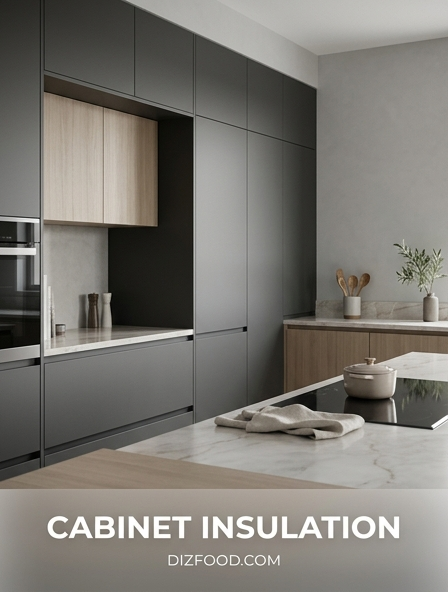
The Science of Kitchen Sound Dampening
The modern kitchen is a hub of activity, but it is also a chamber of hard surfaces that reflect sound waves. The science of acoustics in this space revolves around managing reflections and vibrations generated by appliances and daily tasks. Most kitchen surfaces, such as granite countertops, ceramic tiles, and hardwood floors, have high sound reflection coefficients, meaning they contribute to a reverberant environment. To combat this, sound dampening strategies focus on two primary mechanisms: absorption and decoupling.
- Absorption: Converting sound energy into heat through porous materials placed inside or behind cabinets.
- Decoupling: Physically separating structural elements to prevent the transmission of mechanical vibrations.
- Damping: Applying heavy, flexible materials to thin surfaces to reduce resonance.
By integrating specialized insulation within cabinet structures, homeowners can significantly alter the acoustic signature of the room. This process involves understanding the frequency ranges produced by common kitchen noise sources. Lower frequency hums from refrigerators require mass-based solutions, while higher frequency clatter from dishes is best addressed through porous absorption. Effective sound dampening transforms the kitchen from a noisy workshop into a serene living space.
Maximizing Dishwasher Noise Reduction
The dishwasher is often the loudest appliance in the kitchen, generating noise through water spray, motor operation, and drainage. Maximizing noise reduction requires a multi-layered approach that addresses the air gaps surrounding the unit. Because the dishwasher is typically nestled between two cabinets, these voids act as echo chambers if left uninsulated. Utilizing high-density acoustic blankets or foam inserts can seal these gaps effectively.
| Insulation Type | Primary Benefit | Effectiveness |
|---|---|---|
| Mass Loaded Vinyl | Blocks airborne noise | High |
| Open-Cell Foam | Absorbs high frequencies | Moderate |
| Rubber Gaskets | Reduces vibration transfer | High |
To achieve professional-grade results, one should ensure the insulation is wrapped tightly around the top and sides of the appliance before it is slid into the cabinetry. Furthermore, the kickplate or toe kick area should be reinforced with a dense material to prevent sound from leaking out at floor level. These modifications ensure that the appliance operates at a whisper, allowing for conversation even during heavy cleaning cycles.
Acoustic Benefits of Insulated Cabinets
Insulated cabinets offer a dual advantage by providing thermal regulation and significant acoustic isolation. When cabinets are empty or lined with standard laminate, they function as hollow wooden boxes that amplify the sounds of closing doors, clinking glassware, and humming appliances. By introducing acoustic insulation into the cabinet walls or the interstitial spaces behind them, you change the density of the storage unit, drastically reducing its resonance.
- Reduction of "clatter" noise when placing items on shelves.
- Prevention of sound flanking through shared wall structures.
- Enhanced privacy by dampening noise transfer to adjacent rooms.
- A perceived sense of "solid" quality in the cabinetry build.
The addition of these materials also helps in stabilizing the internal temperature of the cabinets, which can be beneficial for storing sensitive pantry items. However, the primary benefit remains the silence. An insulated cabinet does not just store items; it acts as a permanent sound baffle that contributes to the overall acoustic comfort of the home. This upgrade is particularly valuable in open-concept floor plans where kitchen noise can easily migrate into living and dining areas.
Best Materials for Silent Kitchen Storage
Choosing the right materials is critical for achieving a silent kitchen environment. Not all insulation is created equal when it comes to the specific frequencies found in a culinary setting. The ideal materials must be moisture-resistant, fire-retardant, and capable of high-performance sound attenuation. Designers frequently turn to specialized products that can be easily integrated into standard cabinet dimensions without compromising storage space.
- Rockwool: A mineral wool insulation that is highly fire-resistant and excellent at trapping mid-to-low frequency sounds.
- Cork Liners: A natural, sustainable option for shelving that prevents the sharp sound of glass hitting hard wood.
- Mass Loaded Vinyl (MLV): A thin but heavy material used to add mass to cabinet backs to block sound passage.
- Melamine Foam: Lightweight and highly porous, perfect for sticking to the undersides of cabinets to catch rising echoes.
While traditional fiberglass insulation is common in wall cavities, it is rarely used inside kitchen cabinets due to the risk of shedding fibers near food. Instead, closed-cell foams and dense rubber mats are preferred for their cleanliness and durability. By combining these materials, you create a tiered defense against noise, ensuring that every drawer slide and cabinet door closure is virtually silent.
Reducing Vibration Through Cabinet Modification
Mechanical vibration is a significant contributor to kitchen noise, often originating from garbage disposals, blenders, and exhaust fans. These vibrations travel through the countertops and into the cabinet carcasses, causing the entire structure to hum. To mitigate this, cabinet modification is necessary. One of the most effective methods is the use of visco-elastic damping compounds applied to the interior surfaces of the cabinetry. These compounds convert kinetic energy from vibrations into a small amount of heat, effectively killing the noise at its source.
Another modification involves the installation of isolation mounts for heavy appliances. By placing rubber or silicone pads between the appliance and the cabinet base, you decouple the two units, preventing the energy from transferring. Additionally, checking for loose joints and reinforcing them with wood glue or acoustic sealant can eliminate the rattling that often accompanies old or poorly constructed cabinets. Even simple additions, like soft-close hinges and silicone bumpers on the corners of doors, make a substantial difference in the overall vibration profile of the kitchen. These small adjustments work together to create a rigid, non-resonant storage system that remains quiet even under the stress of high-powered appliances.
Sound Absorption and Dishwashing Decibels
Understanding the decibel (dB) scale is essential when planning kitchen soundproofing. A standard conversation occurs at approximately 60 dB, while an older dishwasher can reach levels as high as 70 dB or more. Since the dB scale is logarithmic, even a small reduction in the number represents a massive decrease in perceived noise. Sound absorption materials used in cabinetry are designed to target these specific decibel ranges to bring appliance noise below the threshold of distraction.
| Kitchen Activity | Average Decibel Level | Target with Insulation |
|---|---|---|
| Standard Dishwasher | 55-65 dB | 38-45 dB |
| Garbage Disposal | 80-90 dB | 65-70 dB | 60 dB | N/A |
Absorption is measured by the Noise Reduction Coefficient (NRC). Materials with a high NRC, such as acoustic felt or foam, should be strategically placed on the underside of cabinets and inside appliance alcoves. By increasing the total absorption surface area in the kitchen, the "echo" of the dishwasher is dampened before it can propagate through the room. This targeted approach ensures that even budget-friendly appliances can perform with the acoustic elegance of high-end, luxury models.
Strategic Cabinetry for Noise Containment
The layout and design of your cabinetry play a pivotal role in how noise is contained or amplified. Strategic cabinetry placement involves more than just aesthetics; it requires an understanding of "noise flanking paths," which are the routes sound takes to bypass barriers. For instance, a continuous run of cabinets can act as a sound bridge between a noisy kitchen and a quiet bedroom. By interrupting these runs with specialized acoustic breaks or double-walled cabinet sections, you can contain noise within the kitchen zone.
Enclosing noisy appliances like microwaves or stand mixers within dedicated "appliance garages" is another effective containment strategy. When these enclosures are lined with sound-absorbent materials and fitted with tight-sealing doors, they act as a secondary sound booth. Furthermore, the use of "toe-kick" drawers can help fill the hollow void at the base of cabinets, which often acts as an unintended subwoofer for floor vibrations. By filling every available cavity with either functional storage or acoustic mass, you eliminate the air pockets that allow sound to travel freely. This architectural approach to noise management creates a kitchen that is logically organized and acoustically isolated.
Installation Techniques for Quiet Performance
The effectiveness of acoustic insulation is heavily dependent on the quality of the installation. Even the most expensive materials will fail if there are air gaps or "leaks" where sound can escape. When installing cabinet insulation, a meticulous approach is required to ensure total coverage. This begins with sealing the seams of the cabinet boxes using an acoustic-grade caulk, which remains flexible over time and does not crack under the stress of temperature changes.
- Measure and cut insulation materials to fit precisely within cabinet panels.
- Apply heavy-duty adhesive to the cabinet back before pressing the insulation in place.
- Seal all wire and plumbing penetrations with expandable acoustic foam.
- Install high-quality gaskets around the perimeter of appliance openings.
- Adjust all door alignments to ensure a flush, airtight seal when closed.
Special attention should be paid to the area where the cabinet meets the wall. Adding a layer of thin foam tape or a bead of sealant here can prevent the cabinet from vibrating against the drywall. For integrated appliances, ensure that the decorative front panels are backed with a dampening layer to prevent them from acting as a sounding board. Proper installation ensures the longevity of the soundproofing and provides the highest return on investment for the homeowner.
Cabinet Density and Acoustic Insulation
The inherent density of the cabinet material itself serves as the first line of defense against noise. Density is closely related to the Sound Transmission Class (STC) rating of a material. Heavier, denser materials are more effective at blocking low-frequency sounds, while lighter materials are easily bypassed by sound waves. When selecting cabinets for a quiet kitchen, understanding the composition of the boxes is vital.
Solid wood cabinets have natural dampening properties due to the complex fiber structure of the timber. However, high-density fiberboard (HDF) or medium-density fiberboard (MDF) can actually be superior in some acoustic applications because they are more uniform and lack the natural resonant voids found in some wood species. Plywood, while structurally strong, can sometimes act as a drum skin if it is too thin, making it a candidate for additional internal insulation. To maximize the acoustic performance of any cabinet material, it is often necessary to "sandwich" a dampening layer between two sheets of material. This constrained layer damping technique is the gold standard for high-end cabinetry, providing a level of silence that cannot be achieved through thickness alone.
Creating a Soundproof Culinary Environment
Creating a truly soundproof culinary environment requires a holistic view of the kitchen as an integrated system. It is not enough to simply insulate a single cabinet; the goal is to create a cohesive barrier that manages noise at every level. This includes the floor-to-cabinet interface, the cabinet-to-appliance connection, and the wall-to-cabinet mounting. When these elements are addressed collectively, the kitchen becomes a space where the clatter of pots and the roar of the vent hood are significantly muffled.
- Combine soft-close hardware with internal acoustic liners.
- Utilize heavy rugs or floor mats to reduce footfall and reflected sound.
- Choose appliances with the lowest possible decibel ratings.
- Ensure all cabinet doors are fitted with high-quality silicone bumpers.
The result of these efforts is a kitchen that supports both high-level cooking and peaceful social interaction. Whether you are hosting a dinner party or enjoying a quiet breakfast, the absence of mechanical noise enhances the experience. Investing in cabinet insulation and sound dampening is an investment in the long-term tranquility of the home, proving that the most luxurious feature of a modern kitchen is often the sound of silence.



Comments