
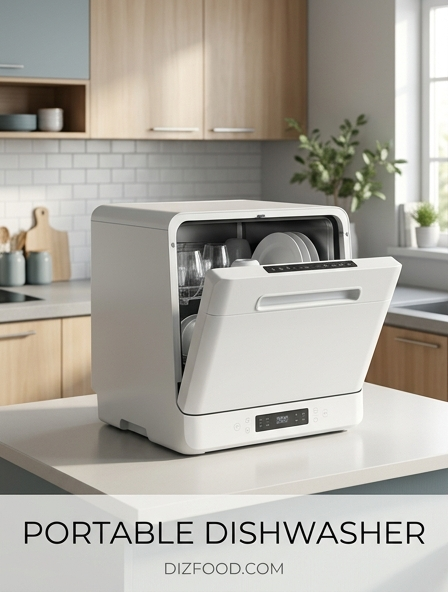
Maximizing Small Kitchen Layouts with Portable Dishwashers
Integrating a portable dishwasher into a compact kitchen requires a strategic approach to floor space and workflow. These units are designed to fill the void left by a lack of built-in appliances, offering the luxury of automated cleaning without requiring a permanent footprint. In a small layout, the primary advantage is the appliance's ability to serve a dual purpose. When not in active use for cleaning, many full-sized portable models feature finished wood or laminate tops that function as additional prep stations or butcher blocks.
- Utilize the top surface for meal prep to offset lost counter space.
- Store the unit in a corner or pantry during high-traffic social gatherings.
- Position the unit near the sink only during active wash cycles to maintain an open floor plan.
By treating the dishwasher as a mobile furniture piece, you can maintain the ergonomics of a "work triangle" even in galley-style kitchens. The mobility of these units ensures that the presence of a heavy appliance does not dictate the permanent flow of the room, allowing for a dynamic environment that adapts to cooking, cleaning, and entertaining needs.
No Installation Hassle for Renters and Tiny Homes
For individuals living in apartments or tiny homes, permanent modifications to plumbing or cabinetry are often prohibited by lease agreements or physical structural constraints. Portable dishwashers solve this dilemma by requiring zero invasive installation. Unlike traditional models that must be hardwired and plumbed into the home's main lines, portable units are designed for immediate use. This makes them an ideal investment for renters who wish to take their appliances with them when they move, ensuring that their investment stays within their possession rather than becoming a permanent fixture of the property.
The absence of professional installation costs is another significant benefit. There is no need to hire an electrician to run a dedicated circuit or a plumber to tap into the hot water line. Users simply unpack the machine, attach the included faucet adapter, and begin their first cycle. For those in tiny homes where every square inch is meticulously planned, the ability to bypass bulky, permanent plumbing stacks allows for more creative utility routing. This "plug-and-play" nature democratizes the convenience of modern dishwashing for those in non-traditional living spaces.
Comparing Countertop and Freestanding Portable Models
Choosing between a countertop and a freestanding portable dishwasher depends largely on your volume of dishes and available surfaces. Countertop models are compact, roughly the size of a large microwave, and sit directly on the kitchen workspace. They are excellent for individuals or couples who produce a limited number of dishes. Conversely, freestanding portable units are roughly the size of a standard dishwasher but mounted on casters. These are better suited for families or those who frequently cook large meals at home.
| Feature | Countertop Model | Freestanding Portable |
|---|---|---|
| Capacity | 4-6 Place Settings | 8-12 Place Settings |
| Footprint | Occupies Counter Space | Occupies Floor Space |
| Mobility | Lightweight/Lifting Required | Heavy/Wheeled Movement |
| Internal Heater | Usually Included | Always Included |
While countertop units are cheaper and easier to store in a cabinet when not in use, freestanding models offer superior cleaning power and more specialized cycles. The decision should balance your daily dish output against the specific type of space you are willing to sacrifice: horizontal counter surface or vertical floor area.
How Portable Dishwashers Save Water in Limited Spaces
A common misconception is that handwashing dishes in a small sink is more water-efficient than using a machine. However, modern portable dishwashers are engineered to maximize every drop, often using significantly less water than a running faucet. In a limited kitchen environment, managing water usage is not just about environmentalism; it is about reducing the load on small-capacity greywater tanks or preventing the sink from becoming a cluttered, wet mess for hours on end.
- Fill cycles use a precise amount of water, usually between 3 and 5 gallons per load.
- Internal filtration systems recycle water during the wash phase to remove food particles.
- Sensors detect soil levels to adjust water consumption automatically.
By opting for an Energy Star-certified portable unit, users can save upwards of 1,000 gallons of water per year compared to traditional handwashing. For those in tiny homes or off-grid setups where water is a precious commodity, the efficiency of a portable dishwasher becomes a vital component of sustainable living. The controlled environment of the machine ensures that no water is wasted through splashing or over-rinsing.
The Versatility of Wheeled Dishwashing Units
The inclusion of heavy-duty casters transforms a standard cleaning appliance into a versatile kitchen assistant. Wheeled portable dishwashers offer a level of flexibility that built-in units cannot match. This mobility is particularly useful in multi-functional spaces where the kitchen may also serve as a dining area or a workspace. The ability to roll the unit to the sink for a cycle and then tuck it away into a corner or a closet keeps the kitchen looking tidy and organized.
- Effortless movement between the sink and storage areas.
- Locks on wheels provide stability during operation.
- Can be used as a rolling bar cart or serving station during parties.
- Facilitates easier cleaning of the floor underneath the appliance.
Beyond simple cleaning, the "island" functionality of these units adds value. Many owners use the top surface to hold auxiliary appliances like stand mixers or air fryers, effectively gaining a mobile appliance garage. When the kitchen becomes too crowded, the dishwasher can simply be rolled into an adjacent room, proving that large appliances do not have to be permanent obstacles in a creative home layout.
Connecting Your Portable Dishwasher to Standard Faucets
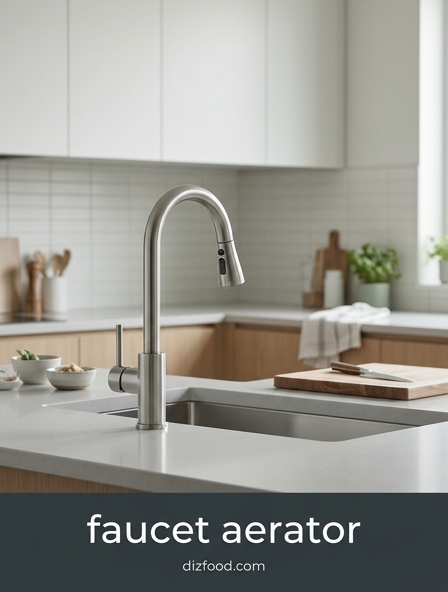
The technical heart of the portable dishwasher is the "unicouple" or faucet adapter. This mechanism allows the unit to draw hot water and drain waste water through a single connection point. To use the appliance, you simply replace your existing faucet aerator with the one provided by the manufacturer. This adapter remains on the faucet permanently and does not interfere with regular sink use. When it is time to wash, the hose assembly snaps onto the adapter with a quick-release collar.
- Turn on the hot water until it reaches the desired temperature.
- Snap the unicouple onto the faucet adapter.
- Plug the power cord into a standard 120V grounded outlet.
- Press the pressure relief button to ensure a secure fit.
This system is designed to be leak-proof and can withstand high water pressure. Because the drain hose is integrated into the same assembly, the waste water is pumped directly into the sink basin. This eliminates the need for complex drainage pipes. The simplicity of this connection means that anyone, regardless of DIY skill, can operate the machine safely and efficiently without any risk of flooding or incorrect plumbing installation.
Smart Storage Solutions for Compact Cleaning Appliances
Storage is the primary concern when introducing a portable dishwasher into a minimalist kitchen. If the unit is not used daily, finding a "home" for it is essential to prevent it from becoming a permanent roadblock. For countertop models, storage often involves clearing out a deep lower cabinet or a pantry shelf. Since these units are relatively light, they can be stowed away after the morning coffee or evening meal, keeping the counters clear for other tasks.
For larger freestanding models, storage solutions often involve creative furniture placement. Some users tuck the unit into a nook originally intended for a trash can or a small breakfast bistro set. Others place the unit at the end of a counter run to act as an extension of the existing cabinetry. Using a decorative cover or a custom-fit tablecloth can help the unit blend into the decor of a dining room or hallway if there is absolutely no room in the kitchen. The key is to treat the dishwasher as a mobile asset rather than a static piece of hardware, ensuring it only occupies premium space when it is actively providing utility.
Energy Efficiency Benefits of Small Scale Dishwashing
Portable dishwashers are inherently efficient due to their smaller internal volume. Heating water is the most energy-intensive part of any dishwashing cycle, and because these units hold fewer place settings than a standard 24-inch built-in model, they require less hot water to achieve a thorough clean. Most modern portable units come equipped with internal heaters that can boost the water temperature to over 140 degrees Fahrenheit, ensuring that even tough grease is broken down without requiring the home's water heater to be set at dangerously high levels.
Furthermore, the shorter cycle times found in many compact and portable models lead to reduced electricity consumption. While a standard dishwasher might run for two to three hours, many portable units offer "rapid" or "light" cycles that finish in under an hour. This is perfect for those who want to minimize their carbon footprint or reduce their monthly utility bills. By running full loads in a right-sized appliance, you avoid the energy waste associated with running a half-empty, full-sized built-in unit. This makes portable dishwashers a smart choice for both the budget-conscious and the environmentally aware consumer.
Superior Sanitization within a Minimalist Footprint
Handwashing often fails to reach the temperatures necessary to truly sanitize dishes and utensils. Sponges, frequently used in small kitchens, are known to harbor bacteria and can cross-contaminate surfaces. A portable dishwasher eliminates this hygiene risk by utilizing high-temperature wash and rinse cycles that are impossible to sustain with bare hands. Even the smallest countertop units often include a "Sanitize" cycle that meets NSF standards, killing 99.9% of common household bacteria through sustained heat.
The enclosed environment of the dishwasher also protects dishes from airborne contaminants and dust while they dry. In small, multi-purpose living spaces where the kitchen might be near a front door or a pet area, this extra layer of protection is invaluable. Beyond just cleaning, the mechanical action of the spray arms ensures that every crevice of a fork or a whisk is reached, providing a level of cleanliness that is difficult to achieve manually in a cramped, cluttered sink. For those concerned with health and food safety, the sanitization capabilities of a portable unit far outweigh the convenience of a quick hand-rinse.
Choosing the Right Capacity for Your Specific Space Needs
Capacity in the world of portable dishwashers is measured by "place settings." A single place setting typically includes a dinner plate, soup bowl, bread plate, cup, saucer, and cutlery. Understanding your typical daily usage is vital for selecting a machine that won't require you to run three cycles a day, which would negate any energy or water savings. For a solo dweller, a 4-place-setting countertop unit is usually sufficient. However, a small family will find a 6-place-setting countertop or an 8-to-10-place-setting freestanding unit much more practical.
| User Profile | Recommended Capacity | Best Model Type |
|---|---|---|
| Single/Studio | 4 Place Settings | Countertop |
| Couple/Small Apt | 6 Place Settings | Large Countertop |
| Family of 3-4 | 8-12 Place Settings | Freestanding 18" |
| Frequent Entertainer | 12+ Place Settings | Freestanding 24" |
Always measure the clearance under your upper cabinets if opting for a countertop model, as some taller units may not fit. Similarly, for freestanding models, ensure the path to the sink is clear of obstructions and that your faucet is compatible with the standard adapter size before making a purchase. Right-sizing your appliance ensures maximum utility without overwhelming your limited living space.



Comments