
Ever wonder why a watched pot feels like it takes an eternity to boil? The secret to slashing your kitchen wait times and lowering your utility bills lies in the simple physics of heat retention. When you boil water uncovered, a massive amount of energy escapes into the air through evaporation, forcing your stove to work significantly harder to maintain temperature. By simply placing a lid on your pot, you trap steam and thermal energy inside, creating a more efficient environment that accelerates the boiling process by up to 25%. Whether you are prepping a quick pasta dinner or blanching vegetables, opting for the covered method is the ultimate eco-friendly kitchen hack to save both precious time and household energy.
| Feature | Covered Boiling | Uncovered Boiling |
|---|---|---|
| Boiling Speed | ~20-30% faster reach time | Standard/Slower duration |
| Energy Efficiency | High; traps thermal energy | Low; heat lost to atmosphere |
| Evaporation Rate | Minimal (recycles steam) | High (liquid volume decreases) |
| Temp. Consistency | Uniform heat distribution | Surface-level heat cooling |
| Best Use Case | Pasta, grains, soups, eggs | Reducing sauces, thick stews |
| Cost Impact | Lower gas/electric consumption | Higher long-term utility cost |
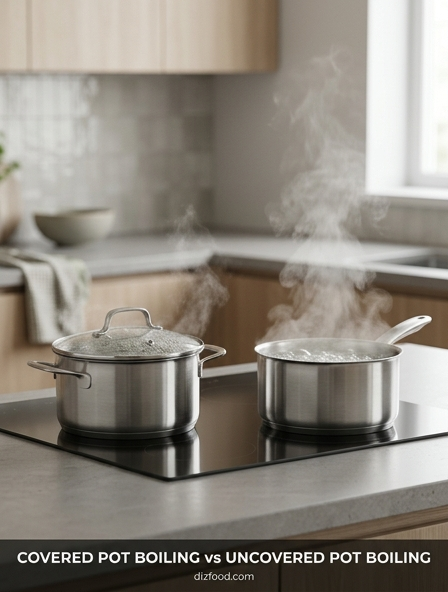
The Science of Boiling With and Without a Lid
Boiling is a fundamental culinary process, yet the physical dynamics shift significantly based on whether a vessel is covered. At its core, boiling occurs when the vapor pressure of a liquid equals the atmospheric pressure. When a pot is left uncovered, the surface of the water is in direct contact with the cooler air of the kitchen. As water molecules gain kinetic energy and transition into a gaseous state, they escape into the environment, carrying substantial latent heat with them. This process, known as evaporative cooling, effectively removes energy from the system, requiring the stove to work harder to maintain a rolling boil.
Conversely, placing a lid on the pot creates a semi-closed environment. The steam that would otherwise escape is trapped in the headspace between the liquid surface and the lid. This increases the local vapor pressure and reflects heat back into the water. Because the air inside the pot becomes saturated with moisture, the rate of evaporation slows down, and the heat energy is retained within the liquid rather than being dissipated into the room. This trapped heat facilitates a much faster transition to the boiling point.
- Latent Heat: The energy required to turn liquid into gas without changing temperature.
- Convection: The movement caused within a fluid by the tendency of hotter material to rise.
- Vapor Saturation: The point where the air can no longer hold more moisture, slowing evaporation.
Understanding these principles allows a cook to manipulate the speed and intensity of the cooking process. A covered pot is an insulated system that maximizes thermal efficiency, while an uncovered pot is an open system that trades energy for the ability to release moisture.
Energy Efficiency and Faster Boiling Times
From a practical standpoint, the decision to use a lid is often a matter of time and resource management. Heating water to a boil is one of the most energy-intensive tasks in the kitchen due to the high specific heat capacity of water. When a lid is used, the time required to reach 212°F (100°C) is reduced by approximately 20% to 30% depending on the stove type and pot material. This is because the lid acts as a thermal barrier, preventing the loss of energy through both radiation and convection.
Using a lid is not only a time-saver but also a more sustainable cooking practice. By retaining heat, the burner can be set to a lower intensity once the boiling point is reached, maintaining the temperature with minimal additional input. The table below illustrates the general differences in efficiency between the two methods:
| Metric | Covered Pot | Uncovered Pot |
|---|---|---|
| Time to Boil (1L Water) | ~4-6 Minutes | ~8-10 Minutes |
| Energy Consumption | Lower | Higher |
| Heat Loss to Kitchen | Minimal | Significant |
| Maintainable Simmer | Low Heat Setting | Medium-High Heat Setting |
For high-volume cooking, such as preparing a large pot for pasta, the cumulative energy savings of using a lid are substantial. In professional environments, this practice also prevents the kitchen from becoming excessively humid and hot, which reduces the load on ventilation and cooling systems.
The Impact of Evaporation on Liquid Reduction
While a lid is excellent for efficiency, it is the enemy of reduction. In many culinary applications, the goal is not simply to heat a liquid but to transform its consistency and flavor profile through the removal of water. Evaporation is the primary mechanism for thickening sauces, gravies, and syrups. When the pot is left uncovered, water molecules escape as steam, leaving behind a higher concentration of solids, fats, and seasonings. This process is essential for creating "body" in a dish.
If a lid remains on the pot, the steam condenses on the underside of the lid and drips back into the liquid. This prevents the volume from decreasing, which can result in a sauce that remains thin or watery regardless of how long it is cooked. Professional chefs often use the "wide-mouth" pot technique without a lid to maximize the surface area exposed to the air, thereby accelerating the reduction process.
- Concentration: Increasing the ratio of flavor compounds to water.
- Viscosity: Enhancing the thickness and "mouthfeel" of the liquid.
- Clarity: Allowing certain impurities to rise and be skimmed rather than being stirred back in by condensation.
Therefore, the choice between covering and uncovering depends on the desired final volume. If you want to preserve the exact amount of liquid you started with-such as when boiling eggs or steaming vegetables-the lid is essential. If the goal is a rich, syrupy glaze, the lid must be set aside.
Temperature Stability in Covered vs Uncovered Pots
Temperature stability is critical for delicate cooking tasks, such as poaching or slow-simmering tough cuts of meat. A covered pot provides a much more stable thermal environment. Because the lid traps heat and moisture, the temperature of the liquid remains consistent from the bottom of the pot to the surface. This uniform heat distribution ensures that food cooks evenly without the need for constant stirring or monitoring.
In an uncovered pot, there is a significant temperature gradient. The liquid at the bottom, closest to the heat source, may be at a rolling boil, while the surface is being cooled by the surrounding air. This can lead to uneven cooking, where the portion of the food near the surface is undercooked compared to the portion at the base. Furthermore, the constant loss of steam means the liquid level is always dropping, which can lead to scorching if the cook is not vigilant.
For long-duration cooking, such as braising in the oven or on the stovetop, a tight-fitting lid creates a microclimate that prevents the top of the food from drying out. This stability allows for a "set it and forget it" approach, as the internal environment remains largely unaffected by external drafts or minor fluctuations in the kitchen temperature. Without the lid, the cook must frequently replenish the liquid to maintain the same thermal mass, which introduces cold water and disrupts the cooking cycle.
When to Keep the Lid Off for Flavor Concentration
The culinary art of reduction is predicated on the removal of moisture to intensify flavor. This is most vital when working with stocks, wine-based sauces, and fruit compotes. Keeping the lid off allows volatile acids and excess water to escape, which clarifies the taste profile of the remaining ingredients. When a sauce is reduced by half or more, the sugars and minerals become more prominent, providing a depth of flavor that cannot be achieved through seasoning alone.
- Deglazing: After searing meat, liquid is added to the pan and reduced uncovered to incorporate the "fond" into a concentrated jus.
- Tomato Sauces: Boiling uncovered allows the naturally high water content of tomatoes to evaporate, resulting in a thick, savory paste.
- Glazes: Balsamic or soy-based glazes require significant reduction to achieve the necessary tackiness and sheen.
Another reason to keep the lid off involves the release of unwanted volatile compounds. Some vegetables, particularly those in the brassica family (like cabbage or broccoli) and certain legumes, release sulfurous gases when cooked. If the pot is covered, these gases condense and fall back into the liquid, potentially resulting in a bitter or unpleasantly pungent flavor. Boiling these items in an uncovered pot allows these odors to dissipate, leading to a cleaner and sweeter final product.
Preventing Boil Overs and Monitoring Liquid Levels
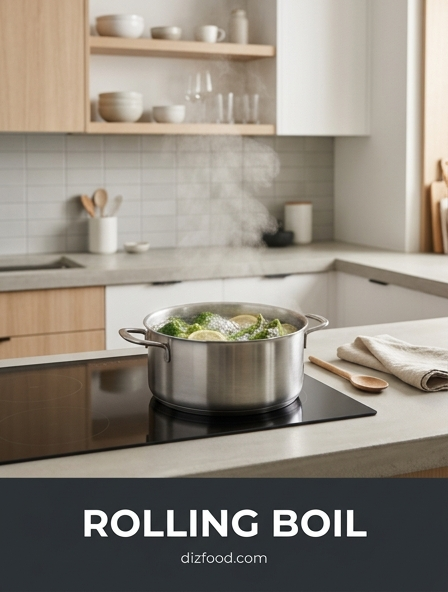
One of the most common kitchen mishaps is the boil over, which occurs when bubbles form a stable foam that rises rapidly and spills over the sides of the pot. This is particularly frequent when boiling starchy foods like pasta, potatoes, or rice. The starch increases the surface tension of the water, allowing bubbles to trap steam more effectively and stack on top of one another. Leaving the lid off is the most effective way to prevent this, as it allows the steam to escape freely and permits the bubbles to pop upon contact with the air.
Monitoring the liquid level is also much easier when the pot is uncovered. In recipes where the ratio of liquid to solid is precise, such as in risotto or certain stews, seeing the liquid level at a glance is vital. Using a lid can obscure the view, and frequently lifting the lid to check progress releases the very heat and pressure you were trying to maintain, causing the temperature to drop and then spike once the lid is replaced.
- Surface Tension: Starchy proteins create a film that traps air; removing the lid breaks this cycle.
- Visual Cues: Observing the "active" simmer helps in adjusting the heat dial accurately.
- Safety: Uncovered pots are less likely to build up sudden pressure that can cause hot splashes.
If you must use a lid to save energy but fear a boil over, a "propped lid" approach-leaving a small gap-can provide a compromise, allowing some pressure to escape while still retaining a significant amount of heat.
Nutrient Retention and Heat Distribution Differences
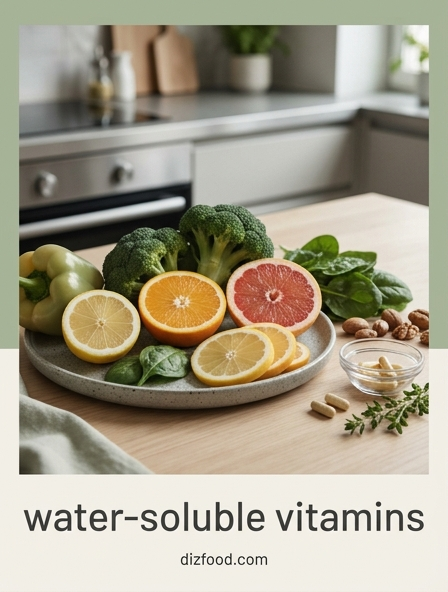
The impact of a lid extends beyond speed and flavor to the actual nutritional value of the meal. For water-soluble vitamins, such as Vitamin C and many B vitamins, prolonged exposure to high heat and large volumes of water can lead to degradation or leaching. Boiling with a lid is generally superior for nutrient retention because it allows for "steam-boiling." With a lid, you can use less water, and the steam trapped inside cooks the upper portion of the food that isn't submerged, preserving more of the vitamins within the food fibers.
| Factor | Covered Cooking | Uncovered Cooking |
|---|---|---|
| Nutrient Retention | Higher (less water needed) | Lower (leaching into water) |
| Texture Control | Softer, more uniform | Firmer, potentially uneven |
| Cooking Medium | Liquid and Steam | Liquid only |
Heat distribution is also more efficient with a lid. In an uncovered pot, the bottom of a potato might be soft while the top remains firm. The lid ensures the entire interior of the pot acts as an oven. This is why grains like quinoa or rice are almost always cooked with a lid; they require a gentle, all-encompassing heat to absorb liquid evenly without the agitation of a rolling, uncovered boil which could break the delicate grains.
Impact of Vapor Pressure on Cooking Speed
Vapor pressure is a key driver in how quickly food cooks. When a pot is covered, the air inside becomes saturated with water vapor. This increased pressure, though subtle compared to a dedicated pressure cooker, slightly raises the boiling temperature of the water and increases the rate of heat transfer into the food. Water is a much more efficient conductor of heat than air, and steam is even more energetic. By keeping the pot covered, you are utilizing the energy of the steam to penetrate the food from all sides simultaneously.
This is particularly noticeable when boiling dense vegetables like carrots or beets. In an uncovered pot, the heat must work its way from the outside in solely through the liquid. In a covered pot, the pressurized steam assists in breaking down the cellular structure of the vegetables more rapidly. This essentially creates a "micro-pressure" environment. While it won't cook a pot of beans in fifteen minutes like a pressure cooker would, it significantly trims the time compared to an open-air boil.
Furthermore, the lack of a lid means that the surface of the liquid is constantly being cooled by the air. This forces the stove to provide more "bottom-up" heat to compensate, which can lead to "hot spots" where food at the bottom of the pot may begin to break down or stick before the rest of the contents are finished. The lid mitigates this by normalizing the internal pressure and temperature.
Best Practices for Boiling Pasta and Grains
Pasta and grains require different approaches regarding the lid. For pasta, the standard recommendation is to bring the water to a boil with a lid on to save time and energy. However, once the pasta is added, the lid should be removed or at least tilted significantly. This is because pasta releases a large amount of starch into the water, which creates a foam that will inevitably boil over if the lid is tightly closed. Additionally, pasta needs plenty of space and the agitation of a rolling boil to prevent the strands from sticking together.
Grains like rice, barley, and oats follow the opposite rule. These are typically cooked using the absorption method. After the initial boil is reached, the heat is lowered, and a tight-fitting lid is applied. This is crucial for two reasons:
- Steam Absorption: The grains need to absorb a specific ratio of water. If the lid is off, the water evaporates into the room instead of into the grain, leaving the rice crunchy and undercooked.
- Gentle Environment: The lid maintains a low, consistent heat that allows the starch to gelatinize without the grains being tossed around and broken by the force of a rolling boil.
For grains, "peeking" is discouraged. Every time the lid is lifted, the steam escapes, and the pressure drops, which can add minutes to the cooking time and result in an uneven texture. Trusting the ratio and the lid is the key to fluffy results.
Choosing the Right Method for Soups and Stews
The choice between covered and uncovered boiling for soups and stews often depends on the desired final texture and clarity. For a clear soup, such as a consommé or a light chicken noodle soup, a gentle simmer in a partially covered pot is often best. This allows for some evaporation to concentrate flavor but prevents the aggressive agitation of a full boil, which can cloud the broth by emulsifying fats and breaking down solids into tiny particles.
Stews, which usually feature tougher cuts of meat, benefit from being covered during the majority of the cooking time. The trapped moisture ensures that the meat remains submerged and the collagen has ample heat and hydration to transition into gelatin, resulting in tender, succulent bites. If the stew is too thin at the end of the cooking process, the lid can be removed for the final 30 to 45 minutes to allow the liquid to reduce and thicken into a rich gravy.
Ultimately, the lid acts as a control valve for both moisture and heat. Professional cooks often start a dish with the lid on to bring it to temperature quickly and safely, then switch to uncovered or partially covered cooking to fine-tune the consistency. By mastering the toggle between these two states, you can control the speed of the cook, the intensity of the flavors, and the nutritional integrity of the meal, ensuring that every soup or stew reaches its maximum potential.

Comments