
Trap Heat With Lids
One of the most fundamental yet overlooked methods for enhancing kitchen energy efficiency is the consistent use of lids while cooking. When a pot remains uncovered, a significant amount of energy escapes in the form of steam and radiant heat, forcing the appliance to work harder to maintain the desired temperature. By simply placing a lid on your cookware, you create a closed environment that traps heat and moisture, which can accelerate the boiling process by up to 25 percent. This practice is not only about speed; it directly translates to lower utility bills and a reduced environmental footprint.
- Reduces cooking time for grains, pastas, and stews.
- Prevents kitchen humidity and excess heat buildup, lowering cooling costs.
- Allows for lower heat settings while maintaining a vigorous simmer.
- Minimizes water loss, preserving nutrients and flavor in the food.
Furthermore, using glass lids can provide the added benefit of monitoring progress without breaking the thermal seal. Every time a lid is lifted to check the contents, the internal temperature can drop by several degrees, requiring more energy to recover. Adopting this habit ensures that the energy generated by your stove is utilized for cooking food rather than heating the surrounding air.
Boil Only Necessary Water
The practice of boiling more water than required is a common source of energy waste in domestic kitchens. Whether preparing a single cup of tea or boiling a small portion of vegetables, heating excess liquid demands significantly more energy due to the high specific heat capacity of water. For every extra liter of water heated to a boil, several minutes of energy consumption are added to the task. Over the course of a year, this cumulative waste contributes to higher electricity or gas consumption and unnecessary wear on appliances.
To optimize this process, users should utilize measuring tools or the specific vessel intended for the liquid to gauge the exact volume needed. For instance, filling a mug and pouring that specific amount into a kettle ensures no energy is spent on surplus water. This approach not only saves power but also drastically reduces the time spent waiting for the water to reach temperature. In a fast-paced environment, this efficiency provides a dual benefit of resource conservation and personal time management, making it an essential habit for the eco-conscious cook who values precision and sustainability.
Match Pot Size to Burner
Efficiency on the stovetop is largely determined by the physical relationship between the cookware and the heating element. When a small pot is placed on a large burner, much of the heat bypasses the sides of the vessel and dissipates into the air, wasting energy and potentially damaging the handles of the cookware. Conversely, using a massive pot on a tiny burner results in uneven heating and prolonged cooking times. Achieving a perfect match ensures that the maximum surface area of the pot is in contact with or directly above the heat source.
| Burner Size | Recommended Pot Diameter | Energy Efficiency Impact |
|---|---|---|
| Small (6 inch) | Up to 6 inches | High - Concentrated heat transfer |
| Medium (8 inch) | 7 to 9 inches | Optimal - Balanced distribution |
| Large (10+ inch) | 10 to 12 inches | Critical - Prevents heat bypass |
For electric and induction cooktops, the alignment is even more critical for performance. On induction surfaces, the magnetic field only activates where the pot touches the glass, but an oversized pot may suffer from cold edges. On traditional gas ranges, the flame should never extend beyond the base of the pan. Adjusting your choice of cookware to fit the burner size can improve heating efficiency by over 10 percent per meal.
Utilize Residual Heat
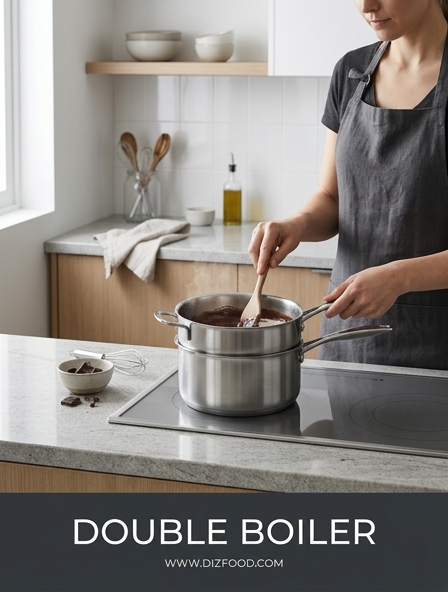
Modern cooktops and ovens are designed to retain heat long after the power source has been deactivated. Utilizing residual heat is a sophisticated way to finish the cooking process without consuming additional energy. For example, when using an electric stovetop, the elements remain hot for several minutes after being switched off. By turning the dial to zero five minutes before a dish is fully cooked, the stored thermal energy can successfully complete the process. This technique is particularly effective for delicate tasks like melting chocolate, simmering rice, or thickening sauces.
- Turn off the oven ten minutes before the end of a long roasting cycle.
- Allow pasta to sit in the hot water with the lid on for the final minute of cooking.
- Keep finished dishes warm on the deactivated but still warm burner.
- Use the cooling oven to gently toast nuts or dry out breadcrumbs.
This method requires a slight adjustment in timing and a better understanding of how different materials, like ceramic or cast iron, hold onto heat. While gas ranges cool down faster, the residual heat within the food and the heavy pan itself can still be leveraged to prevent overcooking while simultaneously reducing the total energy required for the meal.
Descale Kettles Regularly
The accumulation of limescale and mineral deposits inside a kettle acts as a powerful insulator between the heating element and the water. As these layers of calcium carbonate thicken, the kettle must run for a longer duration to penetrate the buildup, significantly increasing energy consumption. In hard water areas, a kettle can lose a noticeable percentage of its efficiency in just a few months. This not only wastes electricity but also causes the heating element to overheat, potentially shortening the lifespan of the appliance through thermal stress.
A simple maintenance routine involving acidic solutions like white vinegar or citric acid can dissolve these deposits effortlessly. By boiling a mixture of water and descaler and letting it sit, the metal surfaces are restored to their original conductivity. A clean kettle reaches a boil faster, operates more quietly, and uses the minimum amount of power necessary. Maintaining a scale-free environment inside your small appliances is a proactive step toward kitchen sustainability. This ensures that every watt of electricity purchased is converted directly into heat for your beverage, rather than fighting against an insulating wall of mineral crust.
Reduce Flame After Boiling
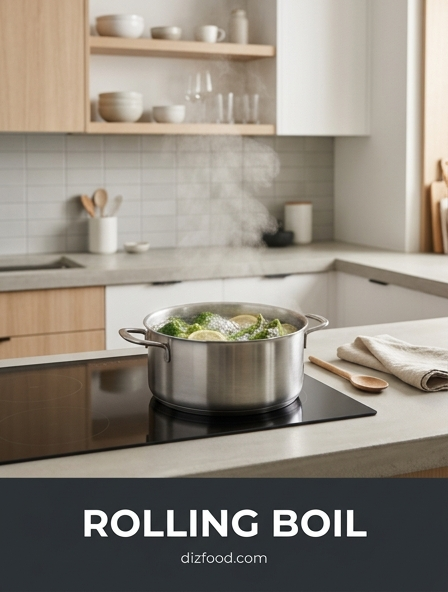
Once water reaches its boiling point of 100 degrees Celsius (at sea level), it cannot get any hotter regardless of how high the flame or setting is adjusted. Any additional heat applied beyond this point simply converts liquid water into steam faster, a process that does not cook the food any more quickly but does consume excessive energy. For tasks like boiling potatoes or pasta, the goal should be to reach the boiling point rapidly and then immediately reduce the heat to the lowest setting that maintains a steady simmer.
Aggressive boiling often leads to "boil-overs," which create a mess and can even extinguish a gas flame, leading to safety hazards. By lowering the intensity, you maintain the same temperature while significantly cutting gas or electricity usage. This practice also prevents the breakdown of delicate food textures that can occur during violent boiling. Efficient cooks recognize that a gentle bubble provides the same thermal energy as a vigorous boil, allowing for a more controlled cooking environment and a substantial reduction in the kitchen's overall carbon footprint during the preparation of daily meals.
Use Electric Kettles for Preheating
Electric kettles are often more energy-efficient than boiling water on a traditional stovetop, particularly when compared to gas burners which lose a high percentage of heat to the surrounding air. To maximize efficiency when cooking pasta, rice, or blanched vegetables, it is advisable to preheat the required volume of water in an electric kettle before transferring it to a pot on the stove. Because the heating element in a kettle is in direct contact with the water, the thermal transfer is incredibly high, often exceeding 80 percent efficiency.
- Boil water in a kettle for faster start times on large pots.
- Switch to induction or electric kettles to avoid gas-related ambient heat loss.
- Only boil the exact volume needed for the recipe.
- Use the kettle for small tasks like soaking legumes or preparing instant stocks.
Once the boiling water is poured into the pot on the stove, the burner only needs to provide enough energy to maintain that temperature, rather than working to raise it from room temperature. This strategy is especially beneficial for those with older electric coil stoves which take a long time to reach peak heat. Combining these two appliances strategically minimizes the total time the stove is active, resulting in a cooler kitchen and lower energy demand.
Optimize Burner Performance
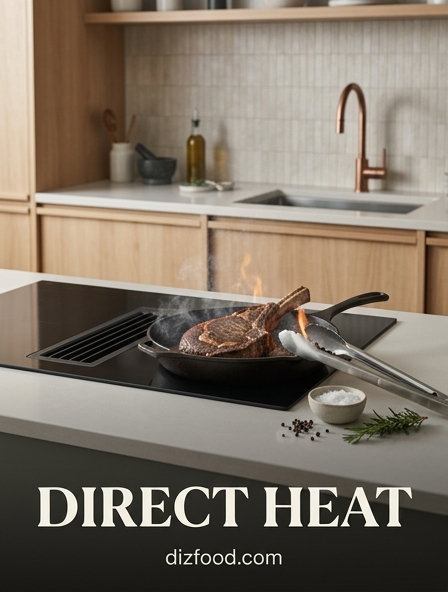
A gas burner that is not functioning correctly is a major source of energy inefficiency. The color of the flame is the primary indicator of performance; a healthy, efficient flame should be steady and blue. A yellow or orange flame indicates incomplete combustion, which means the gas is not being burned efficiently and may be releasing higher levels of carbon monoxide. This is often caused by clogged burner ports or an improper air-to-gas mixture. Regularly cleaning the burner heads to remove spilled food and grease ensures that the gas can flow freely and ignite completely.
For electric stovetops, efficiency is optimized by ensuring the heating coils are level and clean. On glass-top stoves, any burnt-on residue acts as an insulator, preventing the smooth transfer of heat to the bottom of the pan. Keeping these surfaces pristine allows for maximum infrared or conductive energy transfer. Furthermore, checking that the burner is correctly seated in its reflector bowl (for coil types) can help bounce heat back up toward the cookware. Taking a few minutes for routine maintenance ensures that your appliance operates at its factory-specified efficiency, preventing the waste of fuel and ensuring faster, more consistent cooking results.
Pressure Cooking Benefits
Pressure cookers are among the most energy-efficient tools available in the modern kitchen. By creating a pressurized environment, these vessels raise the boiling point of water above 100 degrees Celsius, which allows food to cook up to 70 percent faster than conventional methods. Because the cooking time is drastically reduced, the total amount of energy consumed is significantly lower. This is particularly advantageous for long-cooking foods like dried beans, tough cuts of meat, and whole grains, which would otherwise require hours of simmering on a traditional stovetop.
- Reduces energy consumption by up to 70 percent compared to steaming or boiling.
- Retains more vitamins and minerals due to shorter exposure to heat.
- Minimizes the release of heat and steam into the kitchen environment.
- Functions as a multi-purpose tool, replacing several less efficient appliances.
Modern electric pressure cookers add an extra layer of efficiency through insulated housings and precision sensors that turn the heating element on and off only as needed to maintain pressure. Unlike a traditional pot that vents steam and loses energy continuously, a pressure cooker remains sealed, keeping every joule of energy focused on the food inside, making it a cornerstone of an energy-conscious kitchen.
Choose Conductive Cookware Materials
The material composition of your cookware plays a decisive role in how much energy is required to cook a meal. Highly conductive materials like copper and aluminum distribute heat rapidly and evenly across the surface of the pan, reducing the time needed for preheating and preventing hot spots that cause uneven cooking. While stainless steel is durable, it is a relatively poor conductor on its own, which is why high-quality stainless pans often feature a core of aluminum or copper sandwiched between the steel layers to improve thermal performance.
| Material | Thermal Conductivity | Energy Benefit |
|---|---|---|
| Copper | Very High | Instant response, minimal preheat time |
| Aluminum | High | Fast heat distribution, lightweight efficiency |
| Cast Iron | Moderate | Excellent heat retention for long tasks |
| Stainless Steel | Low | Best when "cladded" with conductive cores |
Using the right material for the specific cooking task can prevent energy waste. For instance, cast iron is ideal for dishes requiring steady, long-term heat because its high thermal mass retains energy even when the heat source is lowered. On the other hand, for quick sautéing, a highly responsive aluminum or copper pan is more efficient. Matching the material to the method ensures that heat is transferred to the food with minimal resistance and maximum speed.

Comments