
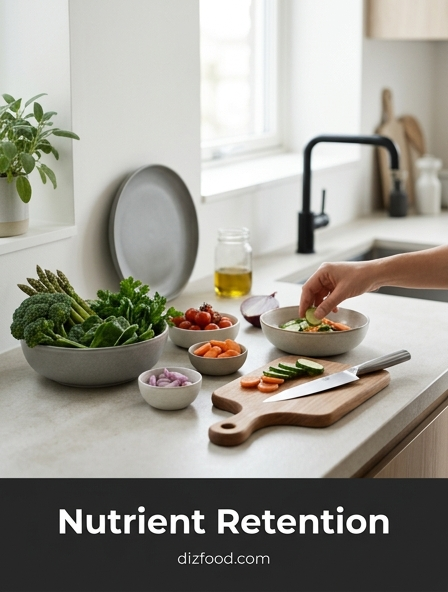
The Science of Boiling and Nutrient Loss
Boiling is a fundamental culinary technique, yet it remains one of the most aggressive methods regarding nutrient stability. The primary mechanism of loss is leaching, where water-soluble micronutrients migrate from the plant tissues into the surrounding liquid. This process is driven by an osmotic gradient; as the cell walls soften under heat, internal fluids rich in vitamins and minerals move toward the lower-concentration boiling water. Thermal degradation also plays a significant role, as high temperatures catalyze the breakdown of heat-sensitive organic compounds.
Different vegetables exhibit varying levels of resilience during the boiling process. Fibrous stalks may retain minerals more effectively than porous leaves. To minimize these losses, understanding the specific vulnerabilities of the produce is essential. The following factors contribute to the rate of nutrient depletion:
- Surface area exposure: Smaller cuts increase the contact points for leaching.
- Boiling duration: Longer exposure times lead to higher percentage losses.
- Water volume: Larger amounts of water create a steeper concentration gradient, pulling more nutrients out.
- pH levels: Highly alkaline or acidic water can accelerate the breakdown of certain vitamins.
Optimal Water Levels for Vegetable Prep
Determining the correct volume of water is a critical step in balancing even heat distribution with nutrient preservation. Traditional methods often suggest large pots of rolling water, but modern nutritional science indicates that a minimalist approach is superior. When vegetables are submerged in excessive water, the diffusion of minerals such as potassium and magnesium is maximized, leaving the final dish nutritionally depleted. The goal should be to use just enough water to allow for steam circulation and consistent thermal transfer.
Reducing water levels also speeds up the time required to return to a boil after the food is added, which shortens the overall thermal exposure. This "shallow boiling" technique works best for dense vegetables like carrots or potatoes. For lighter greens, a specialized approach is required to prevent scorching while maintaining a high nutrient profile. Consider these guidelines for water volume:
- Root Vegetables: Cover with one inch of water to ensure even cooking through the core.
- Cruciferous Vegetables: Use half-submergence to allow the tops to steam while the stems boil.
- Legumes: Maintain a 3:1 water-to-bean ratio to account for absorption without excessive waste.
Mastering the Rapid Blanching Method
Rapid blanching is a precision technique designed to deactivate enzymes that cause spoilage and off-flavors without fully softening the vegetable's structure. This method involves plunging produce into boiling water for a very brief period-usually between thirty seconds and two minutes-followed immediately by "shocking" in an ice-water bath. The sudden drop in temperature halts the cooking process, effectively locking in the vibrant chlorophyll and preventing the further leaching of delicate micronutrients.
This technique is particularly effective for preparing vegetables for freezing or for salads where a crisp-tender texture is desired. By deactivating enzymes like peroxidase and catalase, blanching extends the shelf life and maintains the nutritional integrity of the food during storage. The efficiency of this method relies on the speed of the transition between heat and cold. A delay of even a few seconds can lead to overcooking and the loss of water-soluble vitamins. Mastering this cycle ensures that the internal cellular structure remains intact, keeping the nutrients trapped within the plant fibers rather than dissipating into the cooking liquid.
Preserving Water Soluble Vitamins
Water-soluble vitamins, primarily Vitamin C and the B-vitamin complex, are the most susceptible to loss during kitchen preparation. These nutrients are highly reactive to heat, light, and water exposure. Vitamin C, in particular, acts as a sentinel for nutrient retention; if a cooking method preserves Vitamin C, it is likely preserving other nutrients as well. Because these vitamins cannot be stored in the human body in significant amounts, maximizing their retention in daily meals is vital for metabolic health.
| Nutrient | Sensitivity Level | Main Cause of Loss |
|---|---|---|
| Vitamin C (Ascorbic Acid) | Very High | Heat and Leaching |
| Thiamine (B1) | High | Prolonged Boiling |
| Folate (B9) | Moderate | Oxidation and Water Exposure |
| Riboflavin (B2) | Low | Light Sensitivity |
To mitigate these losses, it is recommended to keep vegetable pieces large to reduce the surface-to-volume ratio. Additionally, starting with boiling water rather than cold water can reduce the total time the produce spends in the liquid, thereby limiting the window for vitamin migration.
Impact of Cooking Time on Flavor
The relationship between cooking time, flavor, and nutrition is a delicate balance of chemical transformations. Short cooking durations generally preserve the natural sugars and volatile aromatic compounds found in fresh produce. When vegetables are boiled for too long, these flavor molecules are either destroyed by heat or diluted into the water, resulting in a bland and unappealing product. Overcooking also leads to the release of sulfurous compounds in vegetables like broccoli and Brussels sprouts, which creates a pungent, bitter taste.
Texture is intrinsically linked to flavor perception. A crisp-tender vegetable provides a more satisfying sensory experience, which is often associated with higher nutrient density. As the cell walls break down, the release of intracellular fluids can enhance the perceived sweetness of the vegetable. However, once the structural integrity is completely lost, the dish becomes mushy, and the flavor profile flattens. Precise timing is therefore essential not only for the palate but also for ensuring that the dietary fiber remains functional and the vitamins remain bioavailable. Monitoring the transition from raw to cooked requires constant attention to avoid the point of diminishing returns.
Reusing Nutrient Rich Boiling Water
One of the most effective ways to offset nutrient loss during boiling is to repurpose the cooking liquid, often referred to as "pot liquor." This water contains a significant percentage of the vitamins and minerals that leached out during the cooking process. Instead of discarding this liquid down the drain, it can be integrated back into the meal or used in secondary preparations. This practice ensures that the total nutritional value of the original ingredients is consumed rather than wasted.
The versatility of nutrient-rich boiling water makes it an excellent base for various culinary applications. Because it already carries the subtle flavors of the vegetables cooked within it, it adds depth to other dishes without the need for additional sodium or artificial flavorings. Consider the following ways to utilize this liquid:
- Soup Bases: Use as a fortifying stock for vegetable or grain-based soups.
- Grain Rehydration: Cook rice, quinoa, or couscous in the vegetable water to infuse them with minerals.
- Sauce Reduction: Reduce the liquid to create a concentrated glaze for the cooked vegetables.
- Braising: Use the water as a moistening agent for slow-cooked meats or stews.
Temperature Control for Delicate Greens
Delicate leafy greens such as spinach, swiss chard, and beet greens require a more nuanced approach than hardy root vegetables. These plants have thin cell walls and high water content, making them extremely sensitive to high temperatures. Boiling these greens at a full rolling boil for even a minute can result in a significant loss of Folate and Vitamin K. Instead, a gentle simmer or a "wilt" method is preferred to maintain both the structural integrity and the micronutrient profile.
The ideal temperature for cooking delicate greens is just below the boiling point, approximately 180°F to 190°F. At this range, the heat is sufficient to soften the cellulose and kill potential surface bacteria while minimizing the thermal shock to the vitamins. Furthermore, keeping the cooking time under sixty seconds is often enough to achieve the desired culinary result. By carefully monitoring the water temperature and removing the greens as soon as they change color, cooks can preserve the bright green hues that indicate the presence of active antioxidants and phytonutrients.
Benefits of Lid On Boiling Techniques
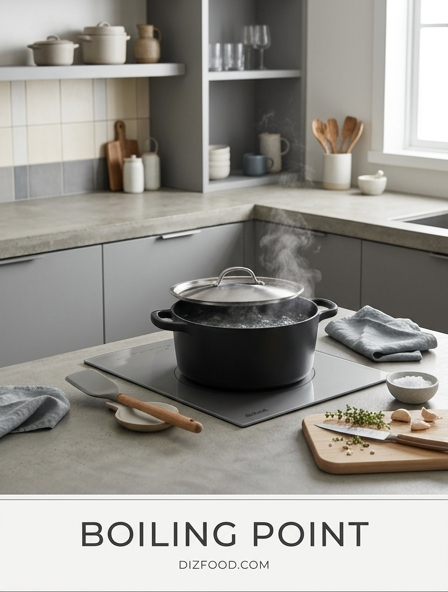
Utilizing a lid during the boiling process is a simple yet highly effective strategy for nutrient retention and energy efficiency. When a pot is covered, the internal pressure increases slightly, and the steam is trapped within the vessel. This creates a dual-action cooking environment where the submerged portion of the food boils while the exposed portion steams. This combined effect significantly reduces the total cooking time, which is the single most important factor in preventing the thermal degradation of vitamins.
Furthermore, a lid prevents the evaporation of volatile aromatic compounds, keeping the flavor concentrated within the food and the liquid. From a nutritional standpoint, the faster cooking cycle minimizes the duration that water-soluble vitamins are exposed to heat and moisture. It also allows for the use of less water, as the trapped steam ensures that even the parts of the vegetables not fully submerged are cooked thoroughly. This "closed system" approach is a hallmark of efficient kitchen management, providing a faster path to a nutritionally superior meal while conserving the heat energy required for the process.
Minimal Water Methods for Maximum Nutrition
The shift toward minimal water methods, such as steam-boiling or "waterless" cooking, represents a significant advancement in domestic nutrition. By using only a few tablespoons of water in a tightly sealed pan, the food is essentially cooked in its own juices and a small amount of vapor. This method virtually eliminates leaching, as there is no large body of water for the nutrients to migrate into. The result is a vegetable that retains nearly 100% of its mineral content and a much higher percentage of its vitamin profile compared to traditional immersion boiling.
This technique is particularly beneficial for vegetables with high water content, like zucchini, bell peppers, and asparagus. Because the cooking environment is so concentrated, the natural flavors are intensified, often reducing the need for added salt or fats. The key to success with minimal water methods is the use of high-quality, heavy-bottomed cookware that distributes heat evenly and prevents localized burning. By mastering this low-moisture approach, the home cook can ensure that the health benefits of the produce are fully realized in the final dish.
Enhancing Bioavailability Through Quick Boils
While boiling can result in nutrient loss, it can also paradoxically increase the bioavailability of certain compounds. Some nutrients, particularly carotenoids like beta-carotene in carrots and lycopene in tomatoes, are bound within the tough cellular matrices of the plant. A brief exposure to heat through a quick boil softens these cell walls, making the nutrients more accessible to the human digestive system. Without this thermal intervention, these beneficial antioxidants might pass through the body without being fully absorbed.
| Vegetable | Nutrient Enhanced | Benefit of Quick Boil |
|---|---|---|
| Carrots | Beta-Carotene | Softens cell walls for better absorption |
| Spinach | Iron/Calcium | Reduces oxalates that inhibit absorption |
| Tomatoes | Lycopene | Converts to a more bioavailable form |
The challenge lies in timing the boil to achieve this cellular breakdown without over-processing the food. A "quick boil" target of three to five minutes for dense vegetables is often the sweet spot for maximizing bioavailability while minimizing the leaching of water-soluble vitamins. This nuanced understanding of food science allows for the strategic use of boiling to optimize the nutritional impact of every ingredient.

Comments