
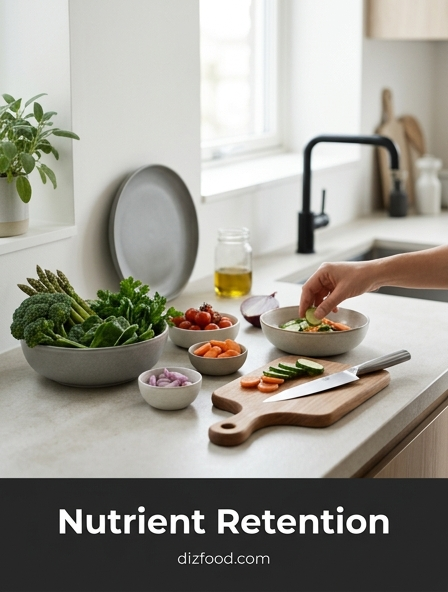
Maintaining healthy cooking habits is about more than just flavor; it's about preserving the vital vitamins your body needs to thrive. Many home cooks unknowingly lose essential minerals through nutrient leaching, a process where water-soluble nutrients are washed away during preparation. By adopting mindful techniques, such as keeping peels on or using minimal liquid, you can significantly enhance the nutritional value of every meal. Small adjustments in your kitchen routine ensure your vegetables stay vibrant and nutrient-dense, turning daily dinners into a foundation for long-term wellness. To maximize your health benefits, it is worth exploring the differences in nutrient retention between steam boiling vs water boiling.
Minimize Water Volume for Nutrient Retention
When boiling vegetables, the volume of water used significantly impacts the rate of nutrient leaching. Water-soluble vitamins, particularly Vitamin C and the B-complex group, migrate from the high-concentration environment of the plant tissues into the surrounding liquid through osmotic diffusion. Using a vast pot of water creates a steep concentration gradient, encouraging minerals and vitamins to escape the vegetable cells more rapidly. By reducing the water to the minimum amount necessary to cover the produce, you create a more saturated environment that slows down this migration. This technique, often called shallow boiling, ensures that the vegetables are cooked through a combination of minimal liquid contact and the resulting steam. Furthermore, using less water allows the liquid to reach a boiling point faster, reducing the total time the produce is exposed to heat. This dual benefit of limited solvent and decreased duration is essential for preserving the structural integrity and nutritional density of sensitive greens like spinach and broccoli. Professional chefs prioritize this balance to maintain both the health benefits and the flavor profile of the ingredients.
Optimal Boiling Times for Vitamin Preservation
The duration of heat exposure is a critical factor in determining how much nutritional value is lost to the cooking water. Prolonged boiling leads to the thermal degradation of heat-sensitive phytonutrients and provides more time for essential minerals to leach out of the cell walls. Most green vegetables require only a brief window of time to reach a palatable texture while retaining their vibrant color and enzyme profile. To optimize this process, it is essential to follow specific timeframes based on the density of the vegetable in question. Overcooking not only results in a mushy texture but also leaves the vegetable depleted of its most valuable components.
- Leafy Greens: 1 to 2 minutes
- Cruciferous Vegetables: 3 to 5 minutes
- Root Vegetables: 10 to 15 minutes
- Stalk Vegetables (Asparagus): 2 to 4 minutes
By adhering to these strict timing guidelines, you minimize the window for leaching to occur. Using a timer ensures consistency and prevents the accidental depletion of the vegetable's micronutrient profile during the high-heat cooking phase.
Impact of Vegetable Surface Area on Leaching
The physical preparation of vegetables directly dictates the extent of nutrient loss through leaching. Increasing the surface area by dicing, slicing, or mincing creates more points of contact between the vegetable's interior and the boiling water. Each cut breaks the protective cell walls, providing an immediate pathway for soluble nutrients to exit into the cooking medium. When a vegetable is cut into very small pieces, the ratio of surface area to volume increases exponentially, which accelerates the rate of diffusion. To mitigate this effect, it is often recommended to cook vegetables in larger chunks or even whole when possible, only cutting them to the desired size after the cooking process is complete. This keeps the internal juices and minerals sequestered within the plant structure for a longer duration.
| Preparation Style | Surface Area | Leaching Rate |
|---|---|---|
| Whole / Uncut | Minimal | Very Low |
| Large Chunks | Moderate | Low to Medium |
| Diced | High | High |
| Minced | Maximum | Very High |
Repurposing Leftover Cooking Water for Stocks
When leaching occurs, the nutrients are not necessarily destroyed; they are simply relocated from the vegetable into the cooking liquid. Discarding this "pot liquor" represents a significant loss of dietary value, as it contains a concentrated mixture of dissolved vitamins and minerals like potassium, magnesium, and folate. By reserving this nutrient-dense water, home cooks can recapture the lost value and integrate it into other parts of the meal. This liquid acts as a pre-made stock, carrying the subtle flavors of the vegetables that were boiled in it. It is a sustainable culinary practice that ensures nothing goes to waste in the kitchen. There are several efficient ways to integrate this liquid back into your diet:
- Using it as a base for soups and stews
- Hydrating grains like rice, quinoa, or couscous
- Adding it to pan sauces to deglaze and emulsify
- Using it as the liquid component in savory bread doughs
By treating the cooking water as a valuable byproduct rather than waste, you effectively negate the negative health impacts of the leaching process.
Benefits of Keeping Skins Intact During Boiling
Culinary skins, peels, and husks act as a natural biological barrier that significantly mitigates the effects of leaching. For root vegetables such as potatoes, carrots, and beets, the epidermis is a fibrous layer that keeps internal starches and water-soluble vitamins sequestered during the heating process. Boiling these items whole and unpeeled creates a protective envelope that prevents the surrounding water from infiltrating the delicate inner flesh. This barrier is especially effective at retaining minerals that are often concentrated just beneath the skin. Once the cooking process is finished, the skins can often be removed much more easily, or even left on for added fiber. Leaving the skin intact also helps the vegetable maintain its shape and prevents it from becoming waterlogged. This method is one of the simplest ways to ensure that the nutritional integrity of the produce remains high despite the use of immersion cooking. It provides a physical shield against the osmotic pressures that would otherwise strip the vegetable of its essential nutrients and flavor.
The Role of Rapid Boiling vs Slow Simmering
The intensity of the water's movement during the cooking process plays a major role in the physical breakdown of vegetable tissues. Rapid boiling involves high kinetic energy and vigorous bubbling, which can physically batter delicate vegetables. This mechanical agitation causes the edges of the produce to fray and the cell walls to rupture prematurely, leading to an increased rate of leaching. Conversely, a gentle simmer maintains a steady temperature just below the point of violent agitation. While the temperature difference between a simmer and a full boil is relatively small, the impact on the vegetable's structural integrity is significant. Slow simmering allows for a more controlled heat transfer, reducing the physical damage to the plant cells and keeping more of the nutrients trapped inside. For most vegetables, a gentle simmer is sufficient to soften the cellulose without causing the mass exodus of vitamins into the water. Choosing the right level of heat is not just about cooking speed, but about managing the physical forces that contribute to the degradation of the food's nutritional value during the leaching process.
Strategic Use of Lids to Capture Steam
Utilizing a lid during the boiling process is a fundamental technique for improving efficiency and reducing nutrient loss. A tightly fitted lid creates a closed environment that traps steam, increasing the internal pressure and allowing the water to return to a boil faster after the vegetables are added. This significantly shortens the total cooking duration, which is directly correlated with reduced leaching. Furthermore, the lid prevents the evaporation of volatile aromatic compounds, keeping the flavor concentrated within the pot. When the water level is kept low, the trapped steam effectively cooks the upper portions of the vegetables that are not submerged, further minimizing the amount of surface area exposed to the liquid solvent. This hybrid boiling-steaming approach is highly effective for dense vegetables like broccoli or cauliflower. By maintaining a stable, hot environment, the lid ensures even cooking and helps preserve the natural pigments and vitamins that would otherwise be lost to the air or excessive water exposure. It is a simple tool that provides a double benefit of energy efficiency and enhanced nutritional retention in every meal.
Blanching and Shocking for Maximum Nutrition
Blanching is a specialized culinary technique that involves a very brief immersion in boiling water, followed immediately by "shocking" the produce in an ice-water bath. This process is designed to deactivate specific enzymes, such as polyphenol oxidase, which are responsible for the browning and eventual nutritional degradation of vegetables. While the initial dip causes a minor amount of surface leaching, the rapid cooling in ice water stops the cooking process instantly. This prevents the further breakdown of cellular structures and locks in the vibrant color and crisp texture of the produce. This method is particularly useful for vegetables intended for freezing or for use in salads where a raw-yet-tender consistency is desired. The sequence is precise and requires careful attention to timing:
- Bring a pot of water to a rolling boil.
- Submerge the vegetables for 30 to 60 seconds.
- Remove them quickly using a slotted spoon or spider.
- Plunge them into a bowl of ice and water to stop the heat.
This technique preserves the maximum amount of vitamins by limiting the duration of the leaching window to the absolute minimum required for enzyme deactivation.
Transitioning from Boiling to Steam Infusion
Moving away from total immersion boiling toward steam infusion is arguably the most effective way to combat the problem of nutrient leaching. Steaming relies on water vapor rather than liquid water to transfer heat to the food. Because the vegetables are suspended above the boiling liquid in a basket or insert, they do not come into contact with the solvent. This means that the water-soluble minerals and vitamins have no medium into which they can leach, and they remain trapped within the plant's biological structure. Steam infusion also tends to be gentler on the delicate cell walls of green vegetables, preserving their natural crunch and preventing the "washed out" look often associated with boiled produce. While boiling can strip up to 50% of certain vitamins, steaming typically retains over 80% of the original nutritional content. Transitioning to this method requires no complex equipment, only a simple steamer basket. It represents a significant upgrade in cooking philosophy, prioritizing the chemical and physical integrity of the ingredients while still achieving a perfect, tender-crisp result that enhances any culinary presentation.
Timing Your Vegetables for Peak Mineral Content
Managing the sequence in which different vegetables are added to a cooking pot is essential for minimizing leaching across a multi-ingredient dish. Different plant tissues have varying levels of density and resistance to heat. Harder root vegetables, such as beets, parsnips, or potatoes, require a much longer exposure to boiling water to soften their complex starches. In contrast, leafy greens, peas, or sliced zucchini can reach their peak texture in under two minutes. If all ingredients are added at the same time, the softer vegetables will become over-boiled and undergo extreme leaching long before the harder vegetables are ready. By timing the addition of each component based on its structural requirements, the cook ensures that no single item is over-exposed to the water. This "staggered start" method keeps the minerals and vitamins of the more delicate items intact. It results in a dish where every vegetable maintains its individual flavor, color, and nutritional profile. Precision timing is the hallmark of a skilled cook who understands the science of leaching and works to prevent it at every stage of the preparation process.

Comments