
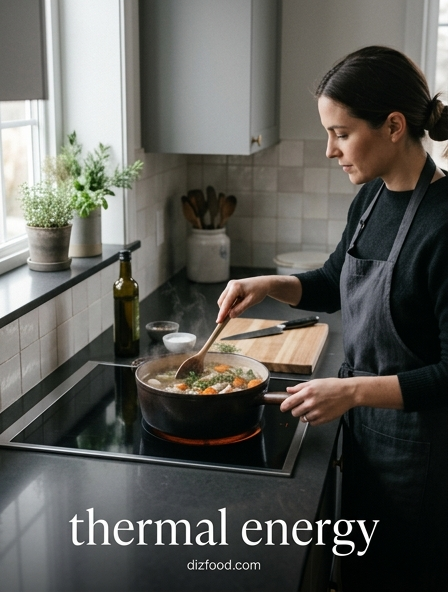
The Science of Thermal Trapping
Thermal trapping in a culinary context refers to the containment of kinetic energy within a cooking vessel to prevent dissipation into the surrounding environment. When liquid is heated, molecules gain energy and transition from a liquid phase to a gaseous state. Without a physical barrier, these high-energy steam molecules escape, carrying significant latent heat away from the source. This process, known as evaporative cooling, significantly slows the temperature rise of the remaining liquid.
By introducing a lid, a cook creates a closed thermodynamic system. The lid acts as an insulator and a physical reflector, bouncing radiant heat back toward the food and trapping the hot air and steam. This increases the internal air temperature above the liquid surface, which in turn reduces the rate of evaporation. Consequently, the energy provided by the burner is concentrated within the pot rather than being lost to the kitchen air. Understanding this mechanism is fundamental to mastering thermal efficiency, as it allows for precise control over the energy required to reach and maintain a boil.
Benefits of Using Lids for Boiling
Utilizing a lid while boiling water or stocks is one of the simplest yet most effective ways to manage kitchen energy. The primary advantage is the dramatic reduction in the time required for water to reach its boiling point. By containing the steam, the lid maintains a high-temperature environment that accelerates the transfer of thermal energy throughout the liquid volume. This efficiency is not merely about speed; it also encompasses safety and cleanliness within the kitchen workspace.
- Prevents excessive humidity and moisture buildup on kitchen cabinetry.
- Reduces the risk of accidental burns from escaping steam plumes.
- Minimizes kitchen odors by containing aromatic compounds within the pot.
- Ensures a more consistent internal temperature for delicate simmering.
- Protects the stovetop from splatters and boil-overs.
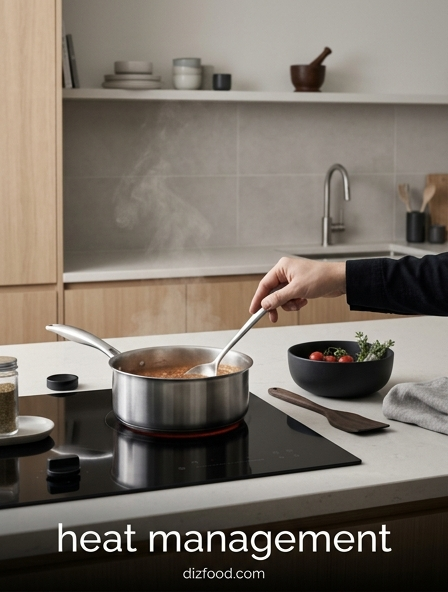
Beyond these practical perks, using a lid facilitates a more stable cooking environment. When the heat is trapped, the stovetop settings can often be lowered once the boiling point is achieved, as the contained energy is sufficient to maintain the phase change. This practice represents a foundational step in professional heat management.
How Trapped Heat Reduces Cooking Time
The relationship between trapped thermal energy and cooking duration is governed by the principles of heat transfer and molecular kinetics. When heat is trapped using a lid, the internal temperature of the vessel remains consistently at or near the boiling point without the fluctuations caused by ambient air currents. This consistency allows for a faster breakdown of cellular structures in vegetables and the denaturation of proteins in meats.
| Condition | Heat Loss | Relative Speed |
|---|---|---|
| Open Pot | High (Evaporative) | Baseline |
| Covered Pot | Low (Insulated) | 25-30% Faster |
| Pressure Cooker | Negligible | 70% Faster |
Because the steam is unable to escape, it creates a slightly higher atmospheric pressure inside the pot, which can marginally increase the boiling point of water. More importantly, the saturated steam environment transfers heat more efficiently to the food's surface than dry air or simmering water alone. This multi-modal heat transfer-conduction from the water and convection from the trapped steam-works in tandem to ensure that the core temperature of the food rises rapidly, significantly shortening the overall preparation time.
Energy Efficiency in Home Cooking
Energy efficiency in the kitchen is directly proportional to how well a cook manages thermal radiation and convection. Every moment a burner is active, it consumes gas or electricity to generate heat. If that heat is allowed to dissipate into the room, the efficiency of the appliance drops. In a typical household, cooking accounts for a significant portion of daily energy usage. By optimizing heat retention through the use of lids and appropriate cookware, users can ensure that the maximum amount of energy is directed into the food.
The cumulative effect of these small adjustments is substantial. For instance, bringing a large pot of water to a boil with a lid on can use up to 30% less energy than boiling the same amount in an uncovered vessel. This efficiency also impacts the kitchen's climate; less heat escaping into the room means that air conditioning systems do not have to work as hard to maintain a comfortable temperature. Sustainable cooking is therefore not just about the ingredients, but about the mechanical choices made during the thermal processing of those ingredients.
Thermal Retention and Nutrient Preservation
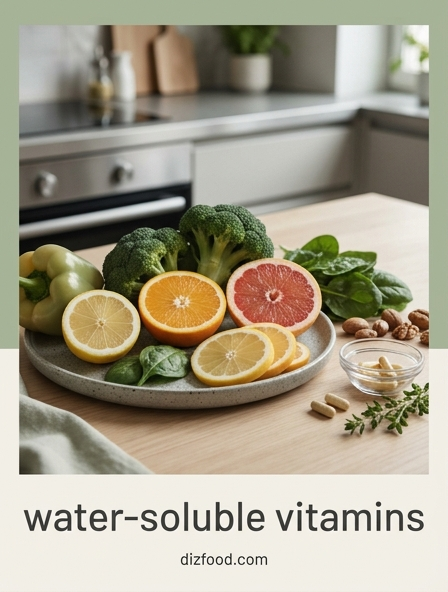
The method by which heat is applied to food has a profound impact on its nutritional profile. Rapid cooking at stable temperatures, facilitated by thermal retention, is often superior for preserving heat-sensitive vitamins and minerals. Many essential nutrients, such as Vitamin C and various B vitamins, are water-soluble and prone to degradation during prolonged exposure to high heat. By trapping steam and heat, cooking times are reduced, which minimizes the duration these nutrients are subjected to thermal stress.
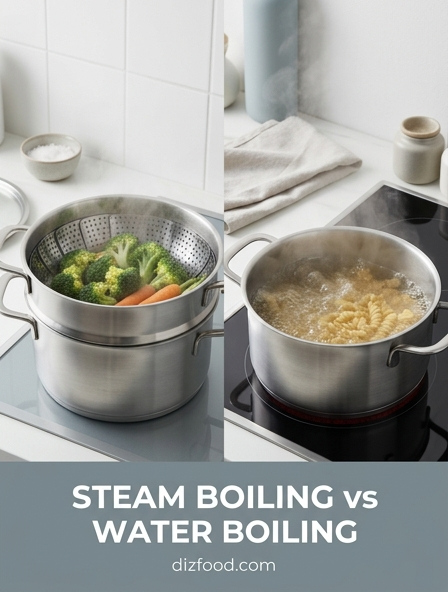
Furthermore, when a lid is used, less water is required to cook the food because evaporation is kept to a minimum. This is particularly beneficial for techniques like "steam-boiling," where vegetables are cooked in a small amount of water. Because the food is not submerged in a large volume of liquid, fewer nutrients leach out into the water. The result is a finished product that retains its natural color, texture, and nutritional density. Efficient heat management thus serves as a tool for both energy conservation and health, ensuring that the biological value of the ingredients is maintained throughout the cooking process.
Reducing Household Utility Costs
While individual cooking sessions may seem insignificant, the long-term impact of inefficient heat usage is reflected in monthly utility bills. Thermal energy management is a financial strategy as much as a culinary one. When pots are left uncovered or burners are set to higher-than-necessary temperatures, the energy meter spins faster without providing a proportional benefit to the food. Over the course of a year, the "energy leak" from improper boiling and simmering can add up to a noticeable expense.
To reduce these costs, home cooks should focus on the synergy between the heat source and the vessel. Matching the diameter of the pot to the size of the burner prevents heat from escaping around the sides of the cookware. Additionally, once a boil is achieved with a lid, the burner can usually be turned down to the lowest setting while still maintaining the boil. This "low and slow" approach, supported by high thermal retention, ensures that the appliance consumes the minimum amount of fuel required. Adopting these habits transforms the kitchen into a more economical environment, allowing for significant savings on gas and electricity without sacrificing meal quality.
The Physics of Steam and Pressure
The transition of water from liquid to vapor is an endothermic process that requires a significant input of energy. Once water reaches 212°F (100°C) at sea level, the temperature remains constant as energy is used to break molecular bonds rather than increase heat. In an open system, this steam simply exits the pot. However, in a system utilizing a lid, the physics change. The lid traps the steam, creating a localized area of increased gas density above the water. This slightly increases the pressure within the vessel.
According to the Gay-Lussac's Law, pressure and temperature are directly related in a fixed volume. While a standard pot lid is not airtight like a pressure cooker, it still creates enough of a barrier to suppress the cooling effect of evaporation. The trapped steam also has a high heat capacity; it carries more energy than dry air at the same temperature. This creates a highly conductive environment that penetrates food more deeply and quickly. Understanding this phase-change physics allows cooks to manipulate steam as a powerful medium for energy transfer, rather than treating it as a mere byproduct of boiling.
Optimizing Heat Transfer with Proper Cookware
The efficiency of thermal energy in the kitchen is heavily dependent on the materials and design of the cookware used. Not all pots are created equal when it comes to conducting and retaining heat. The goal is to move energy from the burner to the food with minimal resistance and loss. This requires materials with high thermal conductivity and lids that provide a tight seal to prevent the escape of steam.
- Copper: Offers superior conductivity for rapid temperature adjustments.
- Aluminum: Lightweight and excellent for even heat distribution.
- Cast Iron: High thermal mass, ideal for maintaining steady heat over long periods.
- Stainless Steel: Durable and often layered with aluminum or copper cores for better performance.
Proper cookware optimization involves selecting the right tool for the task. For boiling, a heavy-bottomed pot with a well-fitting, weighted lid is ideal. The heavy base prevents "hot spots" that can cause scorching, while the lid ensures that the kinetic energy remains trapped. Using the correct pot size is also crucial; a pot that is too large for its contents will have more surface area for heat loss, even with a lid. Precision in cookware selection is the bridge between raw energy and culinary success.
Sustainable Kitchen Habits for Better Boiling
Sustainability in the kitchen is achieved through the mindful application of thermal energy. It begins with using only the necessary amount of water. Many cooks fill pots to the brim, requiring significantly more energy and time to reach a boil. By measuring water according to the actual volume of the food, one reduces the thermal load on the stove. Furthermore, keeping the lid on during the entire heating process is a non-negotiable habit for the eco-conscious cook.
Another sustainable practice is "stacking" tasks or using tiered steamers. This allows one heat source to cook multiple components of a meal simultaneously using the trapped steam that would otherwise be wasted. Additionally, cleaning the undersides of pots ensures that carbon buildup or grime does not interfere with the heat transfer from the burner. These small, disciplined actions contribute to a lower household carbon footprint and foster a deeper respect for the resources required to prepare food. Sustainability is not just a trend but a functional improvement in how we interact with heat and matter in our daily lives.
Maximizing Efficiency with Residual Heat Control
Residual heat, often referred to as "carryover cooking," is the energy that remains in the food and the cooking vessel after the primary heat source has been deactivated. Mastering this concept is the hallmark of an advanced cook. Because liquids and heavy pots have high thermal mass, they continue to emit heat long after the burner is turned off. By turning off the stove a few minutes before the food is fully done and keeping the lid tightly closed, the trapped energy can finish the cooking process.
This technique is particularly effective for grains, pasta, and poached proteins. For example, once a pot of rice has absorbed most of its water, the residual heat trapped by the lid is sufficient to steam the grains to perfection without further fuel consumption. This not only saves energy but also prevents the bottom of the pot from burning. Utilizing residual heat requires an understanding of the specific heat capacity of different foods and vessels. When executed correctly, it ensures that no joule of energy is wasted, resulting in perfectly cooked meals and a highly efficient kitchen workflow.

Comments