
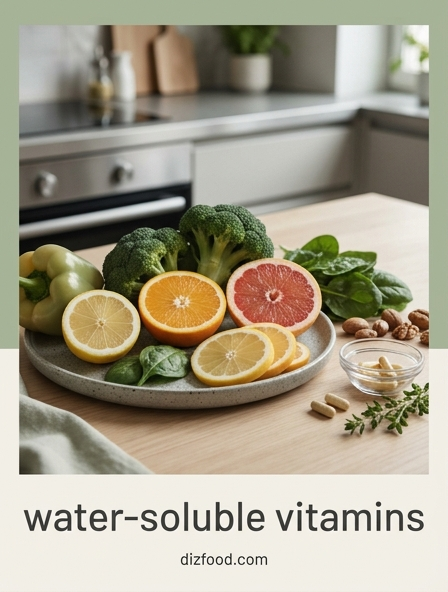
You probably spend plenty of time picking the freshest produce, but how you prepare it matters just as much for your health. Water-soluble vitamins, such as Vitamin C and the B-complex family, are incredibly delicate and easily leach out into cooking liquids or break down under high heat. To keep your daily meals nutrient-dense, try to minimize heat exposure and keep cooking times as short as possible. Chopping vegetables into larger pieces and using minimal water can significantly reduce nutrient loss. Instead of submerging your greens, consider techniques that keep food away from direct liquid contact. Choosing the right method is crucial, so understanding the nuances of steam boiling vs water boiling can help you maximize the nutritional value of every bite.
Minimize Boiling Water for Nutrient Retention
Water-soluble vitamins, specifically the B-complex group and Vitamin C, are highly susceptible to leaching when submerged in large volumes of water. When vegetables such as broccoli, spinach, or bell peppers are boiled in a full pot, the osmotic pressure encourages the migration of these essential micronutrients from the plant cells into the surrounding liquid. This process, known as leaching, can result in a significant reduction of the food's nutritional profile before it even reaches the dinner plate. To combat this loss, home cooks should practice the minimal water technique. By using only enough water to cover the bottom of the pan or utilizing a shallow simmer, the concentration gradient is reduced, and fewer vitamins are dissolved into the discardable water.
This is particularly crucial for leafy greens, which possess a high surface-area-to-volume ratio, making them prime candidates for rapid nutrient depletion. Reducing the water volume not only preserves the internal vitamin density but also helps in concentrating the natural flavors of the produce. Managing the water-to-vegetable ratio is the first line of defense in nutritional kitchen science.
Shortening Cooking Times to Save Vitamins
The duration of heat exposure is a critical factor in the degradation of water-soluble vitamins. While some nutrients are relatively stable, Vitamin C and thiamine (B1) are notoriously sensitive to prolonged thermal processing. The longer a vegetable is exposed to high temperatures, the more its molecular structure breaks down, leading to the oxidation of valuable antioxidants. Shortening cooking times is one of the most effective strategies for maintaining a nutrient-dense diet. Techniques such as stir-frying or high-heat sautéing allow vegetables to reach a palatable state within minutes, minimizing the time available for vitamin breakdown.
Rapid cooking methods ensure that the heat does not penetrate the food for so long that the core nutritional value is compromised. Furthermore, utilizing modern tools like the microwave can be surprisingly beneficial; because it cooks food quickly using minimal added moisture, it often retains higher levels of Vitamin C than traditional stove-top boiling. By aiming for a crisp-tender texture, cooks can ensure that the majority of the vitamin content remains intact and bioavailable for the body to absorb, rather than being lost to the heat of the stove.
Impact of High Temperatures on Vitamin C
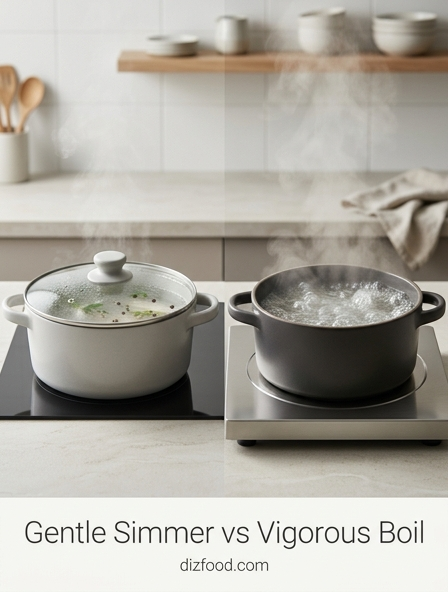
Vitamin C, or ascorbic acid, is perhaps the most fragile nutrient found in the kitchen. It is highly reactive to heat, light, and alkalinity. When vegetables are subjected to high temperatures, the thermal energy disrupts the chemical bonds of the vitamin, rendering it biologically inactive. Studies have shown that boiling can result in a loss of up to 50% of Vitamin C in vegetables like cabbage and potatoes. The intensity of the heat is just as damaging as the duration, meaning that a rolling boil is far more destructive than a gentle simmer.
- Ascorbic acid begins to degrade at temperatures as low as 86°F (30°C).
- Boiling water at 212°F (100°C) accelerates the oxidation process rapidly.
- Adding baking soda to preserve color further destroys Vitamin C due to pH changes.
To mitigate these effects, it is recommended to add vegetables to the pot only after the water has reached its destination temperature, rather than letting them sit in warming water, which prolongs the total heat exposure. Understanding this sensitivity allows for better control over the nutritional output of daily meals.
Benefits of Steaming vs Rapid Boiling
Steaming is widely considered the gold standard for preserving water-soluble vitamins. Unlike boiling, where vegetables are fully immersed in a solvent (water), steaming uses hot vapor to transfer heat. This prevents the direct contact that leads to heavy leaching of B-vitamins and Vitamin C. Because the vegetables sit above the water line, the physical structure of the plant remains more intact, and the nutrients stay trapped within the cellular matrix. This method is exceptionally efficient for preserving the folate found in asparagus and the riboflavin in various green vegetables.
| Feature | Boiling | Steaming |
|---|---|---|
| Nutrient Leaching | High | Minimal |
| Water Contact | Full Immersion | Vapor Only |
| Texture Retention | Often Mushy | Crisp and Firm |
By switching from a rapid boil to a gentle steam, a cook can significantly increase the daily intake of essential nutrients without changing the ingredients themselves. It is a simple mechanical shift that yields high nutritional dividends.
Repurposing Nutrient Dense Cooking Water
Even with the best intentions, some vitamin loss is inevitable when cooking with water. However, these vitamins are not destroyed; they are simply relocated into the cooking liquid. This liquid, often referred to as "pot liquor," is a concentrated broth of Vitamin C and B-complex vitamins that is frequently wasted down the kitchen drain. Instead of discarding this nutrient-rich byproduct, it can be repurposed as a base for other culinary applications. Utilizing this water in soups, stews, or gravies ensures that the leached nutrients are eventually consumed rather than lost.
Furthermore, the water used to boil potatoes or carrots can be cooled and used to deglaze pans or as a liquid component in savory sauces. For those who enjoy grain-based dishes, using leftover vegetable water to cook rice or quinoa allows the grains to absorb the dissolved vitamins, effectively returning them to the meal. This circular approach to kitchen management maximizes the efficiency of the ingredients and ensures that the total nutritional value of the produce is honored and utilized effectively.
Optimal Vegetable Cutting Sizes for Cooking
The way a vegetable is prepared with a knife directly influences its vitamin retention during the cooking process. This is primarily due to the surface area exposure. When a vegetable is cut into small, fine pieces, more of its internal cells are ruptured and exposed to the elements. This increased surface area allows more water to penetrate the flesh and more vitamins to leach out into the cooking medium. Conversely, keeping vegetables in larger chunks or even cooking them whole minimizes the points of exit for water-soluble nutrients.
For example, a whole carrot will retain more Vitamin B6 and C than one that has been finely diced before boiling. If aesthetic or recipe requirements demand smaller pieces, it is highly recommended to cut the vegetables after they have been cooked rather than before. By boiling or steaming items in their largest possible form and then slicing them just before serving, the internal nutrient density is shielded by the plant's natural exterior. This simple adjustment in prep work can have a measurable impact on the final vitamin concentration of the dish.
Preserving Vitamin B Through Quick Blanching
Blanching is a culinary technique that involves briefly plunging vegetables into boiling water followed by an immediate ice bath. While it might seem counterintuitive to use boiling water to save vitamins, quick blanching is actually an effective way to stop enzyme activity that would otherwise lead to nutrient loss over time, especially if the vegetables are intended for freezing. The B-vitamin family, including folate and thiamine, can be preserved through this method if the timing is precise. The goal is to deactivate the enzymes without allowing enough time for the heat to penetrate the core or for leaching to occur.
- Bring a large pot of water to a vigorous boil.
- Submerge vegetables for 1 to 2 minutes only.
- Immediately transfer to an ice-water slurry to stop the cooking.
This "thermal shock" sets the vibrant color and locks in the nutritional profile. Because the exposure time is so limited, the leaching of water-soluble vitamins is kept to a minimum compared to traditional boiling, making it a preferred method for long-term food preservation and meal prep.
The Importance of Using Lids While Boiling
The use of a lid is a simple but frequently overlooked tool for nutrient preservation. When a pot is left uncovered, heat escapes in the form of steam, requiring a higher energy input and longer durations to maintain a boil. By placing a lid on the pot, the internal pressure increases slightly, and the temperature is maintained more consistently. This leads to faster cooking times, which, as previously discussed, is vital for the protection of heat-sensitive Vitamin C and the B-vitamin group. A lid also creates a closed environment where the vegetables can partially steam even if they are not fully submerged.
Furthermore, an uncovered pot allows for the evaporation of water, which can concentrate minerals but does nothing to save the vitamins already lost to the liquid. Using a lid ensures that the thermal environment is efficient, allowing the cook to use less water overall. This synergy between heat management and water volume is essential for a nutritionally conscious kitchen. It reduces the total time the vegetables spend in a "danger zone" where their molecular integrity is most at risk from thermal degradation.
Avoiding Overcooking to Prevent Vitamin Leaching
Overcooking is the primary enemy of water-soluble vitamins in a domestic kitchen. As vegetables soften beyond the "al dente" stage, their cellular walls lose all structural integrity. This collapse of the plant's fiber network makes it incredibly easy for the surrounding water to flush out the remaining B-vitamins and Vitamin C. A mushy texture is a visual and tactile indicator that the majority of the soluble nutrients have likely moved from the vegetable into the water. To avoid this, cooks should monitor the texture of their food closely, removing it from the heat as soon as it is tender enough to eat.
The "carry-over cooking" effect should also be considered. Vegetables continue to cook for several minutes after being removed from the stove due to residual heat. To prevent over-processing, it is often wise to stop the cooking process slightly before the desired texture is reached. This disciplined approach to timing ensures that the vegetables retain their color, crunch, and most importantly, their vitamin-rich interior. Keeping the cellular structure intact is synonymous with keeping the nutrition intact, providing a better culinary and health experience.
Best Methods for Retaining Water Soluble Nutrients
Optimizing the nutritional value of a meal requires a holistic understanding of how water-soluble vitamins behave under stress. The most effective strategy is a combination of dry-heat methods or minimal-moisture techniques. By prioritizing cooking methods that avoid full immersion in water, such as roasting, stir-frying, or steaming, the integrity of the B-complex vitamins and Vitamin C is significantly better protected. When liquid must be used, the emphasis should always be on speed and volume management to minimize the window of opportunity for leaching and thermal breakdown.
- Choose steaming over boiling whenever possible.
- Keep vegetable pieces large during the heating process.
- Use a lid to accelerate cooking and reduce time.
- Recover lost nutrients by using cooking water in sauces.
- Avoid adding salts or alkalis that speed up vitamin oxidation.
By implementing these various strategies, from cutting techniques to heat management, the kitchen becomes a place of both culinary art and nutritional science. Consistently applying these rules ensures that the vitamins found in fresh produce actually benefit the body, supporting overall health and metabolic function.

Comments