
Ever wondered why some smoothies turn out velvety while others are a chunky mess? The secret lies in mastering the rhythm of your blender. While continuous blending provides the steady, high-speed power needed for silky soups and liquefied greens, pulse blending offers surgical precision through short, controlled bursts of energy. Choosing between these two techniques isn't just about pushing a button; it's about managing blade impact and motor heat to achieve specific culinary textures. Whether you are aiming for a coarse, rustic salsa or a professional-grade nut butter, understanding when to hold the switch and when to tap it is the ultimate shortcut to perfecting your kitchen workflow and elevating your flavor profiles.
| Feature | Pulse Blending | Continuous Blending |
|---|---|---|
| Mechanism | Short, manual bursts (1-2 seconds) | Steady, uninterrupted motor cycle |
| Texture Goal | Chunky, uniform, or coarse results | Liquefied, emulsified, or silky smooth |
| Best Recipes | Salsas, mirepoix, crushed ice, pesto | Smoothies, hot soups, nut butters, flours |
| Heat Friction | Negligible; preserves raw enzymes | Significant; can cook/warm ingredients |
| Precision | High; prevents over-processing | Low; focuses on total homogenization |
| Blade Action | Allows ingredients to settle between hits | Creates a constant vortex for circulation |
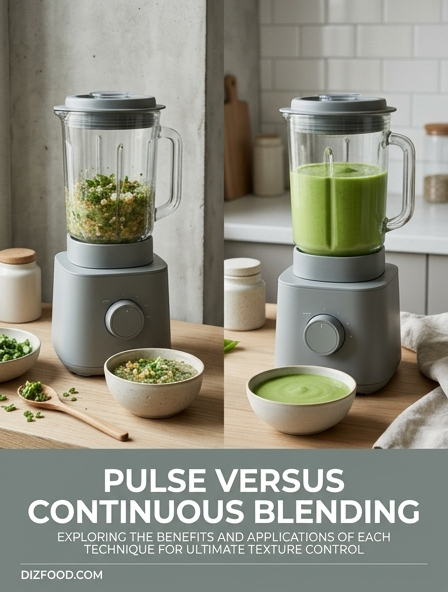
Pulse vs Continuous Blending Basics
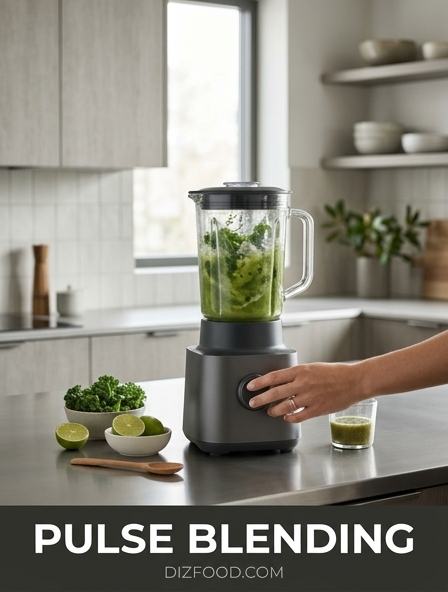
In the modern kitchen, the distinction between pulse and continuous blending is fundamental to achieving professional culinary results. Pulse blending refers to the operation of the blender in short, controlled bursts. The user manually engages the motor for a second or two and then releases it, allowing the ingredients to settle back onto the blades. This method provides high torque at the start of each burst, which is essential for breaking down hard items without liquifying the entire mixture. It is the preferred method when the goal is a chunky consistency or when dealing with frozen components that might otherwise form an air pocket around the blades.
Continuous blending, conversely, involves running the motor at a steady speed for a sustained period, ranging from thirty seconds to several minutes. This mode relies on the creation of a consistent vortex, a physical phenomenon where ingredients are pulled down through the center and pushed up the sides of the jar. Continuous blending is designed for homogenization, emulsification, and the breakdown of cellular structures in fibrous vegetables. While pulsing is about mechanical impact, continuous blending is about fluid dynamics and friction. Understanding these two modes allows a cook to manipulate texture with the same precision as a knife, ensuring that every dish from a rustic salsa to a silky velouté reaches its intended state.
Precision Texture Control Techniques
Mastering texture in the kitchen requires more than just high horsepower; it requires a tactical approach to how power is applied to the food. Precision control is often achieved by alternating between pulsing and low-speed continuous runs. When working with delicate ingredients like herbs or soft fruits, a continuous high-speed run would immediately result in an unappealing gray paste. Instead, using the pulse function allows the chef to inspect the progress between each burst, ensuring the "cut" remains clean and the colors vibrant.
To achieve specific textures, consider the following techniques:
- The Interval Pulse: Pressing the pulse button for exactly one second, followed by a three-second pause, allows heavy ingredients to fall back into the blade path, ensuring an even chop.
- The Ramp-Up Method: Starting with several pulses to break down large chunks, then switching to a low continuous speed to finish the emulsion.
- Dry Chopping: Using pulses on dry ingredients like nuts or hard cheeses to prevent the oils from releasing and turning the mixture into a butter.
By treating the blender as a precision tool rather than a "set it and forget it" appliance, users can create complex mouthfeels. For example, in a pesto, pulsing ensures the pine nuts and basil maintain a slight grit that catches the light and provides a better sensory experience than a completely smooth sauce.
Benefits of Pulse Action Blending
Pulse action blending serves as the primary safeguard against over-processing, which is the most common mistake made by home cooks. The immediate benefit of pulsing is the prevention of the "liquification trap," where a desired coarse texture becomes a watery mess in a matter of seconds. Because the motor stops the moment the button is released, the user has absolute authority over the blade's rotation count. This is particularly useful when incorporating "add-ins" like chocolate chips or nuts into a batter where you want the pieces to remain intact but evenly distributed.
Beyond texture, pulse blending is a mechanical advantage for the blender itself. When dealing with thick mixtures like hummus or frozen fruit, a continuous run often creates an air bubble around the blade, known as cavitation. Pulsing breaks this bubble by allowing the ingredients to settle every time the blade stops, ensuring that the motor doesn't spin fruitlessly and overheat. It also allows for better aeration in certain recipes, like whipped cream or frothy egg whites, where short bursts of high-speed air incorporation are more effective than the sustained shear of continuous blending. Finally, pulsing is safer for the blades when dealing with exceptionally hard items like ice or frozen ginger, as it reduces the sustained heat and friction that can dull the leading edges over time.
Maximizing Continuous Blending Efficiency
Continuous blending is the workhorse of the professional kitchen, capable of turning rugged ingredients into ethereal liquids. To maximize efficiency in this mode, the order of ingredients is paramount. Always place liquids and soft items at the bottom of the jar, followed by solids, and finally ice or frozen items on top. This sequence ensures that the blades immediately find a liquid base to create a vortex, which then pulls the heavier, harder items down into the "kill zone." Without this liquid base, a continuous run can lead to motor stall and uneven heating.
Efficiency in continuous mode also involves the use of a tamper. For thick mixtures like nut butters or frozen sorbets, the tamper allows the user to manually push ingredients back into the blades without stopping the motor, maintaining the momentum of the blend. Furthermore, utilizing the variable speed dial is more efficient than jumping straight to the highest setting. Starting low allows the blades to grab the ingredients, and slowly increasing the speed ensures a stable vortex is maintained. This gradual increase reduces the amount of air trapped in the mixture, resulting in a denser, creamier texture that is highly sought after in sauces and frozen desserts. Efficient continuous blending also exploits friction; high-speed blenders can actually cook a soup from cold ingredients if run continuously for five to eight minutes.
Comparing Motor Stress and Durability
The mechanical load placed on a blender motor differs significantly between pulse and continuous operations. While both are necessary, they affect the longevity of the appliance in different ways. Pulsing requires the motor to overcome inertia repeatedly, drawing a high amount of current (amperage) during the startup phase of each pulse. This can lead to wear on the brushes and internal switches if the blender is not designed for heavy-duty cycling. However, because the motor rests between pulses, the overall heat buildup is usually lower than during a long, continuous run.
| Factor | Pulse Blending | Continuous Blending |
|---|---|---|
| Heat Accumulation | Low to Moderate | High (Friction based) |
| Torque Requirement | Very High (Startup) | Consistent / Sustained |
| Cooling Opportunity | High (During pauses) | Low (Dependent on fan) |
| Component Wear | Switches and Brushes | Bearings and Seals |
Continuous blending generates significant heat through both electrical resistance in the motor and friction between the blades and the food. High-end blenders feature cooling fans that are synchronized with the motor speed; ironically, running the blender at a higher speed often cools the motor better than running it at a medium speed because the fan spins faster. To ensure durability, users should avoid "lugging" the motor-running it at a low speed while it is clearly struggling with a heavy load-as this creates the most heat with the least amount of airflow, potentially leading to thermal shutdown or permanent damage.
Ideal Foods for Pulse Blending
Certain food groups are naturally suited to the rhythmic nature of pulse blending. The primary category is "chunky" preparations where ingredient identity is key. For example, a classic Pico de Gallo or a chunky salsa requires the onions, peppers, and tomatoes to be diced, not pureed. Pulsing allows these disparate textures to be processed together without the tomatoes turning into juice while the peppers remain whole. Similarly, pulse blending is the gold standard for making mirepoix (onion, carrot, and celery) for stews, as it mimics the results of a chef's knife in a fraction of the time.
Other ideal candidates for pulsing include:
- Nuts and Seeds: For making "chopped" nuts for salads or toppings without creating nut flour.
- Ice: To create "snow" for cocktails or desserts; pulsing prevents the bottom layer from melting while the top remains solid.
- Breadcrumbs: Transforming toasted bread into uniform crumbs without them becoming a fine powder.
- Meat: For grinding small batches of beef or pork for tartare or burgers, providing better control over the fat-to-lean distribution.
Pulsing is also the best choice for folding in dry ingredients into a wet batter, such as adding flour to a cake base or herbs into a dip. It provides just enough movement to incorporate the ingredients without overworking the gluten or bruising the delicate greens.
Mastering Smooth Purees with Continuous
Achieving a restaurant-quality puree-one that is so smooth it can be passed through a fine-mesh sieve with zero waste-is only possible through the mastery of continuous blending. This process relies on high-speed shear, which physically shears the cell walls of plants, releasing all their moisture and flavor. For a perfect vegetable puree, such as parsnip or cauliflower, the ingredients should be fully cooked until tender before entering the blender. Once in the jar, the blender should be started on its lowest setting and gradually ramped up to its maximum speed.
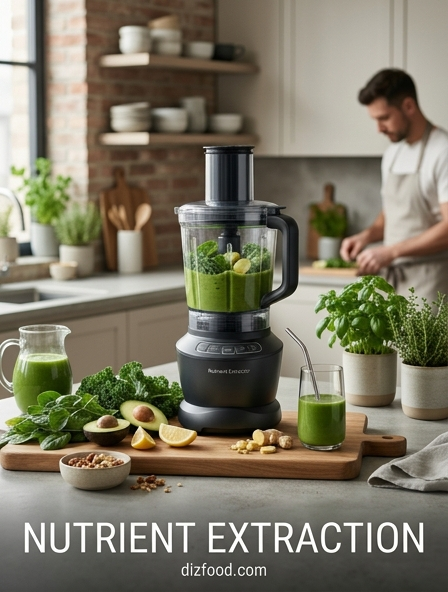
During a long continuous run, the mechanical energy of the blades is converted into thermal energy. This is a secret weapon for emulsions like Hollandaise or mayonnaise, where a specific temperature must be maintained to keep the fat and water bound together. For green smoothies containing kale or spinach, a continuous blend of at least sixty seconds is usually required to ensure the fibrous strings are completely pulverized, resulting in a "creamy" mouthfeel rather than a "chewy" one. To finish a puree, many chefs will reduce the speed to the lowest setting for the final ten seconds; this helps to pop any large air bubbles that were incorporated during the high-speed phase, resulting in a glossy, dense finish that looks beautiful on the plate.
Blender Speed and Blade Consistency
The relationship between speed and blade consistency is the technical core of blending. In continuous mode, the speed of the blade determines the "fineness" of the particles. Most high-performance blenders operate between 10,000 and 30,000 revolutions per minute (RPM). At these speeds, the blade does not act like a knife; it acts like a hammer, smashing particles apart upon impact. Consistency is achieved when every particle in the jar has passed through the blade path a similar number of times, which is why a strong vortex is so critical. If the speed is too low, the vortex fails, and the consistency becomes uneven.
In pulse mode, blade consistency is handled differently. Because the speed is usually fixed at a high RPM, consistency is managed by the duration of the "off" period. If you pulse too rapidly without letting the food settle, you create a "false vortex" where the top layers never reach the blades. True consistency in pulsing comes from the "gravity reset"-the moment when the motor stops and the food falls back down. This ensures that the blades hit new, un-chopped pieces with every burst. For the most consistent results across both modes, users should avoid overfilling the blender jar. Filling the jar only halfway allows for maximum ingredient movement, ensuring that whether pulsing or running continuously, every piece of food is treated equally by the blades.
Manual Control vs Automated Cycles
The evolution of kitchen technology has introduced automated cycles-pre-programmed sequences of pulses and continuous runs designed for specific tasks like "Smoothie," "Ice Crush," or "Soup." These cycles are based on laboratory testing to find the optimal timing for various ingredients. For a beginner, automated cycles offer a "hands-free" convenience and a safety net against common errors. They often include varying speeds and pauses to allow for settling, essentially combining pulse and continuous modes into a single button press. This can be highly effective for standard tasks like crushing ice for a margarita.
- Manual Control: Offers the chef total creative freedom. It is essential for custom textures or when working with non-standard ingredient ratios.
- Automated Cycles: Provides repeatability. Every smoothie made on the "Smoothie" setting will have the same texture, which is vital for commercial consistency.
- Hybrid Approach: Using an automated cycle to do the heavy lifting, then finishing with manual pulses to achieve a specific final "look."
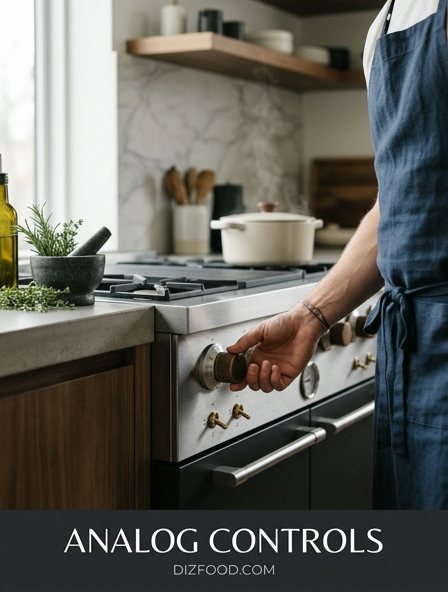
However, manual control remains the preference for professional chefs. Manual pulsing allows for "feeling" the resistance of the food through the machine's sound and vibration. As a mixture thins out, the pitch of the motor changes; a chef uses this auditory feedback to decide exactly when to stop. Automated cycles cannot "hear" the ingredients and may continue blending long after the perfect texture has been reached, potentially heating up a dish that was meant to stay cold.
Selecting the Best Blending Mode
Choosing between pulse and continuous blending ultimately depends on the desired end state of the ingredients and the viscosity of the mixture. As a general rule of thumb, if you want to be able to identify the individual ingredients after they have been processed, use pulse. If you want the ingredients to lose their individual identity and become a new, unified substance, use continuous. This decision-making process is the hallmark of an intuitive cook. For example, when making a bean dip, you might start with continuous blending to get a smooth base, but then switch to pulse at the end to stir in some whole beans or herbs for visual interest and texture.
Consider the following when selecting your mode:
- Liquid Content: Low-liquid recipes (hummus, pesto) require frequent pulsing or the use of a tamper. High-liquid recipes (soups, juices) are perfect for continuous blending.
- Temperature: If you are blending hot liquids, never start with a high-speed continuous run, as the steam can blow the lid off. Use short pulses to release steam first, then move to a slow continuous speed.
- Time Constraints: Pulsing is faster for prep work (chopping), while continuous blending takes longer but produces a more refined result.
By mastering the interplay between these two modes, you turn the blender from a simple appliance into a versatile culinary tool. The pulse provides the "bite," while the continuous provides the "flow," and together they cover every possible requirement in the modern kitchen.

Comments