
Understanding Motor Cycle Consistency
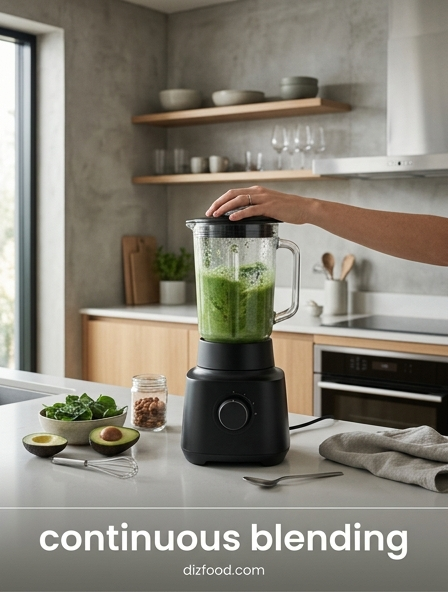
The internal mechanics of a high-performance blender rely heavily on the stability of the motor cycle. Unlike basic kitchen tools that may fluctuate in power during use, a consistent motor cycle ensures that every revolution of the blade provides the same amount of force. This rhythm is vital for breaking down tough fibers and dense ingredients without causing the motor to overheat or stall. When the cycle remains steady, the food particles are hit with a predictable frequency, leading to a more uniform breakdown.
- Regulated electrical intake for steady performance.
- Reduction in internal friction through balanced rotation.
- Minimization of heat spikes during extended blending periods.
- Enhanced longevity of the drive socket and blade assembly.
By maintaining a rhythmic cadence, the blender can operate for longer durations. This is particularly important for recipes that require minutes of continuous motion, such as nut butters or hot soups. Without this internal consistency, the motor would experience varied stress levels, ultimately leading to mechanical failure and an uneven final product that lacks the desired professional quality.
Unlocking Silky Textures at Home
Achieving a restaurant-quality silkiness in home-cooked meals often comes down to the efficiency of continuous blending. The process involves creating a perfect vortex that pulls every ingredient through the blades multiple times. This repetitive action is what transforms fibrous greens into a liquid state and turns grainy sugar into a smooth component of a sauce. To unlock these textures, one must understand how sustained movement interacts with the molecular structure of the ingredients being processed.
Home chefs often struggle with grit in their purees, which is usually a result of interrupted blending or insufficient power. Continuous motion allows for the gradual breakdown of cellular walls in vegetables and fruits. As the mixture circulates, the blades shear the particles into increasingly smaller sizes. This microscopic refinement is the secret behind the luxurious mouthfeel found in gourmet emulsions. By allowing the blender to run for the full duration of its cycle, you ensure that no stray fragments remain, resulting in a homogenous and velvety composition every time you cook.
The Role of Steady Motor Power
Steady motor power is the backbone of any reliable kitchen appliance designed for continuous use. It refers to the ability of the motor to maintain its output even when faced with significant resistance from thick mixtures. When you add frozen fruits or hard root vegetables to a jar, the motor must work harder to maintain its speed. A motor with high-quality copper windings and advanced cooling systems can sustain this output without dipping in performance.
| Component | Function in Power Delivery |
|---|---|
| Copper Windings | Ensures efficient conductivity and heat resistance. |
| Cooling Fan | Prevents thermal throttling during heavy loads. |
| Carbon Brushes | Transfers electrical current to the rotating armature. |
Without steady power, the blender would slow down as the mixture thickens, leading to an incomplete blend. This consistency is what allows for the creation of complex textures, such as thick hummus or frozen desserts, where the motor must fight against high viscosity to produce a smooth result.
Optimizing RPM for Smooth Finishes
Rotations Per Minute, or RPM, is a critical metric in the world of continuous blending. However, higher RPM is not always better; it is the optimization of speed that matters. For a smooth finish, the blades must move fast enough to create a vacuum effect but slow enough to avoid excessive aeration if a dense texture is desired. At the peak of optimization, the tips of the blades reach speeds that can pulverize seeds and skins on a cellular level, leaving no trace of the original structure.
- Start at a low RPM to break down large chunks.
- Gradually increase speed to establish a consistent vortex.
- Maintain peak RPM for at least sixty seconds to refine the texture.
- Reduce speed slowly to remove large air bubbles before stopping.
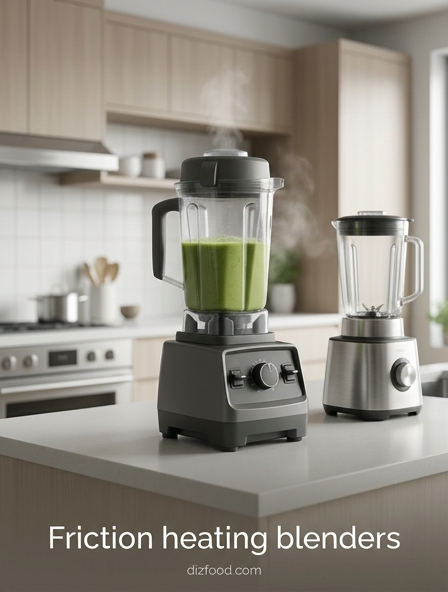
When the RPM is properly managed, the blender can achieve a level of refinement that transforms simple ingredients into sophisticated culinary creations. This precision ensures that the heat generated by the friction of the blades is used to your advantage, such as in the cooking of raw vegetables into a steaming soup solely through kinetic energy.
Consistent Torque for Professional Purees
While speed is often highlighted in marketing, torque is the true workhorse of the professional kitchen. Torque represents the rotational force that allows a blender to keep spinning even when buried under a heavy load of ingredients. In the context of professional purees, consistent torque ensures that the blade does not stutter when encountering resistance. This is essential for creating thick, spoonable sauces that require a high degree of emulsification without the addition of excess liquid.
For a chef, the reliability of torque means they can trust the machine to handle dense pastes like sun-dried tomato tapenade or thick açai bowls. If the torque fluctuates, the blades will move at uneven intervals, causing the mixture to splash or become aerated in an unappealing way. Professional-grade motors are engineered to deliver high torque at both low and high speeds, providing the versatility needed to handle a wide range of culinary tasks. This steady application of force is what separates consumer-grade toys from the robust tools used in commercial environments where performance is non-negotiable.
The Science of Smooth Blending Cycles
The science behind a smooth blend involves a complex interaction between fluid dynamics and mechanical engineering. When a blender is in operation, it creates a centrifugal force that flings ingredients toward the walls of the container. A well-designed system uses the shape of the jar to redirect those ingredients back down toward the blades. This continuous cycle is what determines the final quality of the blend. If there are "dead zones" in the jar where food can hide, the result will be lumpy regardless of how powerful the motor is.
- Cavitation: The formation of vapor bubbles to enhance breakdown.
- Shear Force: The tearing of particles as they pass the blade edges.
- Vortex Stability: The steady pull of gravity on the mixture.
Understanding these principles allows manufacturers to create cycles that maximize the contact time between the food and the blades. By optimizing the angle of the blades and the contours of the pitcher, the machine ensures that every gram of the mixture is subjected to the same amount of kinetic energy, leading to a scientifically perfect texture.
Maintaining Velocity for Culinary Excellence
In the high-stakes environment of a professional kitchen, maintaining velocity is synonymous with maintaining quality. When a recipe calls for a specific blending time, the assumption is that the velocity of the blades remains constant throughout that window. Any drop in speed can result in a different level of aeration or a change in the temperature of the dish. Culinary excellence is achieved through the repeatability of results, and that repeatability is grounded in the stability of the blender's velocity.
Whether you are whisking a delicate vinaigrette or milling whole grains into flour, the speed at which the blades move dictates the final particle size. Advanced blenders use microprocessors to monitor blade speed and adjust the power delivery in real-time. This ensures that even as the mixture changes state-from solid chunks to a thick liquid-the velocity remains within the optimal range. This technical precision allows chefs to push the boundaries of texture, creating foams and gels that require exact speeds to hold their structural integrity during the plating process.
Engineering Perfect Liquid Textures
Engineering a blender capable of producing perfect liquid textures requires a balance of speed, blade geometry, and container design. The goal is to minimize the size of suspended solids until they are no longer detectable by the human palate. This usually requires particles to be smaller than 40 microns. To achieve this, engineers design blades with specific "attack angles" that slice through fibers rather than simply smashing them. This slicing action is more efficient and generates less heat, preserving the bright flavors of the ingredients.
| Feature | Impact on Liquid Texture |
|---|---|
| Variable Speed Dial | Allows for precise control over the blending process. |
| Hardened Stainless Steel | Maintains a sharp edge for cleaner cuts through fiber. |
| Tapered Pitcher | Forces ingredients into the blades for continuous processing. |
The synergy between these engineered components ensures that liquids are processed evenly. This is vital for tasks such as making nut milks, where a smooth, cream-like consistency is the hallmark of a high-quality product. Without proper engineering, the liquid would remain gritty or separated.
High Speed Stability in Blending
High-speed stability refers to the machine's ability to remain calm and focused even when the blades are spinning at over 20,000 RPM. At these speeds, even a slight imbalance in the blade assembly can cause violent vibrations that move the blender across the counter or damage the motor bearings. Achieving stability requires precision manufacturing and a heavy-duty base that acts as an anchor. This weight dampens the kinetic energy and keeps the machine centered, allowing for a safer and more pleasant user experience.
A stable blender also operates more quietly and efficiently. When the internal components are perfectly aligned, there is less wasted energy in the form of sound and heat. This stability is crucial for long-term durability. A machine that vibrates excessively will eventually shake its own components loose, leading to leaks or electrical shorts. By focusing on high-speed stability, manufacturers ensure that the appliance can handle the most demanding tasks-like crushing ice or grinding spices-without compromising its structural integrity or the safety of the kitchen environment.
Achieving Flawless Kitchen Results
The ultimate goal of mastering continuous blending is the achievement of flawless results in every culinary endeavor. Whether you are a professional chef or a dedicated home cook, the tools you use should empower your creativity rather than limit it. A blender that provides consistent cycles, high torque, and stable speeds allows you to experiment with complex recipes that require precision. From the smoothest hollandaise sauce to the finest vegetable purees, the quality of the blend is the foundation of the dish's success.
To reach this level of perfection, it is essential to respect the machine's capabilities and follow the proper techniques for loading and timing. Flawless results are the intersection of high-quality engineering and culinary skill. When the blender operates with a steady, reliable rhythm, it becomes an extension of the chef's hands. This harmony between man and machine is what results in dishes that are not only delicious but also visually stunning and texturally perfect. In the modern kitchen, the ability to blend continuously and consistently is an indispensable asset for those who strive for excellence.


Comments