
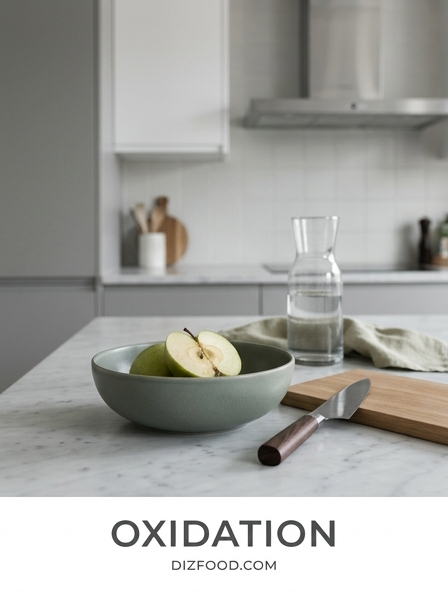
The Science of Oxidation in Blended Fruits
Oxidation is a fundamental chemical reaction that occurs when the internal components of fruit are exposed to oxygen. In a whole fruit, the cellular structure acts as a protective barrier, keeping volatile compounds sequestered. However, the process of blending ruptures these cell walls instantly. When the oxygen in the air interacts with the released enzymes and phenolic compounds, a chain reaction begins. This process involves the loss of electrons at a molecular level, fundamentally altering the chemical profile of the fruit.
- Cellular Disruption: Mechanical blades break down the protective vacuole membranes.
- Oxygen Integration: The swirling motion of the blender incorporates atmospheric air into the liquid.
- Molecular Transformation: Phenolic compounds convert into quinones, which then polymerize to create dark pigments.
This scientific phenomenon is not merely an aesthetic issue; it signifies a shift in the biological makeup of the food. As oxidation progresses, the vibrant colors of fresh produce fade into dull browns or grays, indicating that the original chemical bonds have been broken. Understanding this science is the first step in preserving the integrity of blended kitchen creations.
Why High Speed Blending Leads to Discoloration
High-speed blenders are prized for their ability to create perfectly smooth textures, yet this efficiency comes at a cost to color stability. The primary culprit is aeration. As blades spin at speeds exceeding 20,000 RPM, they create a powerful vortex that pulls massive amounts of air into the mixture. This results in the creation of millions of microscopic air bubbles, significantly increasing the total surface area of the fruit exposed to oxygen.
The intensity of the mechanical energy also plays a role. In a standard low-speed stir, oxygen exposure is limited to the surface. In a high-speed environment, the oxygen is forced into a deep emulsion with the fruit solids. This "flash oxidation" happens so rapidly that the smoothie can change hue before it is even poured into a glass. Ingredients like apples and bananas are particularly sensitive to this rapid aeration, turning from bright whites and yellows to muddy browns within seconds. The result is a drink that looks less appetizing and signals a rapid decline in freshness due to the sheer volume of air incorporated during the processing phase.
The Role of Polyphenol Oxidase in Smoothies
The primary driver of browning in blended fruits is an enzyme known as polyphenol oxidase, or PPO. This enzyme is naturally present in many plant tissues and serves as a defense mechanism. Under normal conditions, PPO and its substrates-phenolic compounds-are kept in separate compartments within the plant cells. When you blend fruit, you destroy these compartments, allowing the enzyme to mix freely with the phenols in the presence of oxygen.
| Fruit Type | PPO Content | Browning Speed |
|---|---|---|
| Apples | Very High | Rapid |
| Bananas | High | Fast |
| Berries | Moderate | Slower |
| Citrus | Low | Negligible |
Once the PPO catalyzes the reaction, the phenols are oxidized into o-quinones. These quinones are highly reactive and spontaneously undergo polymerization to form melanin, the same pigment responsible for dark colors in many biological systems. While PPO is essential for the plant, it is the enemy of the vibrant smoothie, making enzyme management a critical aspect of kitchen science.
How Oxygen Exposure Depletes Essential Nutrients
The visual browning of a smoothie is often a reliable indicator of nutritional degradation. Many essential vitamins are highly sensitive to oxygen and begin to break down the moment they are exposed to the air. Vitamin C (ascorbic acid) is particularly vulnerable; it acts as an antioxidant by sacrificing itself to neutralize oxygen molecules. Once it is oxidized into dehydroascorbic acid, its potency begins to wane, and further degradation renders it nutritionally inactive.
- Vitamin C Degradation: Blending can reduce Vitamin C levels by up to 30% within twenty minutes.
- Carotenoid Loss: Pro-vitamin A compounds are susceptible to oxidative cleavage.
- Folate Instability: This B-vitamin is sensitive to both light and oxygen exposure during processing.
- Antioxidant Sacrifice: The very compounds we blend fruit for are consumed in the battle against air.
As the oxygen molecules interact with these nutrients, they strip away electrons, changing the molecular shape and biological function of the vitamins. Consequently, a smoothie that has sat out for an hour is fundamentally less nutritious than one consumed immediately after blending.
The Impact of Heat and Friction on Vitamin Stability
Beyond simple oxygen exposure, the physical mechanics of blending introduce heat and friction, which act as catalysts for oxidation. As the blender blades travel at high velocities, the kinetic energy is partially converted into thermal energy. This can raise the temperature of the smoothie by several degrees in a matter of seconds. Heat accelerates chemical reactions, meaning the rate of oxidation increases exponentially as the mixture warms up.
Many water-soluble vitamins are heat-labile, meaning they begin to denature or decompose when temperatures rise. Even a modest increase in temperature can weaken the chemical bonds of delicate phytonutrients. Furthermore, friction can cause mechanical stress on long-chain molecules, breaking them down into smaller, less beneficial components. When heat and oxygen work in tandem, the result is a "double-hit" on the nutritional profile of the fruit. This is why high-end blenders often emphasize cooling features or shorter blend times; keeping the temperature low is vital for maintaining the structural integrity of the enzymes and vitamins that make fresh fruit a health staple.
Using Citrus and Antioxidants to Stop Browning
One of the most effective ways to combat oxidation in the kitchen is the strategic use of acidic ingredients and supplemental antioxidants. Citrus fruits, such as lemons, limes, and oranges, are rich in ascorbic acid (Vitamin C). This acid serves two purposes: it lowers the pH of the mixture and acts as a sacrificial antioxidant. Because polyphenol oxidase (PPO) functions best at a neutral pH, the high acidity of citrus juice can slow down or even deactivate the enzyme entirely.
- Lemon Juice: Provides a sharp pH drop to inhibit enzymatic activity.
- Pineapple: Contains bromelain and acid that disrupt browning pathways.
- Ascorbic Acid Powder: A concentrated way to prevent oxidation without altering flavor significantly.
- Honey: Contains minor antioxidant properties that can create a protective layer.
By adding these ingredients early in the blending process, you provide the oxygen with something else to react with besides the delicate nutrients in your primary fruits. The ascorbic acid is oxidized first, sparing the polyphenols in your apples or avocados and keeping the color bright and the nutrient density high.
Benefits of Vacuum Blending for Nutrient Retention
Vacuum blending is a technological solution to the problem of oxidation. By removing the air from the blender jar before the blades begin to spin, the primary catalyst for degradation is eliminated. In a traditional blender, the vortex forces oxygen into the liquid, but in a vacuum environment, the fruit is processed in a near-void, preventing aeration and foam formation.
| Feature | Standard Blending | Vacuum Blending |
|---|---|---|
| Color | Fades quickly | Stays vibrant |
| Texture | Foamy and separated | Smooth and uniform |
| Vitamin C | High loss | Maximum retention |
| Shelf Life | Short (minutes) | Longer (hours) |
The result is a smoothie with noticeably deeper colors and a silkier mouthfeel. Because there are no air bubbles to expand, the flavors remain concentrated and the texture does not separate as quickly. This technology is particularly beneficial for those who prepare their drinks in advance, as the lack of initial oxidation significantly extends the "freshness window" of the final product.
Strategic Use of Frozen Ingredients to Combat Air Damage
Temperature control is a powerful tool in slowing down chemical reactions. Utilizing frozen fruit instead of fresh produce can significantly mitigate the effects of oxidation during the blending process. Chemical reactions, including the enzymatic browning caused by PPO, occur much more slowly at lower temperatures. By keeping the mixture near freezing, you effectively "hibernate" the enzymes, giving you more time before discoloration sets in.
Additionally, frozen ingredients help counteract the heat generated by the blender's motor. As the blades provide friction, the ice crystals absorb the thermal energy through the process of latent heat of fusion, staying cold even as they are pulverized. This prevents the "flash oxidation" associated with warm blending. Furthermore, frozen fruits are often blanched or processed immediately after harvest, which can sometimes preserve higher levels of nutrients than "fresh" fruit that has spent days in transit. When these frozen pieces are blended, they create a thick, chilled matrix that traps less air than a thin, room-temperature liquid, resulting in a denser, more stable beverage.
Best Storage Practices for Minimizing Oxidation
If you cannot consume your blended fruit immediately, proper storage is essential to prevent it from turning into a brown, nutrient-depleted liquid. The goal of storage is to minimize the "headspace" in the container, which is the volume of air sitting above the liquid. The more air present in the bottle, the more oxygen is available to react with the smoothie over time.
- Use Airtight Glass: Glass is non-porous and prevents oxygen migration better than some plastics.
- Fill to the Brim: Reduce headspace to almost zero to limit the available oxygen.
- Add an Acid Buffer: A squeeze of lemon on top of the liquid can act as a protective barrier.
- Refrigerate Immediately: Keep the temperature low to slow down any residual enzymatic activity.
- Use Opaque Containers: Light can also trigger photo-oxidation, so dark bottles are preferable.
By following these steps, you can preserve the flavor and color of a smoothie for several hours. However, even with perfect storage, some oxidation is inevitable, so these methods should be viewed as delay tactics rather than permanent solutions.
Timing Your Consumption for Peak Nutritional Value
In the world of kitchen science and nutrition, timing is everything. The nutritional peak of a blended fruit drink occurs within the first few minutes after the blender stops. This is the moment when the vitamins are most bioavailable and the antioxidant count is at its highest. As every minute passes, the relentless interaction between the ingredients and the environment chips away at the drink's health benefits.
While various methods like vacuum blending or adding citrus can extend the life of a smoothie, they cannot stop the laws of thermodynamics and chemistry indefinitely. The "Golden Window" for consumption is generally considered to be within 15 to 20 minutes of preparation. Beyond this point, even if the drink still looks acceptable, the molecular degradation is well underway. To get the most out of your ingredients, you should treat a smoothie like a live biological product. Prepare it last in your routine, drink it immediately, and enjoy the complex flavors that only exist before oxidation takes its toll. Freshness is not just a taste preference; it is a measurable state of chemical integrity.

Comments