
When it comes to your kitchen toolkit, the debate between bamboo and plastic tongs is about more than just aesthetics-it's about performance and planetary health. While plastic tongs are a common household staple, they often struggle under pressure, risking warping or leaching harmful chemicals like BPA when exposed to high temperatures. In contrast, bamboo tongs offer a superior, eco-friendly alternative that naturally handles the heat without melting or scratching your delicate non-stick cookware. These lightweight, antimicrobial tools provide a sturdy grip for everything from toasted bagels to sizzling stir-fry, ensuring that your cooking remains toxin-free while significantly reducing your environmental footprint. By choosing bamboo, you aren't just picking a durable utensil; you're opting for a sustainable lifestyle choice that outlasts and outperforms synthetic disposables.
| Feature | Bamboo Tongs | Plastic Tongs |
|---|---|---|
| Material Source | 100% Organic, Renewable Grass | Petroleum-based Synthetics |
| Heat Resistance | High (No melting/warping) | Low (Prone to melting/leaching) |
| Chemical Safety | Naturally BPA & Toxin-free | Potential Phthalate/BPA risks |
| Surface Protection | Safe for all non-stick coatings | Can scratch or stick when hot |
| End-of-Life | 100% Biodegradable & Compostable | Non-biodegradable; Landfill waste |
| Durability | High tensile strength; splinter-free | Prone to snapping or heat-fatigue |
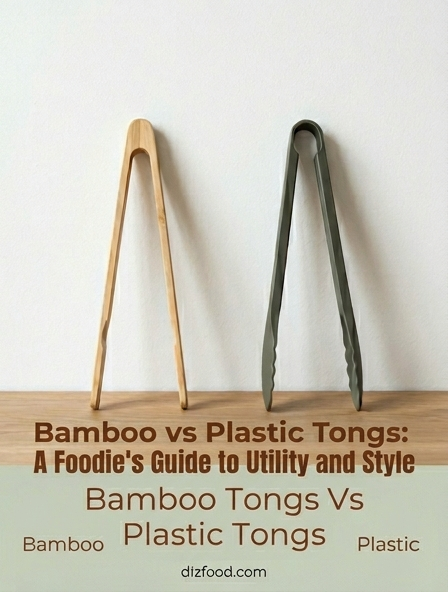
Eco-Friendly Kitchenware: Why Bamboo Tongs Outperform Plastic
The shift toward sustainable living has transformed the modern kitchen into a frontline for environmental advocacy. When comparing bamboo tongs to their plastic counterparts, the ecological advantage of bamboo is undeniable. Bamboo is a highly renewable resource, often cited as the fastest-growing plant on Earth. Unlike hardwood trees that take decades to mature, certain species of bamboo can be harvested in just three to five years. This rapid regeneration cycle ensures a steady supply without the devastating effects of deforestation or soil erosion.
Plastic tongs, conversely, are derived from petroleum-based resins. The production process is energy-intensive and contributes significantly to carbon emissions and industrial pollution. While many plastic kitchen tools are marketed as durable, they often represent a linear "cradle-to-grave" lifecycle. Once a plastic tool is discarded, it can take centuries to break down, eventually fragmenting into microplastics that infiltrate the food chain. Bamboo offers a circular alternative; as a natural fiber, it is fully biodegradable and compostable at the end of its functional life.
- Renewability: Bamboo reaches maturity in a fraction of the time required for timber.
- Carbon Sequestration: Bamboo forests absorb more CO2 and release more oxygen than equivalent stands of trees.
- Zero Waste: Bamboo products return to the earth as organic matter, whereas plastic persists indefinitely.
Choosing bamboo tongs is not merely a stylistic preference but a commitment to reducing one's plastic footprint. By opting for plant-based materials, consumers signal a demand for manufacturing processes that prioritize the health of the planet over the convenience of synthetic polymers.
Heat Resistance and Safety: Bamboo vs Plastic Tongs
Safety in the kitchen is often dictated by how materials respond to extreme temperatures. Bamboo is naturally heat-resistant, making it an ideal choice for high-heat environments like toaster ovens, grills, and stovetops. Because bamboo does not conduct heat effectively, the handles remain cool to the touch even when the tips are in contact with hot surfaces. More importantly, bamboo does not melt. If exposed to an open flame, it may char, but it will not undergo a chemical transformation that compromises the food it is touching.
Plastic tongs present a distinct set of risks regarding thermal stability. Most consumer-grade plastic tongs are made from nylon or silicone-coated plastic. While silicone has a high melting point, the underlying plastic structure can warp or melt if left resting on the edge of a hot pan. When plastic overheats, it can release volatile organic compounds (VOCs) and potentially leach chemicals like Bisphenol A (BPA) or phthalates into the meal. This chemical migration is a primary concern for health-conscious cooks who want to avoid synthetic additives in their diet.
| Feature | Bamboo Tongs | Plastic Tongs |
|---|---|---|
| Melting Point | None (Combustible) | Variable (Approx. 350°F-450°F) |
| Heat Conduction | Very Low | Low to Moderate |
| Chemical Leaching | None | Possible when heated |
Furthermore, bamboo's structural integrity remains consistent across a wide temperature range. It won't become brittle in the cold or soft in the heat, providing a reliable grip that plastic struggles to maintain during rigorous cooking tasks.
The Durability Factor: Bamboo Tongs vs Plastic Tongs
Durability in kitchenware is measured by a tool's ability to withstand repetitive mechanical stress, moisture, and temperature fluctuations. Bamboo is renowned for its impressive strength-to-weight ratio, which often exceeds that of certain steel alloys. This inherent toughness allows bamboo tongs to maintain their "spring" or tension over hundreds of uses. Unlike wood, which can be prone to splintering, the long fibers of bamboo provide flexibility and resilience, making them less likely to snap under pressure when flipping heavy items like steaks or dense vegetables.
Plastic tongs, while initially flexible, are prone to "material fatigue." Over time, the repeated bending motion required to operate the tongs can cause the plastic at the hinge or the fulcrum to stress-whiten and eventually crack. Furthermore, plastic is susceptible to degradation from ultraviolet light and harsh detergents. This degradation leads to brittleness, which is why older plastic tongs often snap unexpectedly during use. Once the structural integrity of a plastic tool is compromised, it cannot be repaired and must be replaced.
While bamboo is susceptible to cracking if it becomes excessively dry or if it is left soaking in water for extended periods, proper care can extend its lifespan significantly. Bamboo is also naturally resistant to water absorption compared to other woods, which prevents the swelling and warping that often plagues lower-quality wooden utensils. When comparing the two, bamboo offers a robust, long-term utility that synthetic materials struggle to match without the addition of chemical stabilizers and reinforcements.
Health and Hygiene: Comparing Bamboo and Plastic Kitchen Tongs
The hygienic profile of a kitchen tool is determined by its surface porosity and its interaction with bacteria. Bamboo possesses a natural bio-agent known as "bamboo kun," which gives the plant inherent antibacterial and antifungal properties. This natural defense mechanism persists even after the bamboo has been processed into kitchenware, helping to inhibit the growth of bacteria on the surface of the tongs. For items that frequently touch raw ingredients, this provides an added layer of safety that is naturally occurring rather than chemically applied.
Plastic tongs are non-porous when new, which theoretically makes them easy to sanitize. However, plastic is a relatively soft material that is easily scratched by knives or abrasive cleaning pads. These microscopic grooves and scratches become breeding grounds for bacteria, as they are difficult to reach even with thorough scrubbing or a dishwasher cycle. Over time, plastic can also develop a "sticky" film as the material begins to break down or absorb oils from food, further complicating the cleaning process and potentially harboring odors.
- Antibacterial Properties: Bamboo's natural fibers resist microbial growth.
- Surface Integrity: Plastic develops micro-scratches that trap food particles and bacteria.
- Odor Retention: Plastic is more likely to absorb and retain strong smells like garlic or fish.
By choosing bamboo, cooks benefit from a material that works with the environment to maintain a clean workspace. While neither material replaces the need for proper washing, the organic composition of bamboo offers a more bio-secure surface for daily food preparation and serving.
Environmental Impact: Bamboo Sustainability vs Plastic Waste
Evaluating the environmental impact of kitchenware requires looking at the entire supply chain, from raw material extraction to end-of-life disposal. Bamboo is a carbon-sequestering powerhouse. It grows without the need for pesticides or fertilizers and requires very little water compared to other crops. Because it is a grass, the root system remains intact after harvest, allowing the plant to regrow quickly and preventing soil erosion. This makes the cultivation of bamboo one of the most sustainable agricultural practices available for manufacturing consumer goods.
Plastic production is a major driver of the global petrochemical industry. The extraction of oil and gas, the refining process, and the manufacturing of plastic polymers release enormous amounts of greenhouse gases. Additionally, the global "plastic crisis" is fueled by items like kitchen utensils that are difficult to recycle due to mixed materials or food contamination. Most plastic tongs end up in landfills, where they persist for centuries, or in the ocean, where they pose a lethal threat to marine life.
The contrast is stark when considering the disposal phase. Bamboo tongs can be broken down and added to a backyard compost bin or a municipal green waste program. Within months, they return to the soil as nutrient-rich compost. Plastic tongs, even those labeled as recyclable, are rarely processed correctly and contribute to the millions of tons of plastic waste generated annually. Choosing bamboo is a direct vote against the expansion of the plastic economy and a step toward a more regenerative domestic lifestyle.
Practical Performance: Grip and Ease of Use Comparison
In the heat of cooking, the performance of a pair of tongs is measured by its "feel" and its ability to securely grip food. Bamboo tongs are typically designed as a single piece of bent bamboo or two pieces joined at the end. This design provides a natural, springy tension that is very easy to control. Because bamboo has a slightly textured grain, it offers a superior natural grip compared to the often-slick surface of molded plastic. This makes it easier to pick up delicate items, such as toast or small appetizers, without crushing them or having them slide out of the grasp.
Plastic tongs often rely on a metal spring and a locking mechanism. While these features can be convenient for storage, they introduce more moving parts that can fail. The grip on plastic tongs is often either too stiff or too loose, leading to hand fatigue during prolonged use. Furthermore, while both bamboo and plastic are safe for non-stick cookware, bamboo's rigidity allows for better scraping and flipping of heavier items. Plastic tongs, particularly thin ones, can feel "floppy" when trying to lift a heavy piece of meat, leading to accidental drops and splashes.
- Precision: Bamboo's lightweight nature allows for high precision with small food items.
- Ergonomics: The natural flexibility of bamboo provides a comfortable resistance for the hand.
- Surface Safety: Both materials are excellent for protecting Teflon and ceramic coatings from scratches.
Ultimately, the tactile feedback provided by bamboo is often preferred by professional and home cooks alike. The organic material feels more balanced in the hand, providing a more intuitive cooking experience than the synthetic, often clinical feel of plastic.
Aesthetic Appeal: Bamboo's Natural Look vs Plastic Versatility
The visual landscape of a kitchen significantly influences the cooking experience. Bamboo tongs bring a warm, organic aesthetic to the kitchen that aligns with modern interior design trends such as Japandi, Scandinavian, and Farmhouse styles. The natural grain patterns and soft tan hues of bamboo provide a sense of "zen" and craftsmanship. Unlike mass-produced plastic items, each pair of bamboo tongs is unique, reflecting the natural variations of the plant from which it was carved. This makes bamboo tongs not just tools, but also attractive serving pieces for dinner parties and gatherings.
Plastic tongs offer a different type of appeal: versatility in color and shape. Because plastic can be molded and dyed easily, it is available in an endless array of neon colors, pastels, and sleek black designs. This allows users to color-code their kitchen tools to prevent cross-contamination or to match a specific "pop-art" kitchen theme. However, this aesthetic is often temporary. Plastic is prone to staining-especially from tomato-based sauces or turmeric-and can quickly look dingy or "cheap" as it develops scratches and heat marks.
Bamboo maintains its elegant appearance for much longer. While it may darken slightly over time with use, this patina is often viewed as a sign of a well-loved kitchen tool rather than damage. For those who value a timeless, high-quality look that transitions seamlessly from the stove to the serving platter, bamboo is the clear winner. Plastic, while functional and colorful, often lacks the sophisticated "table-ready" quality that natural materials provide.
Maintenance and Care: Keeping Your Tongs in Top Shape
To ensure that kitchen tools last for years, understanding their maintenance requirements is essential. Bamboo is a natural material and, like a wooden cutting board, it requires a small amount of "active" care. Bamboo tongs should ideally be hand-washed with mild soap and warm water. They should never be left to soak in a sink, as excessive moisture can cause the fibers to swell and eventually crack. To keep the bamboo from drying out and becoming brittle, it is recommended to occasionally rub them with a food-grade mineral oil or beeswax cream.
Plastic tongs are often marketed as "dishwasher safe," which is their primary maintenance advantage. They can be tossed into the utensil rack without a second thought. However, the high heat and harsh chemicals found in dishwasher detergents can accelerate the breakdown of the plastic. Over time, this results in a chalky surface or a loss of flexibility. Furthermore, water can often get trapped inside the locking mechanisms or hollow handles of plastic tongs, leading to mold growth or "stagnant water" issues if they are not dried thoroughly.
- Bamboo Care: Hand-wash only, dry immediately, and oil occasionally.
- Plastic Care: Dishwasher safe, but prone to thermal degradation and staining.
- Storage: Bamboo tongs are often slim and easy to tuck into a drawer; plastic tongs often require a locking mechanism to stay compact.
While plastic offers more "set it and forget it" convenience, the minimal effort required to maintain bamboo is rewarded with a tool that does not degrade, stain, or leach chemicals over time. For many, the ritual of caring for natural tools is a small price to pay for their longevity and safety.
Price and Value: Is Bamboo More Cost-Effective Than Plastic?
When analyzing the cost of kitchenware, it is important to distinguish between the "sticker price" and the long-term value. Bamboo tongs are remarkably affordable. Because bamboo grows so quickly and is easy to process, manufacturers can produce high-quality tongs at a very low price point. In many cases, a set of three or four bamboo tongs costs the same as a single pair of high-end plastic or silicone-tipped tongs. This makes bamboo an accessible entry point for those looking to transition to an eco-friendly kitchen without a significant financial investment.
Plastic tongs vary widely in price. Cheap, single-mold plastic tongs are the least expensive option on the market, but they are also the most likely to break or melt, necessitating frequent replacements. High-end plastic tongs with ergonomic grips and stainless steel springs can be quite expensive. While these "premium" plastic tools may last longer than the cheap versions, they still carry the environmental and health costs associated with synthetic materials. If a plastic tool breaks, it is a total loss; if a bamboo tool eventually wears out, it has cost pennies per use and leaves no waste behind.
The value proposition of bamboo is further enhanced by its versatility. A single pair of bamboo tongs can be used for the toaster, for tossing salad, for serving appetizers, and for cooking on non-stick pans. When you factor in the durability, the health benefits, and the environmental impact, bamboo offers a much higher "return on investment" than plastic. It is a rare example of a product that is both the more ethical choice and the more economical one over the long term.
The Ultimate Verdict: Choosing Between Bamboo and Plastic Tongs
After evaluating bamboo and plastic tongs across multiple categories-sustainability, safety, durability, and performance-the conclusion is overwhelmingly in favor of bamboo. Bamboo represents a harmonious balance between traditional materials and modern kitchen needs. It solves the primary issues associated with plastic: it won't melt, it doesn't leach harmful chemicals, and it won't linger in a landfill for five hundred years. Its natural antibacterial properties and heat resistance make it a superior performer in a high-traffic kitchen environment.
While plastic tongs offer the convenience of being dishwasher-safe and provide a wider variety of aesthetic colors, these benefits are overshadowed by their long-term drawbacks. The risk of chemical migration and the certainty of environmental degradation make plastic a less desirable choice for the conscious consumer. Furthermore, the tactile experience of using bamboo-its lightness, its grip, and its natural spring-provides a level of culinary precision that molded plastic struggles to replicate.
For the home cook looking to upgrade their kitchen arsenal, the choice is clear:
- Select Bamboo for daily tasks like removing toast, serving salad, and cooking on sensitive surfaces.
- Select Bamboo to ensure a toxin-free environment for family meals.
- Select Bamboo to support sustainable agriculture and reduce global plastic waste.
Bamboo tongs are more than just a kitchen utensil; they are a small, practical tool that embodies a larger commitment to health, quality, and environmental stewardship. In the debate between bamboo and plastic, the natural choice is the best choice.


Comments