
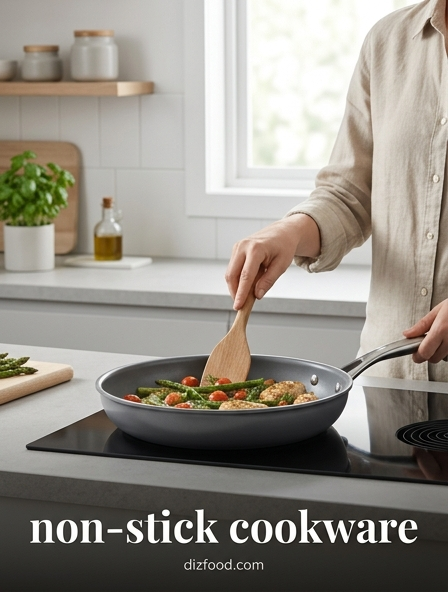
Understanding Non-Stick Surface Sensitivity
Non-stick coatings, primarily composed of polytetrafluoroethylene (PTFE) or ceramic "sol-gel" layers, are engineered to provide a high-release environment for cooking. However, this convenience comes with inherent structural sensitivity. The molecular bond of the coating to the underlying metal-usually aluminum or stainless steel-is remarkably thin, often measured in microns. When exposed to abrasive forces or extreme temperature fluctuations, this bond can weaken or fracture. Understanding this sensitivity is the first step in ensuring the longevity of your kitchen investments.
Several factors contribute to the degradation of these delicate surfaces:
- Abrasive Friction: Constant contact with hard materials can wear down the smooth profile of the coating.
- Thermal Shock: Rapidly moving a hot pan into cold water can cause the metal and coating to contract at different rates, leading to peeling.
- High Heat Stress: Exceeding the recommended temperature limits can cause the coating to break down or release fumes.
- Chemical Erosion: Harsh detergents and acidic foods can slowly etch the surface over time.
By recognizing these vulnerabilities, cooks can adjust their techniques, such as using lower heat settings and opting for softer tools, to maintain the slick finish that makes non-stick cookware so efficient for low-fat cooking.
The Benefits of Wood for Cookware Longevity
Wooden utensils have been a staple in kitchens for centuries, but their role in modern cooking with non-stick pans is more vital than ever. The primary benefit of wood is its natural softness and flexibility relative to the hard, often brittle coatings found on high-end cookware. Wood provides a buffer that prevents the physical gouging of the pan's surface, ensuring that the integrity of the non-stick layer remains intact for years rather than months.
| Property | Impact on Non-Stick Pans |
|---|---|
| Thermal Conductivity | Low conductivity prevents the handle from getting hot and protects the pan. |
| Surface Hardness | Softer than PTFE and ceramic, resulting in zero scratch potential. |
| Reactivity | Chemically inert, meaning it won't react with acidic ingredients or coatings. |
| Durability | High structural integrity ensures tools don't chip into the food. |
Beyond protection, wooden tools offer a comfortable grip and do not conduct heat, protecting the cook as much as the pan. Whether it is a sturdy spatula or a classic spoon, wood interacts with the cooking surface in a way that preserves the smooth finish required for easy food release and effortless cleanup.
Preventing Scratches with Bamboo Utensils
Bamboo has emerged as a premier material for kitchen utensils, offering a unique blend of strength and gentleness. While bamboo is technically a grass, its processed form is incredibly durable, yet it lacks the sharp, abrasive qualities of metal. When used on non-stick surfaces, bamboo acts as a protective barrier. It is hard enough to scrape up browned bits of food without being hard enough to penetrate the polymer or ceramic layers of the pan.
To maximize the life of your non-stick cookware using bamboo, follow these steps:
- Select bamboo tools with rounded edges to minimize point-pressure on the coating.
- Ensure the bamboo is well-sanded and free of splinters before its first use.
- Hand wash bamboo tools to prevent them from becoming brittle or rough in the dishwasher.
- Apply a food-grade mineral oil occasionally to keep the fibers smooth and non-abrasive.
The fibrous structure of bamboo allows it to withstand high heat without melting, unlike plastic or nylon, which can sometimes leave residues on the pan. By integrating bamboo into your daily routine, you provide a sustainable and effective safeguard against the microscopic scratches that eventually lead to total pan failure.
Why Metal Tools Damage Toasting Surfaces
The physics of cookware damage often comes down to the Mohs scale of mineral hardness. Metal utensils, typically made of stainless steel or chrome-plated alloys, are significantly harder than the coatings applied to non-stick pans. When a metal spatula or whisk makes contact with a PTFE or ceramic surface, it does not just glide over it; it acts as a cutting tool. Even slight pressure can create microscopic furrows in the coating, which compromises the non-stick effect.
The damage caused by metal tools includes:
- Delamination: Creating a path for moisture and oils to get under the coating, causing it to flake off.
- Carbon Buildup: Scratches provide a textured "anchor" for food particles and oils to burn into, making the pan stick.
- Point Loading: The sharp edge of a metal spoon concentrates force on a tiny area, easily piercing the thin protective layer.
- Metal Transfer: In some cases, the utensil itself can leave microscopic metal traces inside the scratches.
Once a non-stick surface is scratched by metal, the damage is irreversible. These "toasting" surfaces rely on a perfectly level plane to function; once that plane is interrupted, the pan's ability to distribute heat evenly and release food effortlessly is permanently diminished.
Chemical Safety and Intact Coating Integrity
Modern non-stick coatings are generally considered safe for consumer use, provided they remain structurally sound. The concern regarding chemical safety often arises when coatings begin to chip, flake, or degrade due to improper care. When the integrity of the coating is maintained, the stable polymers or ceramic materials do not leach into food. However, once the surface is compromised, the exposed under-layers and the edges of the coating itself become vulnerabilities.
| Coating Status | Safety and Performance Profile |
|---|---|
| Intact Coating | Stable, non-reactive, and safe for cooking up to recommended temperatures. |
| Scratched Surface | Potential for minor flaking; increased risk of food sticking and burning. |
| Peeling/Chipping | Replacement recommended; physical particles may enter food. |
| Overheated | Risk of fumes; polymer chain begins to break down at 500°F (260°C). |
To ensure chemical safety, it is imperative to use tools that do not break the "seal" of the non-stick layer. By preventing physical damage, you ensure that the materials remain bonded to the pan and away from your ingredients. Maintaining coating integrity is not just about performance; it is a fundamental aspect of kitchen hygiene and health-conscious cooking.
Natural Heat Resistance in the Kitchen
One of the overlooked advantages of using natural materials like wood and bamboo on non-stick pans is their inherent thermal resistance. Unlike plastic utensils, which can soften or melt when left against a hot pan rim, or metal utensils that become too hot to touch, natural materials remain stable. This heat resistance ensures that no melted plastic resins are transferred to the non-stick coating, which is a common cause of permanent "sticky spots" that ruin pans.
Consider these natural heat management benefits:
- Natural fibers do not conduct heat, keeping handles cool and safe for the user.
- Wood and bamboo do not warp under standard cooking temperatures, maintaining their flat scraping edges.
- There is no risk of the utensil "fusing" to the non-stick surface if momentarily forgotten in the pan.
- They provide a consistent tactile feel regardless of the temperature of the oil or food.
By choosing materials that handle heat gracefully, you reduce the risk of accidental damage. Non-stick pans are often used for delicate tasks like omelets or crepes where temperature control is key; having tools that do not react poorly to heat ensures a seamless and safe cooking experience for the chef.
Maintaining Non-Stick Performance Over Time
Longevity in non-stick cookware is achieved through a combination of proper tool selection and disciplined maintenance routines. While the choice of spatula is critical, how the pan is treated after the cooking is finished plays an equally large role in its performance. Oils and food sugars can build up in microscopic layers, eventually creating a "varnish" that causes sticking, even if the coating appears visually perfect.
To maintain peak performance, adhere to the following maintenance steps:
- Hand Washing: Always wash by hand with a soft sponge to avoid the abrasive salts found in dishwasher detergents.
- Proper Storage: If stacking pans, place a felt or silicone protector between them to prevent the bottom of one pan from scratching the interior of another.
- Avoid Aerosol Sprays: Use liquid oils instead of sprays, which contain lecithin that can leave a gummy residue.
- Gradual Heating: Never preheat an empty non-stick pan on high heat, as this can degrade the coating's bond.
By treating the pan as a precision tool rather than a rugged vessel, you extend its functional life. Consistency is the secret ingredient; a pan that is cared for daily will perform as well in its third year as it did in its first week.
Eco-Friendly Alternatives for Pan Protection
As sustainability becomes a priority in the modern kitchen, many are looking for eco-friendly ways to protect their non-stick investments. Moving away from disposable plastic tools and towards renewable resources not only benefits the environment but also provides superior protection for delicate cookware. Materials like FSC-certified wood, bamboo, and recycled silicone offer a durable alternative to traditional nylon tools that often end up in landfills.
| Eco-Material | Environmental Benefit | Cookware Benefit |
|---|---|---|
| Bamboo | Rapidly renewable grass; sequesters carbon. | Strong, lightweight, and non-abrasive. |
| FSC Wood | Sourced from responsibly managed forests. | Classic durability and gentle on PTFE. |
| Food-Grade Silicone | Long-lasting; reduces need for replacements. | Highly flexible and heat-resistant to 450°F. |
| Cork Protectors | Natural bark harvesting; biodegradable. | Excellent cushion for stacking pans. |
Investing in high-quality, sustainable tools reduces the frequency of pan replacement. Since non-stick pans are difficult to recycle due to their composite nature, extending their life through the use of eco-friendly utensils is a significant contribution to reducing kitchen waste and promoting a circular economy.
Soft Materials for Delicate Ceramic Layers
Ceramic non-stick coatings, often marketed as "green" or "natural" pans, are made from a sand-based sol-gel solution. While they are prized for being free of PFOA and PFAS, they are notably more brittle than PTFE coatings. This brittleness makes them particularly susceptible to "micro-chipping." Soft materials are not just a recommendation for ceramic; they are a requirement. Even a firm plastic tool can sometimes cause the edges of a ceramic coating to chip if used with too much force.
When working with ceramic layers, prioritize these soft material characteristics:
- Use silicone-tipped tongs to avoid metal-on-ceramic contact during flipping.
- Opt for soft-wood spoons that have been polished to a high sheen.
- Avoid any tool with a sharp "molded" plastic seam, which can act like a tiny blade.
- Ensure cleaning cloths are microfiber or soft cotton rather than scouring pads.
Ceramic pans excel at searing at slightly higher temperatures than PTFE, but their "ceramic" nature means they behave like glass or pottery. A soft landing for every tool ensures that the glassy surface remains smooth, preventing the "pitting" that often plagues ceramic cookware that has been handled too roughly.
Sustainable Care for Modern Kitchenware
Sustainable kitchen management is defined by the lifespan of the products we use. In the context of non-stick cookware, the most ecological choice is to make a single pan last for a decade rather than replacing it every eighteen months. This requires a shift in mindset from seeing cookware as a consumable commodity to seeing it as a long-term asset. Sustainable care involves a holistic approach, combining the right tools, the right heat, and the right cleaning agents.
Key habits for sustainable cookware care include:
- Utilizing pH-neutral soaps that do not strip the natural oils from wooden tools or etch the pan.
- Repurposing old soft textiles as pan separators for storage.
- Choosing multi-functional wooden tools to reduce the total number of utensils owned.
- Regularly inspecting surfaces for signs of wear to adjust cooking techniques before damage becomes terminal.
By adopting these practices, we reduce the demand for the energy-intensive manufacturing of new pans. Modern kitchenware is designed for efficiency, but it relies on the user's commitment to gentle care. Through the thoughtful use of natural materials and careful maintenance, we can achieve a balance between modern convenience and environmental responsibility.

Comments