
The Role of Antimicrobial Surfaces in Modern Kitchens
In the contemporary culinary landscape, the integration of antimicrobial surfaces has transitioned from a professional luxury to a residential necessity. These surfaces are engineered with specialized agents that actively inhibit the growth of microorganisms, including bacteria, mold, and fungi. By incorporating these materials into countertops, handles, and appliance exteriors, modern kitchens achieve a baseline level of hygiene that manual cleaning alone cannot provide. This proactive approach to sanitation ensures that high-traffic areas remain hostile to pathogens between regular cleaning intervals.
The efficacy of these surfaces relies on the continuous release of active agents that disrupt the metabolic processes of microbes. As kitchens become more multifunctional, serving as spaces for both food preparation and social gathering, the risk of pathogen transmission increases. Antimicrobial technology addresses this by providing a 24-hour defense mechanism. Furthermore, the use of such materials significantly reduces the reliance on harsh chemical disinfectants, which can degrade surfaces over time and leave residues that might compromise food quality. Ultimately, these surfaces serve as a critical layer in a comprehensive food safety strategy.
Reducing Cross Contamination During Food Preparation
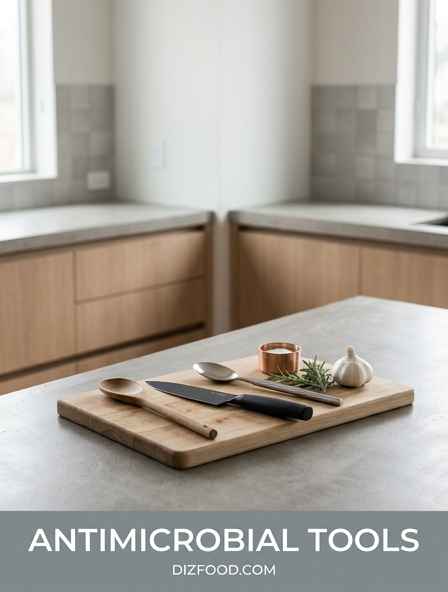
Cross-contamination remains one of the primary causes of foodborne illnesses in domestic settings. It occurs when pathogens are transferred from one surface or food item to another, often via cutting boards, utensils, or hands. Antimicrobial kitchen tools are specifically designed to break this chain of transmission. For instance, color-coded cutting boards treated with antimicrobial agents help keep raw proteins separate from fresh produce while suppressing bacterial colonization on the board's surface. This technology is particularly vital when dealing with porous materials that might otherwise harbor deep-seated bacteria.
- Utilization of treated non-porous synthetic cutting boards to prevent deep bacterial penetration.
- Implementation of antimicrobial-infused knife handles to reduce transfer during prolonged prep work.
- Deployment of silicone spatulas and spoons with integrated silver technology to inhibit biofilm formation.
- Use of treated microfiber cloths for wiping down prep areas to capture and neutralize microbes effectively.
By systematically replacing standard tools with antimicrobial alternatives, the biological load within the prep zone is drastically minimized, ensuring a safer environment for complex meal preparation.
How Antimicrobial Coatings Protect High Touch Toasters
Toasters are among the most frequently touched appliances in the kitchen, yet they are often overlooked during routine sanitation. The levers, buttons, and dials are prime locations for the accumulation of skin oils and food particles, creating a reservoir for bacterial growth. Antimicrobial coatings applied to these high-touch points offer a robust solution. These coatings typically consist of a thin, durable layer of polymer infused with bioactive agents that provide constant protection against common kitchen pathogens like Staphylococcus aureus and E. coli.
When a user interacts with a treated toaster, the antimicrobial agents on the surface work to neutralize any microbes transferred from the hands. This is especially important in multi-person households where the appliance is used repeatedly throughout the morning. Beyond hygiene, these coatings often provide secondary benefits, such as fingerprint resistance and enhanced durability against the heat generated during the toasting process. By neutralizing microbes on contact, these specialized coatings ensure that the exterior of the appliance remains as clean as the toasted bread inside is intended to be, bridging the gap in kitchen sanitation protocols.
The Science of Silver Ion Technology in Kitchenware
Silver ion technology stands at the forefront of antimicrobial innovation in kitchenware. This science leverages the natural properties of silver, which has been known for centuries to possess oligodynamic effects. In modern applications, silver ions are embedded into the molecular structure of plastics, ceramics, and stainless steel coatings. When moisture is present-even in the form of atmospheric humidity-these ions are released to the surface, where they interact with bacterial cell membranes, effectively preventing respiration and reproduction.
| Mechanism | Action on Microbes | Result |
|---|---|---|
| Cell Wall Disruption | Ions bind to cell wall proteins | Structural collapse of bacteria |
| Metabolic Interference | Interruption of enzyme production | Energy production ceases |
| DNA Binding | Interference with genetic replication | Inhibition of bacterial colonies |
This technology is non-leaching and remains active for the lifespan of the product, providing a sustainable and low-maintenance hygienic solution for various kitchen tools and high-heat appliances.
Benefits of Bacteria Resistant Materials for Food Safety
Integrating bacteria-resistant materials into the kitchen environment offers a multitude of benefits that extend beyond mere cleanliness. These materials are engineered to be inherently hostile to microscopic life, which fundamentally alters the safety profile of the cooking area. By choosing tools made from treated polymers or high-grade stainless steel, users can ensure a more controlled environment for food handling.
- Enhanced Longevity: Materials that resist microbial growth are less prone to degradation, odors, and staining caused by mold and mildew.
- Reduced Chemical Usage: With surfaces that actively fight bacteria, the need for aggressive chemical cleaners is reduced, protecting the environment.
- Odor Mitigation: Bacteria are the primary cause of unpleasant smells in the kitchen; resistant materials keep tools smelling fresh.
- Consistency in Safety: Unlike liquid disinfectants that dissipate, built-in resistance provides constant protection 24/7.
The cumulative effect of these benefits is a significant reduction in the risk of foodborne illness, providing peace of mind for both professional chefs and home cooks who prioritize health and safety.
Improving Toaster Hygiene with Specialized Tooling
Maintaining a hygienic toaster requires more than just shaking out the crumbs. Specialized antimicrobial tooling has been developed to address the unique challenges of toasting equipment. This includes crumb trays coated with antimicrobial finishes that prevent mold growth in the presence of trapped moisture and heat. Additionally, internal components that are difficult to reach can be treated during manufacturing to ensure they do not become breeding grounds for bacteria over time. The heat of the toaster alone is often insufficient to sterilize all internal surfaces, making these treated materials essential.
Beyond the appliance itself, specialized cleaning tools such as antimicrobial brushes and tongs play a vital role. Tongs with treated silicone tips allow for the safe removal of toast without introducing bacteria from the hands or standard utensils. Brushes with treated bristles ensure that any residue removed from the interior does not remain on the cleaning tool to be redistributed during the next maintenance cycle. By focusing on both the appliance's construction and the tools used to maintain it, the overall hygiene of the toasting station is significantly elevated, ensuring every slice is served from a clean environment.
Essential Antimicrobial Tools for a Healthier Kitchen
A healthier kitchen starts with a curated selection of essential tools designed to minimize microbial presence. While traditional tools rely on the user's diligence for cleanliness, antimicrobial tools provide an added layer of security that works autonomously. These items are particularly important in "wet" areas of the kitchen where bacteria thrive. Incorporating these tools into daily routines ensures that the most common vectors for germ spread are neutralized.
- Antimicrobial sponges and scrubbers that resist the "sour" smell caused by bacterial buildup.
- Silicone drying mats with silver ion infusion to prevent mold in standing water.
- Treated storage containers that extend the shelf life of produce by inhibiting surface fungi.
- Kitchen shears with treated handles to prevent pathogen transfer during meat preparation.
- Dish racks featuring antimicrobial coatings to ensure clean dishes stay sanitized while drying.
By standardizing these essential items, a kitchen moves from a reactive cleaning model to a proactive, hygienic ecosystem. This transition is vital for maintaining high standards of food safety and general household health.
Preventing Pathogen Growth on Toasting Equipment
Pathogen growth on toasting equipment is a specific concern due to the combination of organic matter (crumbs) and the warm, dark environment found inside the appliance. While the heating elements reach high temperatures, the exterior and the lower sections of the toaster remain at temperatures conducive to microbial proliferation. To combat this, manufacturers are increasingly using antimicrobial zinc or copper-based additives in the construction of baseplates and crumb catchers. These additives interfere with the ability of pathogens to colonize the equipment between uses.
Furthermore, the exterior housing of the toaster is frequently exposed to "kitchen aerosol"-fine droplets of grease and moisture that settle on surfaces and provide a nutrient source for bacteria. Treated exterior surfaces ensure that these aerosols do not lead to a bio-film layer. By preventing the establishment of these microbial colonies, the appliance remains safer for contact and prevents the cross-contamination of nearby food items. This preventative measure is a key component in a holistic approach to kitchen sanitation, focusing on the equipment that is often most neglected in daily cleaning routines.
The Impact of Treated Surfaces on Long Term Food Safety
The long-term impact of treated surfaces on food safety is measurable and significant. Unlike temporary sanitizing sprays, treated surfaces provide a persistent barrier that does not wear off easily with standard use. Over several years, the cumulative reduction in bacterial load can lead to a demonstrably cleaner environment. This longevity is crucial for appliances and tools that are intended to last for a decade or more. The following table illustrates the performance of treated vs. untreated surfaces over time.
| Feature | Standard Surface | Antimicrobial Surface |
|---|---|---|
| Bacterial Reduction | 0% (requires cleaning) | Up to 99.9% continuously |
| Biofilm Development | Rapid in moist conditions | Highly inhibited |
| Surface Degradation | Susceptible to mold pitting | Resistant to organic decay |
| User Interaction | High transfer risk | Low transfer risk |
This data highlights how the integration of advanced materials fundamentally shifts the safety profile of the kitchen, ensuring that food safety is a permanent feature of the workspace rather than a temporary state achieved only after cleaning.
Maintaining a Germ Free Environment in Your Toasting Station
Creating and maintaining a germ-free toasting station requires a combination of high-quality antimicrobial tools and a consistent maintenance routine. Even with the best technology, the removal of physical debris remains essential for performance. The toasting station should be viewed as a dedicated zone where hygiene is prioritized to prevent the contamination of ready-to-eat foods. Utilizing the following steps will maximize the effectiveness of your antimicrobial equipment.
- Position the toaster on a non-porous, antimicrobial mat to catch stray crumbs and prevent counter contamination.
- Use treated microfiber cloths to wipe the exterior daily, activating the antimicrobial properties of the coating.
- Empty the antimicrobial-coated crumb tray weekly to ensure no organic buildup bypasses the treated surface.
- Only use antimicrobial-treated tongs for retrieving items, avoiding direct hand contact with the appliance's inner rim.
By following these specific steps, the antimicrobial properties of your tools are supported by good habits, resulting in a station that is both functionally efficient and biologically clean. This synergy between technology and practice is the hallmark of the modern, health-conscious kitchen.


Comments