
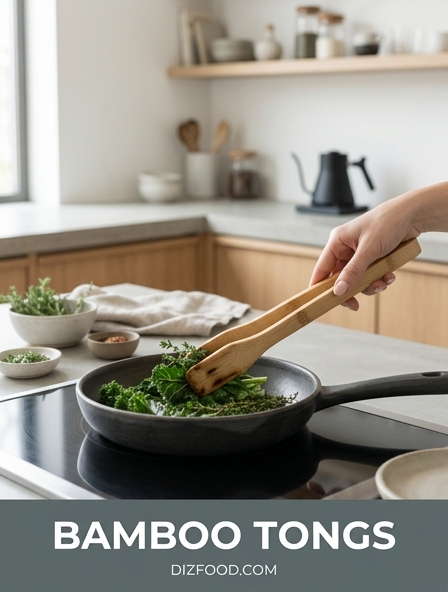
The Environmental Impact of Bamboo vs Plastic
When analyzing the environmental footprint of kitchen utensils, the contrast between bamboo and plastic is stark. Plastic tongs are derived from non-renewable petroleum resources, requiring significant energy for extraction and refining. During production, plastic manufacturing releases greenhouse gases and chemical byproducts into the atmosphere. Once discarded, these plastic tools persist in landfills for centuries, eventually breaking down into harmful microplastics that infiltrate our water systems and food chains.
In contrast, bamboo is a rapidly renewable grass that requires no pesticides or heavy irrigation to thrive. It sequesters more carbon dioxide and produces more oxygen than an equivalent stand of trees, making its cultivation actively beneficial for the atmosphere. Bamboo tongs represent a circular economy approach, moving away from the "take-make-waste" model associated with synthetic polymers. Choosing bamboo over plastic directly reduces the demand for fossil fuels and mitigates the growing crisis of oceanic plastic pollution. By opting for natural fibers, consumers support a biological cycle that nourishes the earth rather than polluting it.
Safety Benefits of Non-Conductive Toasting Tools
Kitchen safety is often overlooked when it comes to small appliances like toasters. Using metal utensils to retrieve a stuck piece of bread poses a significant risk of electric shock, as metal is a highly efficient conductor of electricity. Bamboo tongs provide a critical safety solution because bamboo is naturally non-conductive. This insulating property ensures that even if the tongs come into contact with the heating elements inside a live toaster, the user remains protected from electrical discharge.
- Electrical Insulation: Bamboo does not carry a current, preventing accidental shocks.
- Heat Retardation: The material does not get hot to the touch, preventing finger burns.
- Grip Stability: The textured surface of bamboo provides a secure hold on slippery or hot food items.
- Chemical Safety: Unlike plastic, bamboo does not leach toxins when exposed to high heat.
Beyond electrical safety, bamboo stays cool even when used near high-heat sources. This prevents the common kitchen mishap of picking up a tool that has become painfully hot. For households with children or elderly members, the inherent safety profile of bamboo makes it an essential kitchen gadget for daily breakfast routines.
Why Renewable Bamboo is the Ultimate Kitchen Material
Bamboo is frequently hailed as a "miracle" material for the modern kitchen due to its incredible growth rate and physical resilience. Some species of bamboo can grow up to 36 inches in a single 24-hour period, allowing for frequent harvesting without damaging the surrounding ecosystem or the plant's root system. This rapid regeneration makes it one of the most sustainable resources on the planet, far surpassing hardwoods which can take decades to mature.
| Property | Bamboo Benefit |
|---|---|
| Growth Rate | Matures in 3-5 years vs. 30+ for hardwoods. |
| Tensile Strength | Greater than many alloys of steel. |
| Weight | Lightweight and ergonomic for easy handling. |
| Sustainability | Requires no fertilizers or chemical pesticides. |
The fibrous structure of bamboo provides a unique combination of flexibility and strength. In the kitchen, this translates to tongs that can be squeezed repeatedly without snapping, yet remain rigid enough to lift heavy items. Its natural resistance to warping and cracking ensures that it maintains its integrity even after hundreds of uses.
Heat Resistant Durability for Daily Toasting Needs
Daily kitchen tasks require tools that can withstand consistent exposure to heat without degrading. Bamboo tongs are exceptionally well-suited for this environment. Unlike plastic tongs, which can melt or deform if they lean against a hot toaster rim or skillet, bamboo remains structurally sound at high temperatures. It does not lose its shape or emit the noxious fumes associated with burnt synthetic materials. This heat resistance ensures a long lifespan for the tool, even in the busiest of kitchens.
Furthermore, bamboo's cellular structure allows it to expand and contract minimally when exposed to temperature fluctuations. This stability prevents the splintering or cracking that often plagues traditional wooden utensils when they are repeatedly heated and cooled. Because it is a dense, non-porous material compared to other woods, it does not absorb excessive moisture which could lead to steam damage from within. This durability makes it a reliable companion for everything from retrieving bagels to flipping delicate vegetables in a pan, providing a consistent performance that home cooks can rely on every morning.
Protecting Non-Stick Surfaces with Natural Materials
Modern kitchens rely heavily on non-stick coatings like Teflon or ceramic to facilitate easy cooking and cleaning. However, these surfaces are notoriously delicate and can be easily ruined by the sharp edges of stainless steel utensils. Once a non-stick surface is scratched, its effectiveness is compromised, and it may begin to leach chemicals into food. Bamboo tongs offer a gentle alternative that preserves the longevity of expensive cookware. The natural fibers of bamboo are soft enough to glide over coatings without leaving marks, yet firm enough to provide the necessary grip.
- Gentle Contact: Bamboo edges are naturally blunt and fibrous, preventing surface abrasion.
- Smooth Finish: High-quality bamboo tools are sanded to a fine finish, ensuring no snags.
- Versatility: Safe for use on cast iron, stainless steel, and delicate non-stick pans.
- Cost-Effective: Using bamboo prevents the need to replace damaged cookware prematurely.
By integrating bamboo into your culinary toolkit, you extend the life of your pots and pans. This synergy between natural materials and modern technology creates a more efficient and sustainable kitchen environment where tools work together to maintain quality and safety.
Sustainable Sourcing and Minimal Carbon Footprint
The journey of a bamboo tong from the forest to the kitchen involves a significantly lower carbon footprint than its metal or plastic counterparts. Sourcing bamboo often involves local communities in regions where the plant grows natively, providing sustainable livelihoods without the destructive impact of industrial mining or chemical synthesis. Because bamboo is so lightweight, the energy required for its transportation is reduced, further lowering the total emissions associated with its distribution.
The manufacturing process for bamboo utensils is primarily mechanical rather than chemical. It involves cutting, shaping, and sanding, which consumes far less energy than the high-heat smelting required for steel or the polymerization processes for plastics. Most bamboo products are finished with food-grade oils rather than toxic varnishes, ensuring that the entire production chain remains environmentally friendly. When consumers choose bamboo, they are supporting a supply chain that prioritizes biological renewal and low-energy processing. This commitment to sustainable sourcing helps mitigate climate change by keeping carbon locked within the organic material for the duration of the product's life, rather than releasing it during intensive industrial manufacturing.
The Aesthetic Appeal of Eco-Friendly Kitchen Gadgets
Beyond functionality, bamboo tongs bring a natural, organic beauty to the kitchen space. In an era dominated by industrial metals and bright plastics, the warm tones and unique grain patterns of bamboo offer a refreshing, minimalist aesthetic. Each set of tongs is slightly different, reflecting the natural variations of the plant from which it was carved. This earthy appearance complements a wide range of interior styles, from modern Scandinavian designs to rustic farmhouse kitchens. The visual warmth of wood-like materials creates a more inviting and tranquil cooking environment.
The tactile experience of using bamboo also contributes to its appeal. It feels warm to the touch and has a balanced weight that feels comfortable in the hand. Many homeowners now prefer "open shelving" or magnetic strips to display their tools; bamboo's clean lines and neutral palette make it an attractive display piece rather than something to be hidden in a drawer. As eco-consciousness becomes a lifestyle, these gadgets serve as subtle statements of a user's values, blending high-end design with a commitment to the planet. Choosing bamboo is as much a stylistic choice as it is a practical one.
Hygienic and Antimicrobial Properties of Bamboo Fibers
Hygiene is paramount in food preparation, and bamboo possesses inherent biological advantages that make it a superior choice for kitchen tools. Bamboo contains a natural bio-agent known as "bamboo kun," which provides the plant with a built-in resistance to pests and fungi. This antimicrobial quality persists even after the bamboo has been processed into utensils, helping to inhibit the growth of bacteria on the surface of the tongs. Unlike porous woods that can trap food particles and moisture, bamboo is dense and water-resistant, making it less likely to harbor pathogens.
- Natural Resistance: Inherent properties repel microbes and prevent mold growth.
- Odor Resistance: Does not absorb strong food smells like garlic or onions.
- Stain Resistance: The tight grain prevents deep penetration of food pigments.
- Easy Maintenance: Simply requires a light wash and air drying to remain sanitary.
Because bamboo dries faster than most other woods, it spends less time in the "danger zone" where bacteria thrive. This makes bamboo tongs an exceptionally hygienic choice for handling everything from hot toast to fresh salad components, ensuring a cleaner cooking process for the whole family.
Comparing Bamboo Tongs to Traditional Metal Utensils
While metal utensils have been a kitchen staple for decades, bamboo tongs offer several distinct advantages that make them a more versatile choice for many tasks. Metal tongs are often heavy, clunky, and can be difficult to maneuver when performing delicate tasks like grabbing a single slice of toast or flipping a small appetizer. Bamboo, being significantly lighter, offers superior dexterity and reduces hand fatigue during repetitive use. Furthermore, metal tools can react with acidic foods, potentially altering the taste or leaching metallic ions into the meal.
| Feature | Bamboo Tongs | Metal Tongs |
|---|---|---|
| Conductivity | None (Safe for toasters) | High (Shock risk) |
| Weight | Ultralight | Heavy |
| Surface Safety | Scratch-proof | Can damage coatings |
| Noise | Silent use | Clanking/Scraping sounds |
The "clanking" sound of metal against metal or ceramic can be jarring in a quiet kitchen. Bamboo operates silently, contributing to a more peaceful cooking experience. Its lack of reactivity ensures that the flavors of your food remain pure and untainted by metallic interference.
Biodegradable End-of-Life Solutions for Green Homes
The final stage of a product's life is perhaps the most important consideration for the eco-conscious consumer. Traditional kitchen tools made of silicone, plastic, or treated metals often end up in landfills where they remain indefinitely. Bamboo tongs, however, offer a truly "cradle-to-grave" sustainable solution. Being 100% organic and biodegradable, bamboo can be composted at the end of its functional life. Instead of contributing to the waste stream, it breaks down naturally, returning its nutrients to the soil and completing the biological cycle.
For a zero-waste home, this means that even when a tool eventually wears out after years of service, it leaves no permanent mark on the planet. You can simply snap the tongs into smaller pieces and add them to a backyard compost bin or a municipal green waste collection. Within a few months to a year, the material will decompose, helping to nourish new plant life. This makes bamboo an essential component of a sustainable lifestyle, allowing consumers to enjoy high-quality kitchen gadgets without the guilt of long-term environmental impact. It is the ultimate expression of responsible consumption, ensuring that our kitchen habits today do not compromise the environment for future generations.


Comments