
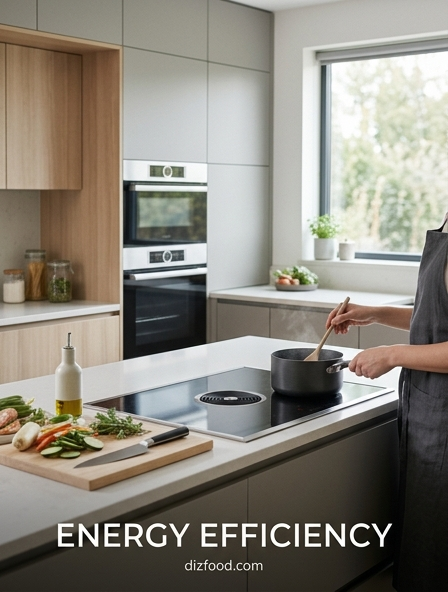
Understanding Infrared Heat Transfer
Infrared heat transfer represents a significant leap in kitchen energy efficiency by utilizing electromagnetic radiation to cook food. Unlike traditional methods that rely on heating the surrounding air, infrared energy travels in waves that directly excite molecules within the food items. This process is remarkably efficient because it bypasses the need for an intermediate medium, such as air or water, to carry the thermal energy. In a standard kitchen setting, this means that energy is not lost to the oven cavity walls or the ambient environment before it reaches the target.
The efficiency of infrared technology is often categorized by the length of the light waves it produces. Short-wave and medium-wave infrared heaters are particularly effective for kitchen appliances due to their ability to penetrate surfaces quickly. The primary advantages of this heat transfer method include:
- Minimal energy loss through convection currents.
- Rapid absorption by organic materials like bread and proteins.
- Reduced thermal inertia, allowing for immediate temperature changes.
- High-density energy output from compact heating elements.
By focusing energy solely on the culinary task at hand, infrared systems minimize the "idle" energy consumption that plagues many traditional resistance-coil appliances.
Direct Heat Versus Conventional Convection
To understand the energy benefits of infrared technology, one must compare it to conventional convection systems. Conventional ovens work by heating air, which then slowly transfers heat to the food. This method is inherently inefficient because air is a poor thermal conductor. In contrast, infrared appliances provide direct radiant heat, ensuring that a higher percentage of every watt consumed is converted into cooking power. This direct path eliminates the "middleman" of hot air, which often escapes every time the appliance door is opened.
| Feature | Conventional Convection | Infrared Direct Heat |
|---|---|---|
| Energy Medium | Heated Air | Light Waves |
| Preheat Time | 10-15 Minutes | Instant | High (Escaping Air) | Low (Targeted) |
The table above illustrates the fundamental differences in how energy is managed. Because infrared waves do not require a pressurized or heated environment to function, the appliance housing can be designed with less bulk, further reducing the energy required to maintain operating temperatures during use.
Instant On Heating Technology
One of the most profound energy-saving features of modern infrared kitchen appliances is "Instant On" capability. Traditional heating elements, such as calrod or nichrome wires, require a ramp-up period to reach their glowing state. During this time, energy is being consumed without performing any useful work. Infrared elements, particularly those using carbon fiber or halogen lamps, reach full thermal output in less than a second. This eliminates the need for standby modes or early activation.
- Energy is drawn only when the cooking cycle begins.
- The cooling process is equally rapid, preventing residual heat waste.
- Sensors can pulse the energy quickly to maintain precise temperatures.
This technological advancement ensures that the appliance is only drawing power from the grid during the actual seconds or minutes of cooking. For a household that uses a toaster or small oven multiple times a day, the removal of the warm-up phase can lead to a measurable reduction in monthly kilowatt-hour consumption. It transforms the kitchen into a high-precision environment where energy use perfectly mirrors the cooking duration.
Eliminating Preheat Energy Waste
Preheating is perhaps the most wasteful practice in the modern kitchen. Most recipes suggest preheating a conventional oven for up to twenty minutes, a process that can consume more energy than the actual cooking of a small dish. Infrared technology fundamentally changes this requirement. Because the radiant energy starts working the moment the switch is flipped, the preheat cycle is entirely eliminated for most tasks like toasting, reheating, or roasting small portions. This translates to an immediate 20% to 50% energy saving depending on the specific appliance and the complexity of the meal.
Furthermore, the absence of a preheat cycle reduces the total time the appliance remains energized. In a high-traffic kitchen, this efficiency compounds over weeks and months. When the energy waste associated with heating an empty metal box is removed, the kitchen becomes more sustainable. Users no longer have to plan their energy consumption around a 15-minute window of non-productive heating, allowing for a more spontaneous and lower-impact cooking experience. This shift not only saves money but also aligns with modern green building standards that prioritize demand-side energy reduction.
Faster Toasting Cycles Reduce Draw
Speed is a direct ally of energy efficiency in the realm of kitchen appliances. The logic is simple: the shorter the amount of time an appliance is running, the less energy it draws from the electrical circuit. Infrared toasters utilize high-intensity light waves that brown bread surfaces significantly faster than standard radiant wire toasters. While a traditional toaster might take three to four minutes to reach a desired level of crispness, an infrared model can often achieve the same results in half the time. This 50% reduction in cycle time leads to a proportional decrease in energy draw.
- Shortened cycles minimize internal moisture loss in food.
- Lower total wattage is required per toasting session.
- High-intensity bursts are more efficient than slow, low-heat drying.
The reduction in time also means the appliance components are under stress for shorter periods, which can indirectly contribute to energy efficiency by maintaining the integrity of the reflective surfaces and heating elements. When an appliance operates at peak efficiency for a shorter duration, it maximizes the "work-per-watt" ratio, making it a superior choice for the eco-conscious consumer looking to trim unnecessary power usage.
Localized Heat Distribution Benefits
Energy waste often occurs when we heat areas that do not require warmth. Conventional ovens suffer from this significantly, as they heat the entire interior volume even for a single piece of toast. Infrared technology excels at localized heat distribution. By using precisely angled reflectors, infrared appliances can direct the majority of their thermal output toward the center of the cooking rack. This ensures that energy is concentrated exactly where the food is placed, rather than being absorbed by the side panels or the glass door. This focused approach means that less power is required to achieve the necessary surface temperatures for browning and searing.
Localized heating also allows for more compact appliance designs. Since the heat is directed and controlled, there is less need for massive insulation layers that characterize larger, less efficient units. The ability to control the "footprint" of the heat within the device ensures that every square inch of the heating element is performing productive work. For the user, this means more consistent results with a smaller environmental footprint, as the appliance optimizes the delivery of every thermal unit produced by the electrical current.
The Science of Energy Efficient Toasting
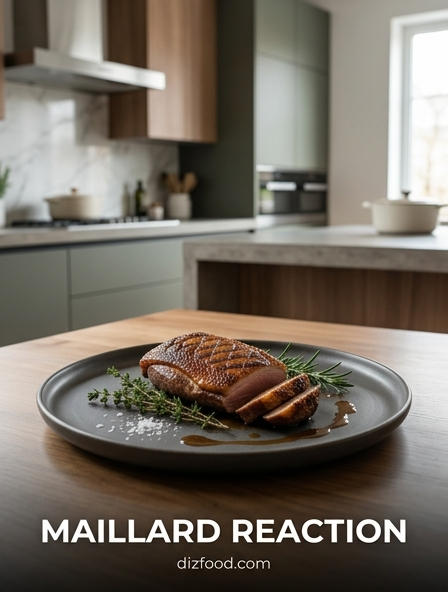
The science behind energy-efficient toasting lies in the Maillard reaction and how infrared energy triggers it. To achieve the perfect gold-brown exterior, the surface of the bread must reach high temperatures rapidly. Traditional toasters often dry out the interior of the bread because the heat transfer is too slow, forcing the appliance to run longer to brown the crust. Infrared waves, however, vibrate at frequencies that are perfectly tuned to be absorbed by the carbohydrates and proteins on the bread's surface. This results in an almost instantaneous "flash" sear.
- Wavelengths between 3 and 15 microns are ideal for food absorption.
- Immediate surface carbonization prevents deep-core energy soak.
- Reflective interior coatings bounce escaping waves back to the food.
By focusing on the surface chemistry of toasting, infrared appliances utilize a surgical approach to heat. Instead of an indiscriminate "bath" of hot air, the appliance uses specific light frequencies to do the job. This scientific optimization ensures that the energy consumed is used specifically for the chemical transformation of the food's surface, leaving the moisture inside and reducing the total power needed for a perfect result.
Cutting Utility Costs with Precision
Precision is the cornerstone of utility cost reduction in the modern kitchen. When appliances are equipped with infrared elements and digital controllers, they provide a level of accuracy that prevents overconsumption. Unlike analog toasters that may stay "on" longer than necessary due to inaccurate timers, infrared systems are often paired with sophisticated sensors that monitor the actual surface temperature of the food. This prevents the appliance from using even a single extra watt once the desired cook level is reached. The cumulative effect on a household's utility bill can be significant over time.
| Appliance Type | Estimated Annual Cost | Energy Waste Factor |
|---|---|---|
| Standard Oven | $120 - $160 | High (Volume/Preheat) |
| Standard Toaster | $15 - $25 | Medium (Thermal Lag) |
| Infrared Toaster | $8 - $12 | Minimal (Precision) |
By migrating daily tasks-like toasting bagels or reheating pizza-to precision infrared appliances, consumers can effectively "right-size" their energy consumption. The data shows that using the most efficient tool for the specific job is the fastest way to lower energy expenses without changing dietary habits.
Reducing Ambient Kitchen Heat Gain
Energy efficiency in the kitchen isn't just about the appliance's power draw; it is also about how the appliance affects the surrounding environment. Traditional ovens and high-wattage toasters release a massive amount of "waste heat" into the kitchen. During summer months, this ambient heat gain forces air conditioning systems to work harder to maintain a comfortable temperature. Infrared appliances are designed to keep the heat contained within the cooking area or directed solely at the food. Because they operate for shorter durations and do not rely on heating large volumes of air, they emit significantly less heat into the room.
- Lower exhaust temperatures reduce the load on kitchen ventilation.
- Minimized radiant heat from the appliance exterior protects cabinetry.
- Reduced thermal spillover keeps the kitchen environment cooler.
This creates a secondary energy saving that is often overlooked. By keeping the "cooking heat" inside the appliance and the "living heat" out of the kitchen, infrared technology helps maintain the thermal equilibrium of the entire home. This holistic approach to efficiency makes infrared appliances an essential component of an integrated energy-saving strategy for modern residential design.
Long Term Savings with Infrared Appliances
Investing in infrared kitchen technology offers long-term financial benefits that extend beyond the monthly electric bill. While the initial purchase price of a high-end infrared toaster or oven may be higher than a budget resistance-coil model, the total cost of ownership is generally lower. This is due to the combination of reduced energy consumption and the durability of modern infrared components. Carbon fiber elements, for instance, often have a longer functional lifespan than traditional thin-wire filaments, which are prone to oxidation and eventual breakage after repeated heating and cooling cycles.
Furthermore, the time saved daily by using instant-on, fast-cooking technology has an intrinsic value. When you factor in the reduced strain on the home's HVAC system and the longevity of the appliance, the return on investment becomes clear. As energy prices continue to fluctuate, owning appliances that prioritize efficiency ensures that the household is insulated from rising utility costs. Over a five-to-ten-year lifecycle, an infrared appliance can effectively pay for itself through direct energy savings, making it both a fiscally responsible and environmentally conscious choice for the modern kitchen.



Comments