
Achieving the perfect balance of moisture and texture in your cooking often comes down to how you manage heat, and the debate between in-bore steamers and traditional over-pot methods is central to that culinary success. While the classic over-pot steamer is a convenient staple for quick side dishes, it often struggles with "wet" steam and uneven temperature fluctuations that can lead to soggy greens or rubbery proteins. On the other hand, in-bore (built-in) steamers utilize advanced convection technology to circulate pressurized, "dry" steam with surgical precision. By maintaining a constant, sealed environment, the in-bore system ensures that heat penetrates food deeply and uniformly, locking in nutrients and guaranteeing the kind of succulent, fork-tender results usually reserved for high-end restaurant kitchens.
| Feature | In-Bore Steamer (Built-In) | Over-Pot Steamer (Stovetop) |
|---|---|---|
| Heat Distribution | 360° Convection; eliminates cold spots. | Rising heat from base; uneven top-tier cooking. |
| Precision Control | Digital sensors (accurate to 1°F). | Manual/Variable; dependent on burner intensity. |
| Steam Quality | Controlled "Dry" steam; prevents water-logging. | High-moisture "Wet" steam; prone to dripping. |
| Capacity | Multi-level racking for full-course meals. | Limited to pot diameter and stack height. |
| Nutrient Density | Maximum retention via sealed oxygen-free chamber. | Moderate; nutrients lost to condensation runoff. |
| Best For | Sous-vide style meats, seafood, and grains. | Quick vegetables, dumplings, and reheating. |
Understanding In-Bore and Over-Pot Steamers
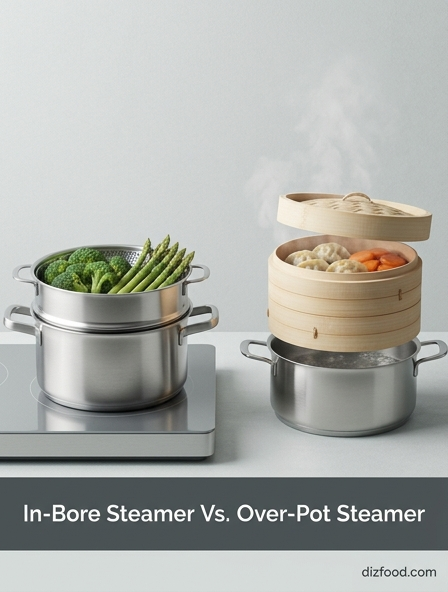
Steaming is one of the most effective ways to prepare food while preserving its natural essence, but the equipment used can significantly alter the kitchen experience. An in-bore steamer typically refers to integrated systems or specialized inserts that sit deep within the cavity of a dedicated steam oven or a precisely fitted deep-well vessel. These systems are designed to surround the food with a controlled, pressurized, or high-density steam environment. By keeping the food closer to the heat source and within a sealed "bore," these steamers minimize heat loss and maximize the concentration of vapor.
In contrast, an over-pot steamer is the traditional method most home cooks are familiar with. This setup involves a base pot filled with boiling water and a perforated basket or tiered levels that sit on top of the rim. The steam rises from the boiling water, passes through the food, and is trapped by a lid. This method relies on the convection of rising steam rather than the enclosed pressure of an in-bore system. While both methods utilize the same fundamental principle of vapor-based heat transfer, they differ in how they manage heat distribution and moisture density.
- In-Bore: Characterized by high-density steam, often integrated into modern cabinetry or professional-grade cookware.
- Over-Pot: Known for its simplicity, using standard stovetop heat and stackable components.
- Atmospheric Pressure: Over-pot systems operate at standard pressure, whereas some in-bore systems can achieve slight pressure increases for faster results.
Precision Cooking: The In-Bore Advantage
The primary appeal of in-bore steaming lies in its precision. Because the food is contained within a specifically engineered chamber or a deep-set insert, the temperature fluctuations are minimal. In-bore systems, especially those found in combi-steam ovens or high-end built-in units, allow the user to set specific temperatures, often down to the degree. This level of control is essential for delicate items like custards, terrines, or certain types of seafood that can become rubbery if exposed to the aggressive, erratic boiling of a traditional stovetop setup.
Furthermore, the seal on an in-bore system is generally superior to that of a standard pot lid. This prevents "steam flanking," where vapor escapes from the sides of the basket, leading to uneven cooking. In a bore-style environment, the steam is forced to circulate uniformly around the ingredients. This results in a highly consistent cook from the center of the tray to the edges. For the culinary enthusiast, this means predictable results every time, reducing the guesswork associated with checking for doneness.
| Feature | In-Bore Advantage |
|---|---|
| Temperature Stability | Digital sensors maintain exact heat levels. |
| Moisture Control | Saturation levels can often be adjusted manually. |
| Uniformity | Eliminates cool spots through enclosed circulation. |
Versatility and Capacity of Over-Pot Steaming
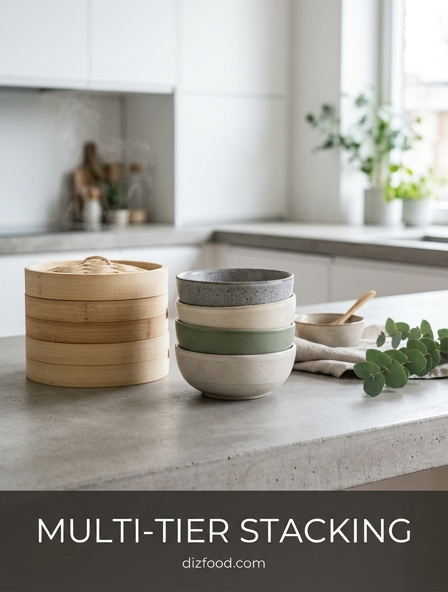
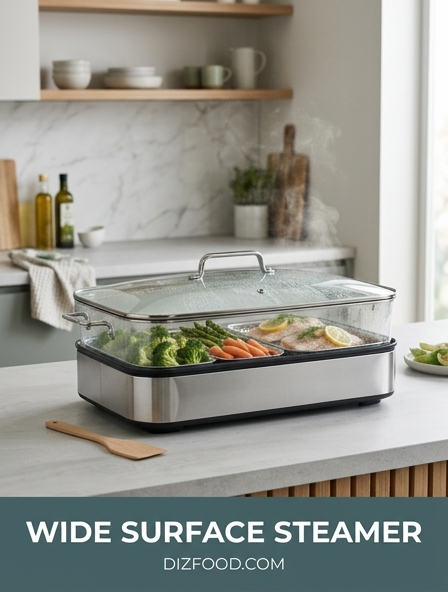
While in-bore systems offer precision, over-pot steamers excel in terms of sheer versatility and volume. The modular nature of over-pot systems-particularly bamboo steamers or tiered stainless steel inserts-allows the cook to stack multiple layers high. This means you can steam fish on the bottom layer, vegetables in the middle, and dumplings on the top, all utilizing a single heat source. The vertical expansion of over-pot steaming makes it the preferred choice for large family gatherings or meal prepping where quantity is as important as quality.
Additionally, over-pot steamers are not limited by a fixed internal cavity. If you have a larger pot, you can often find an expandable or universal steamer basket to fit it. This adaptability is a significant benefit for kitchens with limited built-in appliances. You are also able to monitor the water levels more easily; if the pot runs dry, you can simply lift the steamer and add more water without interrupting a complex electronic cycle. This "analog" approach provides a level of flexibility that high-tech in-bore systems sometimes lack, especially when dealing with irregularly shaped foods like whole large lobsters or long stalks of asparagus.
The over-pot method also facilitates "infusion steaming." By adding aromatics like ginger, star anise, or lemon peels directly into the boiling water below the basket, the rising steam carries these subtle flavors upward through the food. While possible in-bore, the proximity and direct path of the steam in an over-pot setup often yield a more pronounced aromatic profile.
Nutritional Impact: Which Method Retains More
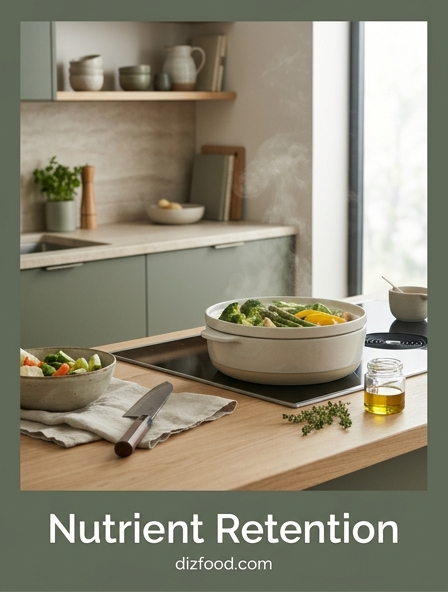
Steaming is widely regarded as the gold standard for nutrient retention because it avoids the leaching of water-soluble vitamins (like Vitamin C and B-complex vitamins) that occurs during boiling. When comparing in-bore and over-pot methods, the differences often come down to cooking time and steam density. In-bore steamers, due to their enclosed and often pressurized environments, tend to cook food faster. Reducing the time food is exposed to heat is the single most important factor in preserving heat-sensitive antioxidants and phytonutrients.
Over-pot steaming is also highly nutritious, but the potential for nutrient loss is slightly higher if the lid is not heavy enough to maintain a tight seal. When steam escapes, the cooking time lengthens, which can lead to the degradation of delicate enzymes. However, the over-pot method is superior for foods that require "dryer" steam. Some in-bore systems can become so saturated that they mimic the effects of poaching, which might lead to a slight loss of minerals into the condensation that drips off the food.
- Vitamins: Both methods preserve roughly 80-90% of Vitamin C compared to 40% when boiling.
- Minerals: In-bore systems minimize mineral runoff by controlling the rate of condensation.
- Antioxidants: Faster cooking times in precision in-bore units help maintain the vibrant colors that signify antioxidant presence.
Space-Saving Design vs Multi-Tasking Utility
The choice between these two steaming methods often dictates the workflow and organization of the kitchen. Over-pot steamers are the ultimate space-savers for small kitchens. Collapsible metal baskets can be folded to the size of a small bowl, and bamboo tiers can be tucked away in a pantry. They do not require dedicated counter space or a permanent "footprint" in the kitchen layout. This makes them ideal for cooks who only steam occasionally and prefer to keep their surfaces clear for other tasks.
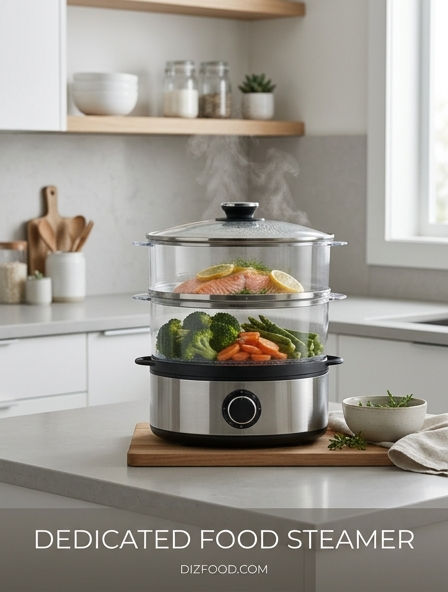
In-bore steamers, particularly built-in steam ovens, represent a commitment to a specific style of cooking. They take up significant real estate, either as a primary oven or a secondary wall-mounted unit. However, they offer superior multi-tasking utility. An in-bore system operates independently of the stovetop. While your steam oven is precisely poaching salmon, all four of your stovetop burners remain free for searing, boiling pasta, or making sauces. For a multi-course dinner, this independence is invaluable. The over-pot method, while portable, ties up a burner and requires the cook to manage the boiling water level, which can be a distraction during complex meal preparation.
Ultimately, the decision rests on whether you value the "hideaway" nature of portable tools or the "set-it-and-forget-it" convenience of a dedicated appliance that stays out of the way of your main cooking surface.
Cleaning and Maintenance Comparison
Maintenance is where these two systems diverge most sharply. Over-pot steamers are generally straightforward to clean. Stainless steel inserts are almost always dishwasher safe, and because they don't have moving parts or internal plumbing, there is very little that can go wrong. Bamboo steamers require a bit more care-rinsing and air-drying to prevent mold-but they remain simple, low-tech tools. The primary maintenance task for an over-pot system is simply scrubbing away any food residue from the perforations.
In-bore systems, particularly those integrated into appliances, require a more disciplined maintenance schedule. Because they use internal water reservoirs and heating elements, they are susceptible to limescale and mineral buildup. Most in-bore steamers require periodic "descaling" cycles using specialized chemicals or vinegar solutions to ensure the steam jets do not become clogged. Additionally, the interior cavity must be wiped down after every use to prevent standing water from causing odors or bacterial growth.
- Over-Pot: High ease of cleaning; dishwasher compatible; no descaling required.
- In-Bore: Requires regular descaling; manual drying of the cavity; potential for electronic or plumbing issues.
- Durability: Over-pot inserts are virtually indestructible, whereas in-bore units have sensors and seals that may wear over time.
Speed and Efficiency Head-to-Head
When it comes to speed, the in-bore steamer usually wins, but with a caveat regarding preheating. A dedicated in-bore steam oven or a high-wattage electric steam chamber can generate high-density vapor almost instantly. Once the chamber is saturated, the heat transfer to the food is incredibly efficient. Some professional in-bore units can steam vegetables in half the time it takes on a stovetop. This efficiency is due to the lack of "dead space" and the high thermal mass of the steam contained within the sealed bore.
Over-pot steaming depends entirely on the power of your stove and the volume of water you are boiling. It takes a significant amount of energy to bring a large pot of water to a rolling boil before the steaming even begins. However, for small batches, the over-pot method can be faster because you don't have to wait for an entire oven-sized cavity to reach the correct humidity level. If you are just steaming a few florets of broccoli, a small pot with a bit of water will be ready in minutes, whereas an in-bore oven might take ten minutes just to prime the system.
In terms of energy efficiency, the in-bore system is often better for long-duration cooking. Once the chamber is sealed and up to temperature, it requires very little energy to maintain. The over-pot method loses a massive amount of heat to the surrounding kitchen air, making it less efficient for items that require long cook times, like steamed puddings or large cuts of meat.
Texture and Taste Results Compared
The culinary results produced by these two methods are subtly different. In-bore steaming produces a "wetter" environment. Because the steam is heavily concentrated and often recirculated, the food stays incredibly moist. This is perfect for grains like rice or for proteins that dry out easily. The texture of fish steamed in-bore is often described as silky and buttery. However, this high moisture can sometimes lead to "soggy" vegetables if the timing is off by even a minute, as the residual steam in the chamber continues to cook the food even after the heat is turned off.
Over-pot steaming provides a slightly "dryer" steam because the vapor is constantly moving upward and escaping. This is often preferred for Chinese-style dumplings or buns (Bao), where too much moisture can make the dough gummy or translucent in an unappealing way. The texture of vegetables in an over-pot steamer tends to be crisp-tender, as the cook can easily lift the lid to check the snap of the produce.
| Food Type | Preferred Method | Reason |
|---|---|---|
| Leafy Greens | Over-Pot | Prevents over-saturation and mushiness. |
| Fish Fillets | In-Bore | Maintains extreme silkiness and fat integrity. |
| Grains/Rice | In-Bore | Even hydration throughout the grain. |
| Buns/Dim Sum | Over-Pot | Proper moisture balance for doughs. |
Equipment Needs for Both Steaming Methods
The barrier to entry for over-pot steaming is extremely low. At its most basic, all you need is a pot with a lid and a heat-resistant colander or a cheap folding metal basket. For those wanting to upgrade, bamboo steamer baskets are inexpensive and can be stacked to increase capacity. The primary requirement is simply a reliable heat source and a pot that creates a reasonably good seal with the steamer insert. This makes it an accessible technique for every level of cook, from college students to professional chefs.
In-bore steaming requires a more significant investment. If you are opting for an in-bore appliance, you are looking at specialized kitchen renovations or high-cost countertop units. These require dedicated electrical outlets and, in some cases, direct plumbing for water intake and drainage. Even the "manual" in-bore inserts, which are deep-seated pans designed for specific cookware sets, tend to be more expensive than universal baskets because they are engineered for a precise fit. You will also need to consider the cost of ongoing supplies, such as descaling tablets or specialized cleaning solutions required to keep the internal mechanisms functioning correctly.
Despite the higher cost, the equipment for in-bore steaming often replaces multiple other gadgets. A high-quality steam oven can often function as a slow cooker, a yogurt maker, and a proofing drawer for bread dough, potentially justifying the initial outlay through its multi-functional nature.
Final Verdict: Choosing the Right Steamer for You
Deciding between an in-bore and an over-pot steamer comes down to your cooking frequency, budget, and culinary goals. If you are a casual cook who steams vegetables as a side dish a few times a week, the over-pot steamer is the logical choice. Its low cost, ease of storage, and simplicity make it a staple that belongs in every kitchen. It offers the flexibility to cook different foods at once and doesn't require a permanent commitment of counter space or complex maintenance routines.
On the other hand, if you are a gourmet enthusiast, a health-focused meal prepper, or someone who values precision above all else, an in-bore system is a transformative addition to the kitchen. The ability to control temperature with surgical precision and the independence from the stovetop allows for a more sophisticated level of cooking. While the maintenance and initial cost are higher, the results-particularly for proteins and delicate desserts-are often superior to what can be achieved with a standard pot and basket.
For most households, the ideal setup might actually be a combination: an over-pot steamer for quick daily tasks and a high-quality in-bore system for more intensive, precision-based cooking. By understanding the mechanical and culinary strengths of each, you can choose the tool that best fits the rhythm of your kitchen and the flavors on your plate.

Comments