
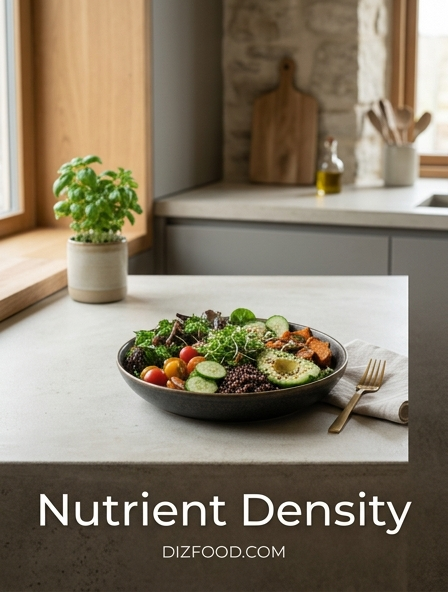
Science of Sealed Steam Technology
Sealed steam technology operates on the principles of thermodynamics within a constrained environment, utilizing saturated steam to transfer thermal energy more efficiently than dry air. In a sealed system, the atmosphere becomes saturated with water vapor, creating a high-pressure or high-density gaseous phase that surrounds food items. This prevents the evaporation of internal moisture from the food, which is a common occurrence in conventional roasting or convection baking. By maintaining a constant state of saturation, the thermal conductivity is significantly increased, allowing for faster heat penetration into the core of the ingredients.
The engineering behind these systems focuses on maintaining a precise equilibrium between pressure and temperature. Unlike traditional steaming where steam escapes freely, sealed systems recycle latent heat, ensuring that the energy remains concentrated. This environment minimizes the temperature gradients across the cooking chamber, leading to uniform molecular agitation. This scientific approach ensures that cellular structures are softened without being destroyed, providing a foundation for superior nutrient preservation and structural integrity in various food groups, from fibrous vegetables to delicate proteins.
Maximizing Vitamin Retention in Closed Systems
Closed-system cooking is specifically designed to combat the thermal degradation of essential vitamins. Many micronutrients, particularly those in the B-complex group and Vitamin C, are highly sensitive to both heat and light. By utilizing a sealed environment, the exposure to these degrading factors is strictly controlled. The rapid heat transfer characteristic of closed systems means that food reaches the required internal temperature much faster, reducing the total duration of heat exposure. Since vitamin degradation is a function of both temperature and time, shortening the cooking cycle is critical for retention.
- Vitamin C: Highly susceptible to thermal destruction; retention is significantly higher in sealed steam compared to open boiling.
- Thiamine (B1): Maintains better stability when not exposed to excessive liquid or prolonged high heat.
- Folate (B9): Sensitive to oxidative stress, which is minimized in an airtight chamber.
- Riboflavin (B2): Protected from light-induced degradation within the opaque confines of modern steam ovens.
The absence of turbulent water further ensures that these water-soluble vitamins remain within the food matrix rather than being discarded with cooking liquids. Consequently, the nutritional density of the final dish is vastly superior to traditional wet-heat methods.
Reducing Nutrient Leaching via Convection Steaming
Nutrient leaching is a primary concern when using traditional immersion methods like boiling or poaching. When food is submerged in water, minerals and water-soluble vitamins move from an area of high concentration (the food) to an area of low concentration (the water) through osmosis. Convection steaming mitigates this loss by using vapor as the primary heat transfer medium. Because the food is not submerged, the physical barrier between the internal cellular fluids and the external environment remains largely intact, preventing the "washing out" of essential elements.
In convection steaming, the movement of steam ensures that heat is distributed evenly without the need for large volumes of liquid. This method is particularly effective for preserving minerals such as potassium, magnesium, and calcium. These electrolytes are vital for human physiological function but are easily lost in standard kitchen practices. By maintaining the integrity of the vegetable's surface, convection steaming ensures that the flavor compounds and mineral salts remain concentrated within the fiber, resulting in a product that is both more nutritious and more flavorful without the need for excessive seasoning or added sodium.
Minimizing Food Oxidation in Airtight Environments
Oxidation is a chemical reaction that occurs when food is exposed to oxygen, leading to the degradation of pigments, fats, and vitamins. In a kitchen environment, this process is accelerated by heat. Sealed steam technology creates an airtight environment that effectively displaces oxygen with water vapor. As the steam fills the chamber, it pushes out atmospheric oxygen, creating a reductive atmosphere. This environment is crucial for preserving the vivid colors of vegetables, which are often indicative of their antioxidant content.
Chlorophyll in green vegetables and carotenoids in orange and red vegetables are highly prone to oxidative stress. When these pigments oxidize, they not only lose their visual appeal but also their biological activity. An airtight system ensures that these compounds remain stable. Furthermore, lipids and fats within proteins are protected from rancidity during the cooking process. By eliminating the oxidative pathway, the food maintains its molecular stability, ensuring that the consumer receives the full spectrum of health benefits associated with the original raw ingredients, particularly the delicate phytonutrients that are otherwise lost in open-air cooking.
Comparing Traditional Boiling to Modern Sealed Methods
The choice between traditional boiling and modern sealed steaming methods has a profound impact on the final nutrient profile of the meal. Boiling often involves high temperatures and significant water contact, which can lead to the destruction of up to 50% of certain nutrients. In contrast, sealed methods prioritize temperature precision and minimal water usage.
| Feature | Traditional Boiling | Modern Sealed Steaming |
|---|---|---|
| Nutrient Loss | High (Leaching & Heat) | Minimal (Vapor Retention) |
| Flavor Profile | Diluted | Concentrated |
| Cooking Speed | Moderate | Fast (High Thermal Transfer) |
| Color Integrity | Dull/Faded | Vibrant/Preserved |
| Water Usage | High | Very Low |
Modern sealed methods represent a shift toward precision gastronomy, where the goal is to optimize the biological value of every calorie. While boiling is sufficient for basic hydration of starches, it is rarely the optimal choice for nutrient-dense produce or delicate proteins that benefit from the gentle, controlled environment of a sealed steam system.
Precision Heat Control for Sensitive Micronutrients
Precision heat control is the cornerstone of nutrient-dense cooking, particularly for micronutrients that have a low thermal threshold. Many enzymes and vitamins begin to denature at specific temperatures well below the boiling point of water. Modern sealed steam appliances allow users to set exact temperatures, often within a single degree of accuracy. This level of control prevents the "over-shooting" of temperatures that occurs with gas flames or standard electric elements, where the heat source is significantly hotter than the target temperature of the food.
- Enzymatic Preservation: Certain enzymes that aid digestion are preserved at lower, controlled steam temperatures.
- Protein Integrity: Low-temperature steaming prevents the cross-linking of proteins that can make meat tough and less digestible.
- Sugar Stability: Precise heat prevents the uncontrolled caramelization of natural sugars, maintaining the low-glycemic index of certain vegetables.
By operating at the exact thermal requirements for a specific ingredient, the cook can ensure that delicate bonds within the molecular structure of the food are not unnecessarily broken. This results in a meal where the micronutrient profile is as close to its raw state as possible while still achieving the desired culinary texture and safety.
Enhanced Bioavailability Through Controlled Moisture
Bioavailability refers to the proportion of a nutrient that is absorbed and utilized by the body. Cooking, when done correctly, can actually increase the bioavailability of certain nutrients by breaking down tough cellular walls that the human digestive system struggles to process. Controlled moisture in a sealed environment is the ideal catalyst for this process. It softens cellulose and lignin in plant tissues without completely disintegrating the fiber, making the internal nutrients more accessible during digestion.
For example, the lycopene in tomatoes and the beta-carotene in carrots become significantly more bioavailable after being exposed to controlled heat and moisture. The sealed steam environment ensures that while these cell walls are being weakened, the nutrients released in the process are not being lost to the atmosphere or cooking water. The result is a synergistic effect where the food is easier to digest, and the nutrient density per gram is maximized. This balance of moisture and heat ensures that the "locked" nutrients in raw produce are successfully "unlocked" for human absorption without the collateral damage typical of more aggressive cooking techniques.
Preserving Phytochemicals in High Pressure Steamers
High-pressure steaming is an advanced iteration of sealed technology that further enhances phytochemical preservation. Phytochemicals, such as glucosinolates found in cruciferous vegetables (broccoli, kale, Brussels sprouts), are known for their potent health-promoting properties. However, these compounds are highly sensitive to prolonged cooking. High-pressure environments increase the boiling point of water and the energy of the steam, allowing for extremely rapid cooking times-often measured in seconds rather than minutes.
By drastically reducing the "time-at-temperature," high-pressure steamers prevent the breakdown of these complex molecules. Research indicates that short-duration, high-pressure steaming can preserve nearly 90% of the sulforaphane content in broccoli, whereas boiling can reduce it to negligible levels. The pressurized environment also prevents the escape of volatile aromatic compounds, which are often linked to the phytochemical profile of the food. Therefore, using high-pressure sealed systems is a superior strategy for those seeking to maximize the therapeutic potential of their diet through the preservation of secondary plant metabolites.
Protecting Water Soluble Antioxidants During Cooking
Antioxidants, such as polyphenols and flavonoids, play a critical role in neutralizing free radicals within the body. Many of these compounds are water-soluble, meaning they are easily lost when food is exposed to excess moisture or open cooking systems. Protecting these antioxidants requires a cooking method that limits water contact and prevents oxidation. Sealed steaming fulfills both requirements perfectly. By using a minimal amount of water and an oxygen-depleted chamber, the antioxidant capacity of the food remains remarkably stable.
- Anthocyanins: The blue and purple pigments in cabbage and berries stay intact, preventing the color bleed associated with boiling.
- Quercetin: Found in onions and peppers, this flavonoid is better retained in steam than in stir-frying or boiling.
- Catechins: These sensitive antioxidants are protected from high-heat degradation in a controlled steam environment.
The cumulative effect of preserving these various antioxidant classes is a finished product with a significantly higher ORAC (Oxygen Radical Absorbance Capacity) score. For the health-conscious individual, this means that the meal provides greater protection against oxidative stress at a cellular level compared to meals prepared with conventional methods.
Optimizing Food Texture and Vital Nutrient Density
The relationship between food texture and nutrient density is often overlooked. Overcooked food, characterized by a mushy or disintegrated texture, is usually a sign that the nutritional value has been compromised. Sealed steam technology allows for the optimization of texture by providing a gentle yet efficient cooking medium. The moisture-rich environment prevents the surface of the food from drying out or becoming tough, while the internal heat ensures the center is cooked through. This results in vegetables that retain a "snappy" texture and proteins that remain succulent.
Maintaining the structural integrity of the food is synonymous with maintaining its nutrient density. When the cellular matrix of a vegetable is kept firm, it indicates that the pectin and fiber have not been overly degraded, and the nutrients housed within those cells are still present. Precision steaming allows the cook to reach the "al dente" state consistently, which is the sweet spot for both sensory enjoyment and peak nutritional content. By focusing on texture as an indicator of quality, one can ensure that the cooking process is enhancing the meal rather than depleting its vital components.


Comments