
Health Benefits of Gentle Heat
Traditional steaming relies on the gentle transfer of heat via water vapor, a process that preserves the delicate cellular structures of food. Unlike boiling, which can lead to the leaching of water-soluble nutrients into the cooking liquid, or high-heat frying, which may introduce harmful compounds, steaming maintains a stable temperature that softens fibers without destroying them. This method is particularly beneficial for the digestive system, as steamed foods are often easier for the body to process and absorb efficiently. The lack of direct contact with turbulent water ensures that the physical integrity of the ingredient remains intact from pot to plate.
Furthermore, the gentle heat helps in the retention of antioxidants and phytochemicals. For instance, compounds like glucosinolates in cruciferous vegetables are better preserved through steaming than any other thermal method. By avoiding the intense dry heat of an oven, ingredients remain moist and biologically active, providing a superior nutritional profile for those focusing on long-term wellness.
- Preservation of enzyme activity in fresh produce.
- Reduction of dietary acrylamides common in high-heat methods.
- Improved bioavailability of various fat-soluble vitamins.
- Enhanced hydration of protein fibers in lean meats and fish.
The Speed of Steam Cooking
While many associate slow cooking with traditional methods, steaming is remarkably efficient due to the physical properties of water vapor. Steam carries significantly more thermal energy than boiling water at the same temperature. When steam hits the cooler surface of food, it condenses, releasing a massive amount of latent heat that penetrates the ingredient almost instantly. This rapid heat transfer ensures that vegetables like broccoli or snap peas reach a perfect al dente state in a fraction of the time required for roasting or sautéing. For busy individuals, this means a complete meal can be prepared in under ten minutes once the water reaches a boil.
This speed does not come at the cost of quality. Because the cooking environment is enclosed, the heat is distributed evenly around the food, eliminating the need for constant flipping or stirring. This "set it and forget it" efficiency allows the cook to focus on other tasks, such as preparing a light sauce or setting the table, while the steam does the heavy lifting in record time. It is the ultimate solution for fast-paced modern lifestyles that still value traditional culinary results.
Effortless Cleanup for Busy Cooks
One of the most overlooked advantages of traditional steaming is the minimal cleanup required after the meal is served. Because steaming utilizes water vapor rather than fats, oils, or heavy sauces, there is no greasy residue left behind on the cooking vessels. In many cases, the steaming basket or insert only requires a quick rinse with warm water and a light swipe of a sponge. This stands in stark contrast to the intensive scrubbing often required for roasted pans with burnt-on sugars or cast-iron skillets layered with oil. For the busy cook, this reduction in post-meal labor is a significant lifestyle upgrade.
Additionally, because the food is contained within a basket or on a heat-proof plate inside the steamer, there are no splatters on the stovetop or oven walls. The kitchen remains cool and clean, maintaining an organized environment throughout the cooking process. The simplicity of the tools involved ensures that the transition from cooking to relaxation is seamless and swift.
- No oil splatters on surrounding kitchen surfaces.
- Baskets often require only a simple steam-rinse.
- Reduced need for harsh chemical detergents.
- Elimination of carbonized food scraps in pans.
Maximum Nutrients Minimum Effort
Steaming is scientifically recognized as one of the most effective ways to lock in the natural vitamins and minerals found in fresh ingredients. When vegetables are submerged in water, vitamins such as B and C quickly dissolve into the liquid and are discarded. In a steamer, the food sits above the water line, ensuring that these essential micro-nutrients remain within the food. This process requires zero technical skill; simply placing the ingredients in a basket over simmering water is enough to guarantee a high-density nutritional outcome. It is a foolproof way to maximize the health value of every grocery purchase with virtually no extra work.
| Nutrient | Steaming Retention | Boiling Retention |
|---|---|---|
| Vitamin C | 85-90% | 40-60% |
| Folate (B9) | 80% | 50% |
| Potassium | 95% | 70% |
| Glucosinolates | High | Low |
This table illustrates how the simple choice of steaming over boiling can nearly double the intake of certain life-sustaining vitamins. The minimal effort of setting up a steamer pays dividends in long-term health and vitality.
Flavor Preservation Without Added Fats
Traditional steaming allows the true essence of an ingredient to shine without the masking effects of heavy oils, butter, or cream. When food is steamed, its natural sugars and aromatic compounds are concentrated rather than diluted. This results in a vibrant, clean flavor profile that is often lost in more aggressive cooking methods. For those looking to reduce their caloric intake without sacrificing taste, steaming provides a solution by utilizing the food's own moisture to create a succulent texture. The inherent sweetness of a carrot or the delicate brine of a scallop is elevated to the forefront of the palate.
- Layer fresh ginger and scallions beneath proteins for aromatic infusion.
- Use parchment paper to trap natural juices during the steaming process.
- Add herbs or citrus peels to the boiling water for a subtle scented vapor.
- Finish with a light drizzle of soy sauce or lemon juice to highlight the natural flavors.
By following these simple steps, one can achieve a gourmet experience that feels indulgent while remaining incredibly light and heart-healthy. The lack of fat does not mean a lack of satisfaction; rather, it opens up a new world of subtle, nuanced tasting notes.
Versatile Ingredients for Every Meal
The versatility of the steamer extends far beyond just vegetables. In many cultures, the steamer is the primary tool for a vast array of dishes, ranging from savory proteins to delicate desserts. Breads, such as Chinese bao or fluffy dumplings, rely on the moist environment of the steamer to rise and achieve their signature soft texture. Fish and shellfish stay remarkably tender and juicy when steamed, as the moisture prevents the proteins from tightening and becoming rubbery. Even grains and certain types of cakes can be prepared using this method, proving that a single tool can handle nearly every component of a meal.
- Proteins: Whole fish, chicken breast, eggs, and tofu.
- Starches: Sweet potatoes, corn, rice, and filled buns.
- Greenery: Bok choy, asparagus, kale, and green beans.
- Sweets: Custards, steamed puddings, and fruit compotes.
The ability to cook diverse food groups simultaneously by stacking baskets makes it a highly flexible system for any cuisine. Whether you are preparing a traditional Asian feast or a modern Mediterranean plate, the steamer adapts to the requirements of the ingredients with ease.
Streamlining Your Weekly Meal Prep
For those who dedicate time to weekly meal preparation, the steamer is an indispensable ally. Its ability to cook large quantities of food uniformly makes it ideal for batch processing. By using multi-tiered bamboo or stainless steel baskets, one can steam different ingredients at the same time-root vegetables on the bottom tier and delicate greens or proteins on the top. This vertical cooking approach maximizes stove space and reduces the total time spent in the kitchen. Once cooked, steamed foods store exceptionally well in the refrigerator, maintaining their texture and color better than roasted or fried counterparts when reheated.
- Prepare a base of hardy tubers like potatoes or beets in the lowest basket.
- Add a middle tier of protein such as marinated chicken or fish fillets.
- Finish with a top tier of quick-cooking leafy greens in the last few minutes.
- Cool and portion into containers for a week of balanced, ready-to-eat meals.
This organized workflow ensures that healthy, home-cooked food is always available, reducing the temptation of processed convenience foods during a busy work week.
Essential Tools for Modern Steaming
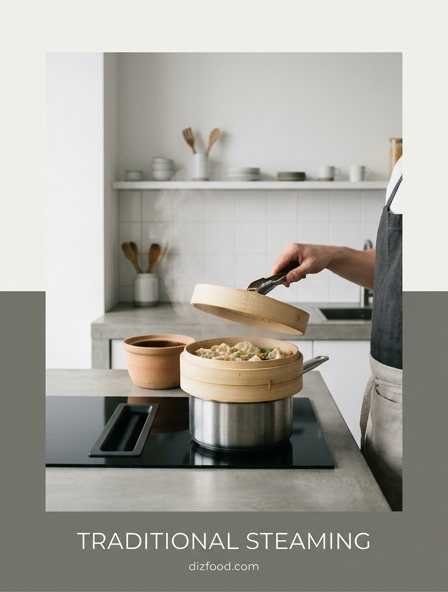
Embarking on a journey into traditional steaming requires very little investment, yet choosing the right tools can enhance the experience significantly. The most iconic tool is the bamboo steamer, which is favored for its ability to absorb excess moisture, preventing condensation from dripping back onto the food and making it soggy. For those looking for durability and ease of maintenance, stainless steel steamer inserts or multi-tiered electric units are excellent alternatives. These modern adaptations provide precise temperature control and can be integrated into any existing cookware set, making the transition to steam-based cooking accessible for everyone.
- Bamboo Steamers: Natural material, stackable, and aesthetically traditional.
- Metal Inserts: Adjustable "petal" designs that fit various pot sizes.
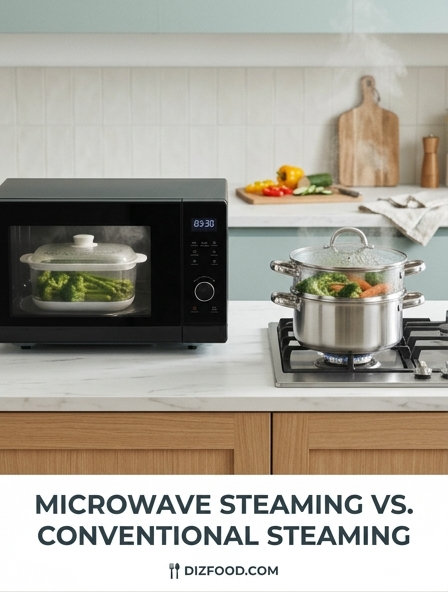
- Silicone Steamers: Flexible, microwave-safe, and easy to store in small kitchens.
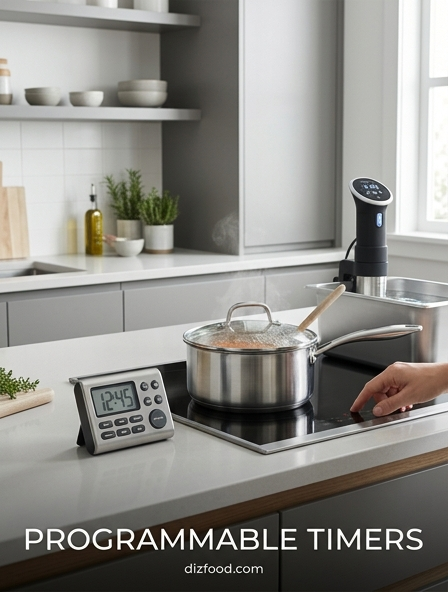
- Electric Tiered Steamers: Feature timers and automatic shut-off for hands-free cooking.
Regardless of the tool chosen, the fundamental principle remains the same: using the power of vapor to transform raw ingredients into nutritious meals. Each tool offers a slightly different advantage depending on the cook's specific needs and kitchen constraints.
Consistent Results and Texture
One of the greatest challenges in the kitchen is achieving consistent results, especially with delicate proteins or temperamental vegetables. Steaming removes much of the guesswork associated with high-heat methods. Because the temperature of steam is constant at the boiling point of water, the cooking environment is predictable and stable. This prevents the common issue of burning the exterior of a food item while the interior remains raw. Instead, the heat wraps around the ingredient, cooking it from all sides simultaneously and ensuring a uniform texture throughout the entire piece.
This reliability is particularly valuable for foods like eggs or custards, where even a slight fluctuation in temperature can cause curdling or rubberiness. With steaming, the moisture acts as a buffer, protecting the food from the harsh, direct heat of a flame or element. The result is consistently tender, moist, and perfectly cooked dishes every time the steamer is used. This predictability builds confidence in the kitchen, allowing even novice cooks to produce professional-quality results with ease and minimal monitoring.
Energy Efficient Kitchen Habits
In an era where energy conservation is increasingly important, steaming stands out as a highly efficient cooking method. Because it allows for vertical cooking through stacked tiers, multiple dishes can be prepared using a single heat source. This drastically reduces the amount of gas or electricity consumed compared to running several burners or preheating a large oven. Furthermore, steaming requires a relatively small amount of water to create the necessary vapor, which means the pot reaches the required temperature much faster than a large vat of water for boiling. These small savings in time and energy accumulate over the course of a year.
Additionally, the residual heat from the steaming water can be utilized for other kitchen tasks, such as loosening stubborn food on other pans or being allowed to cool and then used to water indoor plants. The overall footprint of a steamed meal is significantly lower than that of a multi-course dinner prepared in an oven. Adopting steaming as a primary cooking method is a simple but effective way to foster more sustainable and ecologically conscious kitchen habits without sacrificing the quality of the food produced.

Comments