
The Science of Clay Breathability
The fundamental characteristic of unglazed clay is its inherent porosity, a microscopic landscape of interconnected voids and channels. Unlike synthetic materials, clay is a semi-permeable substance that allows for a controlled exchange of air and moisture. This "breathability" is a result of the mineral composition and the firing process, which leaves the structural matrix open enough to facilitate gas diffusion. When heat is applied, the air trapped within these pores expands, creating a dynamic environment where the vessel interacts with its contents.
- Capillary action: The movement of liquid through the tiny channels within the clay.
- Gaseous exchange: The ability for oxygen and steam to permeate the vessel walls.
- Evaporative cooling: A natural regulation system that prevents localized overheating.
This biological-like interaction ensures that the cooking environment is never stagnant. By allowing the vessel to breathe, the clay acts as a secondary regulator of internal pressure. This specific scientific property differentiates natural earthenware from non-porous materials like glass or stainless steel, which seal the cooking environment completely, often leading to different culinary outcomes.
Moisture Absorption and Steam Regulation
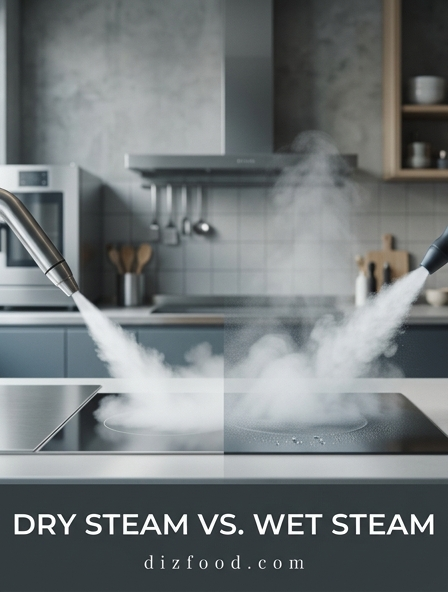
In a kitchen environment, managing moisture is critical for achieving professional-grade results. Porous clay excels at this by acting as a moisture reservoir. As steam rises during the cooking process, the clay walls absorb excess humidity, preventing it from turning into heavy droplets that fall back onto the food. This regulation creates a "dry steam" environment, which is highly prized for delicate textures.
| Feature | Porous Clay Effect |
|---|---|
| Excess Steam | Absorbed into vessel walls |
| Condensation | Minimized via capillary wicking |
| Hydration | Released back slowly as needed |
The regulation is bidirectional; if the interior becomes too dry, the moisture stored within the clay pores is released back into the cooking chamber. This self-correcting mechanism ensures a stable humidity level, which is particularly beneficial for long-simmered dishes or steaming delicate proteins. The result is a consistent atmosphere that protects the integrity of the ingredients throughout the entire thermal cycle.
How Porous Walls Prevent Soggy Textures
One of the primary frustrations in steaming is the accumulation of condensation, which often leads to soggy, waterlogged food. Porous walls solve this through a process of active wicking. When steam hits the interior surface of a porous clay vessel, the microscopic openings pull the moisture away from the surface. Instead of forming large beads of water that drip onto the ingredients, the moisture is dispersed throughout the body of the material.
- Prevents "rain" effect inside the steamer.
- Maintains a crisp or firm exterior on dumplings and buns.
- Allows for a more concentrated heat without liquid buildup.
This wicking action is especially important for starch-based foods. In a metal steamer, the lid often becomes a source of dripping water that ruins the texture of dough. In contrast, a porous lid absorbs that rising vapor. By managing the liquid-to-vapor ratio effectively, the porosity ensures that the food is cooked by the heat of the steam rather than being boiled by accumulated condensation. This distinction is vital for maintaining structural integrity in delicate culinary preparations.
Gentle Heat Retention for Even Cooking
Natural porosity does more than just move moisture; it significantly alters how heat is conducted through the vessel. The air pockets within the clay act as miniature insulators, slowing down the transfer of heat from the external source to the food. This creates a gentle, radiant heat rather than the aggressive, direct heat common with metal cookware. The thermal energy is distributed evenly across the entire surface area, eliminating the "hot spots" that can lead to unevenly cooked meals.
This steady heat retention is a hallmark of earthenware. Because the material is thick and filled with air, it absorbs energy slowly and radiates it back with high emissivity. Even after the heat source is reduced or removed, the vessel continues to provide a stable temperature. This is ideal for recipes that require precision, as it buffers the ingredients against sudden temperature fluctuations. The gentle nature of this heat ensures that the outer layers of the food do not overcook before the center has reached the desired temperature, resulting in a harmonious texture and flavor profile.
Micro-Circulation of Air and Water Vapor
The interior of a porous cooking vessel is never truly still. The porosity facilitates a process known as micro-circulation, where air and water vapor move through the walls and around the food in a subtle, continuous loop. As the clay releases stored moisture, it creates a gentle pressure that encourages steam to circulate more effectively than in a sealed, non-porous environment. This movement ensures that every surface of the food is exposed to consistent heat and hydration.
- Heat activates the moisture trapped in the clay pores.
- Vapor is released into the chamber at a microscopic level.
- The semi-permeable walls allow stale air to exit while maintaining heat.
This dynamic equilibrium prevents the "dead zones" of heat often found in traditional steaming setups. By encouraging this micro-circulation, the vessel ensures that the steam is not just sitting around the food, but actively moving. This movement helps in breaking down tough fibers and ensuring that seasonings are carried into the core of the ingredients, enhancing the overall efficiency of the cooking process without requiring high-pressure environments.
The Difference Between Clay and Metal Steaming
The choice between clay and metal for steaming involves a trade-off between speed and quality. Metal is a highly efficient conductor, heating up and cooling down almost instantly. However, this efficiency comes at the cost of stability and moisture control. Metal surfaces are impermeable, meaning all steam remains inside until it condenses into liquid water, which often compromises the texture of the food. Clay, with its natural porosity, offers a more tempered approach.
| Attribute | Metal Steamer | Porous Clay Steamer |
|---|---|---|
| Heat Type | Conductive/Direct | Radiant/Gentle |
| Moisture | Trapped (Condenses) | Regulated (Absorbed) |
| Flavor | Neutral/Metallic | Earth-enhanced |
Furthermore, metal can sometimes react with acidic ingredients, potentially altering the taste profile of a dish. Clay is naturally inert and, through its porous nature, helps in mellowing harsh flavors. While metal is suitable for quick tasks, the breathability of clay provides a superior environment for dishes where texture and subtle flavor development are the primary goals.
Enhancing Natural Flavors Through Porosity
The flavor-enhancing properties of porous clay are well-documented in traditional cuisines. Because the material allows for a slow exchange of gases, it prevents the buildup of sulfurous compounds and other volatile acids that can sometimes be trapped in a sealed pot. This "venting" at a microscopic level allows the clean, natural essence of the ingredients to shine through. The clay itself, being a mineral-rich material, can also contribute a subtle "earthy" depth to the food, often referred to as the "breath of the pot."
Moreover, the regulated moisture environment prevents the dilution of flavors. In non-porous vessels, excess condensation can wash away seasonings or juices, leading to a bland final product. In a porous vessel, the concentrated steam environment keeps the essential oils and juices within the food. The result is a more intense flavor profile where the ingredients are cooked in their own essences. This intensification is particularly noticeable in root vegetables, seafood, and poultry, where the natural sweetness and savory notes are preserved and heightened by the unique atmospheric conditions created by the clay's wall structure.
Achieving the Perfect Fluffy Grain Texture
Grains, particularly rice, are highly sensitive to the balance of water and heat. Porous clay is the ideal medium for achieving a fluffy, distinct grain texture because it manages the transition from hydration to steaming perfectly. As the grains absorb water, the clay walls manage the excess, ensuring the rice is never sitting in a pool of stagnant liquid once the primary absorption phase is complete. This prevents the grains from bursting or becoming mushy.
- Regulates internal pressure to prevent grain rupture.
- Wicks away excess surface starch during the final steam phase.
- Creates a "crust" option (tahdig/guoba) due to even heat distribution.
During the "resting" phase, the thermal inertia of the clay continues to steam the grains gently. The pores allow just enough steam to escape so that the rice firms up slightly, resulting in a texture that is soft yet possesses a distinct bite. This level of control is difficult to replicate in electric rice cookers or metal pots, where the lack of breathability often leads to uneven moisture distribution between the top and bottom layers of the grain bed.
The Role of Thermal Inertia in Steaming
Thermal inertia refers to the ability of a material to resist changes in temperature, a quality that porous clay possesses in abundance. This property is crucial for steaming, as it ensures that the cooking temperature remains constant even if the external heat source fluctuates. When you place a clay vessel over a flame, the material absorbs a massive amount of energy within its porous matrix. This energy is then released slowly and steadily, providing a "thermal cushion" for the food inside.
This slow-release mechanism is particularly beneficial for the delicate process of steaming. It allows for a gradual ramp-up in temperature, which is less stressful on the cellular structure of meats and vegetables. Once the desired temperature is reached, the thermal inertia maintains it with minimal effort. This efficiency means that once the pot is hot, it requires very little fuel to stay hot. The consistent environment provided by thermal inertia leads to more predictable cooking times and superior results, as the food is not subjected to the aggressive "on-off" cycling of heat common with thinner, less dense materials.
Maintaining Ideal Humidity for Better Results
The ultimate goal of using porous kitchen tools is the maintenance of an ideal humidity level. Humidity in a cooking vessel is not just about the presence of water; it is about the quality and density of the vapor. Porous clay ensures that the humidity remains in a "sweet spot"-high enough to cook the food thoroughly and prevent drying, but low enough to avoid the detrimental effects of oversaturation. This balance is what professional chefs strive for when using expensive combi-ovens.
- Pre-soaking the clay adds a "deep" moisture reserve.
- Heating triggers a controlled release of this stored hydration.
- The pores act as a safety valve for excess pressure and moisture.
Maintaining this ideal humidity is especially important for breads and pastries. The initial burst of steam from the clay pores allows the dough to expand fully before the crust sets, leading to better "oven spring." For proteins, this humidity ensures that the meat remains succulent and juicy. By leveraging the natural science of porosity, the home cook can achieve a level of atmospheric control that was once the exclusive domain of high-end industrial kitchen equipment.

Comments