
Choosing the right steaming equipment can elevate your home-cooked Asian cuisine from average to restaurant-quality, but the decision between a dim sum steamer and a fish steamer tray often boils down to your specific culinary habits. While the iconic bamboo dim sum steamer is a master of moisture regulation-absorbing excess steam to prevent dumplings from getting soggy-the elongated fish steamer tray is specifically engineered to accommodate whole fillets or large seafood without cramping their presentation. Whether you are looking for the rustic, stackable versatility of traditional wood baskets or the sleek, high-capacity durability of stainless steel, understanding how each tool manages heat and space is key to picking the perfect addition to your kitchen arsenal.
| Feature | Dim Sum Steamer (Bamboo) | Fish Steamer Tray (Metal) |
|---|---|---|
| Primary Material | Natural Bamboo / Reed | Stainless Steel / Aluminum |
| Shape & Size | Round, multi-tiered stackable | Oval or Rectangular, long profile |
| Best For | Dumplings, buns, and small bites | Whole fish, lobster, and large fillets |
| Moisture Control | Absorbs condensation; prevents drips | Non-porous; allows high-heat buildup |
| Maintenance | Hand wash; must air-dry thoroughly | Dishwasher safe; rust-resistant |
| Stovetop Fit | Fits over woks or standard pots | Requires oblong pan or large steamer |
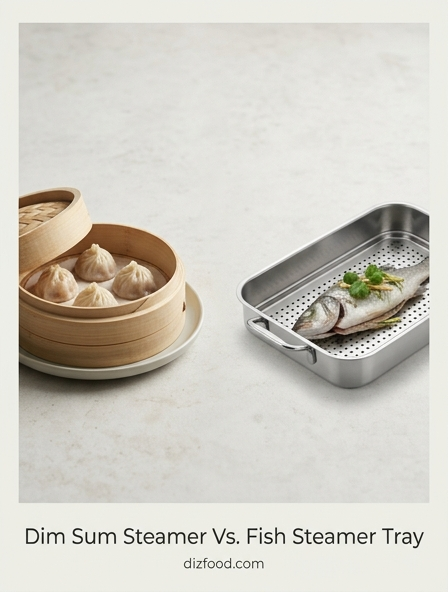
Dim Sum Steamer vs Fish Steamer Tray Key Differences
The primary distinction between a dim sum steamer and a fish steamer tray lies in their geometric design and intended culinary application. Dim sum steamers, traditionally crafted from bamboo, are characterized by their circular shape and interlocking tiered structure. This design facilitates vertical cooking, allowing chefs to prepare multiple small portions of dumplings or buns simultaneously by stacking the baskets. The porous nature of the bamboo also plays a functional role by absorbing excess moisture, which prevents the food from becoming soggy during the steaming process.
In contrast, a fish steamer tray is typically an elongated, oval-shaped vessel constructed from stainless steel. Its primary purpose is to accommodate the length of a whole fish, which would not fit within the constraints of a standard round basket without being decapitated or folded. Unlike the stackable nature of dim sum baskets, fish trays are usually single-level components designed to sit inside a large wok or a dedicated rectangular steaming pot. The focus here is on horizontal capacity rather than vertical volume.
| Feature | Dim Sum Steamer | Fish Steamer Tray |
|---|---|---|
| Shape | Round/Circular | Oval/Oblong |
| Primary Material | Bamboo or Stainless Steel | Stainless Steel or Ceramic |
| Configuration | Stackable Tiers | Single Tray |
| Moisture Control | High (Bamboo absorbs steam) | Low (Condensation collects) |
Choosing the Best Material Bamboo vs Stainless Steel
When selecting a steamer, the material determines not only the durability of the tool but also the flavor profile of the food. Bamboo is the gold standard for traditional dim sum. Its organic fibers allow the steam to breathe, and the woven lid prevents condensation from dripping back onto the delicate skins of dumplings. Many enthusiasts also appreciate the subtle, woody aroma that bamboo imparts to the food, which enhances the authentic dining experience. However, bamboo requires meticulous care to prevent mold and warping over time.
Stainless steel is the preferred material for fish steamer trays and modern dim sum units. Its non-porous surface is ideal for handling the strong odors associated with seafood, as it does not retain smells after a thorough wash. Stainless steel is also exceptionally durable and dishwasher-safe, making it a more practical choice for high-volume home kitchens. While it lacks the moisture-wicking properties of bamboo, it offers superior heat retention and a sterile cooking environment. Choosing between them often comes down to a trade-off between traditional aesthetics and modern convenience.
- Bamboo: Natural moisture regulation, traditional aroma, requires hand washing, prone to mold if not dried.
- Stainless Steel: Highly durable, odor-resistant, dishwasher safe, tends to collect more condensation on the lid.
- Hybrid Models: Some steamers feature stainless steel bodies with bamboo inserts to capture the benefits of both materials.
Design Comparison Round Baskets vs Oval Trays
The architecture of these two tools dictates the types of ingredients they can host. The round basket design of the dim sum steamer is optimized for "small eats." Because heat rises uniformly in a circle, round baskets ensure that every dumpling placed along the perimeter or in the center receives equal exposure to the steam. This shape is also highly efficient for storage, as round baskets can be nested or stacked to save vertical space in kitchen cabinets. The circular lid is typically woven in a way that allows a small amount of steam to escape, regulating internal pressure.
Oval trays are a direct response to the anatomy of aquatic proteins. A whole snapper or sea bass is naturally long and tapered, requiring a specialized footprint to ensure the entire fish is cooked evenly from head to tail. The oval shape allows the fish to lie flat, which is essential for presentation and for the even distribution of aromatics like ginger, scallions, and soy sauce. If a fish were forced into a round steamer, the tail would likely curl upward, leading to uneven cooking and a less professional presentation. Furthermore, fish trays often feature a raised rack that allows juices to drain into a reservoir below, preventing the protein from boiling in its own rendered liquids.
Steam Circulation and Heat Distribution Benefits
Steam dynamics vary significantly between these two vessels. In a tiered dim sum steamer, the goal is to move steam upward through multiple levels. Each basket has a slatted bottom that allows hot vapors to pass through the food and continue to the next level. This creates a temperature gradient where the bottom tier is the hottest and the top tier is slightly cooler. This allows a cook to sequence dishes, placing items that require more heat, like meat ribs, at the bottom and delicate crystal dumplings at the top.
Fish steamer trays operate on a more localized circulation pattern. Because they are generally used as a single layer, the steam must circulate rapidly around the entire surface area of the fish. Stainless steel trays often come with a heavy, domed lid that creates a high-pressure environment, trapping steam to penetrate the thickest part of the fish quickly. This intense heat is necessary to ensure the fish reaches a safe internal temperature without overcooking the thin exterior flesh. The heat distribution is focused horizontally, ensuring the head and the tail reach doneness simultaneously.
- Vertical Flow: Ideal for simultaneous cooking of different items.
- Pressurized Environment: Better for thick proteins and rapid cooking.
- Ventilation: Bamboo lids provide natural venting; steel lids require specific vent holes or offset placement.
Best Uses for Traditional Dim Sum Steamers
The versatility of the dim sum steamer extends far beyond just shrimp har gow. Its design is perfect for any food item that benefits from a gentle, moist heat environment. Because of the stacking capability, these steamers are the ultimate tool for meal prepping or hosting large gatherings where variety is key. The presentation value is also a significant factor; serving food directly in the bamboo basket is a hallmark of Cantonese tea house culture, keeping the food warm while it sits on the table.
- Dumplings and Gyoza: The most common use, ensuring skins stay tender and translucent.
- Bao Buns: The moisture-wicking bamboo prevents the dough from becoming waterlogged and heavy.
- Sticky Rice in Lotus Leaves: The steam penetrates the leaves to infuse the rice with herbal notes.
- Small Vegetable Portions: Ideal for steaming broccoli, bok choy, or snap peas without losing nutrients.
- Reheating Leftovers: A superior method to the microwave for maintaining texture in breads and grains.
Why a Fish Steamer Tray is Essential for Seafood
Cooking a whole fish is a centerpiece of many Asian cuisines, symbolizing abundance and prosperity. A dedicated fish steamer tray is essential because it respects the integrity of the ingredient. When steaming a whole fish, the goal is to achieve a silken texture that "flakes" away from the bone. This requires a vessel that can hold the fish entirely flat so that the heat can penetrate the spine evenly. An oval stainless steel tray also allows for the inclusion of a significant amount of liquid seasoning, such as a broth of seasoned soy sauce and hot oil, which can be poured directly over the fish once it is finished.
Furthermore, fish trays are designed to fit inside a wok or a large rectangular steamer base. The elevated rack inside the tray is a crucial feature; it lifts the fish above the water line, ensuring it is cooked by pure steam rather than being poached in water. This separation is vital for maintaining the delicate skin of the fish. For home cooks who enjoy preparing trout, snapper, or sea bass, the fish steamer tray is the only tool that provides the necessary length and drainage to achieve restaurant-quality results without damaging the delicate anatomy of the seafood.
Stackability vs Length Capacity for Kitchen Tasks
The choice between these two tools often depends on the constraints of your kitchen and the specific goals of your meal. Stackability is a major advantage for those with limited stovetop real estate. By building upward, you can cook a full three-course meal over a single burner. This vertical efficiency is unmatched by almost any other cooking method. However, this relies on the diameter of your pot matching the diameter of your baskets to ensure a tight seal and proper steam pressure.
Length capacity, on the other hand, solves a specific problem that stackable units cannot. In kitchen tasks involving long vegetables like asparagus or corn on the cob, or large proteins like a whole fish or a rack of ribs, length is the priority. A fish steamer tray offers the horizontal "real estate" necessary to lay these items out without crowding. While you cannot stack these trays effectively, their specialized shape makes them indispensable for specific, high-impact dishes that serve as the main course.
| Factor | Stackable Baskets | Long Trays |
|---|---|---|
| Space Efficiency | Excellent (Vertical) | Moderate (Horizontal) |
| Max Item Length | Limited by Diameter | High (Up to 16+ inches) |
| Variety of Items | High (Multiple tiers) | Low (Single layer) |
| Stovetop Footprint | Small | Large/Wide |
Maintenance and Durability of Steaming Tools
Proper maintenance is where the two types of steamers diverge most sharply. Bamboo steamers are organic and porous, meaning they require a "seasoning" period and careful cleaning. They should never be soaked in soapy water, as the wood can absorb the detergent. Instead, they should be rinsed with hot water and scrubbed with a soft brush. The most critical step for bamboo is the drying process; if stored while even slightly damp, they will develop mold and become unusable. With proper care, a high-quality bamboo steamer can last for several years, though the woven bases will eventually wear out.
Stainless steel fish trays and metal dim sum steamers are built for longevity. They are virtually indestructible and can withstand high-heat sterilization. Because they are non-porous, they can be cleaned with aggressive degreasers if necessary, which is helpful when dealing with oily fish residue. They are also immune to the warping and cracking that can plague wooden tools. For a busy kitchen that prioritizes hygiene and low-maintenance equipment, the durability of metal tools usually outweighs the aesthetic and moisture-control benefits of traditional bamboo. Regular inspection of the handles and the lid fit is all that is required to keep them in top working condition.
- Bamboo Care: Air dry completely, avoid soap, store in a well-ventilated area.
- Metal Care: Dishwasher safe, check for mineral buildup from hard water, dry to prevent water spots.
- Storage: Bamboo needs air; metal can be tucked away in dark cabinets.
Versatility for Dumplings Vegetables and Whole Fish
While each tool has a primary purpose, there is some overlap in their utility. A fish steamer tray can easily be used to steam a large batch of dumplings or buns if you do not mind them being arranged in a single layer. In fact, for very large dumplings like "Tang Bao," the flat surface of a fish tray can be quite useful. Similarly, large-diameter dim sum steamers (12 inches or more) can sometimes accommodate a small fish if it is curled slightly or the head is removed. However, these are compromises rather than ideal uses.
For vegetables, both tools perform well. A dim sum steamer is better for smaller items like sliced carrots or florets, as you can separate different types of vegetables by tier. A fish tray is superior for long stalks of broccoli or whole ears of corn. If you are a versatile cook, you might find that having both tools allows you to choose based on the volume of food. For example, a quick side dish of vegetables is best handled in a small bamboo basket, while a large family dinner featuring a steamed protein would necessitate the fish tray. Understanding the strengths of each ensures that you don't limit your culinary repertoire based on the shape of your equipment.
- Small Grains: Use bamboo with a liner for rice or quinoa.
- Root Vegetables: Use the fish tray for long sweet potatoes or parsnips.
- Seafood Medleys: Use tiered baskets for shrimp, scallops, and clams separately.
Final Verdict Which Steamer Fits Your Cooking Style
Deciding between a dim sum steamer and a fish steamer tray depends on your dietary habits and how you entertain. If your cooking style revolves around variety, appetizers, and small portions, the dim sum steamer is the clear winner. Its ability to cook multiple items at once and its beautiful table presentation make it a favorite for those who enjoy the "tapas-style" dining experience of Yum Cha. It is also the superior choice for those who frequently bake or reheat bread-based items, thanks to the moisture-regulating properties of bamboo.
However, if you are a seafood lover who prioritizes healthy, whole-food preparations, the fish steamer tray is an essential investment. It provides a level of professional results for whole-fish cooking that a round basket simply cannot match. It is also the more practical choice for those who value durability and ease of cleaning over traditional aesthetics. Many modern kitchens eventually find a place for both, but if you must choose one, start with the tool that matches the protein you cook most often. For most home cooks, the versatility of the tiered dim sum steamer offers more daily utility, while the fish tray remains a specialized tool for impressive, centerpiece-worthy meals.




Comments