
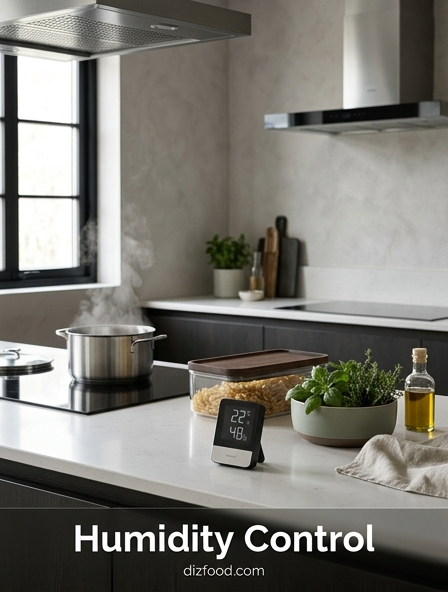
Science of Steam in Modern Ovens
The integration of steam in modern culinary technology has revolutionized how heat is transferred to food. Unlike dry air, which is a poor conductor of thermal energy, water vapor is highly efficient at moving heat. When steam enters the oven cavity, it moves rapidly toward cooler surfaces, which is almost always the food being cooked. As the vapor touches the surface of the food, it undergoes a phase change back into liquid water. This process releases latent heat, providing a massive energy boost that cooks the exterior faster and more evenly than convection alone.
Modern ovens utilize sophisticated sensors to manage the ratio of dry heat to moisture. This balance is critical because it dictates the rate of surface evaporation. By controlling the saturation levels, chefs can manipulate the texture of the outer layers while ensuring the core reaches its target temperature without losing internal moisture. This scientific approach eliminates the guesswork traditionally associated with roasting and baking, allowing for repeatable, high-quality results across various ingredients.
Achieving the Perfect Bread Crust
For artisan bakers, humidity control is the defining factor between a dull, hard loaf and a professional-grade crust. During the initial phase of baking, moisture is introduced to keep the dough's surface flexible. This allows for "oven spring," the final burst of expansion as the yeast reaches its peak activity before the heat sets the structure. Without high humidity, the crust would harden prematurely, restricting the volume of the bread and leading to internal cracks.
- Starch Gelatinization: Steam allows starches on the surface to absorb water and swell, creating a thin, gelatinous layer.
- Maillard Reaction: The moisture facilitates the breakdown of proteins and sugars, which eventually caramelize into a deep, glossy brown.
- Crust Thickness: By adjusting the duration of steam, bakers can control whether the crust is thin and crackly or thick and chewy.
Once the oven spring is complete, the steam must be vented. This transition allows the dry heat to evaporate the surface moisture, resulting in the characteristic "crunch" that defines high-quality sourdough and baguettes.
Retaining Moisture in Roasted Meats
Roasting meat in a traditional dry oven often leads to significant weight loss and dry fibers due to evaporative cooling and moisture migration. When the air is dry, the moisture inside the meat is drawn to the surface and evaporated, a process that continues until the exterior becomes tough and dehydrated. By introducing controlled humidity, the rate of evaporation is significantly reduced, which preserves the natural juices and fats within the muscle fibers.
| Meat Type | Humidity Level | Culinary Benefit |
|---|---|---|
| Whole Poultry | Medium (40-60%) | Juicy breast meat with rendered, crispy skin. | Beef Roasts | Low to Medium (20-40%) | Reduced shrinkage and even edge-to-edge pinkness. |
| Pork Belly | High to Low (Stage) | Tender fat rendering followed by crackling skin. |
Utilizing humidity control also shortens cooking times. Because moist air transfers energy more effectively than dry air, the internal temperature of large roasts rises more efficiently, ensuring the meat remains tender and succulent.
Understanding Relative Humidity Levels
Relative Humidity (RH) is a measure of how much water vapor the air is currently holding compared to the maximum amount it could hold at that specific temperature. In the kitchen, understanding RH is vital because the air's capacity for moisture increases as the temperature rises. An oven at 300°F requires significantly more water vapor to reach 50% humidity than an oven at 100°F. This relationship dictates how quickly food dries out during the cooking process.
When the RH is high, the "vapor pressure" around the food is high, which prevents the moisture inside the food from escaping. Conversely, in low RH environments, the dry air acts like a sponge, pulling moisture from the ingredients. Precise control over these levels allows for specialized techniques like slow-cooking and proofing. For instance, proofing dough requires an RH of approximately 75% to 85% to prevent a skin from forming, while roasting requires much lower levels to facilitate browning and crisping of the exterior.
Benefits of Combi Steam Technology
Combi steam technology represents the pinnacle of modern kitchen versatility, combining the functions of a convection oven and a steamer into a single unit. These appliances offer three primary modes: convection, steam, and a "combi" mode that blends both. This flexibility allows chefs to execute complex cooking profiles that were previously impossible with domestic equipment. The ability to switch between dry and moist environments within a single cooking cycle opens new doors for culinary creativity.
- Precision Reheating: Steam prevents leftovers from drying out, restoring the original texture of pasta and grains.
- Defrosting: Controlled steam provides a gentle way to thaw frozen foods without starting the cooking process.
- Nutrient Retention: Steaming at precise temperatures preserves vitamins and minerals that are often lost in boiling water.
Beyond texture and nutrition, combi ovens are highly efficient. The increased heat transfer rate of steam reduces overall energy consumption and speeds up service in high-volume environments, making them indispensable in professional and gourmet home kitchens alike.
Pastry Perfection Through Moisture Control
The delicate world of pastry relies heavily on the interaction between fats, flours, and water. Humidity control is the secret weapon for achieving the ethereal layers of a croissant or the hollow airiness of a cream puff. In puff pastry, the steam generated from the water content in the butter layers pushes the dough upward. If the oven environment is too dry, the surface sets before the interior can fully expand, resulting in a dense, heavy pastry that lacks the desired flake.
For choux pastry, high humidity is essential during the first half of the bake. It prevents the shell from cracking and allows the dough to expand to its maximum volume. Once the structure is established, a dry phase is introduced to "fix" the shape and provide a crisp finish. Managing this transition requires an oven that can quickly vent moisture and switch to a dry convection mode. This duality ensures that the pastry is light and crisp on the outside while remaining perfectly cooked and tender on the inside.
Enhancing Vegetable Texture with Steam
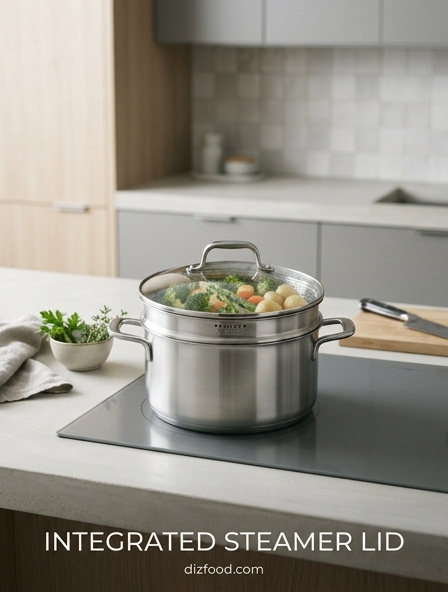
Traditional methods of cooking vegetables, such as boiling, often lead to a loss of color, flavor, and structural integrity. Steam technology offers a superior alternative by using moisture to cook the vegetables without immersing them in liquid. This preserves the water-soluble vitamins and the vibrant chlorophyll that gives greens their appeal. By controlling the humidity and temperature, chefs can achieve a perfect "al dente" texture where the vegetable is tender but still retains a satisfying snap.
- Root Vegetables: Steaming prevents carrots and beets from becoming waterlogged, concentrating their natural sugars.
- Cruciferous Vegetables: Broccoli and cauliflower maintain their florets' shape and avoid the mushy texture common in over-boiling.
- Leafy Greens: Brief exposure to high-humidity steam wilts greens perfectly while maintaining their bright color.
Modern steam ovens also allow for low-temperature steaming, which is ideal for delicate items like asparagus or peas. This precision ensures that the cell walls of the vegetables do not collapse, resulting in a superior mouthfeel and aesthetic presentation on the plate.
Precise Temperature and Humidity Calibration
The accuracy of humidity control depends on the sophisticated calibration of sensors and heating elements. In high-end kitchen equipment, oxygen sensors or humidity probes monitor the air composition in real-time. These sensors detect the amount of moisture released by the food itself and adjust the steam injection or venting accordingly. This feedback loop is essential for maintaining a stable environment, especially when the oven door is opened or when cooking items with high water content.
Calibration is particularly important for sensitive dishes like custards and cheesecakes. These items require a high-humidity environment-traditionally achieved via a water bath-to prevent the surface from cracking. A calibrated steam oven can mimic the effects of a water bath by maintaining a constant 90% to 100% relative humidity at a precise, low temperature. This level of control ensures that the proteins in the eggs coagulate gently and evenly, resulting in a silky, smooth texture without the logistical hassle of heavy, water-filled trays.
Troubleshooting Common Humidity Issues
Mastering humidity control involves recognizing when the balance is off and knowing how to correct it. One of the most common issues is excessive condensation, which can lead to "soggy" results or a lack of browning. If a roast is not developing a crust despite high temperatures, the humidity level is likely too high for the final stage of cooking. Conversely, if baked goods are coming out dry or crumbly, the moisture was likely introduced too late or in insufficient quantities.
Another common problem is the "stale bread" effect during reheating. This occurs when dry heat evaporates the remaining moisture in the starch granules. Adding a small amount of steam during the reheating process can "re-gelatinize" the starches, making the food taste fresh again. For those using manual steam injection, timing is everything. Injecting steam too early in the preheating phase often results in it condensing on the cold oven walls rather than interacting with the food. Understanding these nuances allows cooks to pivot and adjust their techniques for consistent excellence.
Advanced Techniques for Home Chefs
For the ambitious home chef, advanced humidity control opens up a world of professional techniques, such as bagless sous-vide. By setting a combi oven to a precise low temperature with 100% humidity, chefs can mimic the results of a traditional water circulator without the need for plastic bags. This method is ideal for delicate fish or vegetables that might be crushed by vacuum sealing. The constant moisture ensures that there is no evaporation, keeping the food at the exact target temperature indefinitely.
Another advanced technique is "stage cooking," where the humidity levels are programmed to change automatically throughout the cooking duration. For example, a chef might start a roast with high humidity to cook the interior evenly, then switch to a dry, high-heat convection phase to develop a crust, and finally finish with a short burst of steam to add a glossy sheen. Mastering these multi-stage profiles allows for a level of precision that transforms home cooking into a true culinary art, rivaling the output of professional restaurant kitchens.

Comments