
If you're serious about clean eating, upgrading to a glass electric steamer is the ultimate non-toxic move for your kitchen. Unlike traditional plastic steamers that can leach harmful chemicals like BPA into your meals under high heat, tempered glass provides a naturally inert and safe cooking environment. This means your vibrant vegetables and delicate proteins retain their natural flavors and nutrients without any metallic or plasticky aftertaste. Plus, the transparent design allows you to monitor your food perfectly while keeping the steam sealed in for efficient cooking. To help you decide on the best appliance for your home, it is essential to understand the health benefits of a Glass Electric Steamer Vs. Plastic Electric Steamer.
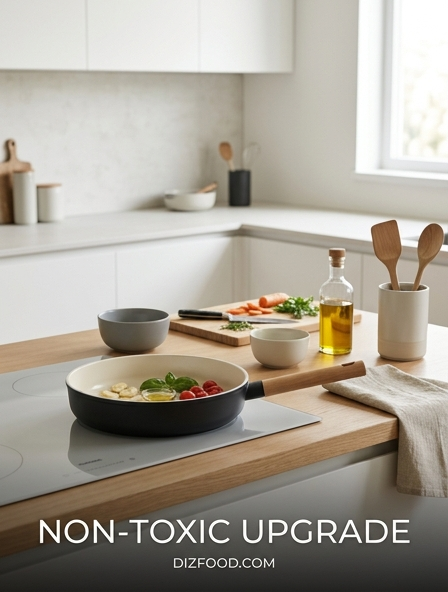
The Dangers of Plastic Heat Exposure
Modern kitchens are often filled with plastic containers and utensils that pose significant health risks when subjected to high temperatures. When plastic is heated, the molecular bonds begin to break down, causing harmful endocrine-disrupting chemicals to migrate directly into your food. This process, known as leaching, occurs even with products labeled as "microwave safe," as these labels often refer to the plastic's ability to maintain its shape rather than its chemical stability.
- Bisphenol A (BPA): A well-known synthetic compound linked to hormonal imbalances and reproductive issues.
- Phthalates: Used to make plastics flexible, these can interfere with metabolic functions and developmental health.
- Styrene: Often found in food packaging, this compound can leach into hot liquids and is classified as a possible carcinogen.
- Antimony: A heavy metal used in the production of PET plastics that can migrate into food during heating cycles.
Over time, frequent exposure to these substances through heated plastic storage and cooking tools can lead to bioaccumulation in the human body. Transitioning to heat-stable materials is a critical step in reducing the daily toxic load on your endocrine system and ensuring long-term wellness for your household.
Pure Borosilicate Glass for Chemical Free Cooking
Borosilicate glass stands as the gold standard for health-conscious individuals looking to eliminate chemical exposure in the kitchen. Unlike standard soda-lime glass, borosilicate contains boron trioxide, which allows it to withstand extreme temperature fluctuations without cracking or shattering. This thermal shock resistance makes it ideal for moving from the refrigerator to a preheated oven safely. More importantly, it is a completely inert material, meaning it does not react with acidic or alkaline foods, ensuring that no unwanted substances are introduced into your meals during the cooking process.
This material is non-porous, which prevents the absorption of food particles, odors, or bacteria that often plague plastic and lower-quality metal cookware. By choosing pure borosilicate glass, you are investing in a surface that remains pristine and chemically stable regardless of how many times it is used or washed. It provides a level of purity that is unmatched by synthetic alternatives, offering peace of mind that the only ingredients in your food are the ones you purposefully added. Its durability ensures that it won't scratch or degrade, maintaining its protective properties for a lifetime of healthy cooking.
Retaining Essential Vitamins and Minerals
The choice of cookware plays a vital role in the nutritional density of your meals. Many traditional cooking surfaces can reach temperatures or trigger chemical reactions that degrade sensitive micronutrients. Non-reactive glass cookware facilitates a gentle heating environment that helps preserve the integrity of vitamins and minerals. Because glass does not require excessive fats or oils to prevent sticking once properly managed, it supports lower-fat cooking methods that keep heart-healthy nutrients intact.
- Vitamin Preservation: Water-soluble vitamins like B and C are less likely to be lost when cooking in non-reactive environments.
- Mineral Stability: Essential minerals like iron and magnesium remain in the food rather than reacting with the surface of the pan.
- Antioxidant Retention: Phytochemicals found in colorful vegetables are better preserved when heat is distributed evenly through glass.
By using glass, you ensure that the effort you put into selecting organic, high-quality ingredients is not wasted. The stable environment allows for shorter cooking times and less moisture loss, keeping your food both flavorful and nutritionally potent. This holistic approach to food preparation maximizes the health benefits of every meal you serve.
Why Glass Beats Stainless Steel and Plastic
When comparing the most common kitchen materials, glass consistently emerges as the superior choice for safety and purity. While stainless steel is often touted as durable, it can leach heavy metals like nickel and chromium into acidic foods, such as tomato sauces. Plastic, on the other hand, is susceptible to melting and chemical migration. Glass provides a completely neutral environment that protects the biological profile of your ingredients.
| Feature | Borosilicate Glass | Stainless Steel | Plastic |
|---|---|---|---|
| Chemical Leaching | Zero | Low to Moderate | High |
| Flavor Purity | Excellent | Metallic Potential | Residual Odors |
| Sustainability | Infinite | High | Low |
The transparency and non-reactive nature of glass make it the only material that offers a "what you see is what you get" experience. It avoids the hidden risks of metallic aftertastes and the microscopic chemical breakdown associated with polymers, making it the most reliable companion for a truly non-toxic kitchen.
Enhanced Flavor Without Metallic Aftertaste
Culinary enthusiasts often find that the taste of their food is subtly altered by the vessels they use for preparation. Cast iron and certain grades of stainless steel can impart a distinct metallic tang, especially when cooking acidic ingredients like lemon, vinegar, or wine. This occurs because the acid reacts with the metal surface, pulling ions into the food. Glass, being chemically inert, ensures that the flavor profile of your dish remains exactly as intended, highlighting the natural sweetness and complexity of your ingredients.
Furthermore, because glass is non-porous, it does not retain flavors from previous meals. In plastic containers, spicy or pungent ingredients like garlic and chili can permeate the material, tainting future dishes with unwanted ghost flavors. Glass provides a fresh start every time you cook, allowing for delicate nuances in flavor to shine through. Whether you are brewing a delicate herbal tea or simmering a complex bone broth, glass provides a clean canvas that respects the integrity of your palate. This purity of taste is not just a luxury; it is a hallmark of high-quality, toxin-free cooking that honors the natural essence of fresh produce.
Visual Cooking Control for Better Results
One of the most practical advantages of using glass in the kitchen is the ability to monitor your food throughout the entire cooking process without disturbing the temperature. Traditional opaque pots and pans require you to lift the lid to check on the progress, which releases steam, heat, and essential moisture. This can lead to uneven cooking and longer preparation times. With glass, you have a 360-degree view of your meal, allowing for precision that other materials simply cannot match.
- Precision Monitoring: Easily see when water reaches a boil or when grains have fully absorbed liquid.
- Perfect Texture: Watch for color changes in sauces to prevent scorching or over-reduction.
- Steam Retention: Keep the lid closed to maintain the ideal pressure and moisture level for succulent results.
Visual control reduces the likelihood of burning food, which not only ruins the taste but can also create harmful acrylamides and charred compounds. By being able to see exactly what is happening inside the vessel, you can adjust the heat at the perfect moment, resulting in better textures, vibrant colors, and superior nutritional retention in every dish.
Eco Friendly Benefits of Durable Glass
Upgrading to glass is not only a health decision but also a significant commitment to environmental sustainability. Plastic kitchenware is a major contributor to global waste, often ending up in landfills where it takes hundreds of years to decompose. Even recycled plastic has a finite lifecycle before it degrades in quality. Glass, however, is a 100% recyclable material that can be processed indefinitely without losing its purity or strength. By choosing durable borosilicate glass, you are opting for a product that can last for decades.
The longevity of glass means fewer replacements, which reduces the carbon footprint associated with manufacturing and shipping new kitchen products. Furthermore, because glass is made from abundant natural raw materials like sand, its production is generally less environmentally damaging than the extraction of petroleum for plastics or the heavy mining required for certain metals. Investing in high-quality glass cookware encourages a "buy less, buy better" philosophy. This shift toward a circular economy helps protect our oceans and wildlife from plastic pollution while ensuring that your kitchen remains a safe, sustainable sanctuary for generations to come.
Simplified Cleanup and Dishwasher Safety
Maintaining a non-toxic kitchen should not result in extra labor. Glass cookware is exceptionally easy to clean due to its smooth, non-porous surface. Unlike non-stick pans that can flake or peel over time, or stainless steel that may require aggressive scrubbing to remove burnt-on residue, glass releases food particles easily with standard soaking. This ease of maintenance ensures that you aren't leaving behind microscopic food waste that could harbor bacteria or mold.
- Dishwasher Compatibility: High-quality glass is designed to withstand the high temperatures and high-pressure sprays of modern dishwashers.
- Scratch Resistance: You can use various scrubbers without worrying about creating grooves where pathogens can hide.
- Stain Prevention: Even highly pigmented foods like turmeric or beets will not stain the clear surface of borosilicate glass.
The ability to sanitize glass at high temperatures provides an added layer of hygienic safety. Because the material does not degrade when exposed to harsh detergents or heat cycles, it remains as clear and safe as the day you bought it. This combination of convenience and cleanliness makes glass the most practical choice for busy, health-conscious households.
Preventing Microplastic Contamination in Food
Recent scientific studies have highlighted a growing concern: the presence of microplastics in our food supply. These tiny plastic particles, often invisible to the naked eye, are shed from plastic cutting boards, storage containers, and utensils during everyday use. When you use plastic tools to stir hot soups or store leftovers, you are inadvertently seasoning your food with polymer fragments. These particles can bypass the body's natural filtration systems, entering the bloodstream and accumulating in vital organs.
By eliminating plastic from your cooking and storage routines, you create a definitive barrier against this form of physical contamination. Glass does not shed microparticles or fibers, regardless of how much it is heated, frozen, or washed. This transition is particularly important for households with children, as developing bodies are more sensitive to the foreign compounds found in plastics. Removing the source of microplastics in your kitchen is one of the most effective ways to lower your family's overall plastic body burden. Glass offers a clean, reliable alternative that ensures your meals are free from hidden "plastic ingredients," protecting your health at a cellular level.
The Future of Non Toxic Kitchen Appliances
As consumer awareness regarding chemical exposure grows, the industry is shifting toward more transparent and safe materials. The future of kitchen appliances lies in the integration of traditional glass with modern technology. We are seeing a surge in glass-bodied electric kettles, blenders with heavy-duty glass pitchers, and even air fryers with glass viewing windows. These innovations aim to provide the convenience of modern cooking without the "plastic tax" on our health.
- Smart Glass Integration: New appliances feature glass interfaces that are easy to clean and free from toxic adhesives.
- Modular Design: Future tools focus on replaceable glass components to extend the lifespan of the appliance.
- Heated Glass Tech: Advances in ceramic and glass heating elements eliminate the need for metallic coils in contact with food.
This movement represents a return to material purity, driven by a demand for longevity and wellness. As we look forward, the non-toxic kitchen will be characterized by appliances that prioritize glass for all food-contact surfaces. By supporting these innovations today, we pave the way for a standard of living where our domestic tools are as healthy as the organic food we prepare within them.

Comments