
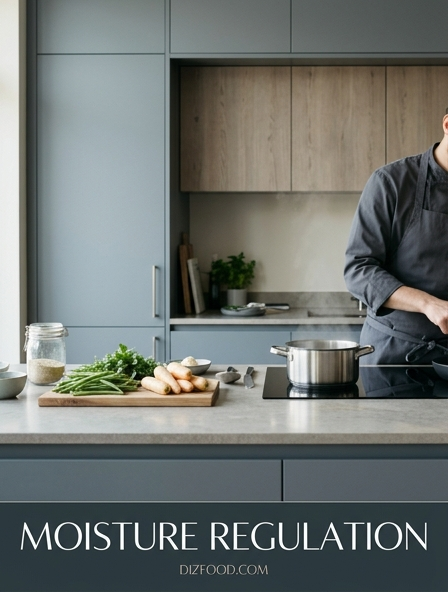
Mastering Precision Humidity Control
In the modern culinary landscape, the ability to manipulate the atmospheric moisture within an oven is as critical as controlling the temperature itself. Precision humidity control allows chefs to dictate the rate of evaporation from the surface of the food, which directly influences the cooking time and the final quality of the dish. When the environment is saturated with moisture, the thermal conductivity of the air increases, facilitating a faster and more uniform heat transfer compared to dry air.
Maintaining the ideal equilibrium requires an understanding of how different humidity levels interact with various ingredients. High humidity prevents the surface of proteins from drying out prematurely, while controlled low humidity is essential for creating crisp textures. Professionals utilize integrated sensors to monitor the relative humidity, ensuring that the cooking chamber remains at the exact set point throughout the process. This level of control is what separates traditional convection cooking from advanced moisture-regulated techniques.
- Prevents significant weight loss in roasted meats.
- Ensures uniform heat distribution across the oven cavity.
- Reduces the overall cooking time by utilizing latent heat.
- Allows for simultaneous cooking of different food types without flavor transfer.
The Role of Steam Saturation
Steam saturation refers to the point at which the air in the cooking chamber can no longer hold additional water vapor. In a commercial kitchen, managing this saturation point is vital for tasks ranging from blanching vegetables to proofing bread. When steam is injected into a sealed environment, it displaces the oxygen and creates a high-energy atmosphere that surrounds the food. This process is highly efficient because water vapor carries more thermal energy than dry air at the same temperature.
The transition between wet steam and dry steam defines the versatility of the appliance. Wet steam, occurring at 100°C, is perfect for gentle poaching, whereas superheated or dry steam can exceed these temperatures to brown surfaces while maintaining an internal moisture barrier. Understanding these phases allows for greater flexibility in menu development and execution.
| Steam Type | Temperature Range | Primary Culinary Use |
|---|---|---|
| Low-Temp Steam | 30°C - 90°C | Sous-vide, poaching, melting |
| Saturated Steam | 100°C | Vegetables, rice, shellfish |
| Superheated Steam | 120°C - 250°C | Roasting, glazing, puffing |
Texture Optimization Through Moisture
Achieving the perfect texture is a delicate balance between applying heat and managing the rate of dehydration. In baking, for instance, a burst of humidity at the start of the cycle is essential for "oven spring." The moisture keeps the dough's surface pliable, allowing it to expand fully before the crust hardens. Without this regulation, bread would remain dense and develop a dull, cracked exterior. Conversely, towards the end of the bake, reducing humidity is necessary to achieve a golden, crunchy crust through the Maillard reaction.
For roasted items, moisture regulation ensures that the exterior does not become tough or leathery. By keeping the humidity high during the initial phase, the connective tissues in meats break down more effectively without the outer layers becoming over-charred. This technique results in a product that is tender on the inside yet perfectly rendered on the outside, showcasing the transformative power of water vapor on food structures.
- Inject steam during the first five minutes of baking for maximum volume.
- Maintain 30% humidity for poultry to keep the skin thin and crisp.
- Use 100% humidity for root vegetables to ensure a creamy internal texture.
Preserving Natural Nutrients and Flavors
Traditional boiling often leads to the leaching of essential vitamins and minerals into the water, which are subsequently discarded. Moisture regulation through steaming provides a superior alternative by surrounding the food with vapor, which cooks the ingredient without submerging it. This method preserves the water-soluble vitamins, such as Vitamin C and B-complex, which are highly sensitive to heat and immersion. Furthermore, the natural pigments in vegetables, like chlorophyll and carotenoids, remain vibrant, resulting in a more visually appealing plate.
Flavor retention is equally improved when humidity is strictly controlled. Because the food is not being diluted by excess liquid, its natural sugars and aromatic compounds stay concentrated within the cell walls. This creates a more intense taste profile that requires less supplemental seasoning or salt. The controlled environment also prevents the oxidation of delicate fats, ensuring that the natural oils in fish and nuts do not turn rancid during the cooking process, thus maintaining the integrity of the ingredient.
Preventing Overcooking With Humidity
One of the most significant challenges in high-volume cooking is the narrow window between "perfectly done" and "overcooked." Humidity regulation acts as a buffer in this process. By increasing the moisture content in the air, the "wet-bulb" temperature of the food is lowered relative to the "dry-bulb" temperature of the oven. This evaporative cooling effect slows down the internal temperature rise of the food, providing the chef with more control and a wider margin for error.
When cooking delicate items like custards or terrines, a humid environment mimics the effects of a traditional bain-marie but with much greater consistency. The moisture prevents the edges from setting too quickly or curdling before the center is cooked. In meat preparation, a high-humidity environment prevents the muscle fibers from contracting too violently, which would otherwise squeeze out the internal juices. The result is a more uniform doneness from edge to edge, reducing the "gray ring" often found in dry-roasted meats.
Achieving Consistent Professional Results
In a commercial setting, consistency is the hallmark of quality. Advanced moisture regulation systems allow for the creation of multi-stage cooking programs that can be replicated perfectly by any staff member. By quantifying the exact amount of steam needed for each recipe, kitchens can eliminate the guesswork associated with traditional ovens. This standardization ensures that every roast, loaf of bread, or batch of vegetables meets the same high standard, regardless of who is operating the equipment.
Modern combi-ovens utilize sophisticated algorithms to adjust the moisture levels based on the load size. Whether the oven is half-empty or completely full, the sensors detect the change in vapor pressure and adjust the steam output accordingly. This automated calibration is essential for maintaining throughput without sacrificing quality. The ability to save these precise humidity profiles into a digital library allows for a seamless transition between different menu items throughout the service day, maximizing efficiency and minimizing waste.
The Impact of Vapor Pressure
Vapor pressure is a fundamental physical concept that dictates how moisture moves within the kitchen environment. When the vapor pressure in the oven air is higher than the pressure within the food, moisture is pushed into the product, or at least prevented from escaping. This is the core principle behind steam-assisted roasting. By increasing the external vapor pressure, you effectively seal the food's natural juices inside, resulting in a significantly higher yield and a juicier final product.
Understanding the relationship between temperature and vapor pressure allows for the manipulation of surface textures. For example, a high-pressure steam environment can gelatinize the starches on the surface of a bagel or pretzel, creating a signature glossy finish that is impossible to achieve in a dry oven. By managing these pressures, chefs can influence the chemical reactions occurring at the molecular level, allowing for creative textures and finishes that elevate a dish from standard to exceptional through the laws of thermodynamics.
Balancing Heat and Water Content
The synergy between heat and water content is what defines the "micro-climate" of the oven. A common mistake is assuming that more steam is always better; however, the true skill lies in the balance. Too much moisture during a roasting cycle can lead to "soggy" results where the meat appears boiled rather than roasted. Conversely, too little moisture in a baking cycle leads to a thick, impenetrable crust. The ideal balance is found by adjusting the percentage of steam relative to the fan speed and temperature.
For complex dishes like beef Wellington, the chef must balance the need to cook the meat medium-rare while ensuring the pastry is crisp and dry. This requires a two-phase approach: high humidity initially to transfer heat to the core of the beef, followed by a rapid dehumidification phase to crisp the puff pastry. Mastering this transition is the pinnacle of moisture regulation, requiring an intimate knowledge of how the specific appliance handles the venting of excess steam and the introduction of dry, heated air.
Advanced Steam Oven Calibration
To maintain the integrity of moisture regulation, regular calibration of the equipment is mandatory. Over time, mineral deposits from hard water can clog steam injectors or coat humidity sensors, leading to inaccurate readings and inconsistent cooking. A professional maintenance routine should include descaling the steam generator and verifying that the internal hygrometers are functioning correctly. Without accurate data, the oven cannot make the micro-adjustments necessary for precision cooking.
Calibration also involves testing the oven's seal. A worn door gasket can allow steam to escape, creating cold spots and reducing the overall vapor pressure. Chefs should perform regular "steam tests" to ensure the cavity is airtight. By keeping the hardware in peak condition, the kitchen ensures that the programmed humidity percentages reflect the reality inside the chamber, preserving the reliability of the cooking process and extending the lifespan of the expensive culinary technology.
- Daily: Wipe down sensors and check gaskets.
- Weekly: Run the automated cleaning and descaling cycle.
- Monthly: Verify steam output against a secondary thermometer.
- Yearly: Professional service for internal plumbing and electronics.
Refining Texture in Delicate Proteins
Delicate proteins, such as scallops, sea bass, or eggs, require a gentle touch that dry heat simply cannot provide. Moisture regulation allows for "low-temperature steaming," a technique that mimics sous-vide but with the added benefit of surface interaction. By setting the humidity to 100% and the temperature to exactly 62°C, a chef can produce eggs with a custard-like yolk and tender whites every time. This precision prevents the proteins from denaturing too quickly and becoming rubbery.
When working with fish, moisture-regulated environments prevent the albumin from leaking out and forming unsightly white bubbles on the surface. The steam provides a protective envelope that cooks the fish evenly, preserving its flakey structure and translucent appearance. This method is particularly effective for large-scale catering, where maintaining the quality of hundreds of fillets is a logistical challenge. The controlled humidity ensures that even if there is a slight delay in service, the proteins remain moist and succulent under the holding lights.

Comments