
Butcher Block vs. Marble: Choosing Your Ideal Kitchen Workspace
Choosing between the rustic warmth of a butcher block and the timeless elegance of marble can feel like a culinary tug-of-war for your kitchen renovation. While butcher block offers a forgiving, knife-friendly surface perfect for heavy-duty chopping and organic food prep, marble provides a naturally cool, heat-resistant workspace that serves as a professional baker's dream. This comparison explores the essential trade-offs between these two premium materials, helping you decide whether you prefer the living, evolving finish of wood or the sophisticated, high-maintenance luxury of natural stone for your primary prep zone.
| Feature | Butcher Block | Marble |
|---|---|---|
| Primary Use | Direct chopping, dicing, and heavy food prep. | Baking, pastry work, and high-end aesthetics. |
| Durability | High impact resistance; prone to scratches/burns. | Hard but brittle; susceptible to chipping and etching. |
| Maintenance | Monthly oiling; sanding for deep scratches. | Annual sealing; immediate cleanup of acids/oils. |
| Heat/Moisture | Low heat resistance; prone to water damage. | Excellent heat resistance; porous to liquids. |
| Average Cost | $30 - $150 per sq. ft. | $75 - $250+ per sq. ft. |
| Lifespan | 20+ years (with proper re-sanding). | 50+ years (with professional sealing). |
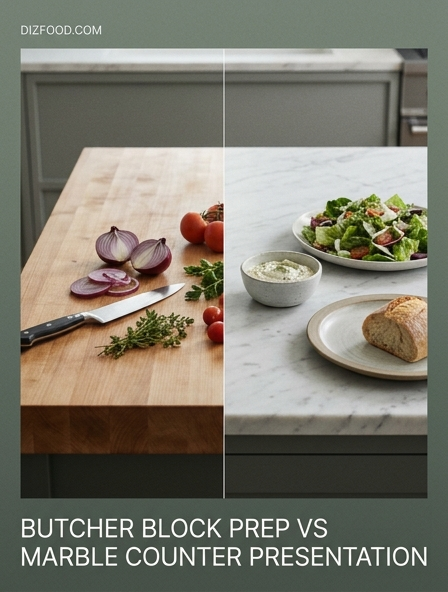
Butcher Block Prep vs Marble Counter Presentation
In the world of high-end kitchen design, the tension between raw utility and refined elegance is often personified by the choice between butcher block and marble. Butcher block serves as the ultimate workhorse, a surface designed to be marked, sliced upon, and integrated into the physical act of cooking. It represents the "back of house" energy, where ingredients are transformed through labor. In contrast, marble represents the "front of house" sophistication. Its cool, polished surface is less about the violence of the knife and more about the grace of the display. While a butcher block thrives under the pressure of a cleaver, marble excels as a stage for finished dishes, artisanal cheeses, and delicate pastries.
Choosing between these two materials-or finding a way to balance them-requires an understanding of how a kitchen functions as both a laboratory and a showroom. The butcher block is tactile and forgiving, absorbing the shock of repetitive tasks, whereas marble is a statement piece that commands attention through its unique veining and luminous quality. Designers often struggle with the trade-off: do you prioritize the rugged practicality of wood or the timeless, cold beauty of stone? The modern culinary space frequently solves this by zoning, using wood for the heavy-duty preparation phases and marble for the final presentation and social interaction phases of a meal. This duality allows a kitchen to be both a professional-grade workspace and a luxurious environment for entertaining guests.
Functional Benefits of Wood for Food Preparation
Wood is uniquely suited for the rigors of food preparation due to its cellular structure. Unlike stone or metal, wood possesses a natural elasticity that protects the edge of a chef's knife. When a blade strikes a wooden surface, the fibers part slightly and then close back up, a process often referred to as the "self-healing" property of end-grain blocks. This prevents the blade from dulling prematurely, making it the preferred choice for those who invest heavily in high-carbon steel cutlery. Furthermore, wood provides a stable, non-slip surface that makes complex butchery or vegetable prep safer and more efficient.
- Antimicrobial Properties: Natural tannins and the porous nature of wood trap bacteria, wicking moisture away and causing the microbes to dehydrate and die.
- Knife Longevity: The relative softness of wood compared to stone ensures that expensive blades maintain their "bite" for longer periods between sharpenings.
- Noise Reduction: Wood absorbs sound waves rather than reflecting them, creating a much quieter environment during high-intensity chopping or pounding.
- Thermal Insulation: Wood does not conduct heat rapidly, meaning it stays at a comfortable room temperature regardless of the ambient environment.
Beyond these physical traits, the organic nature of wood offers a grip that synthetic or stone surfaces cannot replicate. When handling wet or oily ingredients, the slight texture of the grain provides enough friction to prevent the food from sliding, which is essential for precision cuts like julienne or chiffonade. This functional reliability is why professional kitchens have relied on thick wooden blocks for centuries.
Visual Impact of Marble in Modern Kitchens
Marble is the undisputed monarch of kitchen aesthetics, offering a level of brightness and luxury that wood simply cannot match. Its natural veining-ranging from the soft, smoky greys of Carrara to the dramatic, bold strokes of Calacatta-ensures that no two countertops are ever identical. In a modern kitchen, marble acts as a light reflector, bouncing both natural and artificial light around the room to create an airy, expansive feel. This is particularly beneficial in smaller kitchens where dark cabinetry or heavy wood might otherwise feel oppressive. The material suggests a sense of permanence and classicism that elevates even the most minimalist architectural designs.
The visual impact of marble is not merely about color; it is about the "depth" of the stone. The crystalline structure of the calcite allows light to penetrate the surface slightly before reflecting back, giving it a translucent glow that appears almost ethereal. This makes marble the ideal backdrop for food photography and social gatherings. When a platter of vibrant vegetables or a roasted bird is placed on a white marble surface, the colors pop with a clarity that wood tends to mute. It transforms the kitchen from a mere utility room into a curated gallery, signaling a commitment to high-end design and a refined lifestyle. Even as it patinas over time with "etch" marks and soft wear, marble maintains a storied, European elegance that many homeowners find more desirable than the pristine look of synthetic alternatives.
Butcher Block Durability for Heavy Knife Work
Durability in the kitchen is often measured by how a surface handles abuse. Butcher block, specifically when constructed in the end-grain orientation, is engineered for the highest levels of impact. By arranging the wood blocks so the grain runs vertically, the surface can withstand heavy cleaver strikes without splitting. This construction method is what separates a true butcher block from a simple wooden countertop. While a stone surface like marble would crack or chip under the force of a meat mallet or a heavy blade, wood distributes the energy through its fibers, preserving the structural integrity of the workspace for decades.
| Construction Type | Best Use Case | Durability Level |
|---|---|---|
| End Grain | Heavy chopping and butchery | Highest - Self-healing |
| Edge Grain | Light prep and serving | Medium - Prone to scarring |
| Face Grain | Presentation and aesthetics | Low - Decorative only |
The longevity of a butcher block is also found in its ability to be renewed. If a wooden surface becomes deeply scarred, stained, or burnt after years of use, it can be sanded down to reveal a fresh, unblemished layer of wood. This "infinite" lifespan makes it an incredibly sustainable choice. Unlike marble, which can be permanently stained by wine or etched by citrus juices in a way that requires professional restoration, wood is DIY-friendly. A simple application of food-grade mineral oil or beeswax every few months keeps the fibers hydrated and creates a barrier against moisture, ensuring the block remains a centerpiece of the kitchen for generations.
Pastry Prep and Presentation on Marble Surfaces
For the baker and the pastry chef, marble is not just a luxury; it is a specialized tool. The thermal mass of marble allows it to stay naturally cool, typically several degrees below room temperature. This physical property is critical when working with high-fat doughs like puff pastry, pie crust, or croissants. On a wooden or laminate surface, the friction of rolling out dough can quickly melt the butter layers, leading to a "leaking" dough that loses its flakiness. Marble keeps the fats solid, allowing for much thinner rolling and more intricate shaping. This cooling effect is also indispensable for tempering chocolate, where precise temperature control determines the final snap and sheen of the product.
- Temperature Control: Keeps dough chilled to prevent butter from melting during lamination.
- Natural Non-Stick: A polished marble surface requires very little flour to prevent sticking compared to porous wood.
- Presentation: Serves as an elegant, cold platter for temperature-sensitive items like sushi, cheese, or chocolate truffles.
- Hygiene: The smooth, non-porous finish (when sealed) allows for easy cleanup of flour and sugar residues.
When the baking is done, the marble surface transitions seamlessly into a presentation station. There is an inherent sophistication in serving a charcuterie board or a selection of petit fours directly on a marble slab. The contrast between the cold stone and the colorful food creates a sensory experience that enhances the perceived quality of the meal. It is this versatility-functioning as a technical pastry board by morning and a glamorous serving station by evening-that makes marble a favorite in multifunctional kitchen islands.
Comparing Maintenance of Wood and Natural Stone
Understanding the maintenance requirements of butcher block and marble is essential for long-term satisfaction. Both materials are "living" surfaces that require more attention than quartz or stainless steel, but their needs are fundamentally different. Wood is susceptible to drying out and cracking, while marble is susceptible to chemical reactions and staining. A lack of maintenance on wood leads to structural failure, whereas a lack of maintenance on marble leads to aesthetic degradation. Choosing between them often comes down to which type of upkeep the user finds more manageable.
| Feature | Butcher Block (Wood) | Marble (Stone) |
|---|---|---|
| Sealing Need | Monthly oiling/waxing | Bi-annual chemical sealing |
| Liquid Reaction | Absorbs water (rot risk) | Etches with acid (lemon/vinegar) |
| Repairability | Easy (Sanding and re-oiling) | Difficult (Requires professional polishing) |
| Daily Cleaning | Mild soap and immediate drying | PH-neutral cleaner only |
The primary enemy of wood is standing water, which can cause warping or the growth of mold. Therefore, wood must be kept "saturated" with mineral oil to repel moisture. Conversely, the primary enemy of marble is acidity. Common kitchen ingredients like lemon juice, tomato sauce, and vinegar will eat away at the calcium carbonate in the stone, leaving dull "etch" marks that cannot be washed off. While some homeowners embrace the "patina" of a worn marble surface, those seeking a pristine look will find the maintenance of stone quite demanding. In essence, wood requires regular hydration, while marble requires constant vigilance against spills.
The Warmth of Wood vs The Cool of Marble
The choice between wood and marble often transcends practicality, landing in the realm of sensory experience and psychology. Wood is inherently "warm." It has a low thermal conductivity, meaning it does not pull heat away from your hands, making it comfortable to lean on or work over for long periods. Visually, wood brings organic textures and earthy tones-honey, chocolate, amber-into the kitchen, softening the hard lines of appliances and cabinetry. This warmth creates a "hearth" feeling, making the kitchen feel like a cozy, inviting center of the home. It is the material of the farmhouse and the traditional cottage, emphasizing comfort and human connection.
Marble, on the other hand, is the material of the "cool" kitchen. It is literally cold to the touch and visually crisp. The whites and greys of marble evoke a sense of clinical cleanliness, precision, and high-modernism. This coolness can be refreshing, especially in hot climates or high-energy kitchens where the oven is constantly running. Psychologically, marble represents a certain level of austerity and grandeur; it is the material of the palace and the high-end patisserie. While wood invites you to touch it, marble invites you to admire it. The interplay between these two-pairing a warm walnut island with cool white marble perimeter counters-is one of the most effective ways to create a balanced, multidimensional kitchen design that feels both professional and welcoming.
Practicality of Butcher Block in Culinary Workspaces
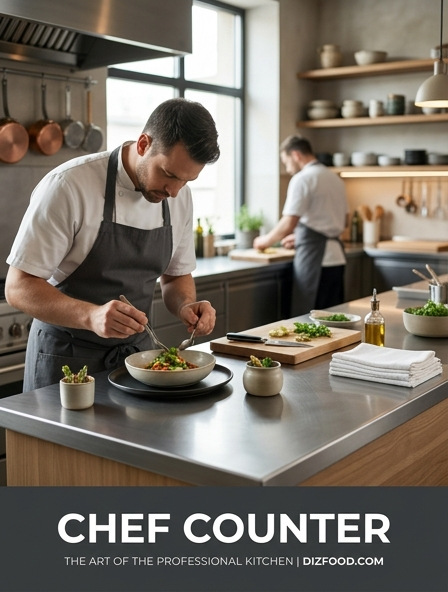
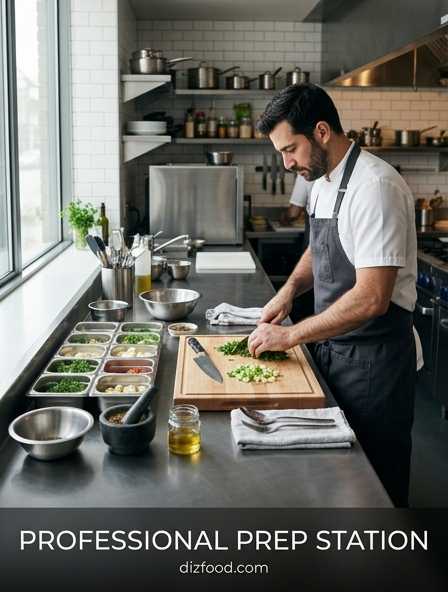
In a high-functioning culinary workspace, the butcher block is more than just a surface; it is an integrated tool. Professional chefs often prefer a large, built-in wooden section because it eliminates the need for separate cutting boards, which can slide around and create safety hazards. The thickness of a true butcher block-often three to six inches-provides a stable, vibration-dampening platform that is easier on the joints during long hours of prep. It also allows for the integration of features that are impossible with stone, such as "scrap holes" where waste can be swept directly into a bin below, or carved "juice grooves" that prevent liquids from spilling onto the floor.
- Stability: The sheer weight and friction of the wood ensure it stays stationary under heavy pressure.
- Ergonomics: The height of a thick butcher block can be customized to provide a more comfortable working level for the cook.
- Safety: Provides a "grippy" surface for handling dangerous tools and slippery ingredients.
- Versatility: Can be used for everything from pounding cutlets to rolling out heavy bread doughs.
The practicality extends to the cleanup phase as well. While many worry about wood hygiene, a well-maintained, oiled butcher block is surprisingly easy to sanitize with a simple scrape and a wipe of mild detergent. Because it is a renewable surface, there is less anxiety about "ruining" it. If a heavy pot is dropped on wood, it might leave a small dent, but it won't shatter the surface or ruin the pot, unlike the unforgiving hardness of marble or granite. This resilience makes wood the most logical choice for the "active" zone of the kitchen.
Maximizing Kitchen Style with Marble Aesthetics
To maximize the style of a kitchen using marble, one must treat the stone as a focal point of architectural interest. Designers often use marble not just for the flat surfaces, but for full-height backsplashes and "waterfall" islands where the stone continues down the side to the floor. This creates a continuous flow of veining that acts as natural wallpaper, providing visual movement and drama. Because marble is a classic material, it has the unique ability to bridge the gap between different design styles. It looks as much at home in a traditional kitchen with shaker cabinets as it does in a sleek, ultra-modern space with handle-less, high-gloss doors.
When styling with marble, lighting is the most critical component. Under-cabinet LEDs can highlight the crystalline structure of the stone, while pendant lights over a marble island can create soft reflections that brighten the entire room. It is also important to consider the finish: "polished" marble offers a high-shine, glamorous look that maximizes light reflection, while "honed" marble provides a matte, satin-like finish that feels more contemporary and does a better job of hiding the inevitable etch marks. By choosing the right slab and finish, marble becomes the "jewelry" of the kitchen, providing a sense of luxury that increases the overall value of the home and the daily pleasure of the occupant.
Integrating Prep and Presentation Countertop Zones
The most successful modern kitchens don't choose between butcher block and marble; they integrate both into a cohesive multi-zone layout. This hybrid approach recognizes that a kitchen has different "states": the messy, active state of prep and the clean, social state of presentation. By installing a butcher block section near the sink or range and a marble section on the outer island or breakfast bar, the workflow becomes intuitive. The cook handles the knives and the raw ingredients on the wood, and then transfers the finished, plated food to the marble for serving. This keeps the "damage" of cooking contained to the most resilient surface while keeping the presentation area pristine.
- Zonal Design: Place butcher block near the main stove for quick chopping and marble near the dining area for serving.
- Inlaid Sections: A marble slab can be "dropped into" a wooden counter specifically for pastry work, creating a flush, multi-functional surface.
- Visual Balance: Use the dark, rich tones of wood to anchor a large white marble island, preventing the room from feeling too sterile.
- Transition Points: Use metal or brass trim between the two materials to create a deliberate and stylish transition.
This integration also solves the maintenance dilemma. By having a dedicated wood section for cutting, the marble is protected from the primary source of scratches and acidic spills. Meanwhile, the wood benefits from being placed away from the high-traffic "wet" zones where water might pool. Ultimately, a kitchen that combines the rugged, tactile utility of the butcher block with the sophisticated, cool elegance of marble offers the best of both worlds-a space that is as enjoyable to cook in as it is to live in.

Comments