
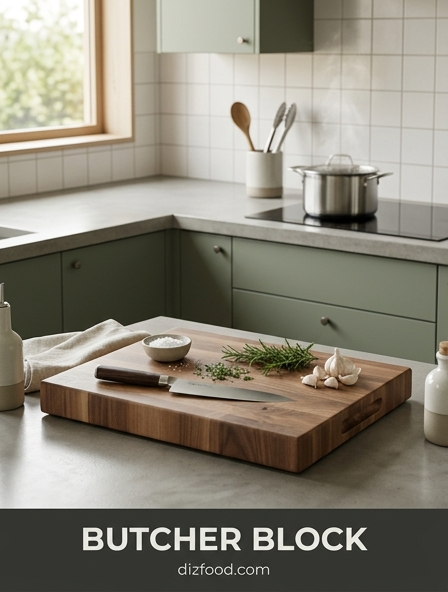
The Timeless Appeal of Wood in Social Kitchens
Wood has remained a cornerstone of kitchen design for centuries, offering a sense of permanence and organic beauty that synthetic materials cannot replicate. In social kitchens, where the atmosphere is as important as the utility, butcher block surfaces serve as an inviting focal point. These surfaces bridge the gap between traditional craftsmanship and modern living, providing a tactile warmth that encourages guests to gather around. Unlike cold stone or stainless steel, wood feels approachable and lived-in, softening the industrial edges of contemporary appliances.
The visual variety found in natural timber allows homeowners to tailor their environment to specific social moods. Whether it is the deep, sophisticated tones of black walnut or the light, energetic hues of hard maple, wood creates a narrative of comfort. To maximize the social potential of these surfaces, designers often focus on the following elements:
- Seamless integration with seating areas for casual conversation.
- Matte finishes that reduce glare and promote a relaxed ambiance.
- Edge profiles that are comfortable for guests to lean against during gatherings.
- Coordinating wood accents that tie the cabinetry and countertops together.
Engineering Durability for Professional Culinary Spaces
In a professional culinary environment, the butcher block is not merely a decorative choice but a critical piece of engineered equipment. The structural integrity of these surfaces depends heavily on the orientation of the wood grain, which dictates how the surface responds to heavy impact and constant moisture. Professional chefs often prefer end-grain construction, as the vertical fibers act like a cushion for knife blades, preserving sharpness while preventing deep scarring on the wood itself. This engineering ensures that the surface can withstand the rigors of high-volume food preparation without compromising safety or hygiene.
The durability of a butcher block is further enhanced by specific wood species selection and adhesive technology. High-quality blocks utilize food-safe, moisture-resistant resins that prevent delamination even in humid kitchen conditions. The following table highlights the common specifications for professional-grade surfaces:
| Feature | End-Grain Specification | Edge-Grain Specification |
|---|---|---|
| Impact Resistance | Highest; self-healing fibers | Moderate; prone to scratches |
| Knife Longevity | Excellent; minimizes dulling | Good for general prep |
| Visual Pattern | Checkerboard / Mosaic | Long, linear planks |
Natural Warmth as a Backdrop for Memorable Gatherings
The kitchen is often described as the heart of the home, and the presence of natural wood surfaces amplifies this sentiment by providing a literal and figurative warmth. Butcher block countertops radiate a soft, diffused light that creates a cozy environment, making the kitchen feel more like a sanctuary than a clinical workspace. This inherent warmth is particularly effective during evening gatherings, where the wood absorbs the glow of ambient lighting to create a rich, golden atmosphere that puts guests at ease. It invites touch and interaction, transforming the act of food service into a shared experience.
Furthermore, the acoustic properties of wood contribute to a more pleasant social environment. Hard surfaces like granite or tile reflect sound, often leading to noisy, echoing rooms when many people are talking at once. Wood, being a naturally porous and fibrous material, absorbs sound waves, dampening the clatter of plates and the hum of conversation. This acoustic softening makes it easier for hosts and guests to communicate, ensuring that the kitchen remains a comfortable space for storytelling and laughter throughout the night.
Sustainable Hardwoods for Long Lasting Kitchen Design
Modern kitchen design increasingly prioritizes sustainability, and butcher blocks made from responsibly harvested hardwoods are at the forefront of this movement. Selecting wood species that are abundant and fast-growing, such as American Cherry or sustainably farmed Bamboo, allows homeowners to enjoy luxury without a heavy environmental footprint. These materials are not only renewable but also sequester carbon throughout their lifespan, making them a greener alternative to petroleum-based laminates or energy-intensive stone mining. A well-sourced wood countertop can last for decades, reducing the need for frequent replacements.
Longevity is a hallmark of sustainable design, and the ability to refurbish wood makes it uniquely eco-friendly. When a butcher block shows signs of wear, it can be sanded down and refinished rather than discarded. To ensure the highest level of sustainability, consider the following hardwood options:
- Hard Maple: Renowned for its density and neutral color palette.
- Black Walnut: A premium choice offering deep chocolate tones and durability.
- White Oak: Valued for its moisture resistance and prominent grain.
- Teak: High oil content makes it naturally resistant to rot and decay.
The Sensory Experience of Professional Wood Textures
Working on a professional butcher block provides a multi-sensory experience that enhances the joy of cooking. The tactile sensation of wood is vastly different from synthetic materials; it feels solid yet forgiving under the hand. When a knife meets the surface, the sound is a muted, rhythmic thud rather than the shrill clink produced by ceramic or glass. This auditory feedback is essential for maintaining a steady pace during prep work. Additionally, the subtle, natural aroma of certain woods, like cedar or oak, adds a layer of olfactory pleasure that complements the scents of fresh herbs and spices being prepared.
The visual texture of the wood grain also plays a vital role in the culinary experience. The intricate patterns of knots and growth rings provide a beautiful, ever-changing backdrop for ingredients. This organic complexity hides minor imperfections and wear, allowing the surface to age gracefully over time. Unlike polished surfaces that show every fingerprint and water spot, the matte, textured finish of wood maintains a clean, professional appearance even in the middle of a busy dinner service, allowing the chef to focus on the artistry of the meal.
Why Modern Kitchens Revolve Around Natural Timber
In the evolution of modern home design, the kitchen has shifted from a hidden utility room to an open-concept living space. Within this transformation, natural timber has emerged as the primary material used to anchor the room's aesthetic. A large butcher block island often serves as the gravitational center of the home, pulling together various design elements through its neutral yet rich appearance. It breaks up the monotony of flat-panel cabinetry and brings a necessary element of nature indoors, grounding the high-tech gadgets and sleek finishes common in contemporary architecture.
Modern kitchens prioritize flow and versatility, and wood surfaces are uniquely suited to these needs. They function as prep stations, dining tables, and workstations simultaneously. This multifunctionality is why many designers choose wood for the following reasons:
- It provides a soft transition between the kitchen and living areas.
- The material is easily customized into unique shapes and thicknesses.
- Wood can be integrated with other materials like metal or stone for a mixed-media look.
- It offers a "soft touch" surface that is safer for children and more comfortable for work.
Maintaining the Luster of High Performance Surfaces
To preserve the beauty and functionality of a high-performance butcher block, a consistent maintenance routine is essential. Wood is a living material that reacts to changes in humidity and temperature, meaning it requires periodic hydration to prevent cracking or warping. Regular application of food-grade mineral oil or beeswax creates a protective barrier that repels moisture and prevents food stains from penetrating the grain. This process not only safeguards the wood but also deepens its natural color, highlighting the intricate grain patterns that make each piece unique.
Proper care ensures that the surface remains hygienic and structurally sound for generations. Beyond simple oiling, deep cleaning and occasional resurfacing are necessary to handle heavy usage. The following steps outline a standard maintenance cycle for professional-grade wood surfaces:
- Daily cleaning with a damp cloth and mild soap to remove debris.
- Monthly application of mineral oil to maintain the moisture barrier.
- Immediate removal of standing liquids to prevent water spots.
- Annual light sanding to remove surface scratches and restore the original luster.
- Sanitizing with a vinegar solution to ensure a bacteria-free prep area.
Creating an Inviting Atmosphere for Hosting and Entertaining
Butcher block surfaces are inherently social, making them the ideal choice for homeowners who frequently host guests. The generous proportions of a wood-topped island create a natural "grazing" station where appetizers, charcuterie, and drinks can be displayed. Because wood is naturally warmer than stone, it helps maintain the temperature of warm breads and pastries served directly on the surface. The informal nature of the material lowers the barrier between host and guest, encouraging friends to step into the kitchen and participate in the final stages of meal preparation or plating.
The inviting nature of wood also stems from its historical association with communal dining and rustic hospitality. In an era where digital screens often dominate our attention, the raw, earthy presence of a timber surface encourages face-to-face interaction and a slower pace of life. Whether it is used as a sprawling buffet table during a holiday party or a quiet spot for morning coffee, the butcher block acts as a versatile stage for the many small moments that define domestic life. Its presence transforms the kitchen into a hub of genuine human connection and shared culinary joy.
The Intersection of Structural Strength and Aesthetic Beauty
The true value of a butcher block lies at the intersection of its robust structural properties and its sophisticated aesthetic appeal. Unlike other countertop materials that may prioritize looks over function, a butcher block is designed to be used heavily. Its strength comes from the tight bonding of individual wood rails, which creates a dense, heavy mass capable of supporting significant weight and resisting daily wear. This structural integrity allows for creative design choices, such as dramatic overhangs for seating or integrated cutouts for sinks and compost bins, without the risk of cracking inherent in stone.
Aesthetic beauty is not sacrificed for this strength; rather, the construction method itself creates the visual interest. The variation in wood species and grain direction results in a unique tapestry for every installation. The following table compares the structural and aesthetic benefits of different butcher block configurations:
| Configuration | Structural Benefit | Aesthetic Quality |
|---|---|---|
| Edge Grain | Excellent dimensional stability | Clean, continuous linear look |
| End Grain | Maximum compression strength | Intricate, mosaic-like pattern |
| Face Grain | Lightweight for decorative use | Displays full beauty of the grain |
Wood Surfaces as the Functional Heart of Home Socializing
Ultimately, the butcher block serves as the functional heart of home socializing because it is one of the few kitchen surfaces that genuinely improves with use. While granite might chip or laminate might peel, wood develops a rich patina over time that tells the story of the home. Every minor mark or stain becomes a memory of a meal cooked or a party hosted. This resilience makes the kitchen a worry-free zone where the focus can remain on the people and the food. The adaptability of wood allows it to serve as a cutting board, a dining table, and a conversation starter all at once.
In a world of fast-paced trends, the butcher block remains a steadfast choice for those who value both style and substance. It provides a reliable foundation for the chaos of daily life and the elegance of formal entertaining. By choosing wood, homeowners invest in a living material that breathes life into the kitchen, ensuring that the space remains vibrant, functional, and deeply connected to the natural world. It is the perfect marriage of utility and soul, making every social interaction in the kitchen feel more grounded and authentic.

Comments