
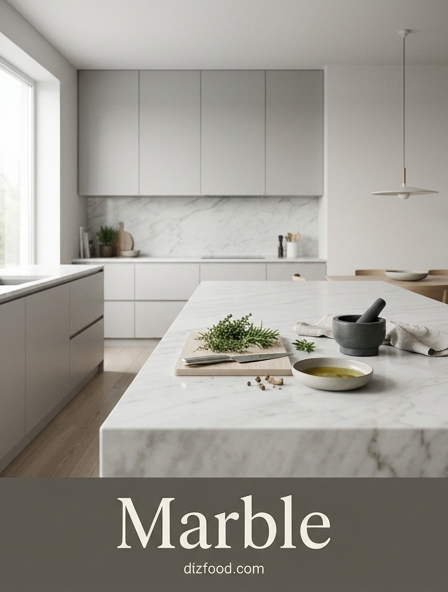
Natural Temperature Control for Perfect Pastry
Marble is a preferred material for pastry enthusiasts primarily due to its remarkable thermal properties. Unlike synthetic laminates or wood, marble possesses high thermal mass, allowing it to stay naturally cooler than the surrounding room temperature. This physical trait is essential when working with temperature-sensitive ingredients such as high-butter doughs, puff pastry, and chocolate. When a baker rolls out dough on a marble surface, the stone effectively absorbs the heat from the friction and the baker's hands, preventing the butter from melting prematurely.
- Maintains a consistent surface temperature of approximately 60-65°F.
- Conducts heat away from delicate fats quickly.
- Provides a smooth, friction-less plane for uniform rolling.
This natural cooling effect ensures that the layers within the dough remain distinct, resulting in the light, flaky textures sought after in professional patisseries. By utilizing marble, home cooks can replicate the precision of a professional environment, ensuring their croissants and pie crusts retain structural integrity throughout the preparation process without the need for constant chilling in a refrigerator.
The Aesthetic Appeal of Luxury Stone
Marble has long been the hallmark of sophistication in interior design, offering a visual depth that manufactured materials cannot replicate. Each slab is a unique piece of geological history, featuring intricate veining and color variations that range from the crisp whites of Carrara to the dramatic greys of Calacatta. This natural artistry creates a focal point in the kitchen that feels both organic and high-end. The way light reflects off a polished or honed marble surface adds a layer of luminosity to the room, making even smaller kitchens feel more expansive and airy.
The timeless nature of marble allows it to complement a wide array of design styles, from traditional farmhouse aesthetics to sleek, modern minimalism. It serves as a neutral yet striking backdrop for cabinetry and hardware. Because no two pieces are identical, homeowners can take pride in owning a surface that is exclusively theirs. This inherent beauty transforms the kitchen from a utilitarian workspace into a gallery of natural art, ensuring the room remains stylish for decades to come, regardless of shifting interior design trends.
Durability Meets High End Design
While marble is often praised for its beauty, its structural resilience makes it a formidable choice for high-traffic kitchens. As a metamorphic rock formed under intense heat and pressure, it offers a density that withstands the rigors of daily culinary activities. When properly cared for, a marble countertop can last a lifetime, outperforming many contemporary synthetic alternatives that may warp or delaminate over time. The longevity of marble is evident in historic European kitchens where these surfaces have been used for centuries, developing a storied patina that many enthusiasts actually prefer.
| Feature | Marble Countertop | Synthetic Laminate |
|---|---|---|
| Heat Resistance | Excellent | Poor (Melts) |
| Longevity | Decades to Centuries | 10-15 Years |
| Impact Strength | High | Moderate |
The marriage of strength and elegance ensures that the kitchen remains functional without sacrificing its premium look. While it requires mindful maintenance, its ability to be refinished and restored means it never truly wears out, but rather matures with the home.
A Non Porous Surface for Hygienic Baking
When marble is professionally sealed, it creates a smooth, hygienic surface that is ideal for direct food contact. In the context of a busy kitchen, cleanliness is paramount. A high-quality sealant closes the natural microscopic pores of the stone, preventing liquids, oils, and bacteria from penetrating the surface. This makes the countertop exceptionally easy to sanitize after working with raw eggs, flour, or meats. Bakers particularly appreciate this quality because it allows them to knead dough directly on the stone without fear of trapped contaminants or lingering odors from previous meals.
- Clear the surface of any loose flour or debris using a soft cloth.
- Wipe the area with a pH-neutral cleaner to maintain the sealant's integrity.
- Dry the surface immediately to prevent water spots and maintain a polished gleam.
The lack of grout lines, common in tiled surfaces, further enhances the hygiene of a marble slab. There are no crevices for food particles to hide, ensuring a sterile environment that supports the health and safety of the family while maintaining the stone's pristine, luxurious appearance.
The Social Heart of the Modern Kitchen
The modern kitchen has evolved from a hidden service area into the primary social hub of the home, and marble surfaces play a central role in this transformation. A large marble island acts as a natural magnet for family and guests, providing a wide, inviting space for conversation and connection. The cool, smooth surface is as comfortable for leaning against during a cocktail hour as it is for children finishing their homework. Its bright, reflective quality enhances the "hearth" feeling of the home, drawing people toward the light and the beauty of the natural stone.
Architects often use marble to define the boundaries of the social space, utilizing the stone's presence to signal a transition from the work zone to the relaxation zone. Whether used for a casual Sunday brunch or an elegant dinner party, the material elevates the atmosphere, making every gathering feel like a special occasion. It isn't just a workspace; it is a stage where memories are made, anchored by the grounded, permanent feel that only a massive slab of natural earth can provide.
Why Professionals Choose Timeless Stone
Professional chefs and world-class pastry artists have long insisted on marble worktops for their precision and reliability. In a professional kitchen, consistency is the key to success, and marble provides a predictable environment for sensitive culinary tasks. The stone's ability to stay cool is not just a luxury; it is a technical requirement for tempering chocolate and working with delicate sugar art. Professionals appreciate that marble provides the perfect amount of "grab" for dough, allowing for tension during shaping without the sticking issues found on stainless steel or plastic surfaces.
- Superior surface for chocolate tempering and cooling.
- Historical reliability in European boulangeries.
- High resistance to scorching from hot pots and pans.
Furthermore, the heavy weight of marble ensures that the work surface never shifts or vibrates during heavy kneading or pounding. This stability allows for greater accuracy in delicate tasks. By choosing marble, professionals are investing in a tool that has been tested over generations, ensuring that their craft is supported by a material that respects the traditions of fine cooking while meeting modern standards.
Enhancing Your Home Value with Premium Materials
In the competitive real estate market, certain materials carry a psychological weight that translates directly into financial value. Marble is universally recognized as a premium upgrade, often serving as the "wow factor" that closes a sale. Potential buyers perceive a marble-clad kitchen as a sign of a well-maintained, high-quality home where no expense was spared. Unlike trendy backsplashes or synthetic materials that may look dated within a few years, marble is a timeless investment that appeals to a broad demographic of buyers, from young professionals to traditional families.
The Return on Investment (ROI) for a marble installation is often higher than other renovations because it is viewed as a permanent fixture rather than a temporary aesthetic choice. It suggests a level of luxury and durability that justifies a higher asking price. Real estate experts frequently highlight marble countertops in listings to signal prestige. By choosing this stone, homeowners are not just improving their daily living experience; they are building equity in their property through a material that historically retains its desirability and market price over many decades.
The Art of Kneading on Natural Surfaces
Kneading bread is a tactile, sensory experience that is significantly enhanced by the use of a natural marble surface. The stone provides a unique interface between the baker and the dough; its slight coolness helps regulate the temperature of the yeast, preventing over-proofing during the vigorous movement of hand-kneading. The weight and density of the marble mean it does not absorb the moisture from the dough, allowing the baker to control the hydration levels with much more precision. As the gluten develops, the smooth surface of the stone allows for easy stretching and folding.
Many artisanal bakers find that the subtle texture of a honed marble surface provides the ideal resistance, helping to build the necessary "skin" on a loaf of sourdough or a baguette. This interaction is almost impossible to replicate on porous wood or sticky synthetic boards. Working on marble turns a routine task into a meditative art form, where the resonance of the stone and the rhythmic movement of the hands create a connection to the ancient traditions of bread making that have sustained civilizations for millennia.
From Flour to Friends a Gathering Space
The versatility of a marble kitchen surface allows it to transition seamlessly from a rugged prep area to an elegant entertaining zone. During the day, the counter may be covered in flour, rolling pins, and vegetable crates as the family prepares meals. However, because marble is so easy to clear and clean, it can be transformed in minutes into a sophisticated buffet or a bar area for evening guests. This multipurpose functionality is essential in modern homes where the kitchen must serve as a bakery, an office, and a dining room all at once.
The visual neutrality of white or grey marble makes it the perfect canvas for any decor. You can set it with rustic wooden boards for a casual gathering or fine crystal and silver for a formal event. The stone's ability to bridge these two worlds-the messy, creative world of cooking and the polished, social world of hosting-makes it an indispensable asset. It encourages the "open kitchen" concept where the host can continue to prepare food while guests gather around the same beautiful surface, blurring the lines between work and play.
Maintenance Tips for Lasting Elegance
To ensure that marble retains its luster and functionality for a lifetime, a simple yet consistent maintenance routine is required. While marble is durable, it is sensitive to acidic substances like lemon juice, vinegar, and wine, which can cause "etching" or dull spots on the surface. Understanding how to protect the stone is the key to preserving its high-end look. Regular sealing is the most important step in a maintenance plan, as it provides a barrier against stains and moisture penetration. Most experts recommend resealing the stone every six to twelve months depending on the intensity of use.
- Use coasters under glasses and trivets under hot cookware.
- Clean spills immediately with a soft, damp cloth and mild soap.
- Avoid abrasive scrubbers that can scratch the polished finish.
- Apply a stone-specific sealer to maintain the moisture barrier.
By following these basic guidelines, the "living finish" of the marble will age gracefully. Many owners find that the small marks and scratches that occur over time add character to the stone, telling the story of the meals shared and the lives lived in the kitchen. With minimal effort, marble remains a stunning and practical centerpiece.

Comments