
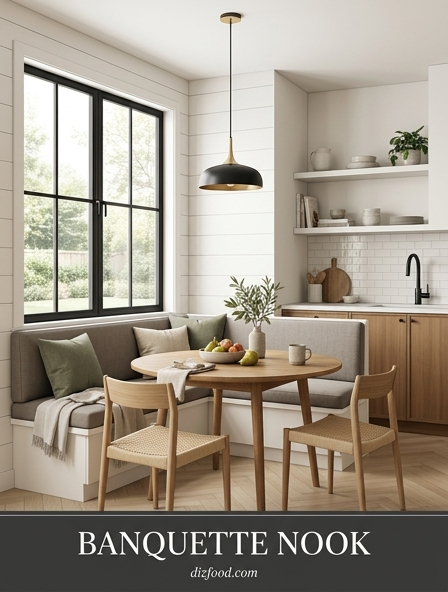
The Magic of Kitchen Banquettes for Social Living
The kitchen has long been considered the heart of the home, but the addition of a banquette nook transforms it into a true social sanctuary. Unlike traditional standalone tables and chairs, a built-in banquette creates a sense of permanence and enclosure that invites guests to linger. It fosters a relaxed atmosphere where the boundaries between the cook and the company dissolve. Whether it is a slow weekend breakfast or a casual evening with wine, the close-knit seating arrangement naturally encourages deeper conversation and shared experiences.
Banquettes are inherently inclusive, often accommodating more people than a standard set of chairs. They evoke the nostalgic charm of a classic diner booth while offering the sophisticated comfort of modern residential design. By creating a dedicated "destination" within the kitchen, homeowners can keep the family together without the formality of a separate dining room. This architectural choice prioritizes connection, making every meal feel like a special gathering. The comfort of upholstered backing and the intimacy of a corner seat make the kitchen banquette the most coveted spot in any modern household.
Maximizing Small Kitchen Layouts with Corner Seating
For homeowners grappling with limited square footage, the corner banquette is a revolutionary design solution. Traditional dining sets require significant "clearance" space for chairs to be pulled out, often resulting in wasted floor area. By utilizing a corner and pushing seating directly against the walls, you reclaim valuable transit space in the center of the room. This layout allows for a full-sized dining experience even in narrow galleys or compact urban apartments.
| Feature | Traditional Dining Set | Corner Banquette Nook |
|---|---|---|
| Space Efficiency | Low; requires 36" clearance | High; sits flush against walls |
| Seating Capacity | Fixed by number of chairs | Flexible; fits more people |
| Traffic Flow | Often obstructed | Open and streamlined |
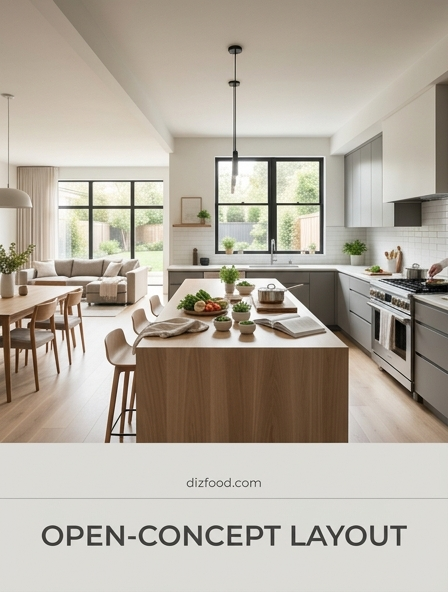
Beyond the practical footprint, corner seating creates a visual anchor that defines the dining zone within an open-concept plan. It eliminates the cluttered look of multiple chair legs and replaces it with a clean, architectural line. This streamlined approach not only makes the kitchen feel larger but also improves the overall ergonomics of the home.
Design Essentials for a Comfortable Custom Nook
Creating a custom banquette requires more than just a wooden bench; it demands careful attention to ergonomic standards to ensure long-term comfort. A common mistake is building a seat that is too deep or a backrest that is too vertical. To achieve the perfect sit, designers generally recommend a seat height of 18 inches and a total depth of 24 inches. A slight pitch of about 5 to 10 degrees in the backrest prevents a "waiting room" feel and allows guests to lean back naturally during long meals.
- Seat Height: 18 inches (standard chair height).
- Seat Depth: 18-20 inches of usable surface.
- Backrest Height: 12-18 inches above the seat.
- Table Overhang: The table should overlap the bench by 3-4 inches.
The density of the foam is equally critical. High-resiliency foam ensures the seat does not bottom out over time, while a softer layer on top provides that initial "sink-in" comfort. When these dimensions are executed correctly, the nook becomes a versatile space suitable for both quick morning coffees and hours of evening homework.
Selecting Durable and Stylish Upholstery Fabrics
Because the kitchen is a high-traffic zone prone to spills and crumbs, selecting the right upholstery is a matter of both aesthetics and survival. Performance fabrics have evolved significantly, offering textures that mimic linen, velvet, and wool while remaining virtually indestructible. These materials are treated to be stain-resistant and moisture-wicking, ensuring that a dropped meatball or a spilled glass of juice does not result in a permanent disaster. Durable choices are essential for families with children or pets.
For those seeking a more modern or industrial look, faux leather and vinyl provide an incredibly easy-to-clean surface that only requires a quick wipe with a damp cloth. If you prefer natural fibers, consider patterns over solid colors, as busy prints are much more forgiving when it comes to hiding daily wear and tear. Furthermore, choosing a fabric with a high double-rub count-ideally 30,000 or more-will ensure the seat maintains its integrity despite frequent sliding in and out. Balancing soft textures with rugged durability ensures your banquette remains a beautiful centerpiece for years.
Smart Storage Solutions Under Your Banquette
In a kitchen, storage is often as valuable as floor space. A built-in banquette offers a massive opportunity to hide clutter in plain sight. The hollow volume beneath the seating can be accessed in several ways, depending on your needs and budget. For items used infrequently, such as holiday platters or large roasting pans, a flip-top lid is a cost-effective and simple solution. This allows for deep, cavernous storage that maximizes every inch of the bench's footprint.
- Pull-out Drawers: Ideal for daily items like linens, placemats, or kid's craft supplies.
- Lift-up Benches: Best for bulky, seasonal items that don't require frequent access.
- Open Cubbies: Great for storing cookbooks or baskets for easy-reach organization.
Integrating drawers into the ends of the banquette is particularly clever, as it allows access to stored items without requiring anyone sitting on the bench to move. This functional design turns a simple seating area into a hardworking organizational hub, effectively replacing the need for extra cabinetry elsewhere in the kitchen. It is the ultimate marriage of form and utility.
Enhancing Intimacy with Warm Kitchen Lighting
Lighting is the secret ingredient that defines the mood of a kitchen nook. While the rest of the kitchen may be brightly lit with functional LEDs for food preparation, the banquette area requires a softer, more intentional glow. A low-hanging pendant light is the traditional choice for a nook, as it physically and visually anchors the table. The bottom of the fixture should typically hang about 30 to 36 inches above the tabletop to provide focused light without obstructing the view of those seated across from one another.
To maximize the "cozy factor," installing a dimmer switch is non-negotiable. This allows the space to transition from a bright, energized breakfast spot to a dim, intimate dinner setting. Warm-toned bulbs, ranging from 2700K to 3000K, mimic the inviting ambiance of candlelight. Additionally, if the banquette is tucked into a dark corner, consider adding wall-mounted sconces. These provide a secondary layer of light that adds depth to the space and eliminates harsh shadows, making the nook feel like a warm embrace regardless of the time of day.
The Best Table Shapes for Seamless Movement
Choosing a table for a banquette is different than choosing one for a standard dining room. The primary challenge of a built-in bench is the "slide-in" factor; guests must be able to move behind the table without catching their knees on legs or sharp corners. This is why pedestal tables are the undisputed champions of banquette design. By having a single central support, the floor space around the bench remains clear, allowing for fluid movement and more flexible legroom.
| Shape | Pros | Best For |
|---|---|---|
| Round | No sharp corners; easy sliding | Small corner nooks |
| Oval | Fits many people; elegant lines | Longer, rectangular benches |
| Rectangle | Maximizes surface area | Large, U-shaped banquettes |
If you prefer a rectangular table, ensure it has inset legs or a trestle base to minimize interference. The goal is to provide enough surface area for dining while maintaining a clear path for entry and exit. A table that is slightly smaller than the seating area often works best to prevent a cramped feeling.
Creating a Versatile Hub for Dining and Conversation
The modern banquette has evolved into a multi-functional "command center" for the home. It is no longer just a place to eat; it is a dedicated zone for remote work, afternoon homework, and late-night board games. The proximity to the kitchen's amenities-like the coffee maker and fridge-makes it a more attractive workspace than a secluded home office. The comfort of the bench allows for hours of productivity, while the table provides ample room for spreading out documents or laptops.
This versatility is what makes the banquette so valuable in a contemporary household. It acts as a bridge between the active energy of the kitchen and the relaxation of the living room. During social gatherings, it serves as a central hub where guests can sit comfortably while chatting with the host who is preparing a meal. By designing the nook with both productivity and leisure in mind, you create a space that adapts to the changing needs of the day, ensuring that every square foot of your kitchen is utilized to its fullest potential.
Modern Banquette Trends for Contemporary Homes
Current design trends are pushing the boundaries of what a traditional kitchen nook looks like. We are seeing a move toward "floating" banquettes-benches mounted directly to the wall without visible legs-which creates a minimalist, airy aesthetic. Mixed materials are also trending, such as combining sleek walnut wood with industrial metal accents or luxurious velvet upholstery. These elements help the banquette feel like a deliberate piece of high-end furniture rather than just an architectural after-thought.
Technology integration is another growing trend in contemporary nooks. Designers are increasingly installing hidden outlets and USB charging ports directly into the base of the banquette or the surrounding millwork. This acknowledges the reality of modern life, where tablets and phones are constant companions at the dinner table. Additionally, contrasting the banquette color with the main kitchen cabinetry is a popular way to add a "pop" of personality to the room. Whether it is a moody charcoal bench against white cabinets or a vibrant jewel-toned cushion, the modern banquette is a prime opportunity for bold, stylistic expression.
Accessorizing Your Nook for Ultimate Coziness
The final layer of a successful banquette nook is the styling. While the built-in structure provides the bones, the accessories provide the soul. Pillows are the most effective way to add both color and physical comfort. A mix of large back cushions and smaller lumbar pillows allows guests to adjust their seating position to their liking. Textured fabrics like chunky knits or soft linens add a tactile dimension that makes the space feel curated and warm.
- Throw Blankets: Draped over the back for chilly mornings.
- Washable Rugs: To define the zone and add softness underfoot.
- Centerpieces: Low profiles like a bowl of fruit or a small vase of flowers.
- Wall Decor: Framed art or a mirror to make the nook feel like a separate room.
Don't forget the importance of the floor. A durable, low-pile rug placed under the table can help define the dining area within an open-concept kitchen. It adds a layer of sound dampening and warmth, making the nook feel even more secluded and cozy. By layering these soft goods, you transform a functional seating area into a personalized retreat that truly feels like home.

Comments